











Is Passion Fruit Healthy? Nutrition, 7 Benefits & Side Effects - 1

Passion fruit is a tropical fruit known for its distinctive sweet-and-tart flavor, aromatic pulp, and edible seeds. Beyond its refreshing taste, passion fruit provides dietary fiber, vitamin C, vitamin A precursors, potassium, magnesium, and antioxidant plant compounds, making it a nutritious addition to a balanced diet.

Originally native to South America, passion fruit is now cultivated in tropical and subtropical regions around the world, including Vietnam, Brazil, and other parts of Southeast Asia. It is commonly enjoyed fresh or used in juices, smoothies, desserts, sauces, fruit teas, and other beverages.

Quick Answer: What Are the Benefits of Passion Fruit?

Passion fruit can contribute useful nutrients to a balanced diet, particularly dietary fiber, vitamin C, vitamin A precursors, potassium, and antioxidant plant compounds. Its fiber content supports normal digestive function, while vitamin C contributes to normal immune function and antioxidant protection. Passion fruit can also be a flavorful way to increase fruit variety without relying on highly processed ingredients.

What Is Passion Fruit?

Passion fruit is the edible fruit of several species in the Passiflora genus, with Passiflora edulis being one of the best-known varieties. The fruit typically has a round or oval shape, a thick outer rind, aromatic pulp, and numerous small edible seeds.

Depending on the variety, the skin may be purple, red, or yellow when ripe. Inside, the juicy pulp has an intense tropical aroma and a characteristic balance of sweetness and acidity.

Passion fruit is valued both as a fresh fruit and as an ingredient for beverages and food products. Its distinctive flavor makes it particularly popular in fruit juices, smoothies, cocktails, desserts, yogurt, sauces, and fruit-based drinks.

Passion Fruit Nutrition

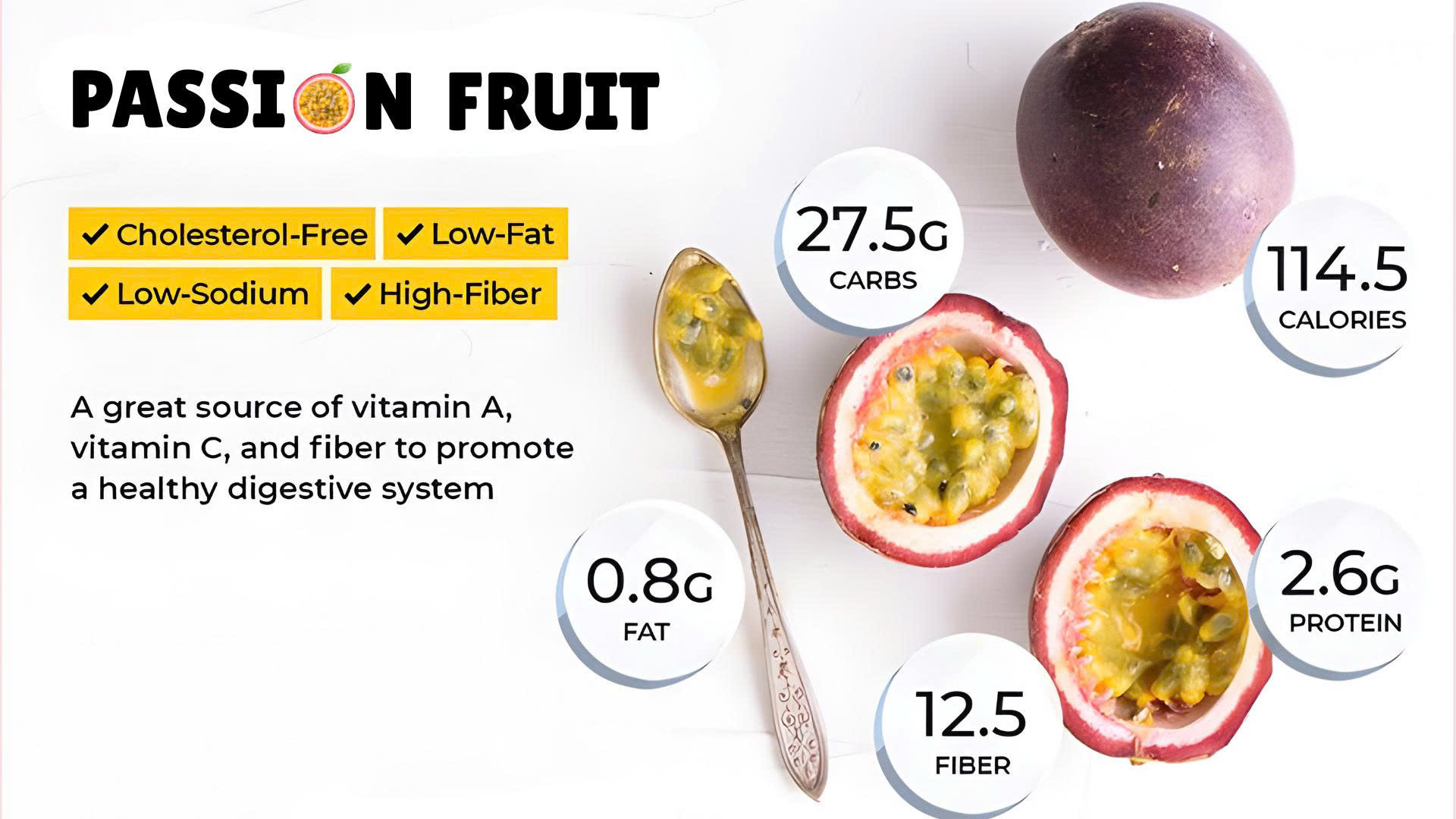
Passion fruit is relatively nutrient-dense and provides several vitamins, minerals, and plant compounds. Its nutritional profile includes:

  • Dietary fiber, including soluble and insoluble fiber
  • Vitamin C, an essential nutrient that contributes to normal immune function and antioxidant protection
  • Vitamin A precursors, including carotenoids such as beta-carotene
  • Potassium, an essential mineral involved in normal muscle and nervous system function
  • Magnesium, which contributes to normal energy metabolism and muscle function
  • Iron, an essential mineral needed for normal oxygen transport
  • Polyphenols and flavonoids, naturally occurring plant compounds with antioxidant properties

The exact nutritional values depend on the variety, growing conditions, ripeness, serving size, and preparation method. For this reason, nutrition information should always be interpreted according to the specific serving size and product formulation.

Passion fruit nutrition and health benefits

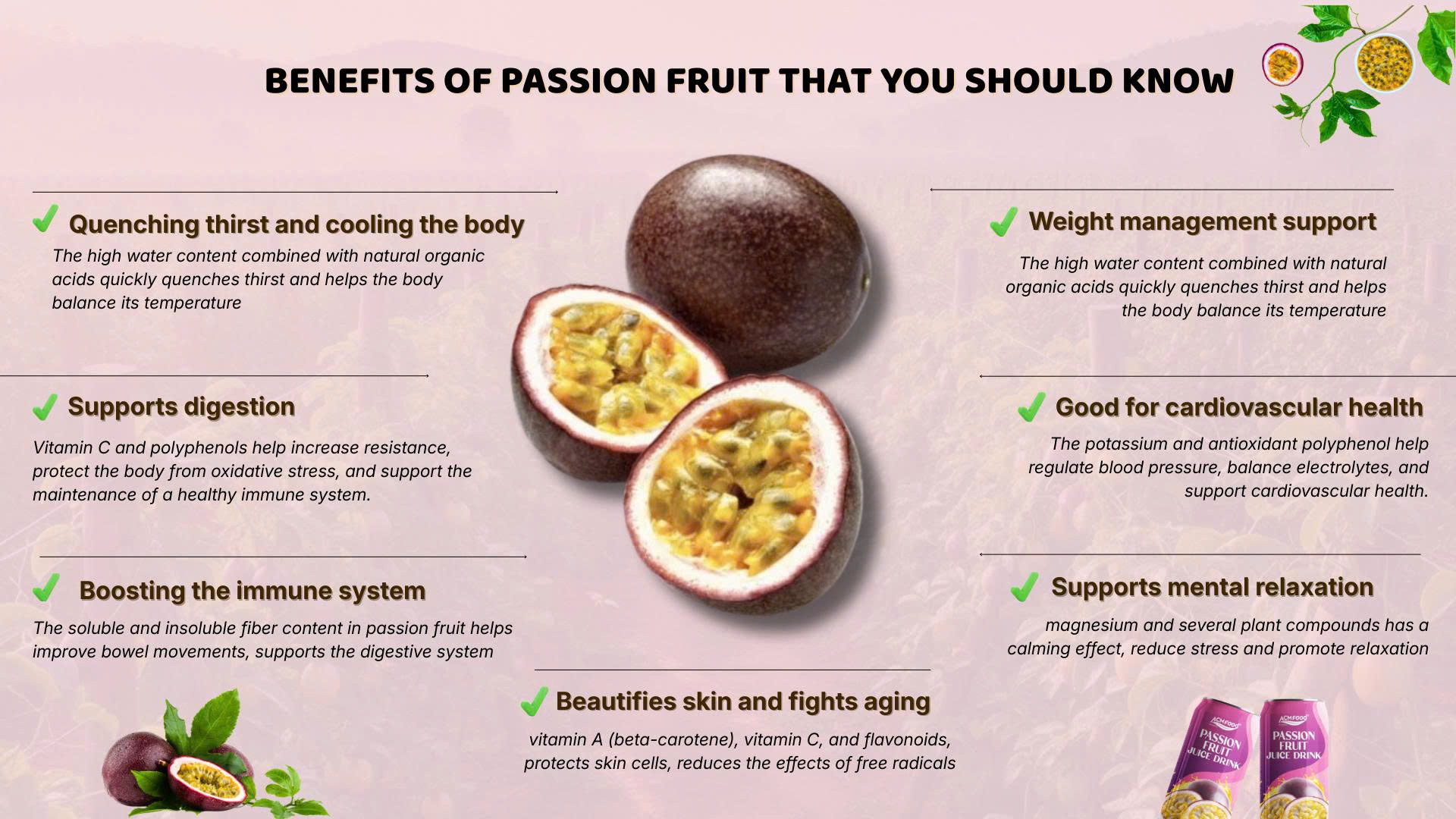
7 Potential Health Benefits of Passion Fruit

The nutritional composition of passion fruit helps explain why it is often included in balanced diets. Here are seven potential benefits associated with its nutrients and plant compounds.

1. Supports Digestive Health

Passion fruit is a useful source of dietary fiber. Fiber contributes to normal digestive function and helps support regular bowel movements. Including fiber-rich fruits such as passion fruit in a varied diet can therefore contribute to overall digestive health.

For people increasing their fiber intake, it is generally best to do so gradually and drink enough fluids throughout the day.

2. Provides Vitamin C for Immune Function

Passion fruit provides vitamin C, an essential nutrient that contributes to normal immune system function and helps protect cells from oxidative stress.

Eating passion fruit as part of a varied diet can contribute to daily vitamin C intake. However, a single food should not be considered a treatment or cure for illness.

3. Provides Antioxidant Plant Compounds

Passion fruit contains vitamin C, carotenoids, polyphenols, flavonoids, and other naturally occurring plant compounds. These compounds contribute to the fruit’s antioxidant profile and help explain its nutritional interest.

A diet that includes a variety of fruits and vegetables provides a broader range of naturally occurring plant compounds than relying on a single fruit.

4. Contributes to a Heart-Healthy Diet

Passion fruit provides potassium and dietary fiber, two nutrients that can be part of a balanced eating pattern that supports cardiovascular health.

Potassium contributes to normal muscle and nervous system function, while dietary fiber is an important component of a healthy overall diet. Passion fruit should be viewed as one nutritious food within a broader heart-healthy eating pattern rather than as a treatment for cardiovascular conditions.

5. Supports Healthy Skin Nutrition

Vitamin C and carotenoids found in passion fruit contribute to its nutritional value for skin health. Vitamin C is involved in normal collagen formation and also contributes to antioxidant protection.

Healthy skin depends on many factors, including overall nutrition, hydration, sleep, sun protection, and lifestyle. Passion fruit can contribute useful nutrients but should not be described as a standalone anti-aging treatment.

6. May Support Healthy Weight Management

Passion fruit contains dietary fiber and can add flavor and texture to meals without requiring highly processed ingredients. Fiber can help contribute to feelings of fullness, which may be useful when building a balanced eating pattern.

Weight management depends on overall energy intake, physical activity, dietary patterns, and individual factors. Passion fruit itself does not guarantee weight loss or prevent weight gain.

7. Adds Important Vitamins and Minerals to the Diet

Adding a variety of fruits to the diet is one way to increase the range of vitamins, minerals, and plant compounds consumed. Passion fruit contributes vitamin C, carotenoids, potassium, magnesium, iron, and dietary fiber.

Passion fruit used in fruit juice and beverage applications

Its strong flavor also makes it easy to combine with other fruits, yogurt, salads, smoothies, and beverages.

How to Eat Passion Fruit

Passion fruit is easy to prepare and can be enjoyed in several ways. To eat it fresh, simply cut the fruit in half and scoop out the pulp and seeds with a spoon.

The seeds are naturally edible and provide texture. The pulp can be eaten directly or added to other foods and beverages.

Can You Eat Passion Fruit Seeds?

Yes. The small black seeds inside passion fruit are edible and are commonly consumed together with the pulp. They provide texture and are also a source of dietary fiber.

Can You Eat Passion Fruit Raw?

Yes. Ripe passion fruit can be eaten raw. The pulp is typically spooned directly from the rind and can be enjoyed on its own or combined with yogurt, oatmeal, desserts, salads, smoothies, and other foods.

How Do You Know When Passion Fruit Is Ripe?

Ripe passion fruit generally develops a strong aroma and may have slightly wrinkled skin. Depending on the variety, the skin may turn dark purple, red, or yellow as the fruit ripens.

A slightly wrinkled appearance does not necessarily mean the fruit has gone bad. However, fruit showing mold, an unpleasant odor, or significant deterioration should be discarded.

How to Use Passion Fruit in Food and Beverages

The distinctive sweet-and-tart flavor of passion fruit makes it highly versatile. It can be incorporated into both fresh foods and commercial beverage formulations.

  • Add fresh passion fruit pulp to yogurt, oatmeal, or desserts.
  • Combine passion fruit with pineapple, orange, mango, apple, or other tropical fruits.
  • Use passion fruit pulp in smoothies and fruit-based drinks.
  • Blend passion fruit into sauces and dressings.
  • Use passion fruit in fruit tea, sparkling beverages, and juice formulations.
  • Combine passion fruit with other ingredients to create balanced sweet-and-tart beverage profiles.

Passion Fruit and Passion Fruit Juice: What’s the Difference?

Fresh passion fruit and passion fruit juice are related but nutritionally and commercially different products. Whole passion fruit contains pulp and edible seeds, while juice products may be filtered, strained, diluted, blended, sweetened, or processed depending on the formulation.

When evaluating a passion fruit beverage, it is useful to check the ingredient list, fruit content, added sugar, serving size, and processing method. These factors can significantly affect the nutritional profile of the finished beverage.

Are There Any Precautions When Eating Passion Fruit?

Passion fruit is generally consumed as a food, but individual tolerance can vary. Because it has a naturally acidic and tart flavor, some people may find it uncomfortable if consumed in large amounts, particularly when they are sensitive to acidic foods.

  • Start with a moderate serving if you are not accustomed to acidic fruits.
  • If acidic foods cause you discomfort, consider consuming passion fruit with other foods rather than on an empty stomach.
  • Check the ingredient and nutrition labels of commercial passion fruit beverages for added sugar and other ingredients.
  • People with food allergies or specific medical conditions should follow advice from their healthcare professional.

Passion fruit should be considered a nutritious food rather than a medicine. Claims that it can treat diseases, prevent aging, or directly cause weight loss should be interpreted with caution.

Passion Fruit Juice from ACMFOOD

For beverage brands looking to develop tropical fruit beverages, ACMFOOD Passion Fruit Juice offers a convenient way to incorporate the distinctive sweet-and-tart profile of passion fruit into beverage concepts.

ACMFOOD passion fruit juice beverage

ACMFOOD develops fruit-based beverages for international markets, with solutions designed for brands looking for convenient and scalable beverage formats. Passion fruit can be used in juice drinks and other tropical beverage concepts, either as a standalone flavor or combined with other fruits.

For companies developing their own beverage brand, ACMFOOD also provides passion fruit juice OEM and white label solutions, covering beverage development and private label opportunities.

For product specifications, formulation options, packaging, and export requirements, contact ACMFOOD to discuss your beverage project.

Passion Fruit FAQs

Is passion fruit good for you?

Yes. Passion fruit can be a nutritious addition to a balanced diet because it provides dietary fiber, vitamin C, carotenoids, potassium, magnesium, and other plant compounds. Its nutritional value depends on the serving size and the overall dietary pattern.

What are the main benefits of passion fruit?

The main nutritional benefits of passion fruit come from its dietary fiber, vitamin C, carotenoids, potassium, magnesium, and antioxidant plant compounds. These nutrients can contribute to digestive health, normal immune function, and overall nutritional intake.

Is passion fruit high in fiber?

Passion fruit is a fiber-containing fruit, and its edible pulp and seeds contribute to its dietary fiber content. Including fiber-rich fruits as part of a varied diet can support normal digestive function.

Is passion fruit high in vitamin C?

Passion fruit provides vitamin C, although the exact amount depends on the variety, serving size, ripeness, and preparation. Vitamin C contributes to normal immune function and antioxidant protection.

Can you eat passion fruit seeds?

Yes. Passion fruit seeds are edible and are commonly eaten together with the juicy pulp. They also contribute texture and dietary fiber.

Is passion fruit good for digestion?

Passion fruit contains dietary fiber, which contributes to normal digestive function and regular bowel movements. It can therefore be part of a balanced diet that includes a variety of fiber-rich foods.

Can passion fruit help with weight management?

Passion fruit can fit into a balanced weight-management diet because it provides fiber and flavor while being a fruit rather than a highly processed snack. However, eating passion fruit alone does not cause weight loss. Overall dietary intake and lifestyle factors are more important.

Is passion fruit acidic?

Yes. Passion fruit has a naturally tart and acidic flavor because it contains organic acids. People who are sensitive to acidic foods may prefer to consume it in moderate amounts and together with other foods.

Can passion fruit be used to make juice?

Yes. Passion fruit is widely used in juice and beverage applications because of its distinctive aroma, vibrant flavor, and sweet-and-tart profile. It can be used alone or blended with fruits such as mango, pineapple, orange, apple, or other tropical fruits.

Conclusion

Passion fruit combines an intense tropical flavor with a useful nutritional profile that includes dietary fiber, vitamin C, carotenoids, potassium, magnesium, and naturally occurring plant compounds. Its versatility also makes it suitable for fresh consumption, food applications, and a wide range of fruit beverages.

For consumers, passion fruit can be a flavorful addition to a varied and balanced diet. For beverage brands, its distinctive flavor profile offers opportunities for juice, sparkling drinks, fruit blends, and other tropical beverage concepts.

ACMFOOD supports beverage brands with passion fruit and other tropical fruit beverage solutions for international markets. Explore our fresh fruit juice solutions or passion fruit juice OEM and white label solutions to learn more.

Sources and Further Reading

Share this article: