
What is hibiscus flower tea and why is it popular worldwide?

Hibiscus flower tea has evolved from a traditional herbal drink into a globally recognized beverage category. Today, it appears in tea aisles, wellness stores, cafés, ready-to-drink beverages, and private label product lines across North America, Europe, the Middle East, and Asia.

For importers, distributors, beverage brands, and private label buyers, the growing interest in hibiscus flower tea represents more than a passing trend. It reflects changing consumer preferences toward natural ingredients, visually appealing products, and beverages with a distinctive flavor profile.

So what exactly is hibiscus flower tea? And why has this bright red herbal infusion gained such widespread popularity?

Let’s take a closer look.

What is hibiscus flower tea?

What is hibiscus flower tea and why is it popular worldwide? - 1

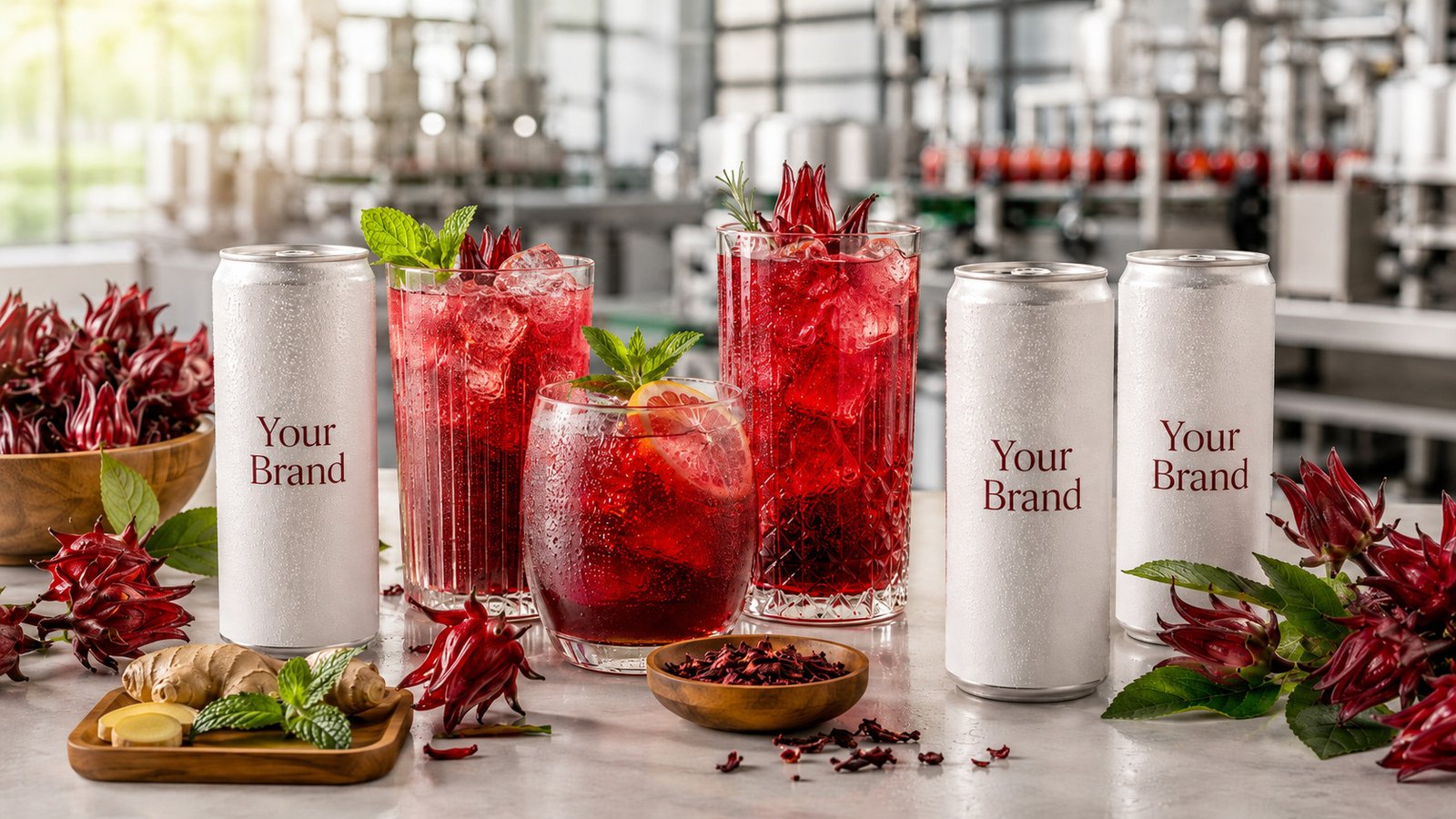
Hibiscus flower tea is an herbal infusion made from the dried calyces of the hibiscus plant, most commonly Hibiscus sabdariffa. After harvesting, the fleshy red calyces surrounding the flower are dried and later steeped in hot or cold water to create a vibrant ruby-red beverage.

Unlike traditional tea varieties such as black tea, green tea, or oolong tea, hibiscus flower tea does not come from the Camellia sinensis plant. It is naturally caffeine-free, which makes it attractive to consumers seeking alternatives to coffee or conventional tea products.

The flavor is often described as tart, fruity, and refreshing. Many people compare it to cranberry, pomegranate, or red berries. Depending on the formulation, manufacturers may blend hibiscus with ingredients such as rosehip, lemongrass, ginger, mint, cinnamon, or tropical fruits.

This flexibility has helped hibiscus flower tea become a popular ingredient across multiple beverage categories.

The long history behind hibiscus tea

Although many consumers view hibiscus tea as a modern wellness beverage, its origins stretch back centuries.

In Egypt and Sudan, hibiscus beverages have been consumed for generations. In Mexico, a drink known as “Agua de Jamaica” is commonly prepared by steeping dried hibiscus flowers and serving the infusion cold. Across parts of West Africa, hibiscus-based drinks remain an important part of local food culture.

What makes this history valuable from a business perspective?

Consumers increasingly appreciate products with authentic cultural backgrounds. A beverage that carries both tradition and modern appeal often has a stronger story to tell on retail shelves.

When brands communicate the heritage behind hibiscus flower tea, they create an emotional connection that goes beyond flavor alone.

Why consumers are choosing hibiscus flower tea

What is hibiscus flower tea and why is it popular worldwide? - 2

Consumer demand for herbal beverages has grown steadily over the past decade. While several factors contribute to this growth, hibiscus flower tea benefits from a unique combination of characteristics.

First, the appearance immediately attracts attention. The deep red color stands out in a crowded beverage market where visual appeal often influences purchasing decisions.

Second, the flavor profile offers something different. Many herbal teas are mild and subtle. Hibiscus delivers a naturally bold taste that can be enjoyed without artificial flavor enhancers.

Third, consumers appreciate caffeine-free options. A growing number of people want beverages they can enjoy throughout the day without concerns about caffeine intake.

I’ve noticed that beverage buyers often look for products that satisfy multiple consumer preferences at once. Hibiscus flower tea checks several boxes simultaneously: natural, colorful, refreshing, versatile, and caffeine-free.

That combination is difficult to ignore.

The role of hibiscus flower tea in the wellness beverage market

Health-conscious consumers continue to drive innovation across the beverage industry.

While responsible brands should avoid making unsupported health claims, many consumers associate hibiscus flower tea with a healthy lifestyle because it contains naturally occurring plant compounds, including anthocyanins and polyphenols.

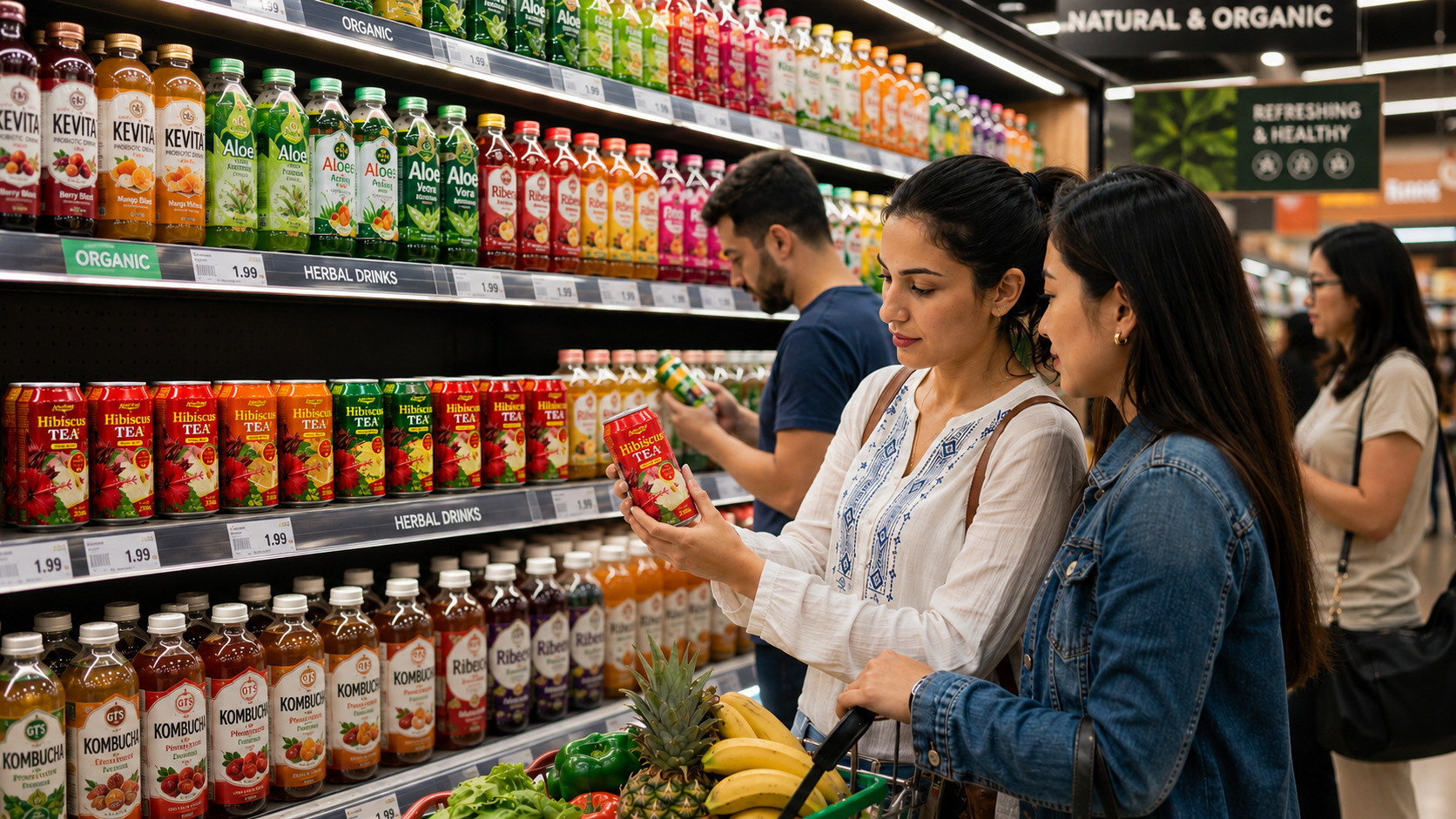
As a result, hibiscus tea is frequently positioned alongside other wellness-focused beverages such as green tea, botanical infusions, kombucha, and functional drinks.

This positioning creates opportunities for product developers.

Rather than competing directly with traditional teas, hibiscus flower tea can occupy its own space within the broader wellness category. For brands looking to diversify their beverage portfolios, this distinction can be valuable.

A versatile ingredient for product innovation

One reason hibiscus flower tea continues to gain popularity is its adaptability.

The ingredient performs well in numerous product formats. Traditional tea bags remain popular, but they represent only part of the market.

Today, manufacturers use hibiscus in:

  • Loose leaf tea blends
  • Herbal tea bags
  • Ready-to-drink beverages
  • Sparkling drinks
  • Functional beverages
  • Powdered drink mixes
  • Fruit tea blends
  • Cold brew tea products
  • Botanical beverage formulations

This versatility allows beverage brands to target different consumer segments without changing the core ingredient.

For example, a premium tea brand may focus on loose leaf hibiscus tea, while a beverage company may develop canned sparkling hibiscus drinks aimed at younger consumers.

The ingredient remains the same, yet the market positioning changes dramatically.

Why hibiscus flower tea works well for private label brands

Private label buyers often search for products that offer differentiation without introducing excessive complexity.

Hibiscus flower tea fits this requirement surprisingly well.

The ingredient already enjoys consumer recognition in many markets. At the same time, it remains less saturated than black tea, green tea, or chamomile tea.

This creates room for product innovation.

Private label brands can develop unique formulations by combining hibiscus with regional flavors, fruits, herbs, or functional ingredients. Packaging can also be tailored to specific customer demographics.

For instance, one retailer may prefer a premium organic tea line, while another may target value-conscious shoppers with larger pack sizes.

Both products can be built around the same hibiscus tea foundation.

The growing global demand for herbal teas

The herbal tea market has expanded significantly as consumers seek natural beverage alternatives.

Several trends support continued demand for hibiscus flower tea:

Consumers are reducing sugar consumption. Many people want flavorful drinks without relying on excessive sweeteners.

Interest in botanical ingredients continues to grow. Ingredients with recognizable origins often resonate more strongly than synthetic alternatives.

The demand for caffeine-free beverages remains strong. This is particularly evident among wellness-focused consumers and those seeking evening beverage options.

International travel and social media have also increased awareness of traditional beverages from different cultures. A consumer in Germany, Canada, or Australia may now be familiar with hibiscus tea despite never encountering it locally a decade ago.

These factors collectively contribute to a favorable environment for hibiscus-based products.

What buyers should look for when sourcing hibiscus flower tea

Not all hibiscus products are equal.

For importers and private label brands, sourcing decisions can directly affect product quality, shelf appeal, and consumer satisfaction.

Color consistency is often one of the first indicators of quality. Premium hibiscus calyces generally retain a rich red appearance after drying.

Aroma matters as well. High-quality hibiscus should exhibit a clean, fruity scent without signs of moisture damage or contamination.

Buyers should also evaluate processing standards, food safety documentation, traceability systems, and export experience.

In practical terms, reliable suppliers should be prepared to provide certificates, product specifications, microbiological testing information, and packaging options suitable for international distribution.

These details may not appear on the retail package, but they often determine long-term success in the market.

Why Vietnam is emerging as a sourcing destination

Vietnam has earned international recognition as a major supplier of agricultural and beverage ingredients.

The country’s manufacturing ecosystem supports a wide range of tea, herbal, and botanical products intended for export markets.

For hibiscus flower tea buyers, Vietnam offers several advantages.

Many manufacturers provide OEM and private label services, allowing customers to develop customized products without investing in their own production facilities.

Export infrastructure is well established, supporting shipments to markets throughout North America, Europe, the Middle East, and Asia.

In addition, buyers can often source multiple beverage ingredients from a single supplier, simplifying procurement and reducing operational complexity.

This is particularly helpful for companies developing broader herbal tea product portfolios.

Opportunities for beverage brands

What is hibiscus flower tea and why is it popular worldwide? - 1

The popularity of hibiscus flower tea extends beyond the tea category itself.

Ready-to-drink beverages continue to grow globally. Functional drinks remain a focus area for innovation. Consumers increasingly seek beverages that combine flavor, convenience, and natural ingredients.

Hibiscus fits naturally into these trends.

A beverage developer might use hibiscus as a standalone hero ingredient. Another brand may incorporate it into fruit blends, sparkling beverages, or wellness-oriented formulations.

The opportunities are not limited to traditional tea products.

In many cases, hibiscus serves as a platform for broader beverage innovation.

The future outlook for hibiscus flower tea

Consumer preferences evolve constantly, yet some trends demonstrate lasting momentum.

The demand for botanical ingredients continues to expand. Interest in natural beverages remains strong. Consumers increasingly expect transparency regarding ingredient sourcing and product composition.

Hibiscus flower tea aligns well with these expectations.

Its visual appeal, distinctive flavor, cultural heritage, and formulation flexibility position it favorably across multiple beverage categories.

For importers, distributors, retailers, and private label brands, this presents an opportunity to participate in a category that combines tradition with modern consumer demand.

Hibiscus flower tea is far more than a colorful herbal beverage. It represents a category that appeals to modern consumers seeking natural, flavorful, and caffeine-free drink options.

Its centuries-old history provides authenticity. Its vibrant appearance attracts attention. Its tart, refreshing taste creates differentiation in a crowded beverage market.

For B2B buyers, the appeal goes even further. Hibiscus flower tea offers flexibility across product formats, supports private label development, and aligns with several long-term consumer trends.

As global demand for botanical and herbal beverages continues to grow, hibiscus flower tea remains a compelling option for brands looking to expand their product portfolios and create products that stand out on store shelves.


Share this article: