


 Français
 Español
 العربية
 한국어
한국어Beverage trends in Australia are the evolving consumer preferences, flavour directions, formats and purchase behaviours that shape the drinks market across retail and foodservice. These shifts affect what sells, how products are formulated, which claims are credible, and what packaging signals resonate with shoppers.
This guide distils the most relevant drink trends Australia is seeing now and heading into 2026, and translates them into practical actions for brand owners, importers and product developers. Because Australia is geographically vast and demographically diverse, outcomes can vary by state, channel and price tier; use these insights as a compass, then validate with local testing.
What is shaping beverage trends in Australia in 2026?
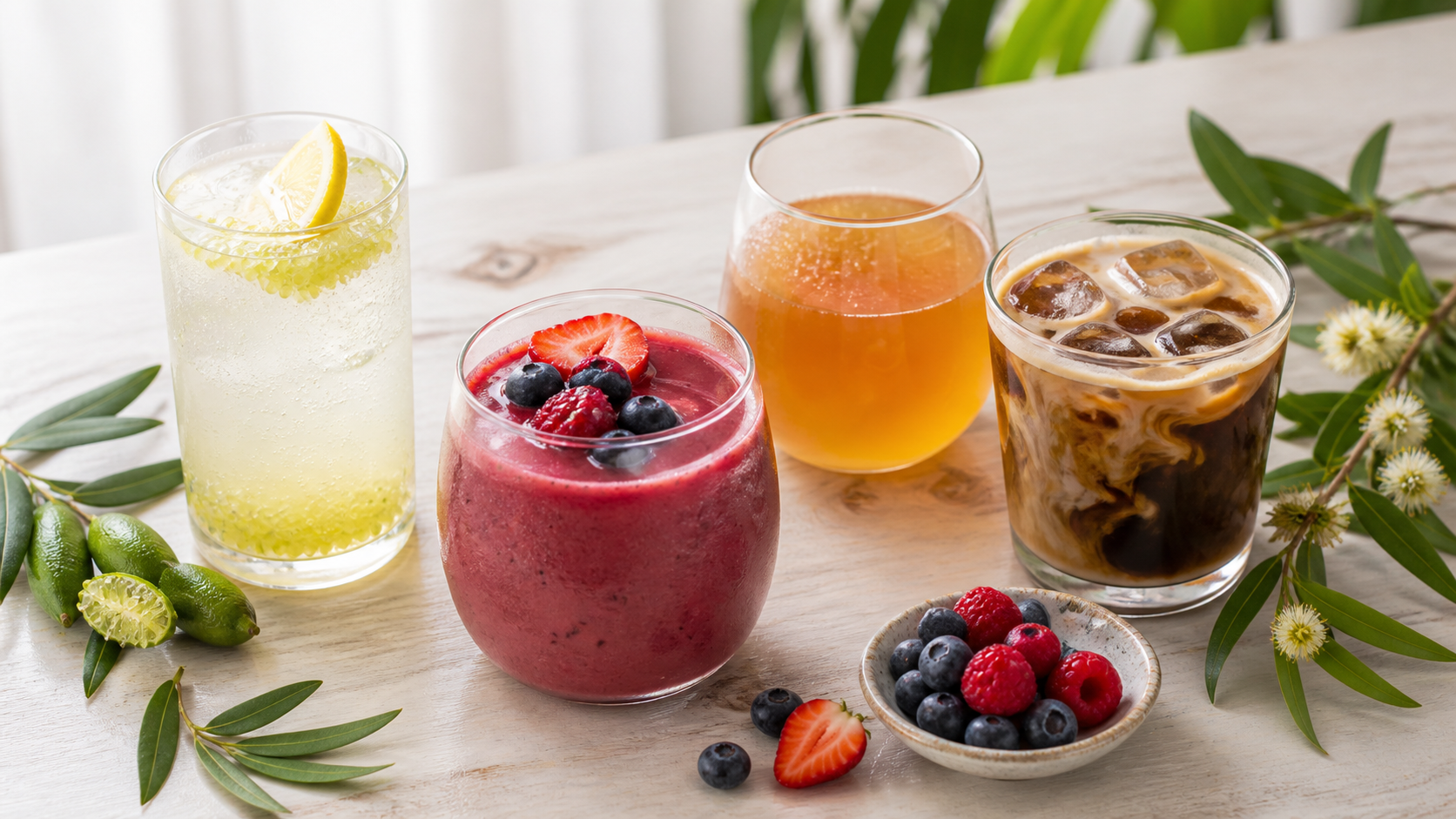
Australia’s beverage trends are driven by taste-first sugar reduction, function without complexity, premium yet convenient formats, the rise of no/low-alcohol choices, sustainability cues that feel honest, value-conscious trading (including private label), and flavour inspiration from both local botanicals and Asia-Pacific influences.
Key forces at a glance:
- Taste-first wellness: Consumers want lighter, less-sweet drinks that still deliver satisfying flavour and mouthfeel.
- Functional simplicity: Hydration, energy, focus and gut-friendly cues are popular when they are easy to understand and not over-claimed.
- No/low alcohol momentum: Adult non-alc options and premium mixers set a more culinary flavour bar for soft drinks.
- Convenience and premium RTD: Café-quality in cans/bottles, from cold brew coffee to sparkling tea and mocktails.
- Sustainability signals: Recyclability, lighter packaging and straightforward labels matter alongside price and taste.
- Value & private label: Affordable quality grows, with retailers expanding own brands into credible, trend-led lines.
- Local & APAC flavours: Native botanicals (lemon myrtle, finger lime) and regional favourites (yuzu, lychee, mango) keep gaining space.
Which health and wellness themes are gaining traction?
Health-oriented choices centre on less sugar, fewer artificial-sounding ingredients, and recognisable functions such as hydration, energy or digestive-friendly cues. Shoppers still prioritise taste, and claims must align with regulations and tested nutrient levels on the finished product.
Low and no sugar that still tastes great
- Zero-sugar and reduced-sugar baselines: Many categories reposition around low-Brix refreshment, often with natural flavours and acids to maintain brightness.
- Sweetness quality over intensity: Layering fruit flavours, gentle acidulants and controlled high-intensity sweeteners helps avoid a thin or bitter finish.
- Portion strategy: Slim cans and smaller serves support moderation while keeping a premium feel.
Natural positioning and shorter labels
- Recognisable ingredients: Fruit, tea, coffee, botanicals and mineral salts read well when listed clearly.
- Colour and flavour choices: From juices to sparkling waters, fruit-derived colours and familiar flavours support a “cleaner” perception.
- Processing transparency: Cold brew, gentle pasteurisation or microfiltration can be framed as process choices, not medical claims.
Gut-friendly and fermentation interest
- Kombucha and fermented cues: Lightly tart, effervescent profiles remain popular in better-for-you fridges.
- Prebiotic sodas and fibre-fortified water: Interest continues where taste and texture remain crisp; formulation should avoid grainy or heavy mouthfeel.
- Claims discipline: Any reference to probiotics, prebiotics or fibre must reflect the actual ingredient, dosage per serve and local labelling rules.
Hydration, energy and focus
- Electrolyte beverages: Everyday hydration formats lean on balanced mineral profiles and light fruit notes.
- Energy with a “natural” angle: Coffee, tea and yerba mate provide caffeine with flavour credibility; sweetness stays restrained.
- Focus/clarity: Some products pair caffeine sources with well-known amino acids or botanicals; ensure a pleasant, not medicinal, taste.
What flavours resonate in Australia right now?
Flavours win when they feel bright, modern and sessionable. Australia embraces both local-native notes and Asia-Pacific inspirations, often pairing familiar fruits with a culinary twist or botanical accent.
- Native & locally inspired: Lemon myrtle, finger lime, Davidson plum and riberry add fragrance, citrus pop or gentle tartness.
- Asia-Pacific tropicals: Yuzu, lychee, calamansi, mango, passionfruit and guava bring bold aroma and layered sweetness.
- Citrus and zesty blends: Blood orange, grapefruit, lime-mint, and yuzu-lime deliver refreshment at lower sugar levels.
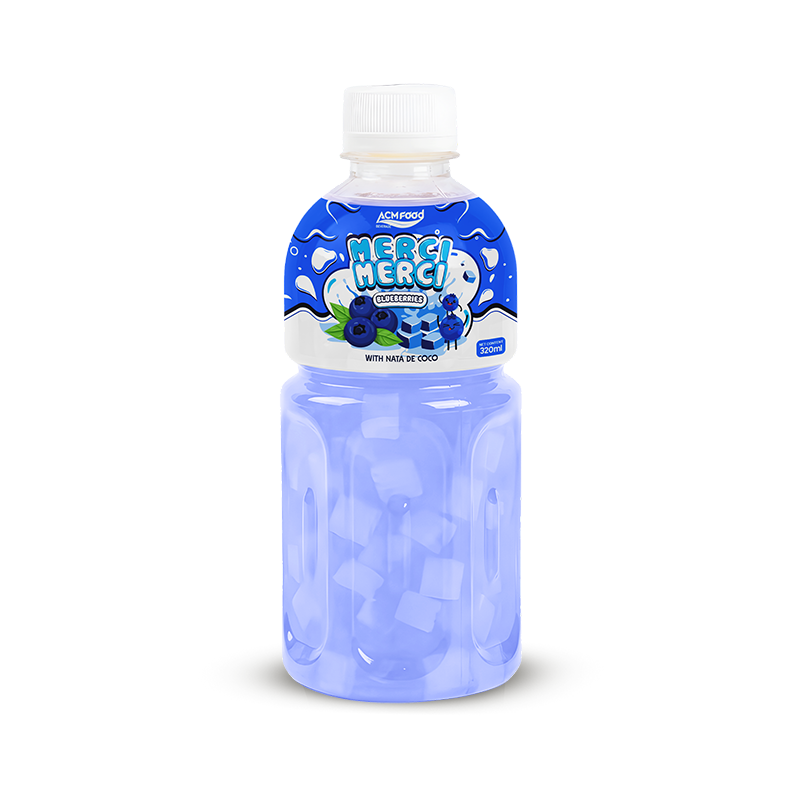
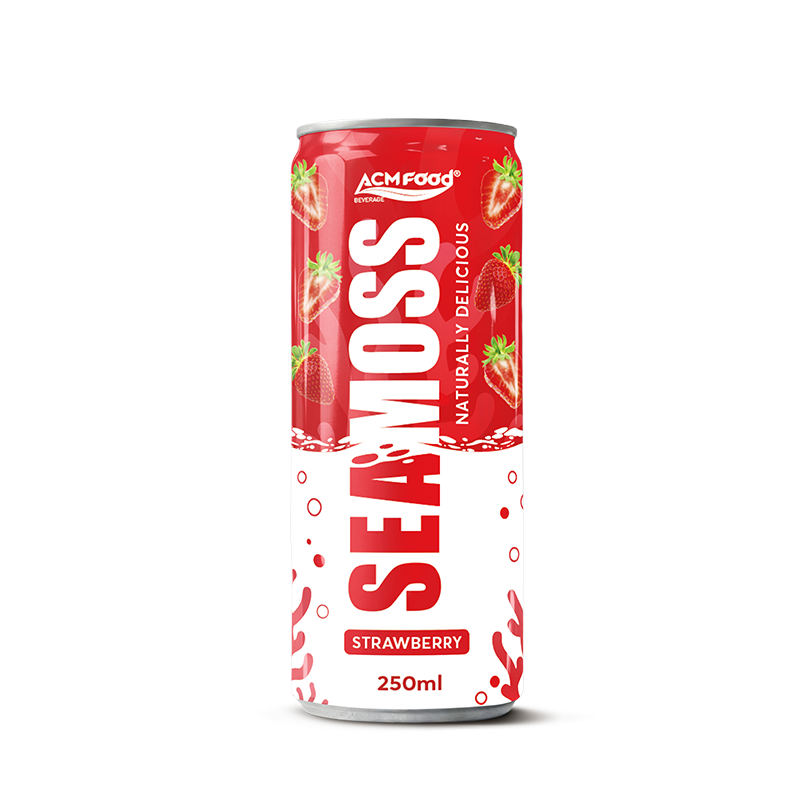
- Berry-forward: Strawberry, raspberry and blueberry remain crowd-pleasers; a hint of herb or spice keeps them contemporary.
- Ginger and spice: Ginger, turmeric and chilli-mango offer heat and complexity in both mixers and functional sodas.
- Café classics: Vanilla, caramel and chocolate lean into RTD coffee/tea indulgence with moderated sweetness.
How are categories evolving across retail and foodservice?
Momentum concentrates in RTD coffee/tea, functional waters and adult soft drinks, while juices reframe usage and sugar. No/low-alcohol cross-pollinates flavour benchmarks for mainstream soft drinks and mixers.
- RTD coffee and tea: Cold brew, nitro styles, milk coffee, matcha and sparkling tea bridge indulgence and refreshment.
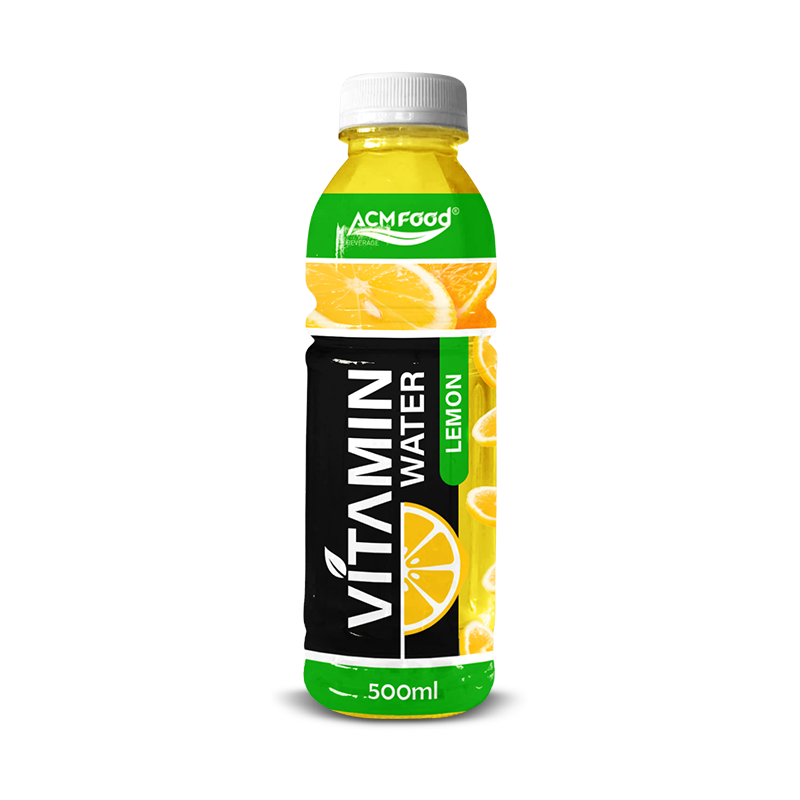
- Functional water and electrolyte drinks: Lightly flavoured, mineral-balanced hydration with restrained sweetness plays well in multipacks.
- Energy, naturally positioned: Coffee- or tea-based energy and “cleaner” energy sodas grow as alternatives to classic formats.
- Kombucha & fermented: More sessionable profiles (approachable acidity, balanced fizz) broaden appeal.
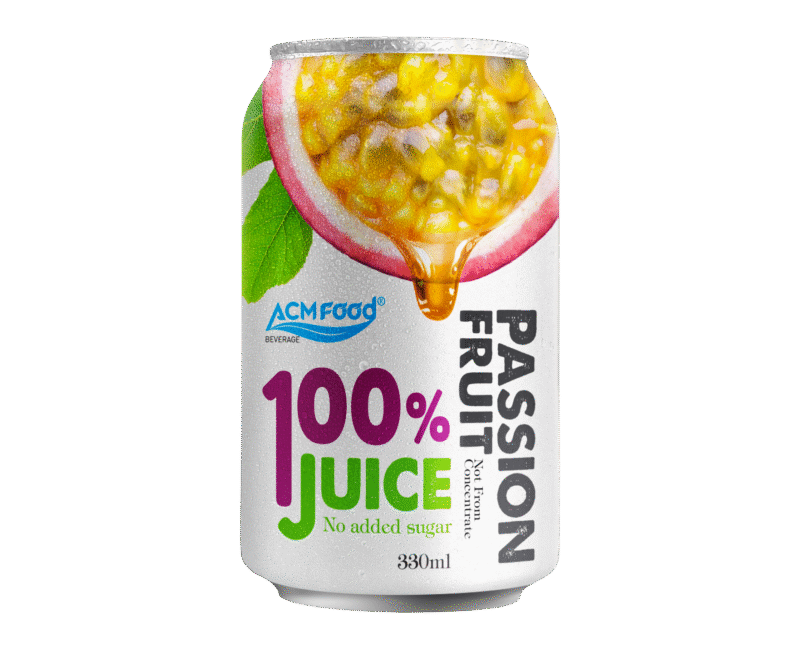
- Juice and nectar: 100% juice focuses on breakfast or culinary/premium; juice drinks pivot to refreshment, botanicals and lower sugar.
- Plant-based milks and blends: Oat, almond and coconut blends support coffee compatibility and dessert-inspired flavours.
- Adult soft drinks & premium mixers: Elevated citrus, ginger, herbs and spice serve no/low-alc occasions and at-home cocktails.
- Non-alc RTD cocktails: Classic profiles (spritz, mojito, G&T-style) with layered botanicals, bright acids and fine bubbles.
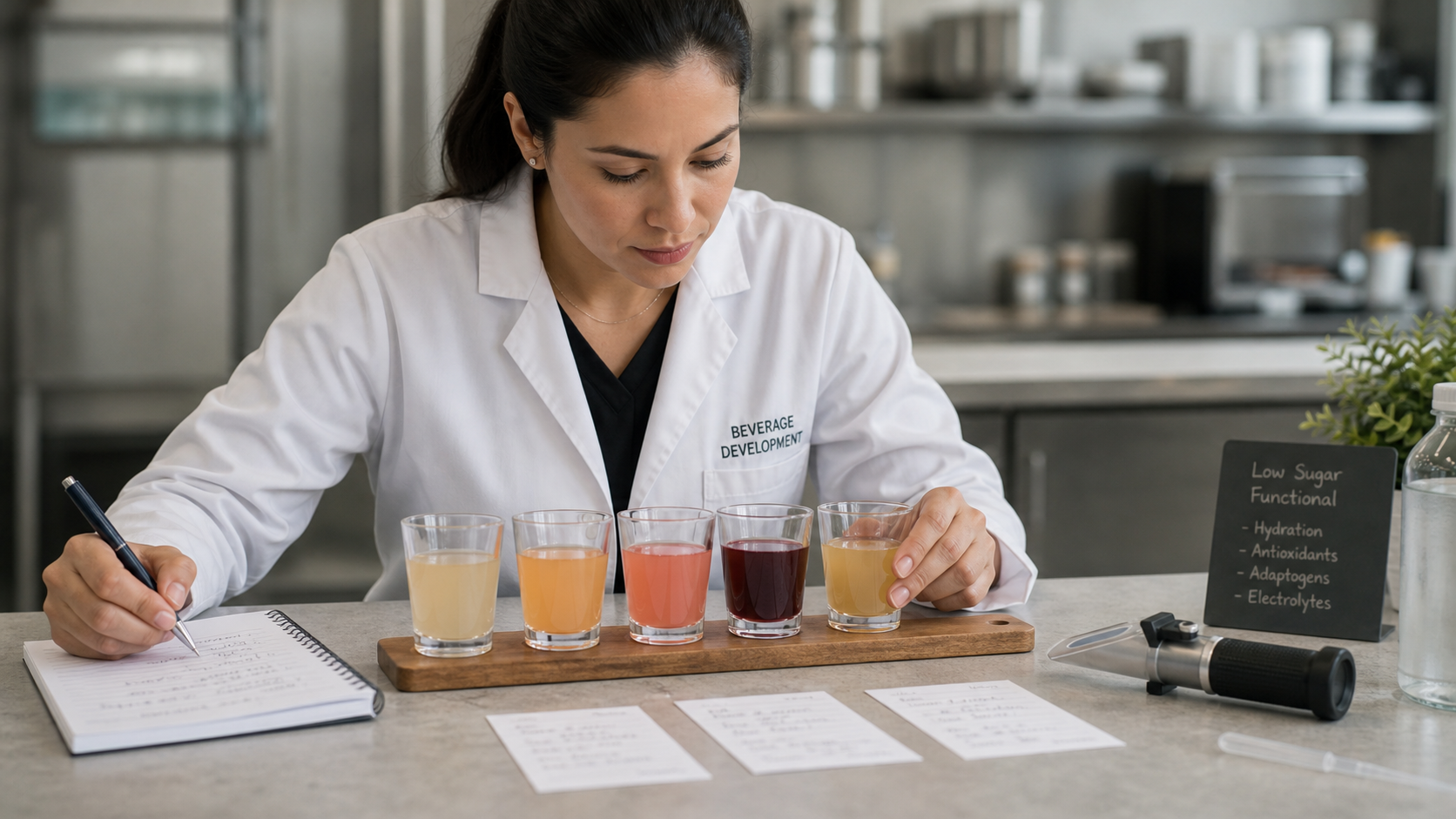
How should brands balance taste, sugar and function?
Lead with flavour and mouthfeel, then use sugar reduction and functions to enhance the experience—not to overwhelm it. Build sweetness in layers, pair acids for lift, and select functional ingredients that integrate seamlessly into the chosen flavour system and processing method.
- Sweetness architecture: Combine fruit notes, controlled acids (citric, malic), and a calibrated blend of caloric and high-intensity sweeteners where permitted to avoid a thin finish.
- Acid and aroma pairing: Zesty citrus, aromatic herbs and gentle spice let you run lower Brix while keeping flavour vivid.
- Mouthfeel tools: Juice content, fibre, pectin or carefully chosen texturisers can support body; avoid heaviness in light refreshment.
- Functional fit: Choose electrolytes, caffeine sources, botanicals or fibres that suit the base profile and survive intended processing.
- Thermal strategy: Pasteurisation choices affect aroma, colour and stability; validate shelf-life and sensory in real conditions.
- Claims and compliance: Any front-of-pack claim depends on the finished formula, serving size, verified levels and the rules of the destination market.
Positioning 100% juice vs nectar vs juice drink
For healthy drinks Australia shoppers consider credible, clarity of category matters. The matrix below outlines typical non-numeric differences to guide product briefs and labels (details vary by brand and market rules):
| Format | What it usually means | Formulation levers | Positioning & notes |
|---|---|---|---|
| 100% juice | All juice from fruit/veg without added sugars or sweeteners | Blend varieties, control acidity, manage colour/clarity, gentle processing | Premium, breakfast, culinary mixing; sweetness from fruit only |
| Nectar | Juice/puree base with added water; often thicker fruit styles | Pulp/pectin for body, balanced acids, optional flavours | Fruit-forward, family-friendly; clarity on fruit content supports trust |
| Juice drink / flavoured beverage | Lower juice content or flavours, designed for crisp refreshment | Natural flavours, acids, sweetener systems, electrolytes/botanicals | Everyday refreshment; room for low/zero sugar and functional cues |
For development workflow and sourcing options, see beverage manufacturing for Australian brands or explore OEM beverage manufacturing for Australian buyers.
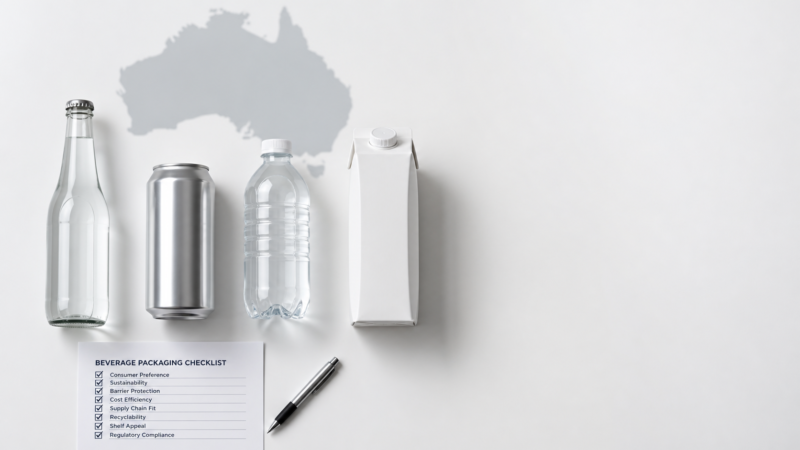
Packaging and sustainability signals in Australia
Sustainability cues support, but seldom replace, core drivers of taste and value. Focus on honest improvements that consumers recognise at shelf and in hand.
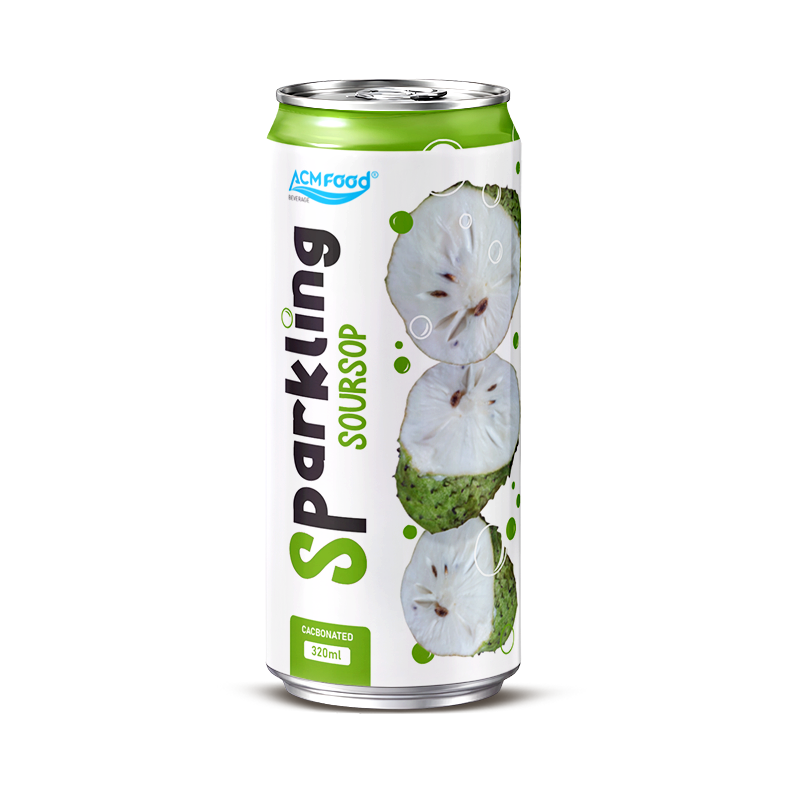
- Aluminium momentum: Sleek cans suit sparkling water, energy, mocktails and coffee; good chill, stackability and recyclability perception.
- RPET and lightweighting: Clear communication about recycled content and lighter formats can add credibility.
- Closure and convenience: Easy-open cans, reliable reseal on PET and tidy straws/caps for on-the-go channels.
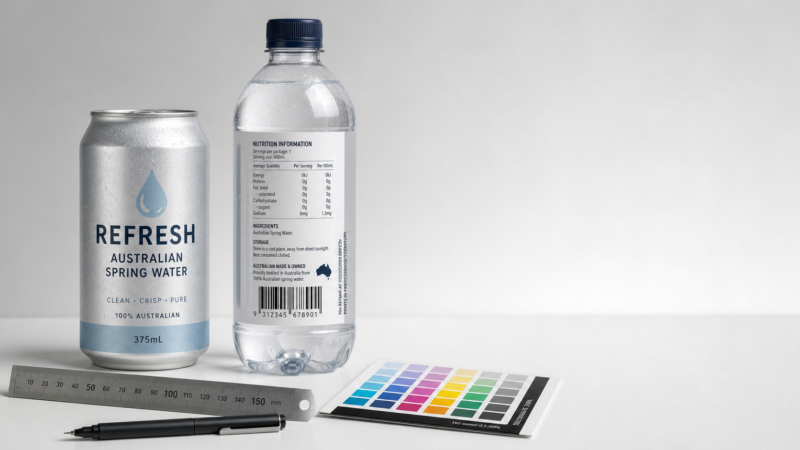
- Label transparency: Legible ingredient lists and nutrition panels, uncluttered front-of-pack and meaningful icons resonate.
- Shipper and e‑commerce readiness: Robust primary and secondary packaging reduces damage for direct-to-consumer and marketplace sales.
Where do private label beverage trends point?
Private label beverage trends in Australia move beyond “value only” toward value-plus design: credible flavours, cleaner labels and fast-follow innovation at accessible prices. Expect more retailer-exclusive flavours, seasonal rotations and cross-category bundles (e.g., hydration multipacks, mocktail kits).
- Trend-led lineups: Electrolyte waters, zero-sugar sodas, premium mixers and RTD coffees see accelerated retailer uptake.
- Speed to shelf: Shorter innovation cycles favour proven bases with flavour/format twists rather than complex new tech.
- Clear architecture: Good-better-best tiers within private label help shoppers trade up without leaving the aisle.
- Data-driven flavours: Retailers often extend hero flavours across segments to maximise familiar taste recognition.
For roadmap examples and execution considerations, review private label beverages for Australian brands.
Ingredient watchlist for 2026
Australia’s flavour and function palette blends freshness with recognisable benefits. When assessing any ingredient, pilot for stability, sensory and label clarity.
- Electrolyte systems: Balanced sodium, potassium and magnesium levels in light fruit profiles for everyday hydration.
- Tea and coffee: Cold brew arabica, cascara accents, matcha and hojicha for nuanced RTD expressions.
- Botanicals and spices: Lemon myrtle, finger lime, ginger, turmeric and peppery herbs for culinary lift.
- Prebiotic fibres: Carefully dosed to support crisp mouthfeel in sodas and waters.
- Collagen peptides or proteins: Used where flavour systems can mask any residual notes; confirm label pathways.
- Fruit heroes: Yuzu, watermelon, strawberry, passionfruit and guava in sparkling and still formats. See strawberry juice OEM insights for flavour and format angles.
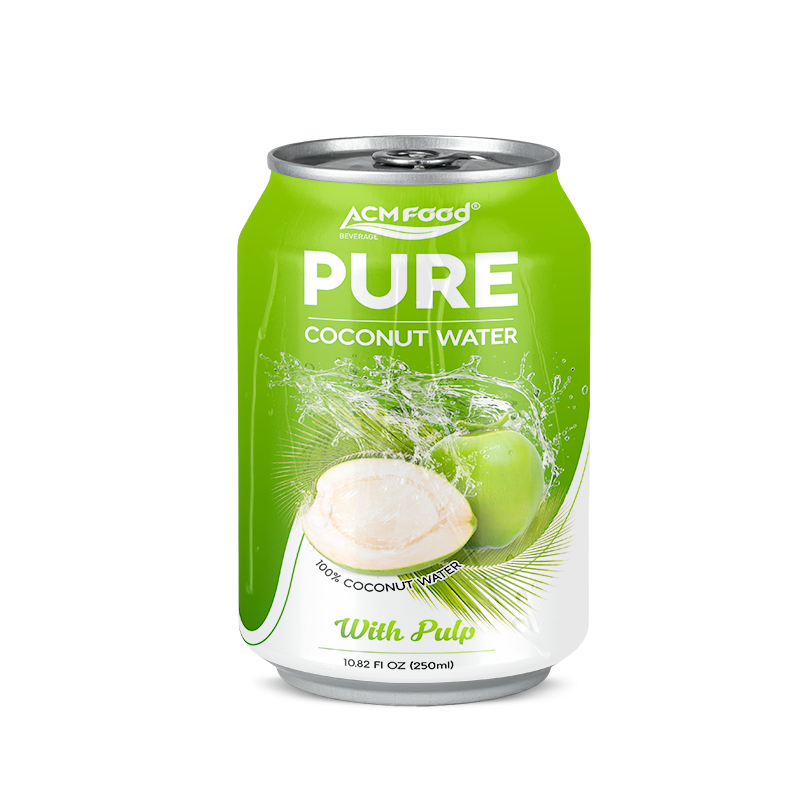
- Coconut water: Pure or blended bases for hydration and tropical profiles; formats with texture can add premium cues. Explore how coconut water with pulp value can elevate differentiation.
- Acids and salts: Yuzu, grapefruit and lime pair well with mineral systems for “fresh, not flat” refreshment.
Route-to-market notes for importers and distributors
Choose product formats that fit the logistics and compliance realities of the Australian market. Ambient-stable SKUs simplify national distribution; chilled can work when velocity and cold-chain coverage justify it.
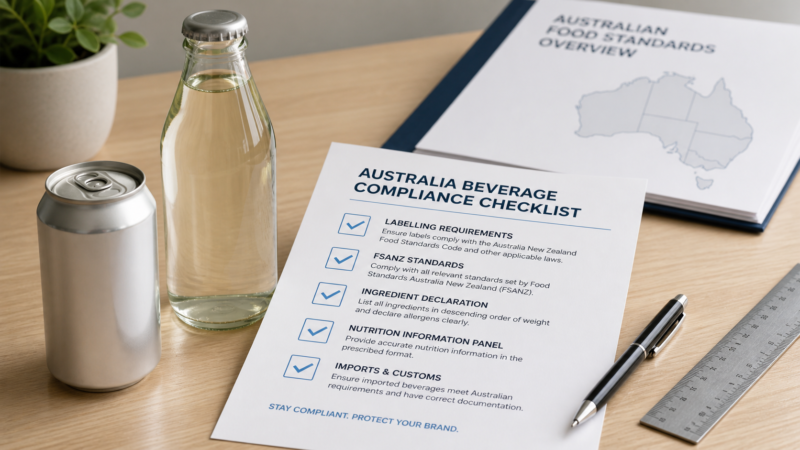
- Compliance and labels: Claims, ingredient names, allergen statements and serving sizes must align with local rules and verified analysis of the finished product.
- Shelf-life and pack sizes: Validate time/temperature performance and pick formats that match retail turnover by state and channel.
- Price architecture: Plan good-better-best ladders to manage cost volatility and shopper trade-up opportunities.
- Taste testing: Run sensory tests in representative metros and regions; palate preferences can shift by climate and occasion.
If you coordinate multiple categories or channels, see the overview on working with a beverage supplier for Australian importers.
Risks and limitations to consider
Trend-forward beverages succeed when they respect sensory, regulatory and execution realities. Avoid overextending on claims or complexity that the consumer cannot taste or understand.
- Claims discipline: Keep language descriptive of ingredients (e.g., “contains electrolytes”) rather than making therapeutic claims. Ensure claims match verified levels per serve.
- Sugar vs palatability: Ultra-low sweetness can read flat; pair acids, aroma and mouthfeel to preserve satisfaction.
- Supply variability: Botanicals, spices and certain fruit concentrates can face seasonal or FX-driven volatility; build alternates.
- Processing impact: Heat and filtration change colour and aroma; prototype under intended conditions.
- Channel fit: A flavour perfect for a premium bar mixer may not translate to family multipacks and vice versa.
FAQ: beverage trends Australia
What are the top beverage trends Australia is seeing now?
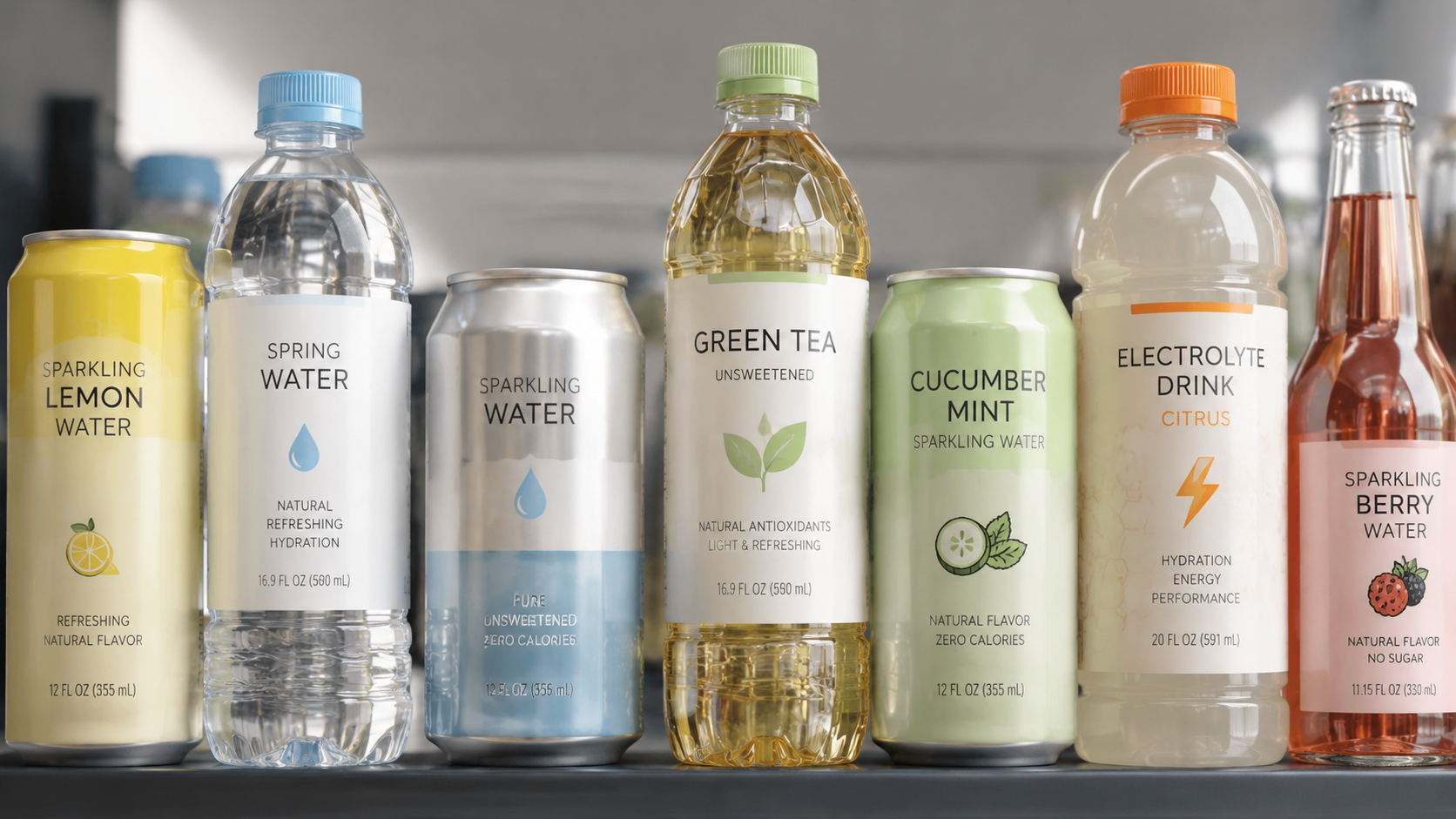
Taste-first sugar reduction, functional simplicity (hydration, energy, gut-friendly cues), premium RTD coffee/tea, adult soft drinks and mixers, Asia-Pacific and native flavours, and private label value-plus lines.
Which flavours work best for “healthy drinks Australia” shoppers?
Bright citrus (yuzu, lime, blood orange), berry blends, ginger-spiced profiles, and native botanicals like lemon myrtle or finger lime that read fresh at lower sweetness.
What defines functional beverage trends Australia right now?
Clear, believable functions such as everyday hydration with electrolytes, coffee/tea-based energy, approachable kombucha, and prebiotic sodas where taste remains crisp.
How are private label beverage trends changing?
Retailers are moving from plain value into trend-led lines: zero-sugar sodas, electrolyte waters, premium mixers and RTD coffees with clean, modern labels.
Which categories offer near-term innovation headroom?
Sparkling flavoured water with minerals, RTD tea with culinary twists, coffee-forward energy, adult soft drinks and non-alc cocktail profiles.
Conclusion: putting the trends to work
Across beverage trends Australia, the winning combination is bright flavour, moderated sweetness and functions consumers can taste and understand. Keep labels clear, formulations stable and packaging honest. Build portfolios where premium RTD, adult soft drinks and hydration formats complement core SKUs. For execution pathways, see beverage manufacturing for Australian brands, explore OEM beverage manufacturing for Australian buyers, and evaluate private label beverages for Australian brands. Validate every claim and sensory promise in the final product, and use state-by-state testing to fine-tune a national launch.
Manufacturing for Australian brands
If you are sourcing for the Australian market, start with OEM beverage manufacturing for how contract production is structured, certifications and food safety systems for the evidence importers and retailers require, and export and logistics for shipping terms and documentation. To price a programme, request a quote.
Request a quoteWhere to go next
Planning an Australian launch? The Australia beverage market page covers the full OEM and private label programme for Australian brands and importers: MOQ 500 cartons per SKU, 15-30 day production, HACCP / ISO 22000 / FSSC 22000, and shipping from Ho Chi Minh City. Request a quote and we reply within 24 hours.