


 Français
 Español
 العربية
 한국어
한국어Shipping beverages from Vietnam to the United States means moving food-grade goods through an international supply chain while meeting U.S. FDA, CBP and commercial logistics requirements. Success depends on product-specific compliance, the right Incoterms and routing, robust packaging, and disciplined documentation and quality control.
This guide walks importers, brand owners and procurement teams through the essentials of shipping beverages from Vietnam to USA: regulatory pathways, freight modes, containerization, temperature and shelf-life considerations, documents, customs/FDA entry, cost drivers, and practical checklists. It focuses on non-alcoholic packaged beverages and Ready-to-Drink (RTD) categories commonly sourced in Vietnam, with notes on when specialized rules may apply.
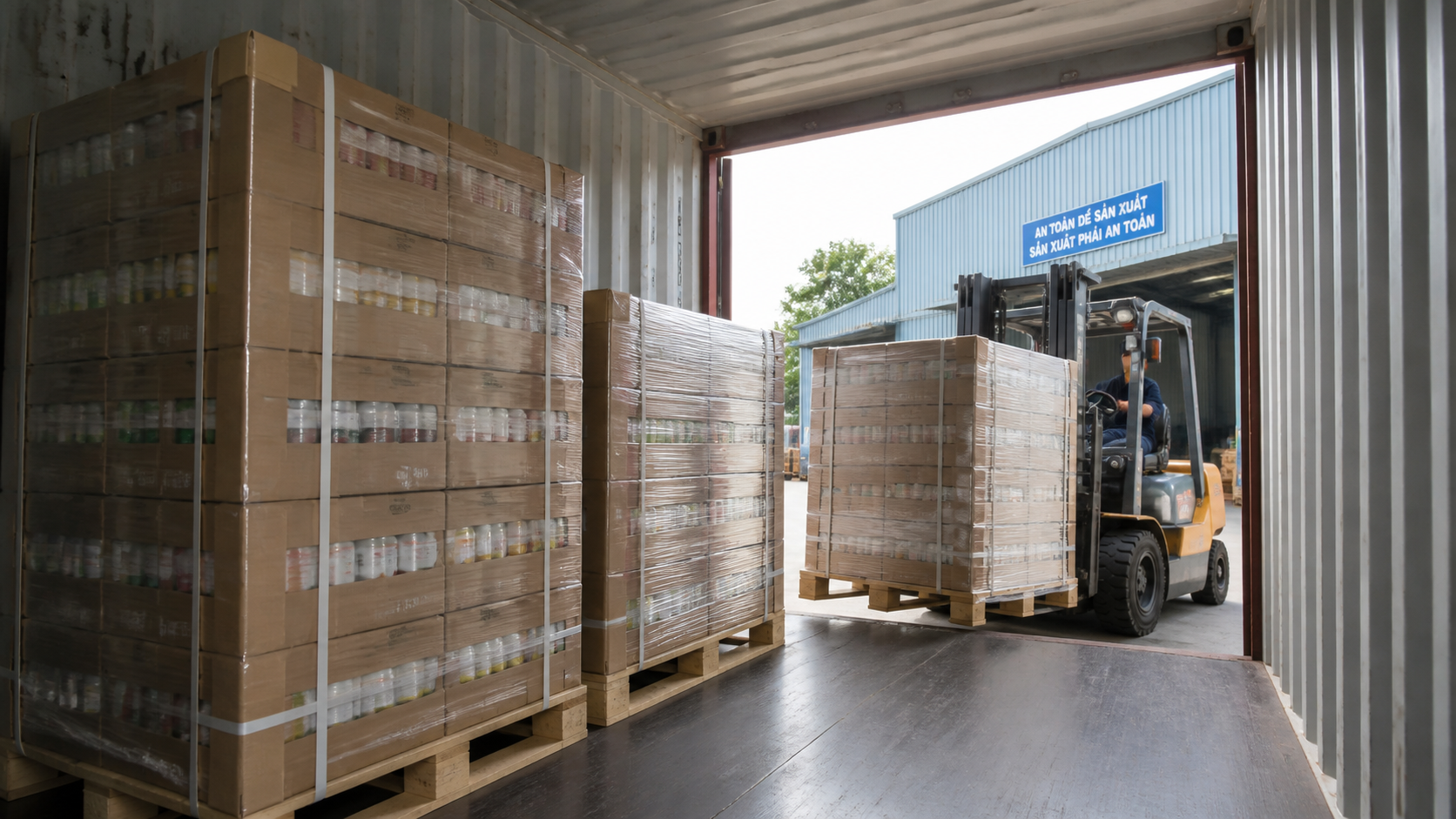
What does shipping beverages from Vietnam to the USA involve?
At a high level, you will confirm U.S. product compliance, align Incoterms and freight mode, prepare stable packaging for ocean or air transit, secure food-grade documentation, and coordinate customs/FDA entry, delivery and quality release in the United States. Each step must reflect your specific beverage type, process and labeling claims.
For beverage categories like coconut water, juices, RTD tea/coffee and functional drinks, the pathway typically includes FDA facility registration, U.S.-based FSVP importer responsibilities, Prior Notice filing, and product-specific programs such as Juice HACCP or, when applicable, low-acid canned foods or acidified foods filings. Strong collaboration among the brand, manufacturer, freight forwarder and customs broker keeps timelines predictable.
Which beverage products are commonly shipped from Vietnam?
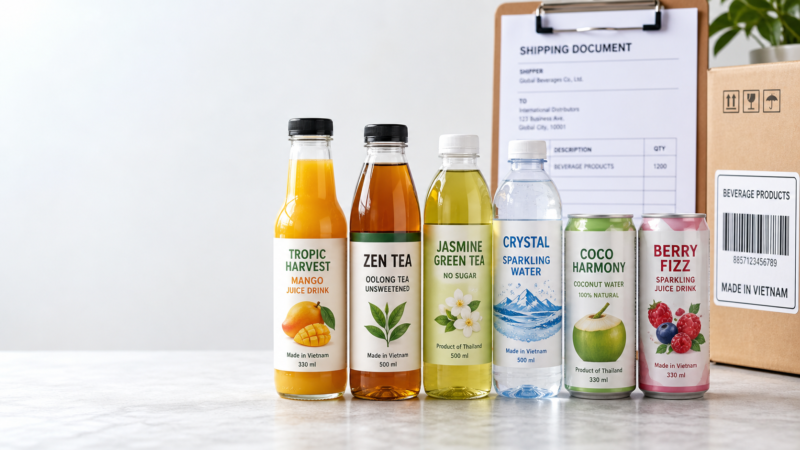
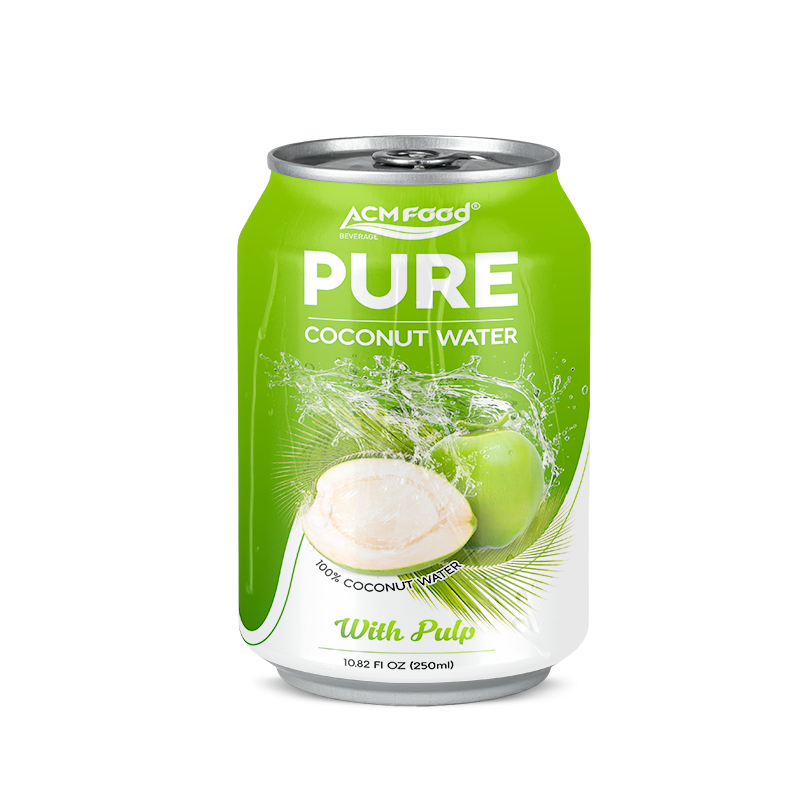
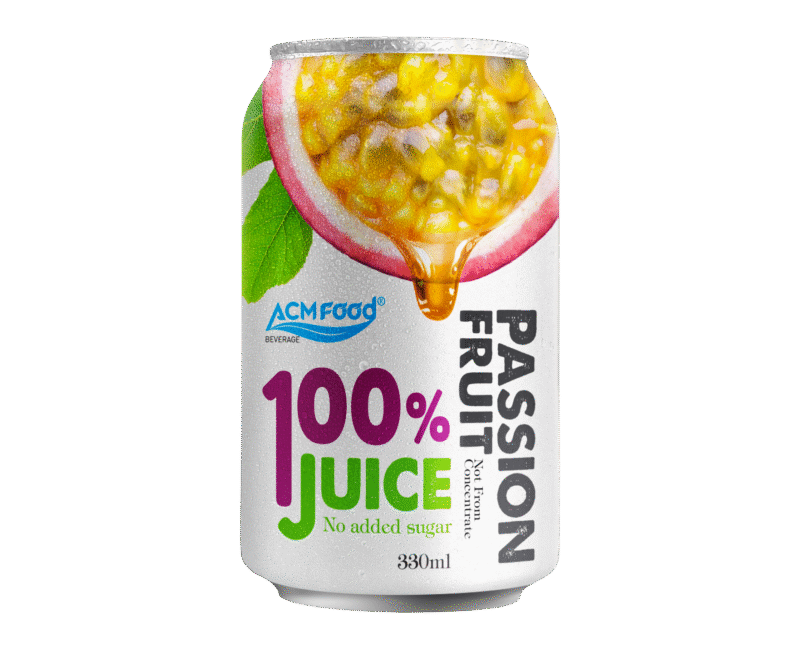
Vietnam supplies a wide range of shelf-stable and chilled beverages. Common non-alcoholic examples include coconut water, fruit juices and nectar-style drinks, RTD tea and coffee, herbal or botanical drinks, energy and isotonic beverages, flavored waters, and plant-based alternatives. Alcoholic beverages and dietary supplements follow additional or different rules and should be planned with specialized counsel.
If you are building a coconut water line or a portfolio anchored in tropical fruit, see market context and sourcing insights in Vietnam Beverage Market 2026: Sourcing the Best Coconut Water from Vietnam.
What U.S. compliance applies to imported beverages?
Most beverages entering the U.S. fall under FDA oversight and require a compliant importer framework. In general, the manufacturer should follow current Good Manufacturing Practice, while the U.S. buyer or their designated party serves as the FSVP importer and ensures the supplier and product meet applicable safety standards. Labeling, process controls and filings vary by beverage type and processing method.
- FDA Facility Registration: Food facilities that manufacture, process, pack or hold food for U.S. consumption generally must register with FDA and keep information current.
- FSVP (Foreign Supplier Verification Programs): A U.S.-based FSVP importer verifies that foreign suppliers meet U.S. safety standards. This is separate from the customs Importer of Record role, though one entity can hold both roles.
- Prior Notice: Prior Notice is typically required before food arrives in the U.S. The filer is often a broker or the importer.
- Juice HACCP (21 CFR Part 120): If the product is juice as defined by FDA, Juice HACCP requirements may apply, in addition to general CGMP and preventive controls.
- Low-Acid Canned Foods (LACF, 21 CFR Part 113) & Acidified Foods (21 CFR Part 114): Shelf-stable products in hermetically sealed containers may fall under these programs depending on pH and formulation. In such cases, filing for a Food Canning Establishment (FCE) and process filings (SIDs) is often required. Work with a process authority to confirm applicability.
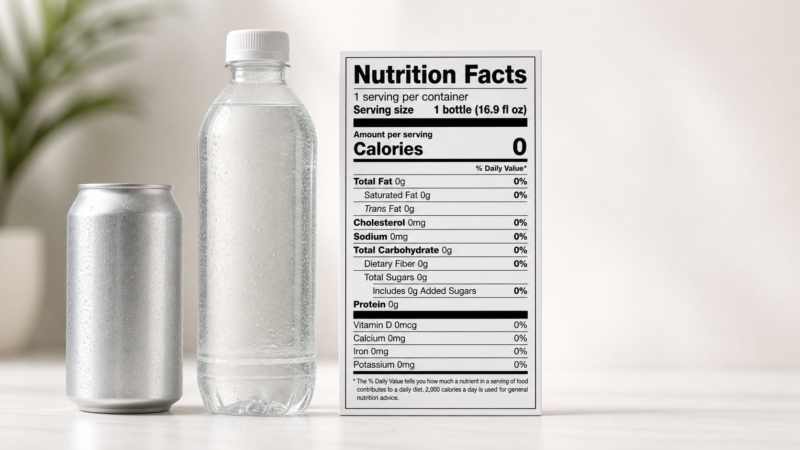
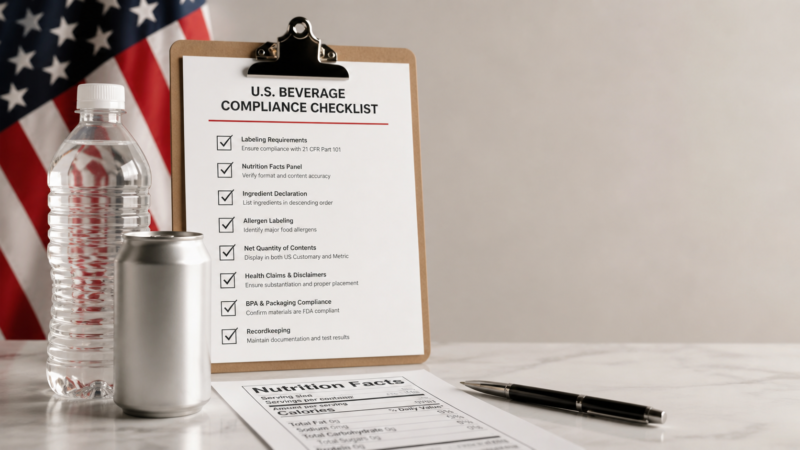
- Labeling (21 CFR Part 101): Nutrition Facts, ingredient statements, formatting and claims must meet U.S. rules. Organic, non-GMO, kosher/halal, or other certifications require proper documentation and market-appropriate use.
- Alcoholic beverages: If applicable, Alcohol & Tobacco Tax and Trade Bureau (TTB) regulations apply; this guide focuses on non-alcoholic goods.
- Dietary supplements: Drinks marketed as supplements follow dietary supplement labeling rules; seek specialized guidance.
The matrix below offers a high-level orientation. Final applicability depends on formulation, process, pH, and packaging. Verify with your regulatory team, process authority, manufacturer and broker.
| Product type | Key U.S. program(s) that may apply | Positioning & notes |
|---|---|---|
| 100% juice or juice-based drinks | Juice HACCP; CGMP/Preventive Controls; labeling | Confirm if product meets FDA definition of juice; align Nutrition Facts format and claims policy. |
| Coconut water (shelf-stable) | LACF or Acidified Foods may apply depending on pH; FCE/SID where applicable; labeling | Work with a process authority to classify and validate the thermal/aseptic process and filings. |
| RTD coffee/tea (shelf-stable) | Possible LACF/AF depending on pH & package; CGMP; labeling | Assess pH, thermal process and hermetic seal; manage flavor and sweetener claims carefully. |
| Functional beverages | CGMP/Preventive Controls; labeling; specific claim substantiation | Structure/function-style marketing should reflect verified formulation and market rules. |
| Alcoholic beverages | TTB (if applicable); labeling | Outside this guide’s scope; plan with a TTB-experienced partner. |
| Dietary supplement drinks | Dietary supplement labeling; CGMP | Confirm category, labeling framework and substantiation with specialists. |
How should you plan Incoterms, route and mode?
Choose Incoterms that match your control, risk appetite and in-house logistics capability. For containerized beverages, ocean freight is usually the primary mode for cost efficiency, with air freight reserved for urgent launches, samples or high-value, low-volume SKUs.
- Incoterms selection: Many buyers prefer FOB (control from origin port onward) or CFR/CIF (seller books ocean leg). For door delivery, DAP/DDP centralizes responsibility with the seller; ensure clarity on customs bonds, duties/taxes and FDA filings if DDP is proposed.
- Routing: Main Vietnamese load ports include the south and north gateways. U.S. arrivals can be West Coast, Gulf or East Coast, depending on distribution and transit priorities.
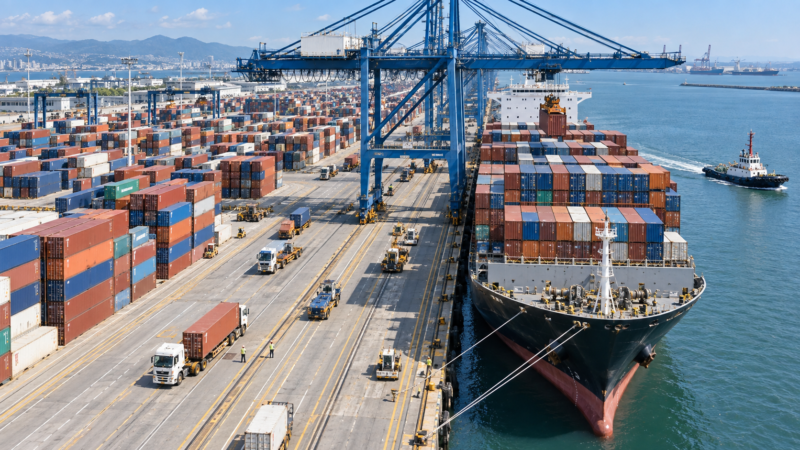
- Mode: Full-container-load (FCL) suits steady volumes; Less-than-container-load (LCL) can work for early-stage volumes but requires careful packing. Air freight is an option for short shelf-life SKUs or launch-critical replenishment.
The table below summarizes common choices:
| Mode | Best for | Key advantages | Key trade-offs |
|---|---|---|---|
| FCL Ocean | Steady volumes, stable forecasts | Lower landed cost per unit; consistent handling; easier temperature control with reefers | Longer lead time; port congestion risk; container and chassis availability swings |
| LCL Ocean | Startup or pilot volumes | No need to fill a container; flexible frequency | More handling touchpoints; potential for longer dwell; packing must protect against co-load risks |
| Air Freight | Urgent or sensitive SKUs | Fastest transit; reduced exposure to heat and humidity windows | High freight cost; dimensional weight penalties; airport handling variability |
Packaging and containerization for beverage freight
Packaging must withstand stacking, humidity, temperature swings and vibration. Build a packaging spec and transit test plan aligned with your product, lane and mode. If you use aluminum cans, you may also explore sustainability and marketing benefits discussed in aluminum cans in the beverage industry.
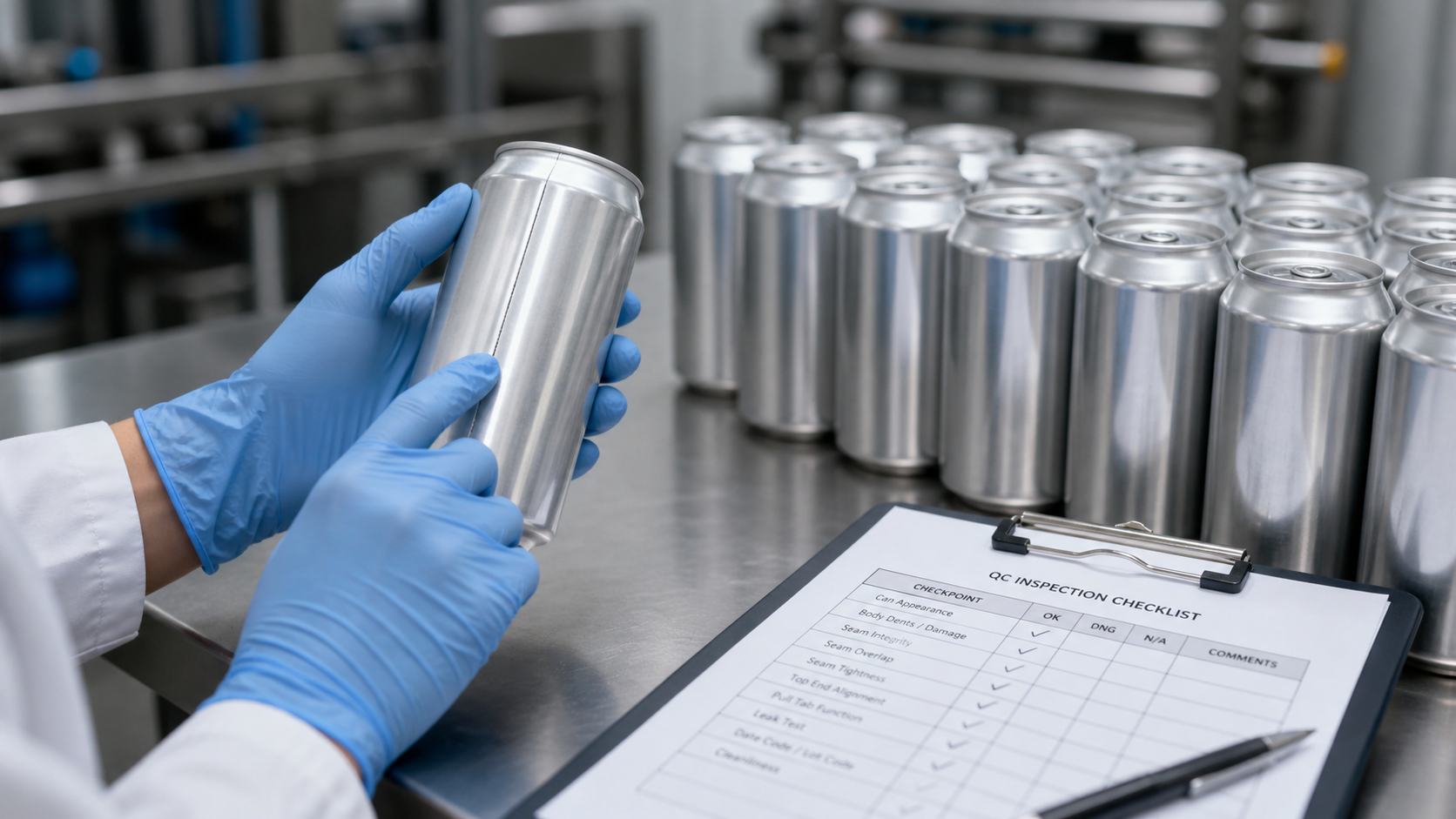
- Primary packaging: Select can or bottle formats rated for expected pressure, headspace and pasteurization/aseptic process. Verify closure torque/seam integrity and liner compatibility with acids, flavors and sweeteners.
- Secondary packaging: Use moisture-resistant cartons with adequate edge crush and puncture resistance. Confirm carton geometry for optimal pallet fill and container cube.
- Palletization: Align pack pattern to U.S.-standard pallets and retailer requirements. Use corner boards, interlayers and high-quality stretch wrap. For wooden pallets, follow ISPM 15 requirements where applicable.
- Container loading: Brace and block loads; avoid voids and shifting. Balance weight across the container floor. Use airbags or honeycomb dunnage for stability, and desiccants or liners as appropriate for humidity management.
- Reefer vs. dry: If product or label claims require temperature control, consider reefer containers and plan pre-trip inspection, setpoint, airflow and monitoring with your forwarder.
Temperature, shelf-life and quality during transit
Shelf-stable beverages can move in dry containers if validated for expected route conditions. For temperature-sensitive formulations, thermal abuse, UV exposure or prolonged heat can affect flavor, color or carbonation. Choose packaging and a transit plan that maintain product quality from filling line to U.S. distribution.
- Process validation: Work with a process authority to validate thermal processes and shelf-life under realistic distribution conditions.
- Monitoring: For sensitive SKUs, use temperature indicators or data loggers. Review data on arrival before quality release.
- Carbonation & pressure: Plan headspace and seam/closure integrity for realistic temperature swings and stacking. Avoid overfilling and verify can/bottle ratings.
- Sunlight and humidity: Shield pallets and containers from direct sun during stuffing and devanning. Use desiccants where humidity is a risk.
Customs and FDA entry process in the U.S.
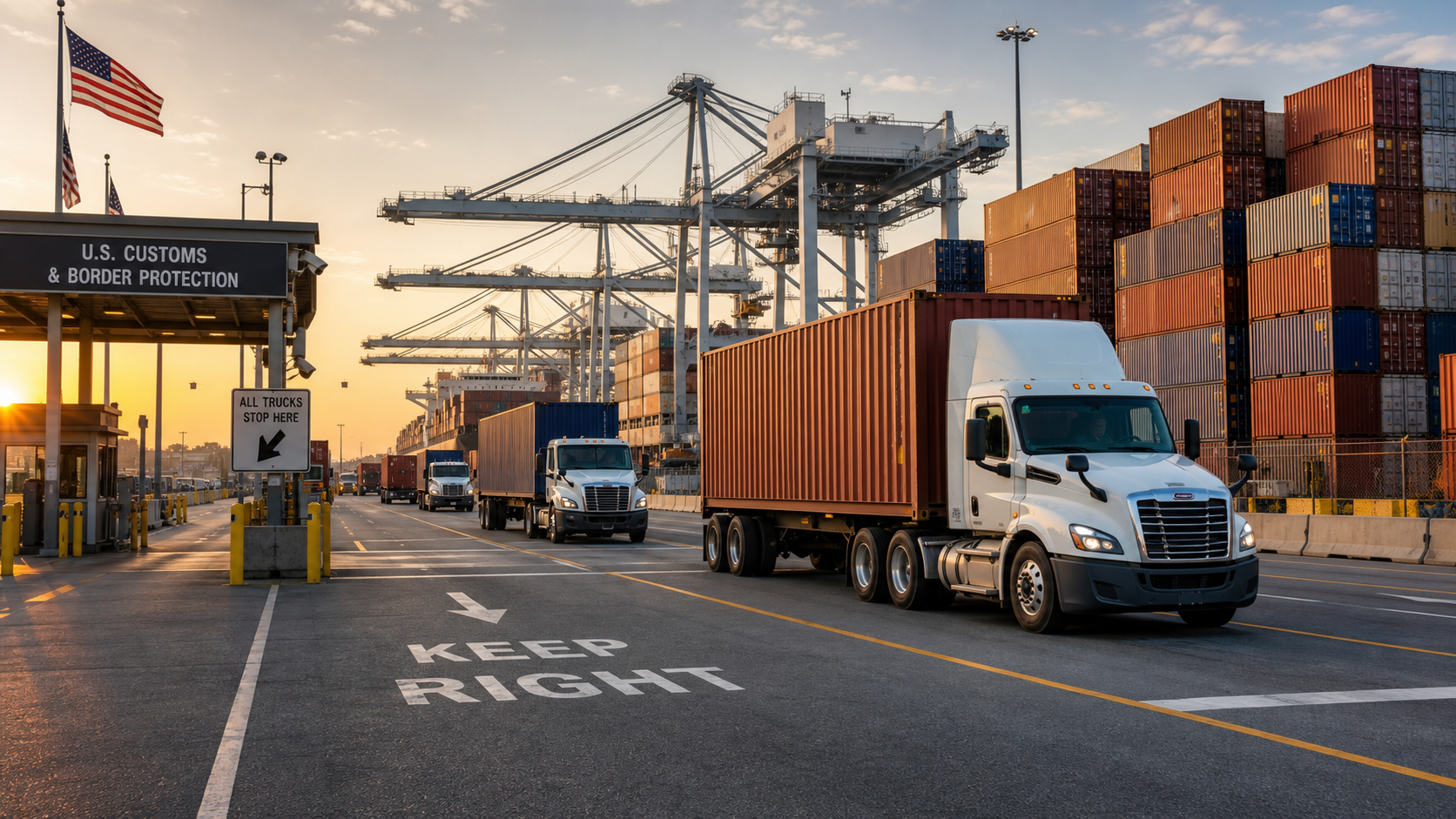
Most beverage shipments clear both CBP (Customs and Border Protection) and FDA. Your licensed customs broker can coordinate entries and interface with both agencies, while the FSVP importer maintains safety verification obligations for the foreign supplier.
- ISF (Importer Security Filing) for ocean: For ocean shipments, an ISF is typically filed prior to vessel loading. The importer or their agent handles this step.
- Prior Notice: Filed to FDA before food arrives, listing the responsible parties and shipment details. Often handled by the broker in coordination with the importer and supplier.
- Entry filing: The broker submits the customs entry with commercial documents and coordinates with FDA for admissibility. FDA may release, request documents, or examine/sample.
- Holds and exams: FDA or CBP may place a hold for document review, label examination, or sampling. Plan timeline buffers and communicate with your 3PL to minimize storage charges if an exam occurs.
- Arrival and delivery: After release, drayage teams pull the container, arrange chassis, and deliver to your warehouse or 3PL. Many importers schedule pre-pull and delivery appointments to avoid demurrage and detention.
Core documents checklist (typical):
- Commercial invoice (accurate product description and valuation)
- Packing list (SKU-level carton details and pallet count)
- Bill of lading or air waybill
- Certificate of origin (if requested by buyer or for trade program eligibility)
- Insurance certificate (if cargo is insured under CIF or by the buyer)
- FDA Prior Notice confirmation and any applicable registration numbers
- Where applicable, FCE number and relevant process filings (SIDs)
- Certificates supporting claimed attributes (e.g., organic) if used in labeling or marketing
Cost drivers and budgeting for beverage imports
Total landed cost reflects more than the ocean or air rate. Align budgets with realistic assumptions and scenario plans. Your forwarder and broker can help estimate line items for your lane, season and equipment needs.
- Freight market conditions: Base rates, peak surcharges, and equipment or chassis availability shift with seasonality and demand.
- Container type and weight: Dry vs. reefer, load weight, and cube utilization influence rates and handling costs.
- Origin and destination fees: Terminal handling, documentation, port security, and local charges vary by port and provider.
- Customs and compliance: Duties, merchandise processing, harbor maintenance (for ocean), bonds, and possible FDA/CBP exam fees.
- Insurance: Cargo insurance coverage and deductibles based on product value and loss scenarios.
- Inland logistics: Drayage, chassis days, pre-pull, storage, appointment fees, and final-mile to the 3PL or DC network.
Lead time and risk management
Plan the calendar from purchase order to shelf, allowing for production, packing, port cut-offs, ocean/air transit, customs/FDA clearance, delivery, quality hold, and distribution. Timeline buffers reduce the impact of seasonal peaks, holidays and terminal congestion.
- Seasonal calendars: Account for factory holidays and surge periods around public holidays in both countries, as well as peak retail seasons.
- Contingency stock: Safety stock or overlapping shipments help absorb delays from weather, port congestion or inspections.
- Carrier reliability: Choose forwarders with transparent tracking and proactive exception management for food cargo.
- Testing and pre-ship QA: Confirm micro, sensory and packaging integrity before cargo departs. Spot-check retains post-arrival.
Buyer checklist: shipping beverages from Vietnam to USA
Use this practical, non-exhaustive checklist to structure your project plan and vendor instructions:
- Product definition: Confirm formulation, pH target, processing method (aseptic, hot-fill, retort), and packaging format.
- Regulatory path: Determine whether Juice HACCP, LACF/AF filings or other product-specific programs apply. Identify the FSVP importer and validate supplier credentials.
- Labeling: Align Nutrition Facts, ingredient list, net quantity, and claims policy with U.S. rules and your final serving size and formulation.
- Packaging spec: Validate can/bottle performance, closures, carton strength, pallet pattern, and load stability through transit testing.
- Incoterms & routing: Decide FOB/CFR/CIF/DAP/DDP and select ports. Reserve FCL/LCL or air capacity based on volumes and launch dates.
- Documents: Prepare invoice, packing list, B/L or AWB, certificates, FDA Prior Notice, and, where applicable, FCE/SIDs and other supporting papers.
- Pre-shipment QC: Perform line checks, labeling verification, seam/torque audits, and carton/pallet inspections. Approve retains.
- Visibility: Arrange tracking, temperature data (if needed), and clear SOPs for holds, exams and exceptions.
- Arrival plan: Arrange customs broker, bonds, ISF (for ocean), delivery windows, and warehouse receiving appointments.
- Post-arrival QA: Review temperature or transit data, run sensory checks, and release lots per your quality plan.
Information for beverage brands and importers
If you are developing or scaling a U.S.-bound beverage made in Vietnam, coordinate regulatory, packaging and logistics decisions early in product development. For example, the choice between aseptic vs. retorted processing, or acidified vs. low-acid classification, will shape labeling, filings, packaging performance, and freight mode selections.
- Align your product brief with U.S. labeling and claims policy from the outset. Keep substantiation files current and market-appropriate.
- Run transit tests for the exact pack-out and lane. Validate seam/closure integrity and carton crush performance specific to your load plan.
- Build a lane playbook: ports, service strings, cut-offs, ISF/Prior Notice responsibilities, and SOPs for potential FDA/CBP holds.
- If coconut water is central to your lineup, coordinate process authority validation and filings based on final pH and process. Explore OEM options in Premium coconut water OEM & private label.
- For U.S.-focused OEM projects, align product, compliance and freight expectations with manufacturers familiar with American retail and e-commerce channels. See Beverage Manufacturer for U.S. Brands.
Aluminum cans are popular for RTDs and sparkling lines. If you plan a can-forward portfolio, evaluate format, seam specs, lacquer compatibility, and sustainability messaging alongside your freight and warehousing strategy. For context, review aluminum cans in the beverage industry.
FAQ: shipping beverages from Vietnam to the USA
This brief FAQ addresses common operational questions. Always confirm the specifics of your product and lane with your regulatory team, manufacturer, forwarder and customs broker.
Do I need FDA approval before I ship?
FDA generally does not “pre-approve” individual beverage shipments. However, the importing framework typically includes FDA facility registration, a U.S.-based FSVP importer, Prior Notice, compliant labeling, and any applicable product-specific programs (e.g., Juice HACCP, LACF/AF with FCE/SIDs where required). FDA and CBP review entries at import and may examine or sample shipments.
Can I ship beverages by air?
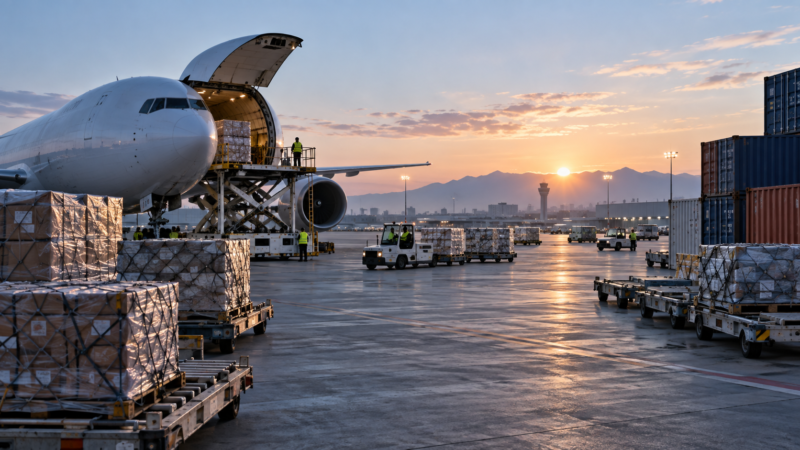
Yes. Air freight is used for urgent launches, high-value SKUs, or when shelf-life and temperature sensitivity make ocean riskier. Confirm pack-out, hazard labeling (if any), and airline acceptance. Expect higher freight costs and plan dimensional weight carefully.
Are aluminum cans suitable for ocean freight?
Aluminum cans are widely shipped by ocean. The keys are seam integrity, liner compatibility, managed carbonation and robust secondary packaging. Control headspace and stacking pressure, keep loads stable, and protect against humidity and temperature swings.
Who can be my FSVP importer?
An FSVP importer is a U.S.-based entity responsible for supplier and product safety verification. It can be the brand owner, a U.S. distributor, or a designated service provider. This role is distinct from the customs Importer of Record, though one organization can serve as both.
What documents should I prepare for customs and FDA?
Commonly: commercial invoice, packing list, bill of lading or air waybill, required certificates, FDA Prior Notice details, and, where applicable, FCE and SID confirmations for qualifying products. Coordinate with your broker to ensure all data aligns.
Where can I learn more about OEM options in Vietnam?
For U.S.-aligned OEM discussions, see Beverage Manufacturer for U.S. Brands and explore coconut-focused opportunities in Premium coconut water OEM & private label. For category background, visit coconut water from Vietnam.
Conclusion
Shipping beverages from Vietnam to USA is a cross-functional effort: define the regulatory path, lock packaging and process integrity, select the right Incoterms and route, and execute clean documentation and QC. Build timelines that absorb holds or congestion, and keep your FSVP, broker and forwarder in tight communication. With disciplined planning, brands can deliver stable quality and reliable supply into the U.S. market while keeping landed costs, timelines and compliance on track.
If you are planning a new Vietnam source or transitioning to a different format, align your product brief, labeling and logistics plan early with your manufacturing partner and freight providers. A clear roadmap minimizes rework and accelerates first-to-shelf.
Manufacturing for U.S. brands
If you are sourcing for the U.S. market, three pages cover what buyers ask first. OEM manufacturing in Vietnam sets out how projects are organised; certifications and food safety systems covers the documents customs and retailers will ask you to produce; export and logistics covers shipping terms and the document pack. To price a programme, request a quote.
Request a quoteWhere to go next
Sourcing for the U.S. market? The United States beverage market page covers the full OEM and private label programme for U.S. brands and importers: MOQ 500 cartons per SKU, 15-30 day production, HACCP / ISO 22000 / FSSC 22000, and shipping from Ho Chi Minh City. Request a quote and we reply within 24 hours.