


 Français
 Español
 العربية
 한국어
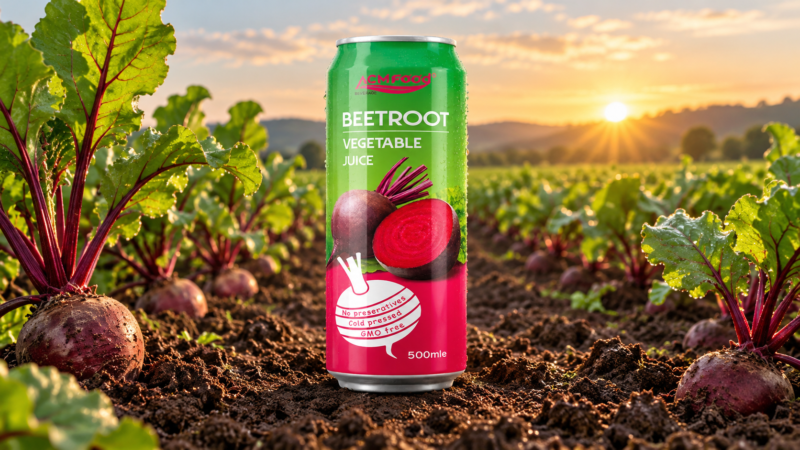
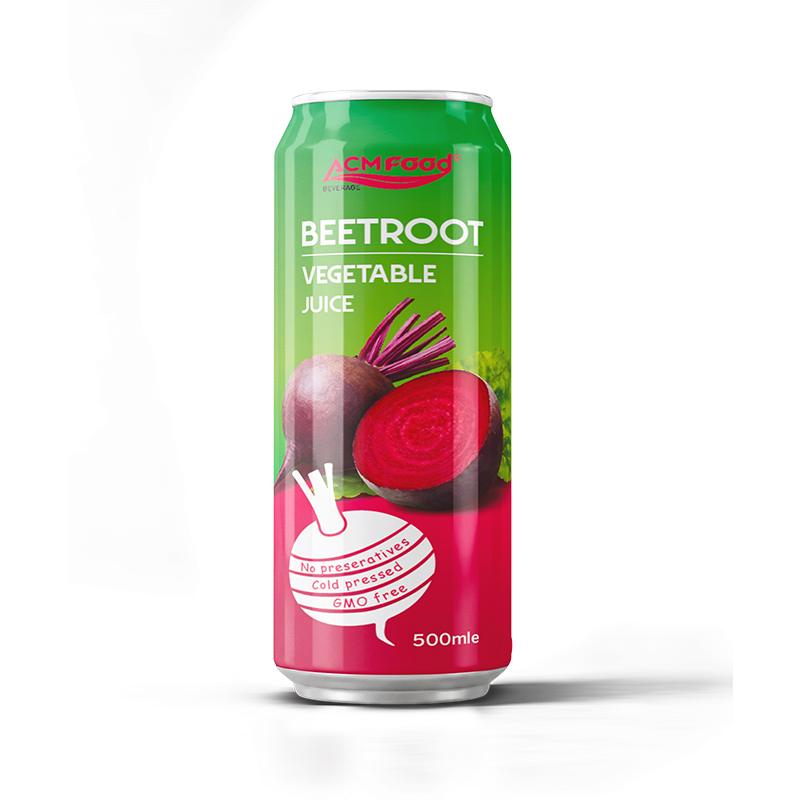
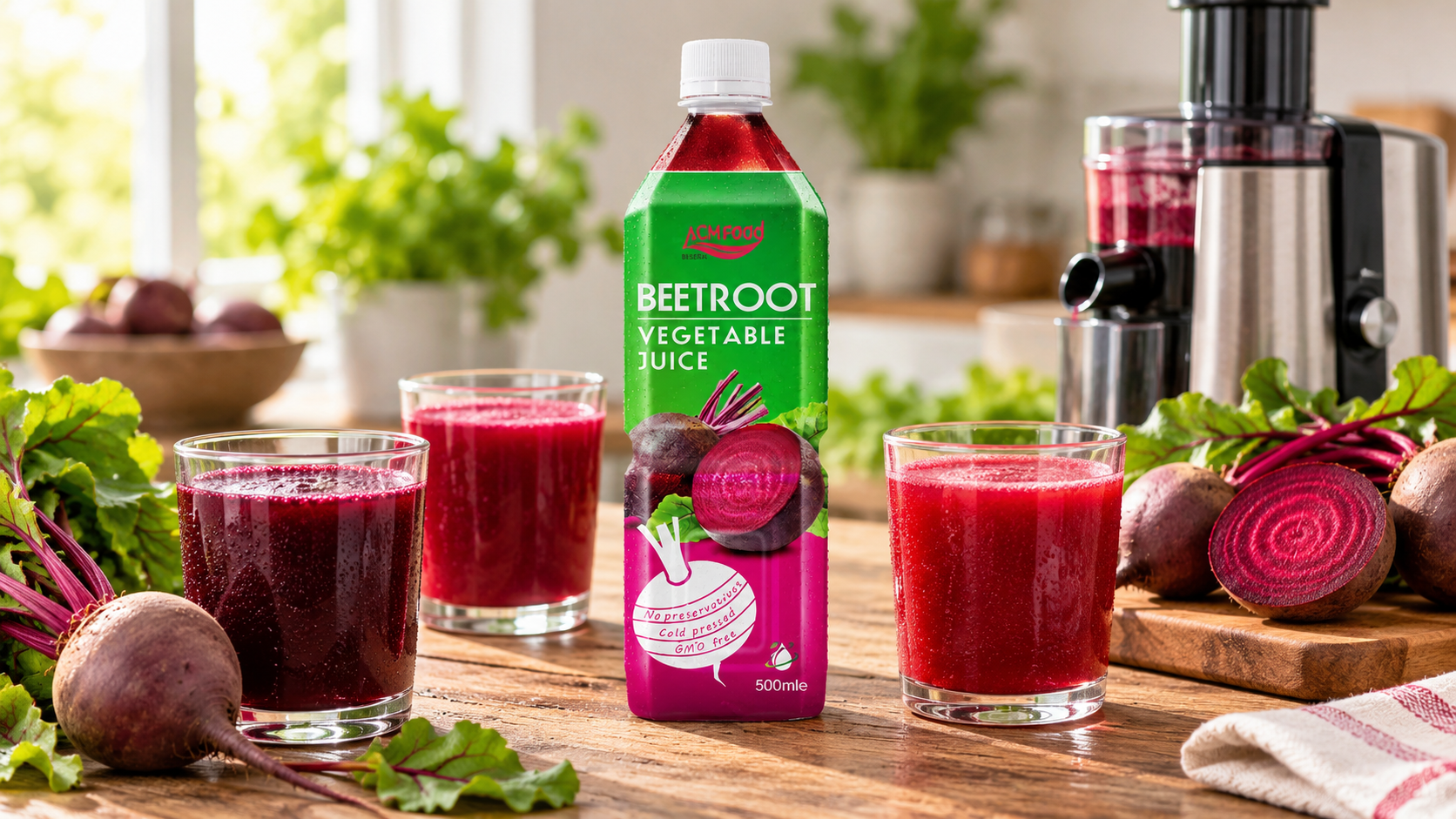
100% beetroot juice is a drink made only from beetroot juice, with no added water, sugar or other juices. The phrase can still describe three different production routes: not-from-concentrate (NFC) juice, juice reconstituted from concentrate, and blends that combine beet with other juices.
For brand owners, the route changes the taste, the colour, the legal wording on the label and the way the product is positioned. This article compares the three routes, explains how labelling rules treat them in general terms and gives a simple way to choose. ACMFOOD, a Vietnam beverage manufacturer, supplies finished drinks in cans and bottles only, so the comparison stays at finished-drink level.
What does 100% beetroot juice actually mean?
It means the only ingredient is juice from beetroot, either pressed directly or rebuilt from concentrate with water, and nothing else is added for sweetness, volume or flavour. Some markets allow small amounts of acidity regulators or vitamin C, so the exact wording of the ingredient list matters.
Three terms are often mixed up:
- 100% juice. The drink contains only juice. It can be NFC or reconstituted, and it can be a single juice or a blend of juices.
- Not from concentrate. The juice was pressed, treated and packed without a concentration step.
- 100% beetroot. Only beetroot juice is used. A beet and apple blend is 100% juice but not 100% beetroot.
Buyers who want to compare suppliers on equal terms should ask for the wording that will appear on the pack, because phrases such as “pure”, “natural” or “100%” are interpreted differently across markets.
How is NFC beetroot juice made?
NFC beetroot juice is made by washing and crushing beets, pressing out the juice, filtering it and applying a heat or other preservation step before filling. There is no step that removes and later restores water, so the juice remains close to its natural concentration.
Typical features of NFC juice:
- Taste. Fresher, with the recognisable earthy and sweet notes of the raw beet.
- Colour. Deep red, but with natural variation between harvests.
- Volume logistics. Larger water content in each pack means higher freight per unit of juice solids, which matters when comparing with concentrate routes at the ingredient stage.
- Seasonality. Quality follows the beet harvest, so the first and last batches of a season can differ.
Because beetroot is a low-acid vegetable, NFC juice for ambient storage must be acidified or sterilised. Mild pasteurisation alone supports only a refrigerated product. The choice of route is described in more detail in the beetroot juice OEM guide.
How is juice from concentrate made?
Juice from concentrate is made by pressing beets, evaporating much of the water to produce a concentrate, and later adding water back to reach the original strength before packing. The concentrate is easier to store and ship, and it allows production outside the harvest season.
Compared with NFC, a concentrate route usually shows:
- Heat history. Evaporation adds heat exposure, which can reduce colour intensity and fresh aroma, so recovery of volatile aroma or colour correction may be used.
- Consistency. Concentrate can be standardised, so the finished juice tastes more consistent across the year.
- Cost structure. Transport and storage of concentrate are more efficient, though processing steps add cost.
- Label wording. Many markets require reconstituted juice to be labelled as made from concentrate.
The difference is clearer in tomato juice, where the debate is well known. A related explanation is available in this article on tomato juice NFC versus concentrate. The same logic applies to beetroot, although colour behaviour differs because beet pigments are more heat sensitive.
What are blended beetroot juices?
Blended beetroot juices combine beetroot with other juices, such as apple, carrot, lemon or orange, to soften the earthy taste, adjust sweetness and lower the pH. They are the most common commercial format because pure beet juice is an acquired taste.
Blends can still be 100% juice when all ingredients are juices. They give brands more freedom in positioning, for example a gentle introductory blend or a bold, high-beet variant.
How do the three routes compare?
The table gives a qualitative comparison. Actual results depend on the recipe, the heat treatment and the beets used, so a brand should validate its preferred route with samples.
| Aspect | NFC beetroot juice | From concentrate | Blend with other juices |
|---|---|---|---|
| Taste | Fresh, earthy, sweet | More standardised, can be flatter | Softer and more approachable |
| Colour | Deep red, varies by lot | Needs colour control after heating | Tone shifts with the second juice |
| Year-round supply | Follows harvest | Easier to plan across seasons | Depends on both juices |
| Label wording | Not from concentrate | From concentrate or reconstituted | Lists each juice; may be 100% juice |
| Positioning | Premium, minimal processing story | Volume and consistency | Mainstream and family-friendly |
| Acidity | Low-acid, needs process plan | Low-acid, needs process plan | pH lowered by acidic blending juice |
How do labelling rules treat 100% juice claims?
Labelling rules vary by country, but most markets expect the wording to match the real composition and process. A juice made from concentrate generally cannot be described as not from concentrate, and a blend should name the juices in order of content.
Points to check for the destination market:
- Whether “100% juice” is allowed when acidity regulators or vitamin C are present.
- Whether reconstituted juice must say “from concentrate” on the front or only in the ingredient list.
- Whether a minimum Brix or juice content applies to a vegetable juice.
- Whether terms such as “pure”, “fresh” or “natural” need to be supported by process data.
- How sugar content and “no added sugar” statements must be shown.
Because rules differ and change, the brand should have its label wording reviewed against the target market regulation before printing. Manufacturers can supply composition data and process descriptions, but they do not replace the brand’s own regulatory review.
How does each route affect colour and flavour after heat treatment?
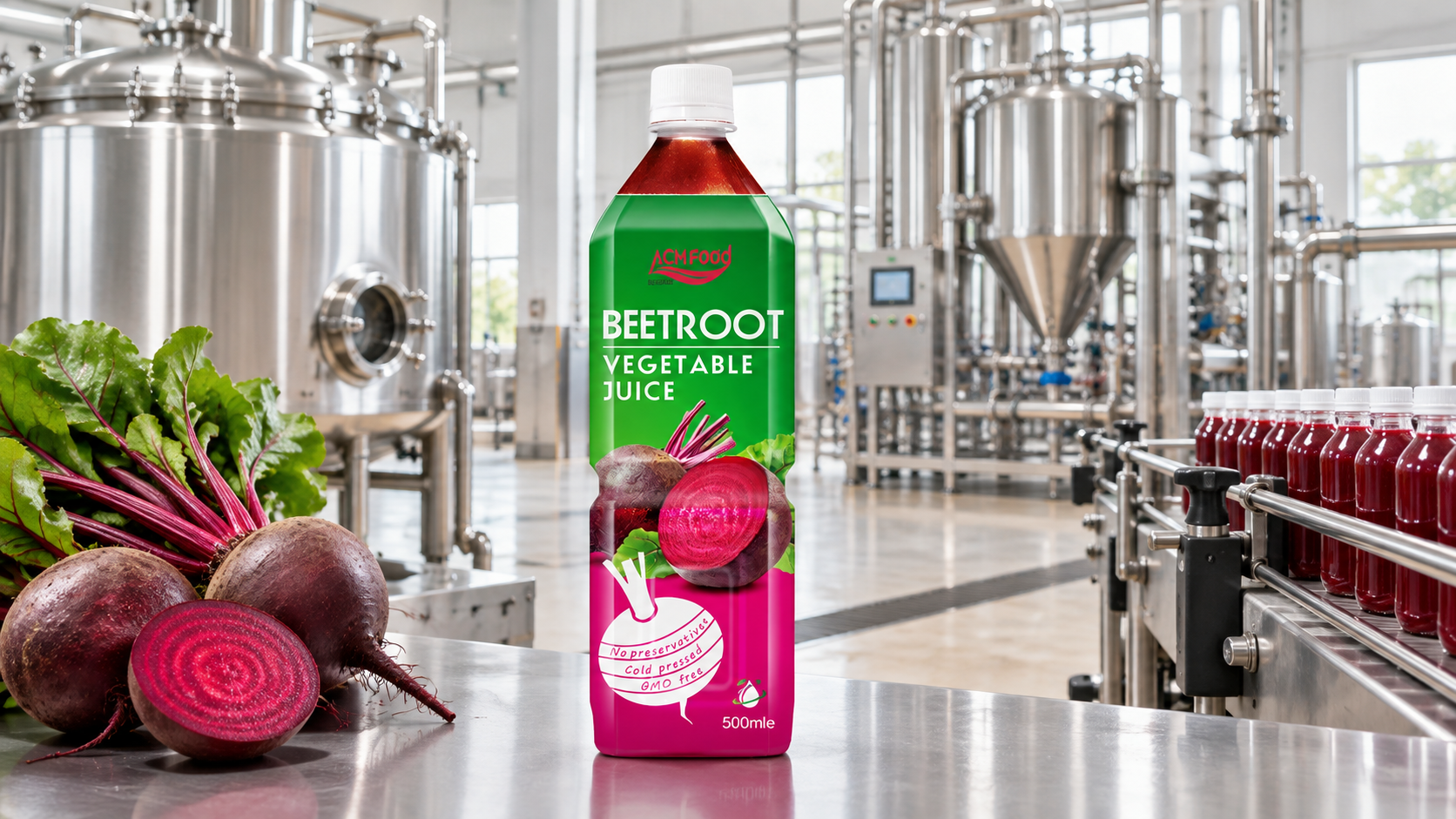
Every extra heat step costs some colour and fresh aroma. NFC juice has one main heat step before filling, while juice from concentrate has an evaporation step plus a pasteurisation or sterilisation step after reconstitution. The result is that reconstituted juice often needs more colour and flavour management to match an NFC reference.
Several tools are used to narrow that gap:
- Short-time heating. Plate heat exchangers bring juice to temperature and cool it quickly, so the holding time stays short.
- Deaeration. Removing dissolved air before heating and filling reduces oxidation of pigments and flavour compounds.
- Aroma recovery. Volatile aroma that leaves with the water during evaporation is captured and added back to the concentrate or the finished juice.
- Acid and antioxidant balance. A mildly acidic recipe and a permitted antioxidant help hold the pigment while the juice is stored.
- Light and oxygen barrier. Cans and tinted or barrier bottles slow fading after filling, whatever route was used.
A brand that wants to compare routes fairly should taste samples after several weeks of storage, not only on the day of production. The fresh sample often looks similar, and the differences appear when the pigments and aroma have had time to change.
Which tests compare NFC juice with reconstituted juice?
A set of simple laboratory tests, combined with sensory evaluation, shows whether two beet juices are equivalent. No single test proves the process route, which is why labelling is based on production records rather than laboratory results.
Common measurements are:
- Brix and acidity. They confirm that the juice has the intended strength and balance.
- Colour measurement. Instrument readings or absorbance values track pigment concentration and shade over time.
- Sensory panel. Trained or consumer panels compare freshness, earthiness and sweetness against the reference.
- Microbiology. Counts verify that the heat step worked and that the sealed pack has remained intact.
- Stability study. Samples stored at different temperatures reveal how colour and taste change across the planned shelf life.
Supplier documentation should link these test results to a specific batch and a specific process route. When a buyer receives a certificate of analysis, the batch number should match the production record, and the process description should match the label. That chain of information is what makes a claim such as “not from concentrate” credible.
Which route should a brand choose?
The route should follow the brand story, the target price tier and the supply plan. NFC suits a premium, minimal-processing message, concentrate routes suit volume and year-round consistency, and blends suit mainstream retail.
- Define the story. Is the product a pure, bold beet shot or an easy everyday vegetable drink?
- Set the consumer. Wellness shoppers may accept a stronger taste, while mainstream shoppers often prefer a blend.
- Check the supply window. If sales run all year but beets are seasonal, plan how production will be spread.
- Choose the pack. Cans protect colour, bottles show it. Both formats work with each route.
- Validate with samples. Taste, colour after storage and shelf life should be tested before committing to the label.
ACMFOOD produces finished beetroot drinks in cans and bottles under OEM, ODM and private label arrangements. Current formats can be viewed in the beetroot juice category. The company does not supply concentrate or bulk juice, so projects start from the finished-drink brief.
FAQ about 100% beetroot juice
Is 100% beetroot juice always NFC?
No. A 100% beetroot juice can be pressed and packed directly, or made by adding water back to a concentrate. The pack wording should say which route was used where the market requires it.
Why does pure beetroot juice taste so earthy?
Beets contain geosmin, a compound associated with earthy aroma, and the sweetness is balanced by mineral notes. Blends with apple or citrus soften this profile.
Can a blend still be called 100% juice?
Yes, if every ingredient is juice and no water, sugar or flavour is added, subject to local rules. It is not 100% beetroot juice, so the pack must not suggest it is a single juice.
Does concentrate change the colour?
It can. The heat used to concentrate beet juice can reduce colour intensity, so manufacturers manage colour through process control or recipe adjustment.
Which route is cheaper?
It depends on logistics, season and recipe. Cost should be reviewed as a whole project, including packaging, heat treatment and freight, rather than comparing the juice route alone.
How should a brand document an NFC claim?
Keep the supplier’s process description, batch records and the specification that states the route. When an authority or retailer asks for proof, these documents show that no concentration step was used for the batch in question.
Can the same factory make both NFC and concentrate-based juice?
Some can, but the lines, tanks and records must keep the two routes separate so the labels stay accurate. Ask the supplier how products are scheduled and how changeovers are cleaned and documented.
Does 100% juice mean no sugar was added?
Generally yes, because added sugar would change the product into a juice drink or nectar. The sugar in the drink comes from the beets and any other juices. Exact wording for sugar claims depends on the market.
Choosing a route for your beetroot juice brand
NFC, from concentrate and blended routes can all be sold as 100% juice, but each leads to a different taste, colour behaviour and label. The practical decision starts with the brand story and the destination market, then moves to samples and stability tests.
Brands that want a beetroot drink in cans or bottles can send ACMFOOD a brief with the juice content, target markets and label wording. The team can recommend a route and prepare samples to compare against your reference product.