



 Français
 Español
 العربية
 한국어
한국어Author Archives: ACMFOOD
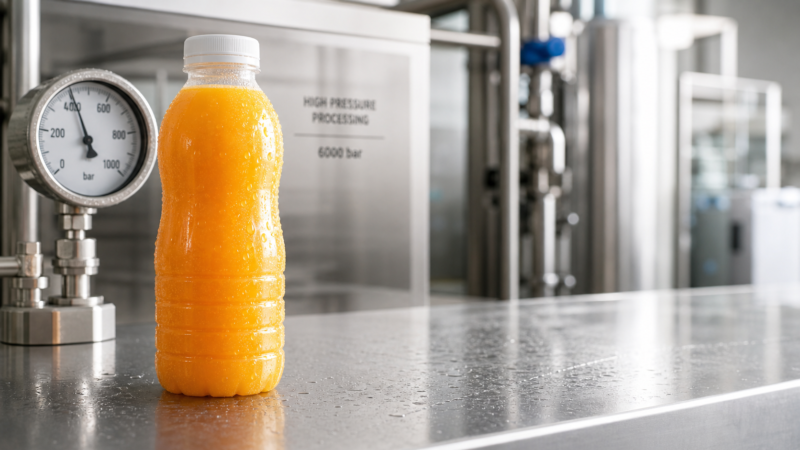
HPP for Beverages: What Cold Pressure Can and Cannot Do
A practical guide to HPP beverages: what cold pressure can and cannot do, covering safety,...
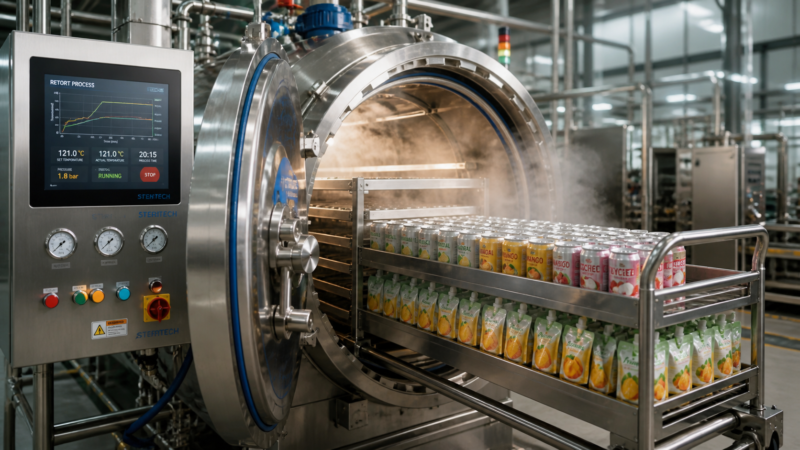
Retort Processing: When Sterilising Inside the Pack Is the Right Answer
When should beverages use retort processing? Learn in-pack sterilisation, F0 basics, packaging choices and trade-offs...
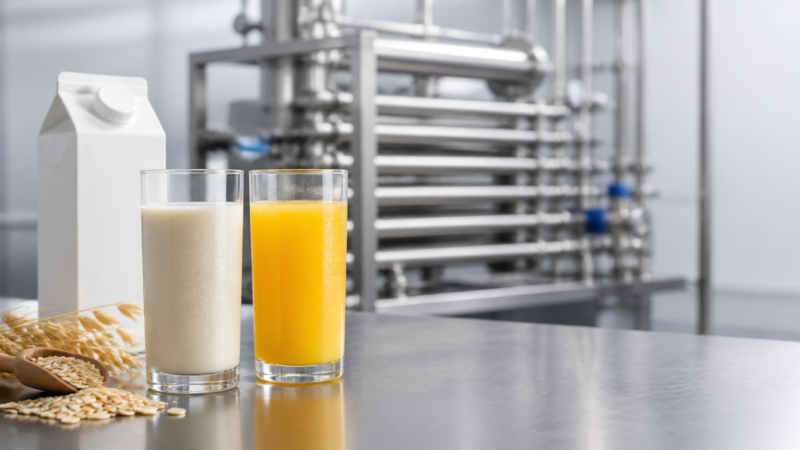
UHT Processing for Beverages: What It Does and When It Fits
Understand UHT beverage processing: what ultra high temperature treatment does, key trade-offs, and when it...
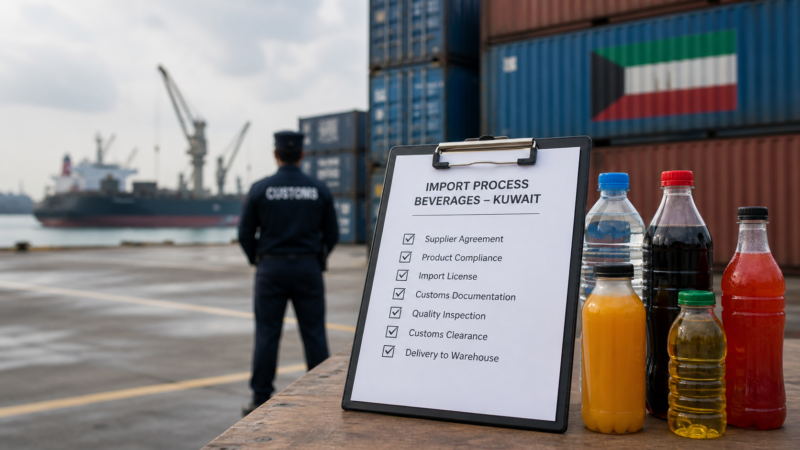
How to Import Beverages into Kuwait
Step-by-step guide to import beverages into Kuwait: KUCAS pre-shipment conformity, PAFN clearance, 5% duty, key...
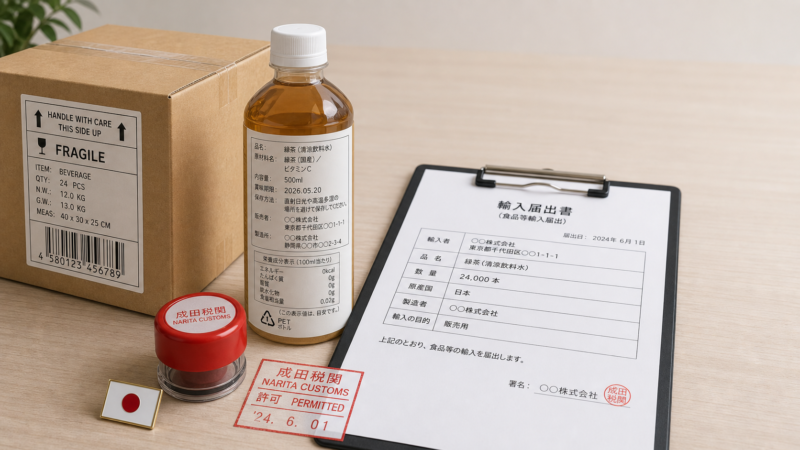
How to Import Beverages into Japan
Practical steps to import beverages into Japan: FAINS notifications, first-lot testing, labeling by CAA, customs...
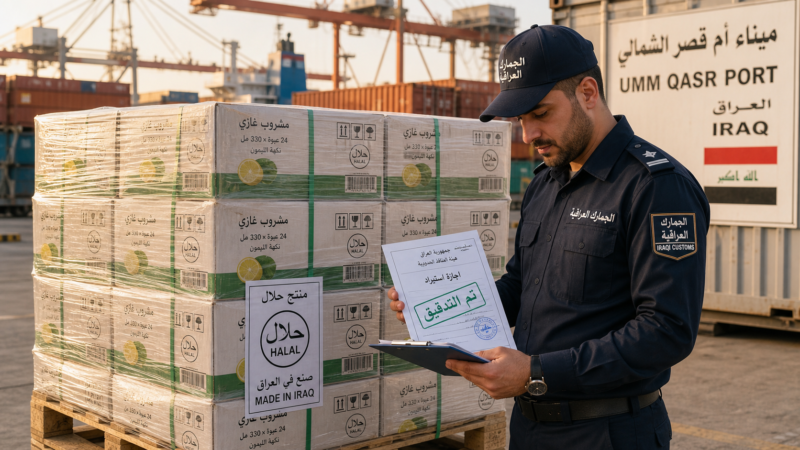
How to Import Beverages into Iraq
Step-by-step guide to import beverages into Iraq: COSQC conformity certificate, mandatory Halal and Arabic labelling,...
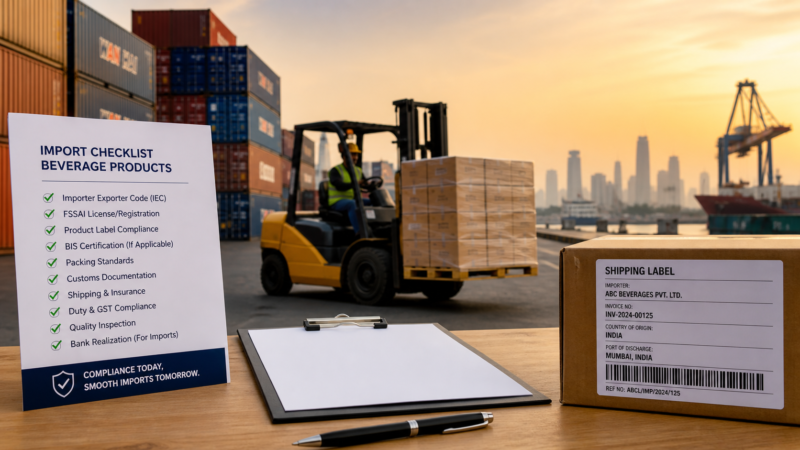
How to Import Beverages into India
Step-by-step guide to import beverages into India: FSSAI licensing, labels, documents, FICS inspection, customs flow,...
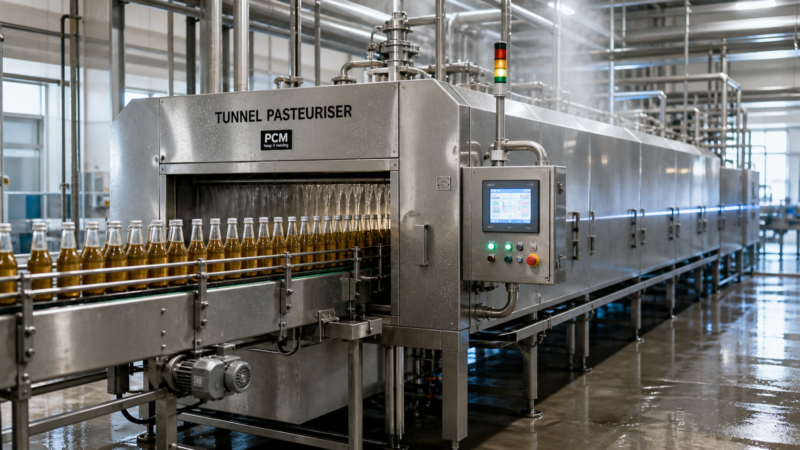
Tunnel Pasteurisation for Bottled and Canned Drinks
Guide to tunnel pasteurisation for bottled and canned drinks: PU value, temperature profiles, packaging fit,...
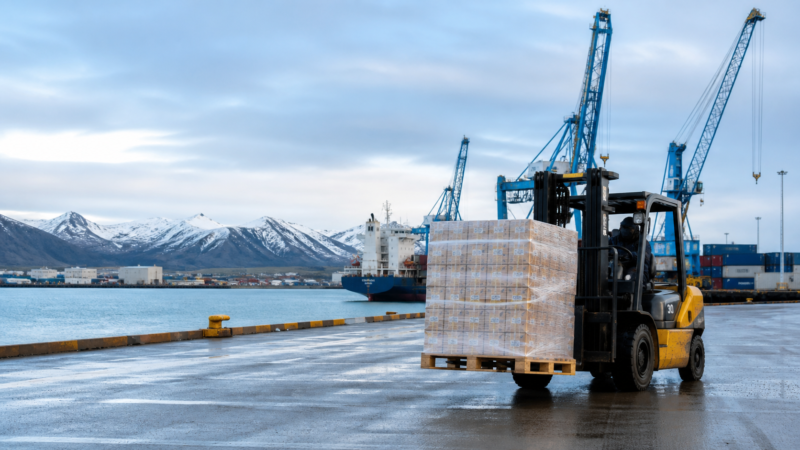
How to Import Beverages into Iceland
Practical steps to import beverages into Iceland: MAST oversight, separate customs, deposit-return duties, key ports,...
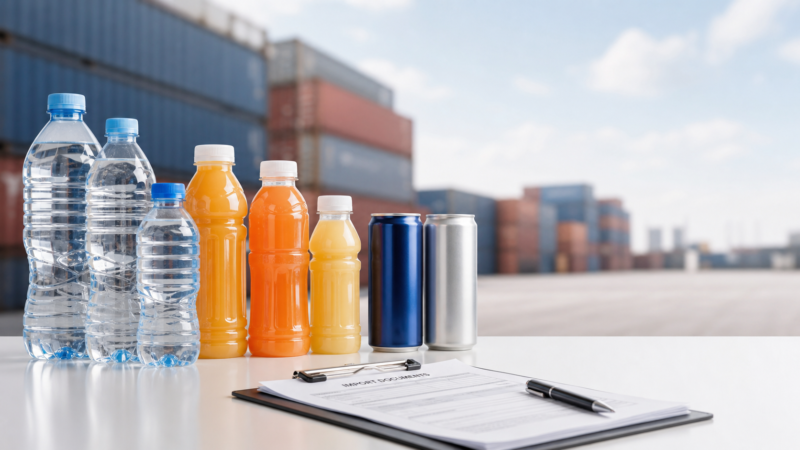
How to Import Beverages into Ghana
Learn how to import beverages into Ghana: FDA registration, English labels, customs docs, ports and...
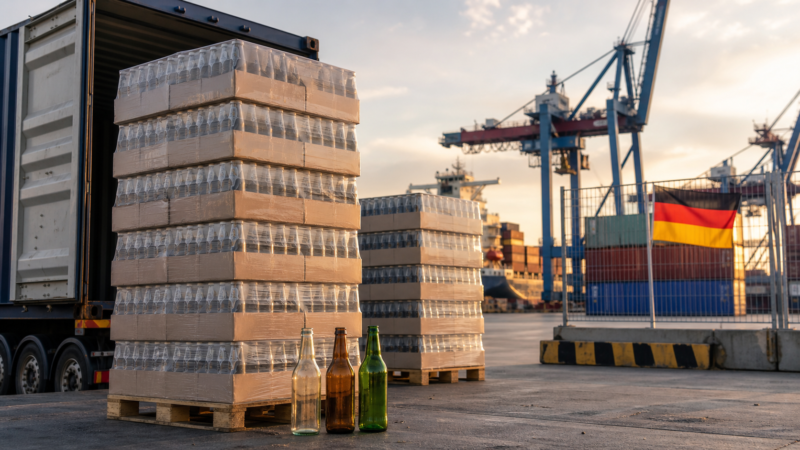
How to Import Beverages into Germany
A practical, step-by-step guide to import beverages into Germany: LFGB, BVL checks, LUCID packaging, deposits,...
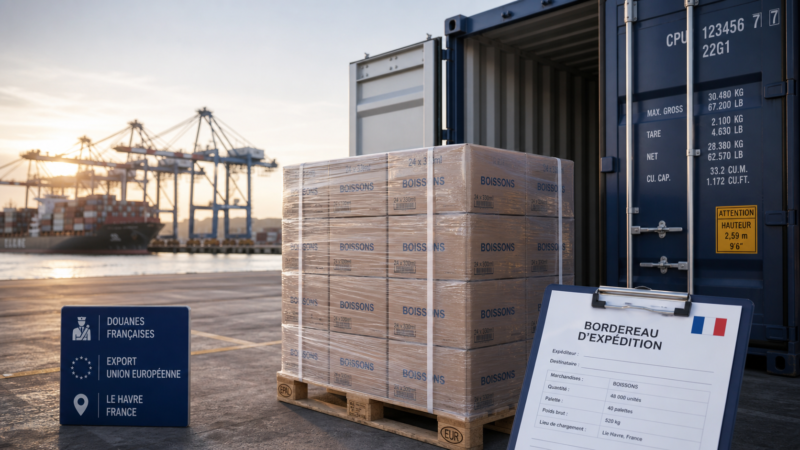
How to Import Beverages into France
Step-by-step guide to import beverages into France: customs clearance, DGCCRF checks, VAT and excise, EPR...