


 Français
 Español
 العربية
 한국어
Author Archives: ACMFOOD
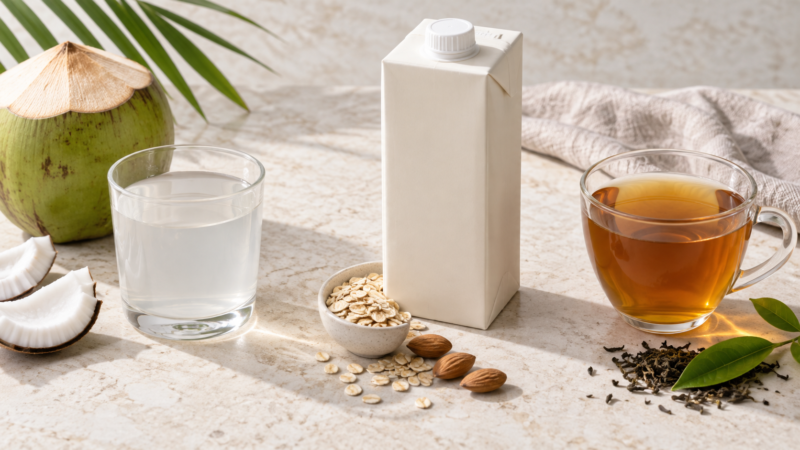
Low-Acid & Non-Acidic Beverages: OEM Formulation and Packaging Options
Non acidic drinks — more precisely described as low-acid beverages — are drinks whose acidity...
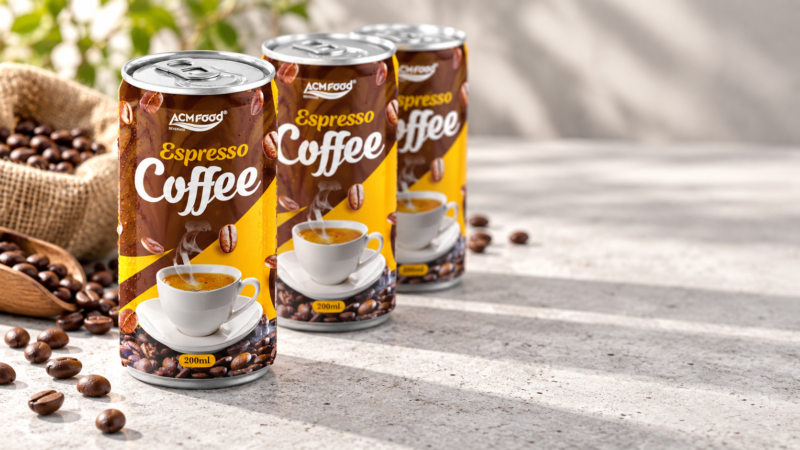
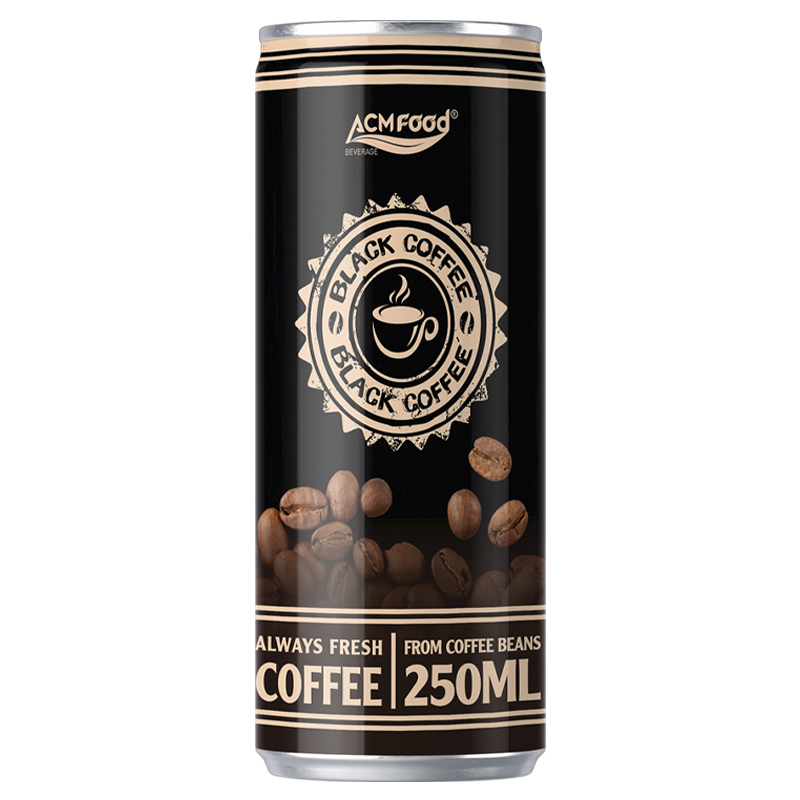
Private Label RTD Coffee: OEM, Canned Formats, MOQ & Export
Private label ready to drink coffee is packaged coffee produced by a manufacturer and sold...
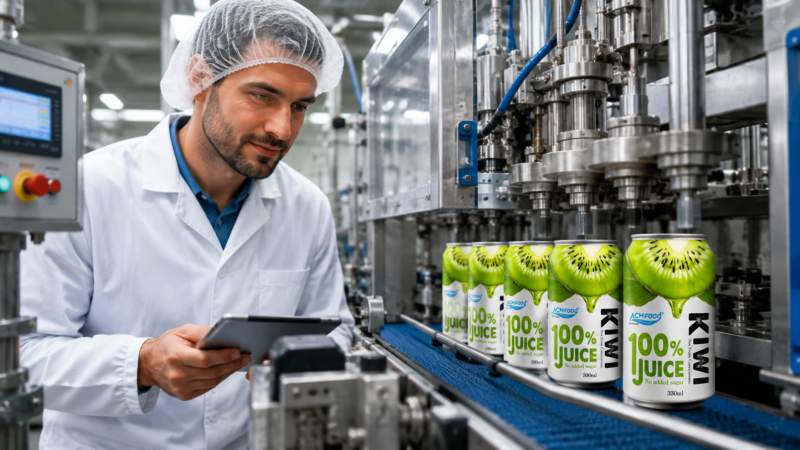
The Pilot Run: Proving a Formula Works on Line Equipment
A beverage pilot run tests fill accuracy, seaming, and flavor stability on real line equipment...
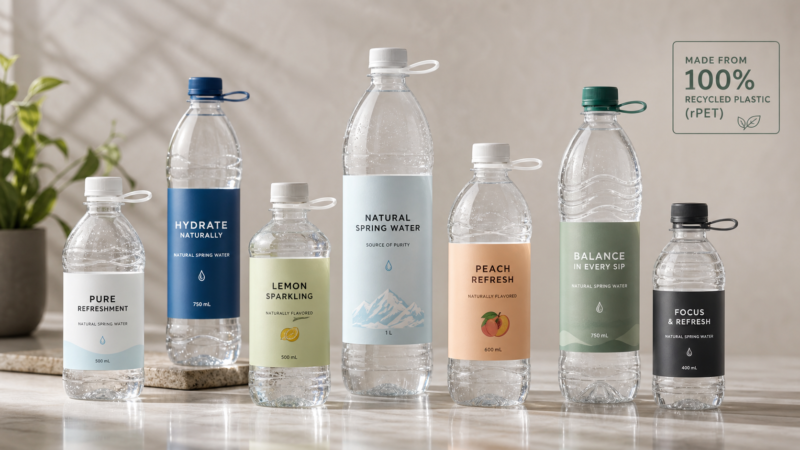
Sustainable Beverage Packaging: Claims You Can Actually Support
Sustainable beverage packaging: how PET, glass, and aluminum cans compare, and which recyclability claims your...
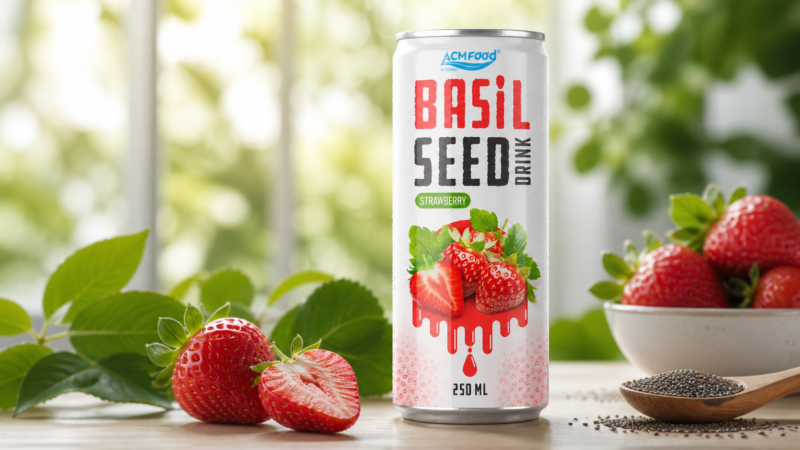
Chia and Basil Seed Drink Manufacturing: Suspension and Fill
Chia and basil seed drink manufacturing: how seed hydration, suspension, and filling-line setup work together...
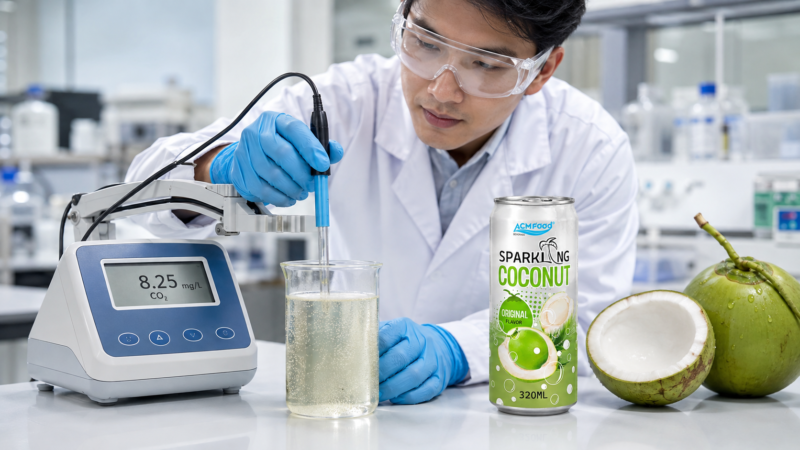
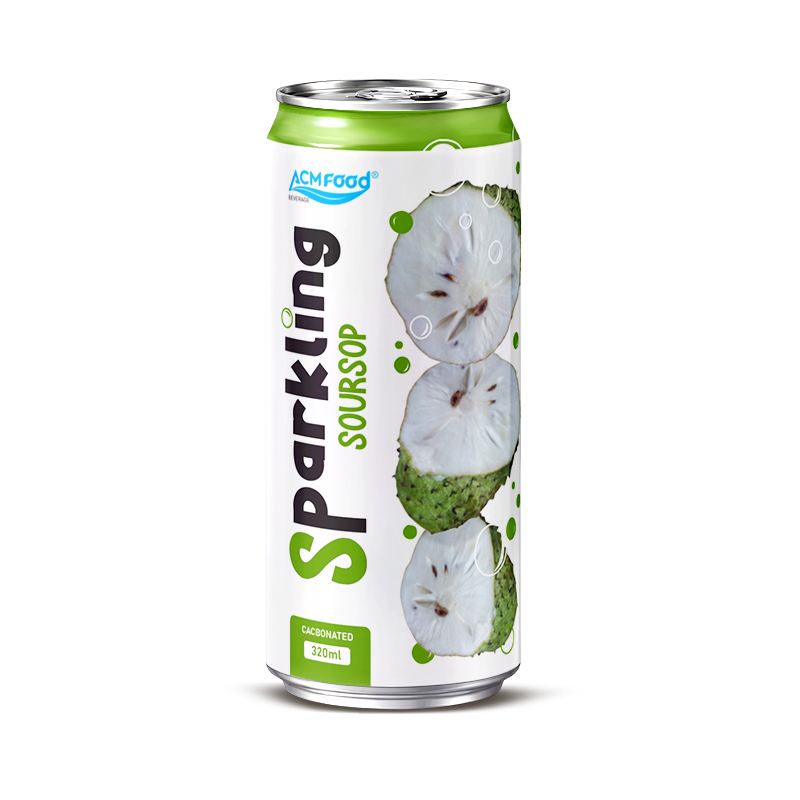
Sparkling Beverage Manufacturing: Carbonation Levels and Can Specification
Sparkling beverage manufacturing: how carbonation level is controlled, why can specification matters, and what to...
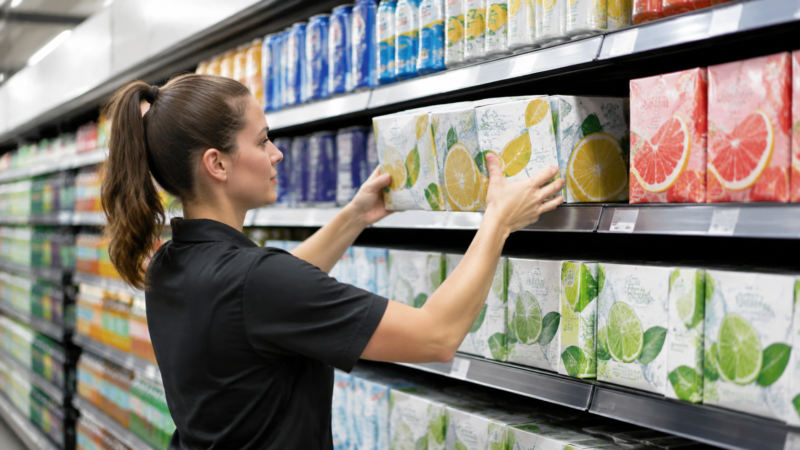
Shelf-Ready Packaging: When It Pays for Itself
Shelf-ready packaging for beverages: what it is, when the added case cost pays for itself,...

Switching Beverage Manufacturers Without Losing Your Product
A practical guide to switching beverage manufacturer without losing product consistency: what transfers, timelines, and...

The Quality Agreement: Specifications, Sampling and Non-Conformance
A beverage quality agreement is the document that defines, in writing, what a finished product...

Booking Production Capacity: Lead Times, Slots and Seasonality
Booking beverage production capacity is less about finding an open date on a calendar and...
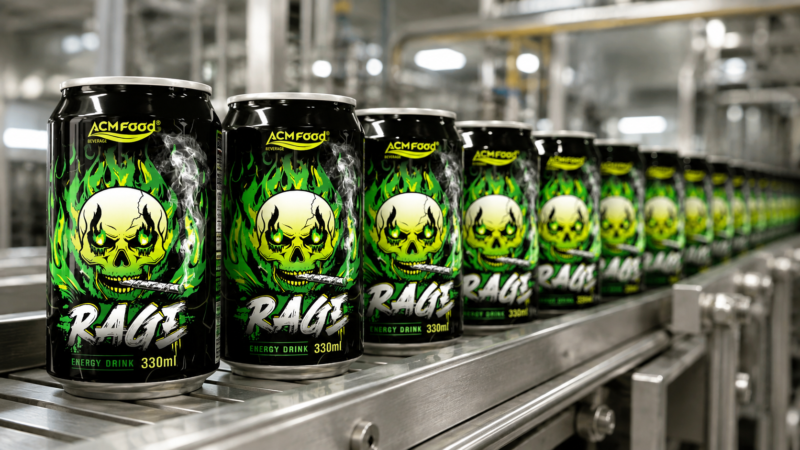
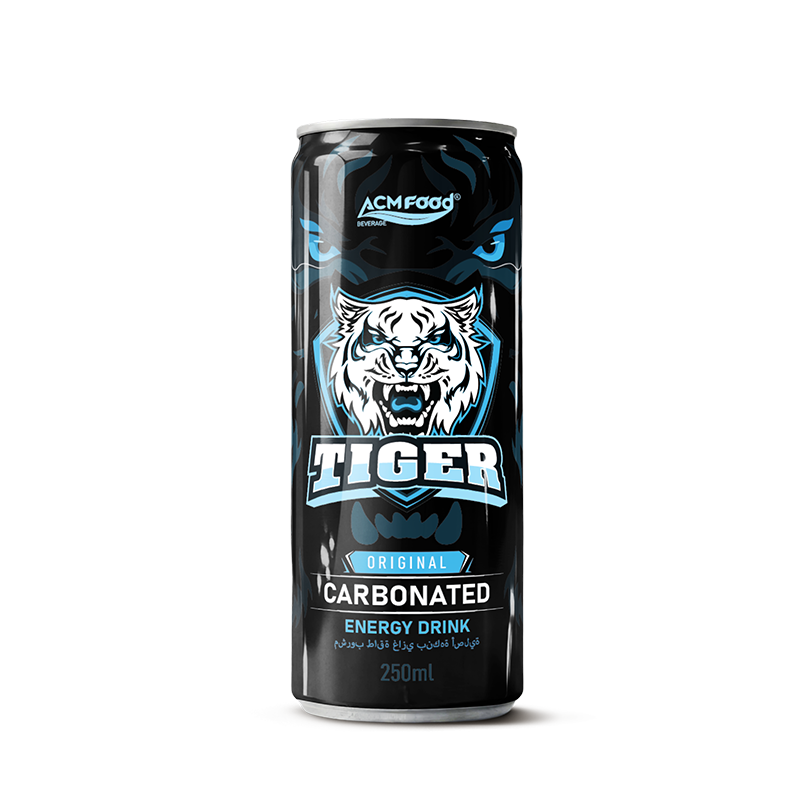
Energy Drink Manufacturing: Formulation Limits and Market Rules
Energy drink manufacturing is shaped by two separate sets of limits that a beverage brand...
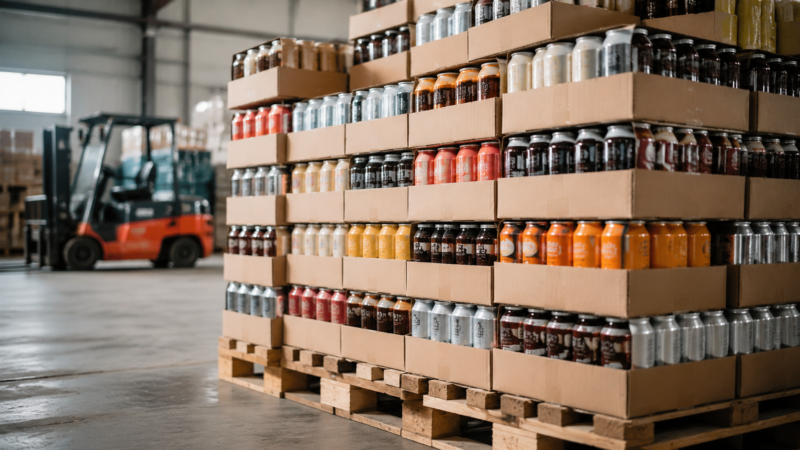
Case Count, Pallet Pattern and Units per Container
Case count, pallet pattern, and units per container are decided together, not separately, because each...