


 Français
 Español
 العربية
 한국어
한국어Beverage manufacturing for U.S. brands means developing and producing non-alcoholic drinks that meet U.S. regulatory, quality, labeling, and retail expectations, whether filled domestically or via qualified international partners. In practice, it spans concept, formulation, validation, packaging, compliance, and consistently supplying finished goods to U.S. channels.
This guide focuses on beverage manufacturing USA projects from a buyer’s perspective: what formats to consider, which standards and rules apply, how processing and packaging shape shelf life and cost, and what to prepare in a professional product brief. Because requirements vary by category, formula, and route to market, use the checklists here to frame decisions and verify details with your chosen manufacturer and compliance advisors.
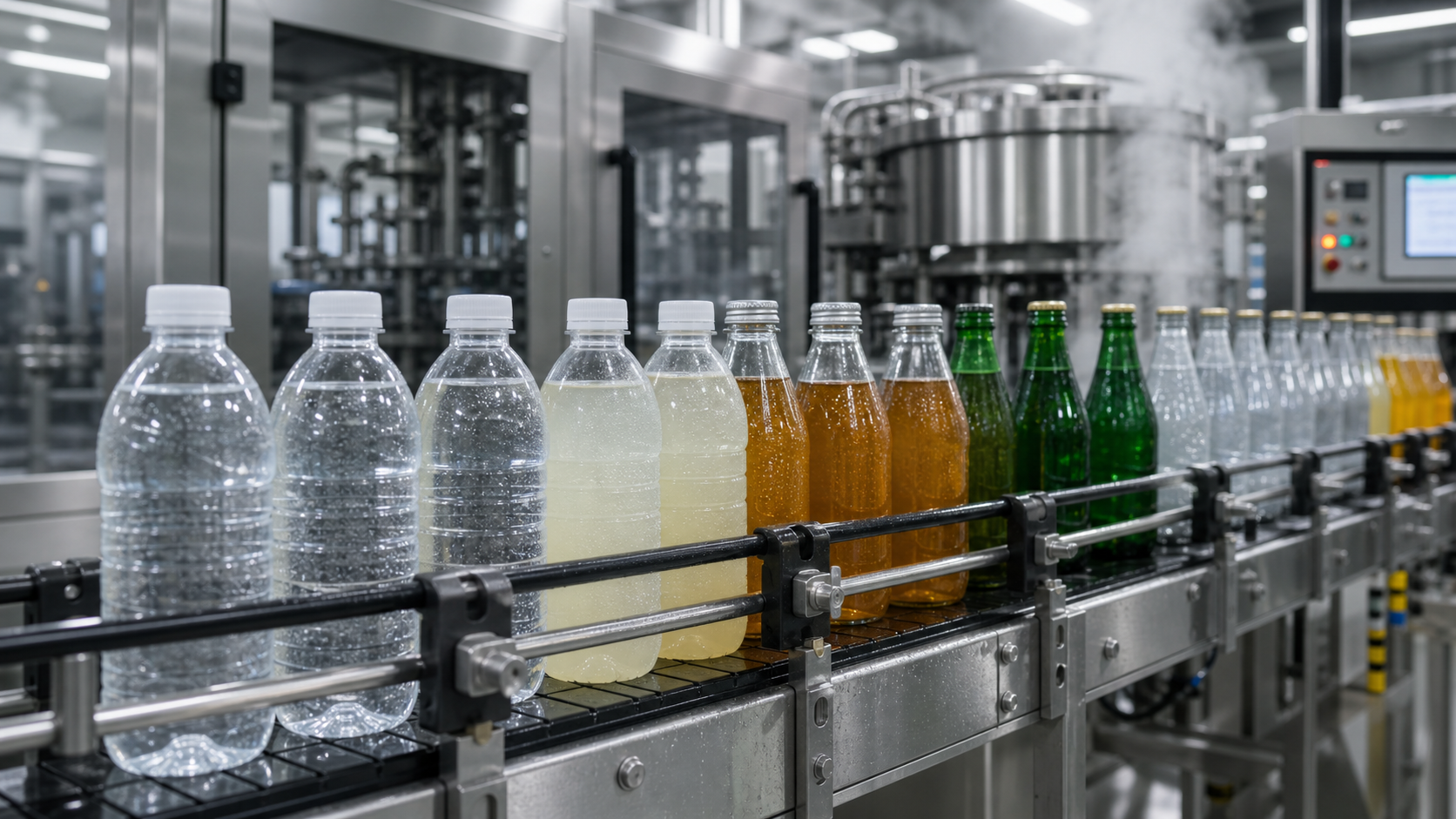
What does beverage manufacturing for U.S. brands involve?
It covers the end-to-end journey from idea to shelf, including feasibility, formulation, safety validation, label compliance, scale-up, and reliable logistics into the United States. The specifics change by drink type, processing method, packaging, retailer requirements, and state-level considerations.
A high-level workflow many U.S. brands follow:
- Market positioning: target consumer, use case, price band, channels (e.g., natural, convenience, e-commerce, foodservice).
- Product brief: flavor targets, sweetness profile, caloric goals, pack type, claims you intend to support, test methods, and success criteria.
- Regulatory feasibility: confirm U.S. status of each ingredient (e.g., GRAS, permitted color additives, flavor status), and labeling pathway.
- Formulation & benchtop samples: adjust acidity, sweetness, body, aroma, and color; choose stabilizers and process-compatible flavors.
- Pilot runs & shelf-life plan: validate microbiological stability, sensory changes, package integrity, and distribution conditions.
- Processing selection: hot-fill, tunnel pasteurization, aseptic, retort, or HPP depending on pH, carbonation, particulates, and shelf-life goals.
- Packaging engineering: container/closure compatibility, oxygen & light barrier needs, line speeds, and secondary packaging.
- Quality program: HACCP-based controls, preventive controls, sanitation, allergen management, and release specifications.
- Artwork & labeling: Nutrition Facts, ingredient statement, allergens, percent juice (if applicable), net contents, and other required elements.
- Commercial scale-up: validation batches, process authorities when required, and production scheduling.
- Logistics to the U.S.: Prior Notice (if imported), customs clearance, temperature management, and retailer onboarding.
- Post-launch monitoring: complaint handling, corrective actions, and continuous improvement.
Which product formats suit the U.S. market?
U.S. retail and foodservice carry a broad spectrum of non-alcoholic beverages. Selecting the right format balances taste, nutrition expectations, cost-to-produce, and channel norms.
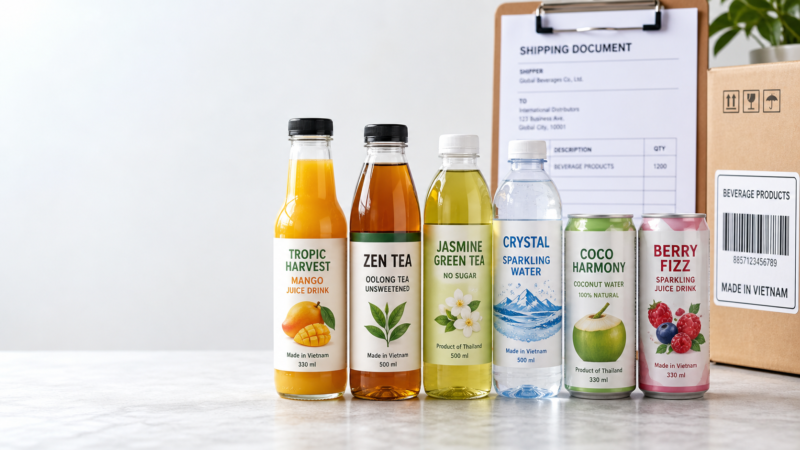
- 100% juice and juice blends (ambient or chilled)
- Nectar-style fruit beverages and juice drinks
- Functional still beverages (vitamin-added, botanicals, electrolytes)
- Carbonated soft drinks, flavored sparkling water, seltzers (non-alcoholic)
- Ready-to-drink tea and coffee (sweetened, unsweetened, dairy or non-dairy)
- Sports and hydration beverages (electrolytes), energy-style beverages (caffeine-containing)
- Dairy- or plant-based beverages (oat, almond, soy), smoothies
- Kids’ beverages with portion-controlled packs
For category inspiration across mainstream and niche segments, see a broader overview in Types of Beverages: A Complete Guide to Popular Drink Categories.
100% juice, nectar, or juice drink: how do you position your SKU?
In the U.S., certain format names are marketplace conventions, while legal requirements focus on truthful labeling. If a beverage contains juice, the percentage of juice must be declared on the label where required. Choose your positioning early and align formulation, processing, and pricing accordingly.
| Format | Typical ingredient profile | Processing & pack | Positioning & notes |
|---|---|---|---|
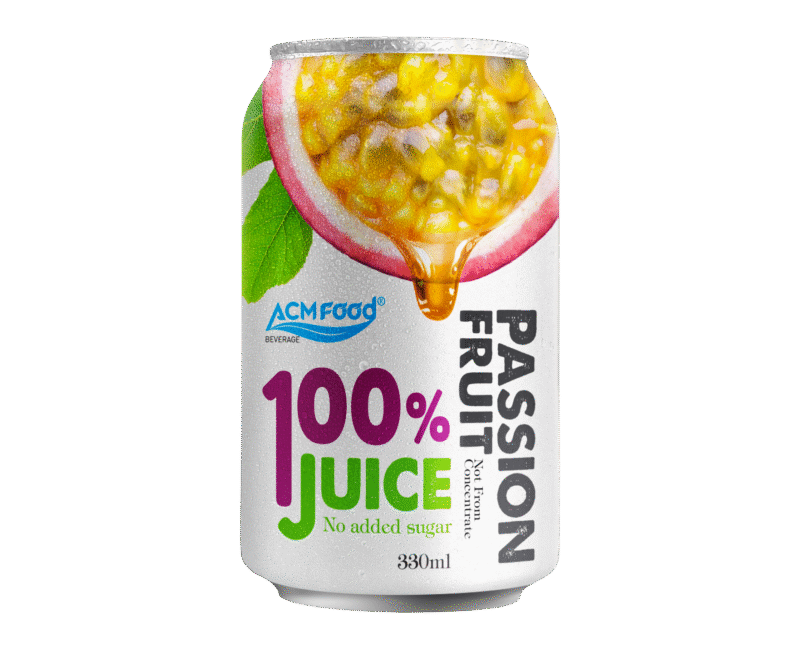
| 100% juice | Single-strength or reconstituted juices; may include natural flavor from the named fruit | Often hot-filled or aseptic; glass, PET, carton; light & oxygen management matters | Premium perception; nutrition and taste of the fruit; percent juice declaration applies |
| Nectar-style beverage | Fruit puree/juice plus water, sweetener, acidulants; sometimes stabilizers for body | Commonly hot-fill or aseptic; PET, carton, sometimes cans | Richer mouthfeel than juice drinks; naming and graphics must be truthful to fruit content |
| Juice drink / flavored beverage | Lower juice content; water, sweetener, flavors, acids; may include vitamins | Hot-fill, tunnel pasteurization, or aseptic; cans or PET | Value-oriented; flavor-forward; ensure clear percent juice where applicable |
What U.S. regulations should non-alcoholic beverages meet?
Brands supplying the U.S. market must comply with applicable federal rules and, where relevant, state requirements. For non-alcoholic beverages, key areas include manufacturing practices, ingredient status, and labeling.
- Current Good Manufacturing Practice and Preventive Controls: Food facilities follow cGMP and risk-based preventive controls (often referenced under 21 CFR Part 117 framework).
- Imported foods & FSVP: U.S. importers generally maintain a Foreign Supplier Verification Program for qualifying foreign-made foods.
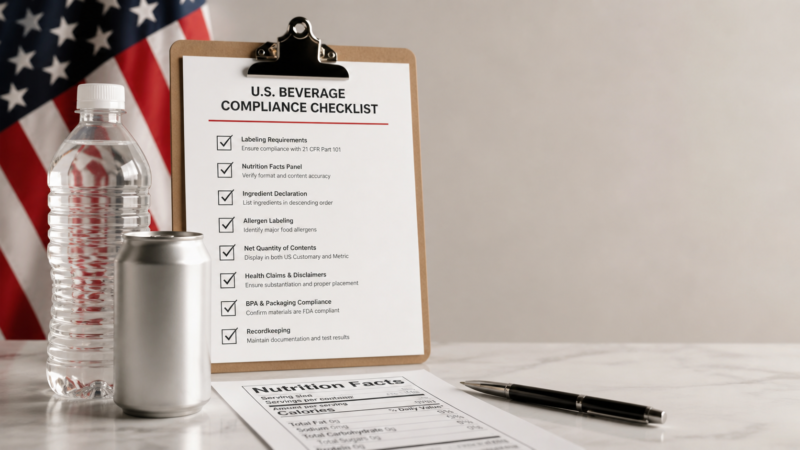
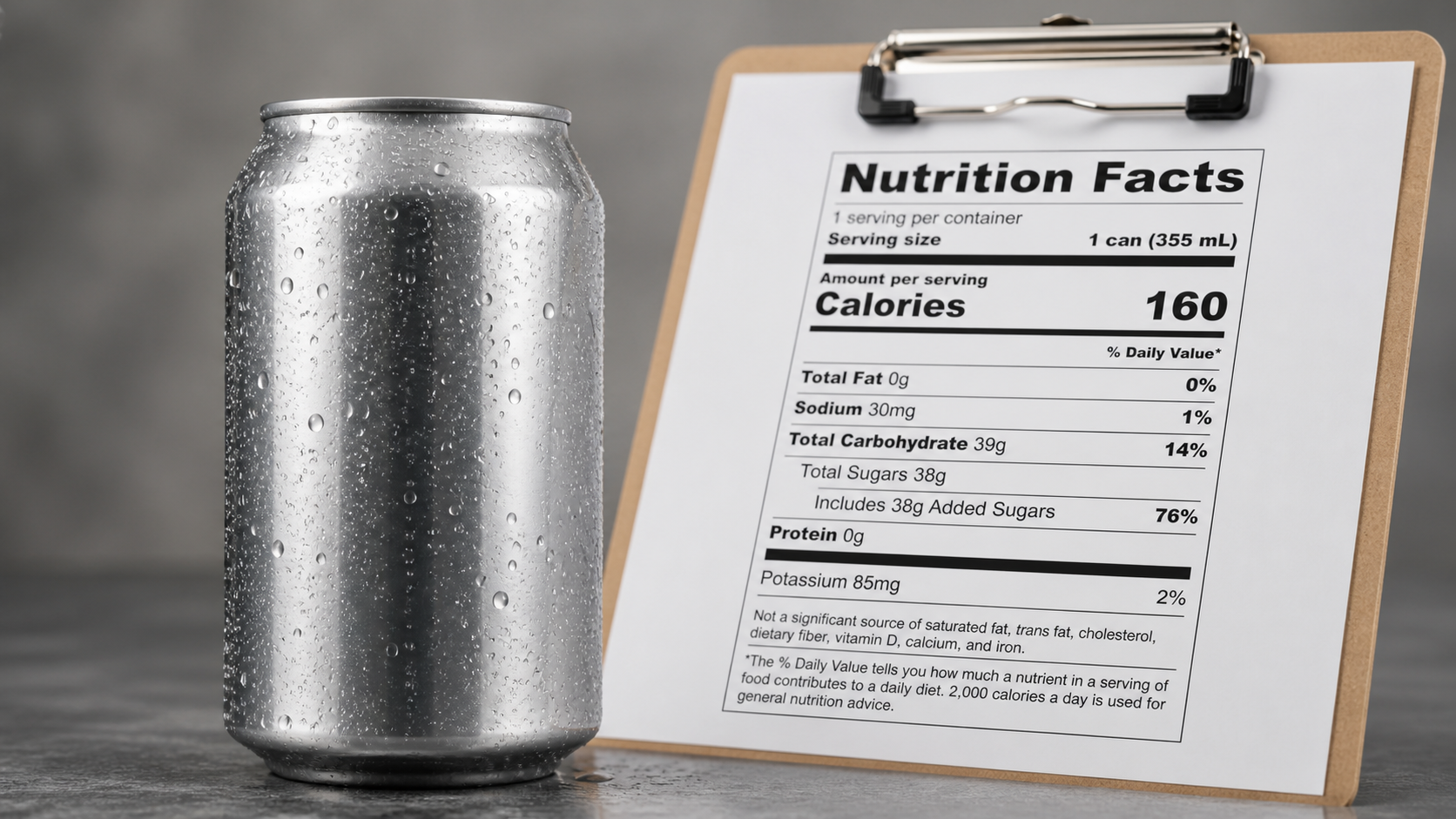
- Labeling: The Nutrition Facts label, ingredient statement, allergen labeling, percent juice declaration (if applicable), net quantity, and statement of identity requirements are governed under federal labeling rules (commonly referenced under 21 CFR Part 101).
- Allergens: Major food allergens in the U.S. include milk, egg, fish, crustacean shellfish, tree nuts, peanuts, wheat, soybeans, and sesame. Allergen control and labeling must be accurate.
- Acidified & low-acid canned foods: Certain shelf-stable, heat-processed beverages may require scheduled processes and filings (commonly associated with 21 CFR Parts 113/114). Consult a process authority when in scope.
- Prior Notice: FDA typically requires Prior Notice before food shipments enter the U.S.
- State-specific considerations: Examples include California Proposition 65 warnings in defined scenarios; verify applicability for your product.
Alcoholic beverages are regulated differently (e.g., TTB for many aspects). This guide focuses on non-alcoholic categories.
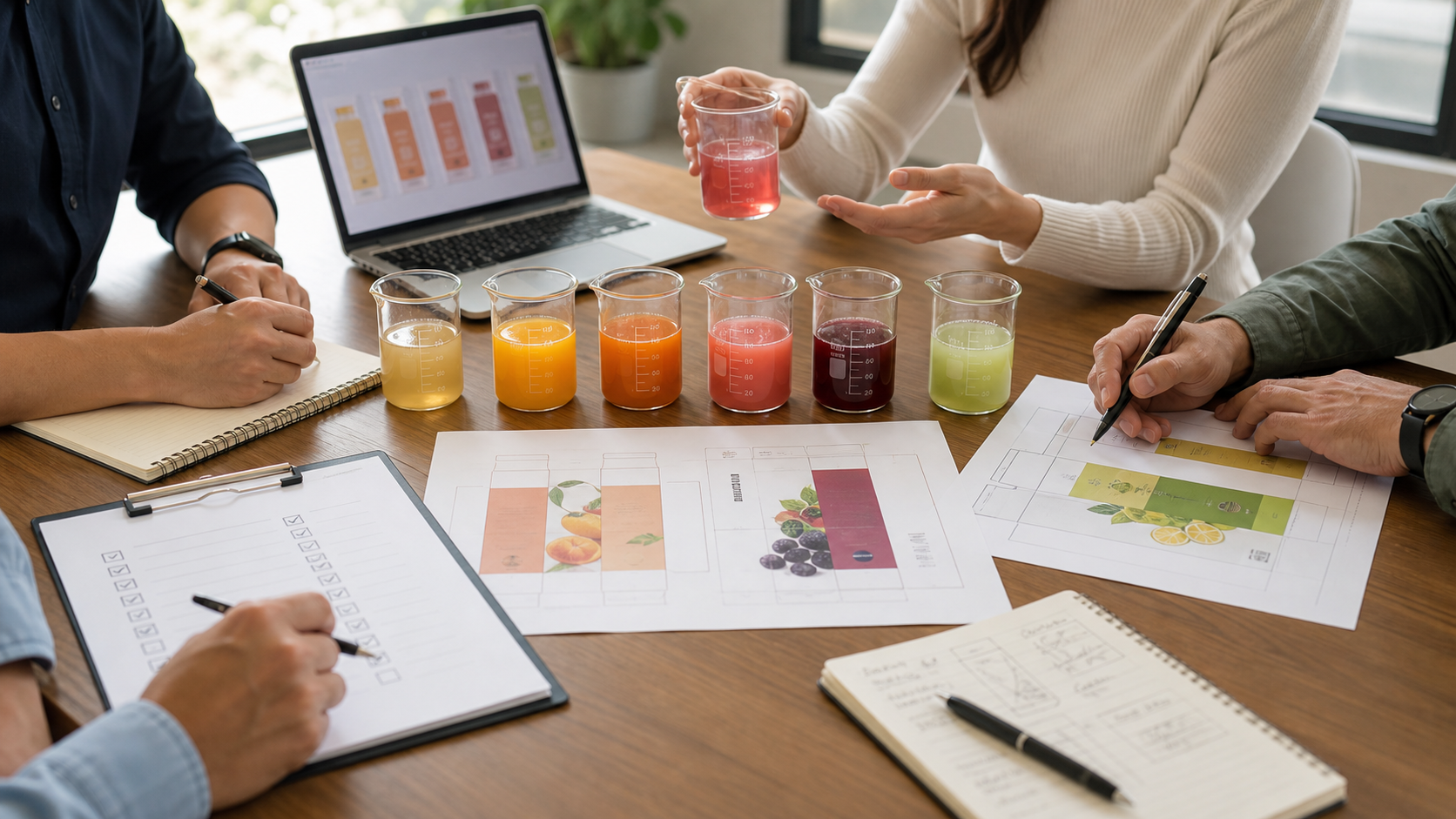
How do processing choices affect quality and shelf life?
Processing sets the safety and stability framework. The right method depends on your beverage’s acidity, carbonation, particulates, packaging, and desired shelf life and distribution.
- Hot-fill (commonly for high-acid still beverages): Fills product at elevated temperatures into compatible containers; effective for ambient distribution when parameters are validated.
- Tunnel pasteurization (often for carbonated or certain canned products): Heats sealed containers through a controlled cycle; helps protect flavor and carbonation when designed appropriately.
- Aseptic processing: Sterilizes product and package separately, then fills in sterile conditions; supports delicate flavors and vitamins when needed.
- Retort: Thermal processing of sealed containers for applicable low-acid or specific formulations; robust safety margin with formulation and process authority oversight.
- High Pressure Processing (HPP): Non-thermal method typically used for refrigerated premium beverages; preserves fresh-like attributes with a cold-chain requirement.
Processing must integrate with formulation (pH, Brix target, stabilizers), packaging (heat resistance, barrier), and sensory goals. Early pilot work helps prevent surprises at scale.
Packaging options for U.S. retail and foodservice
Packaging affects stability, shipping cost, merchandising, and sustainability cues. Align the container with processing, channel, and brand identity.
- Aluminum cans: Standard or sleek. Excellent light & oxygen barrier, fast-filling lines, widely accepted in sparkling and still segments.
- PET bottles: Clear display of color, light-weight, versatile for hot-fill or aseptic when specified. Consider light/oxygen barriers and closures.
- Glass bottles: Premium perception, strong barrier; weight and breakage risk must be managed.
- Aseptic cartons: Ambient distribution for juices and dairy-alternative beverages; panel space for storytelling.
- Pouches & spouted packs: On-the-go, family, or kids’ segments; check fit with process and channel.
- Closures & fitments: Caps, sports tops, can ends; torque/seam integrity are part of quality release checks.
Don’t forget secondary packaging, case counts, pallet patterns, and GS1 barcodes that align with retailer routing guides.
Ingredient selection and U.S. compliance
Confirm that each ingredient is permitted in the intended use and at intended levels in the U.S. For flavors, colors, and sweeteners, check status and labeling requirements.
- Flavors: “Natural” vs. “artificial” flavor labeling depends on source and function; align with flavor house documentation.
- Colors: Some color additives require certification; others are exempt. Ensure approvals and correct declaration.
- Acidulants & stabilizers: Citric, malic, pectin, CMC, gums, and gellan are common; pick process-compatible systems.
- Sweeteners: Options include sugars, stevia, monk fruit, sucralose, and others within permitted uses. Labeling may also need “added sugars” on Nutrition Facts when applicable.
- Fortification: Vitamins/minerals require appropriate source compounds, stability testing, and compliant labeling.
Formulation strategy: taste, stability, and clean label
Great U.S. beverages balance flavor impact, sweetness, acidity, and body while staying production-ready and label-appropriate. Consider the following during benchtop and pilot work:
- Sugar strategy: total sugars, perceived sweetness, and whether non-nutritive sweeteners fit your positioning.
- Acidity & flavor lift: manage pH and the roles of citric/malic; bitterness masking when needed.
- Body & mouthfeel: fruit purees, fibers, and hydrocolloids can shape texture within category norms.
- Color integrity: anthocyanins and other natural colors may fade with heat/light; manage via processing, packaging, and storage.
- Cloud stability: select appropriate emulsions/stabilizers for citrus and tropical profiles.
- Carbonation: CO₂ levels impact bite, flavor release, and seam performance.
For fruit-led SKUs, see examples of development approaches in kiwi juice OEM services for private label and a complete guide to private label guava juice manufacturing.
Quality assurance and testing plan
Before scaling, define objective criteria and test methods so every lot can be released with confidence.
- Specifications: sensory profile, fill volume, net contents, pH range, carbonation (if applicable), packaging torque or seam criteria, appearance targets.
- Microbiology: product-category-appropriate testing plan and environmental monitoring under a HACCP-based system.
- Stability & shelf life: real-time and, when useful, accelerated studies for flavor, color, particulates, and package integrity.
- Label verification: confirm Nutrition Facts calculations, serving size, allergens, ingredient order, and percent juice if required.
- Traceability & documentation: lot coding, COAs, retain samples, and complaint handling procedures.
Commercial terms U.S. buyers evaluate
Successful beverage manufacturing USA projects pair technical readiness with clear commercial alignment. Expect discussion around:
- Order quantities & run-size economics: driven by package, process, and line setup realities.
- Cost drivers: ingredients, flavors, sweeteners, format, processing method, packaging, and freight.
- Incoterms & logistics: responsibilities for freight, insurance, customs clearance, and delivery timing.
- Lead-time structure: formulation approval, artwork, materials sourcing, and line availability influence timelines.
- Retailer compliance: GS1 barcodes, case labels, pallet specs, OTIF expectations, and EDI readiness.
- Service add-ons: formulation support, artwork prepress, regulatory review, and 3PL/warehousing arrangements as negotiated.
Artwork and Nutrition Facts for the U.S.
U.S. labels must include mandatory elements placed and formatted according to federal labeling regulations. Partner early with your designer and compliance team.
- Statement of identity and net contents on the principal display panel.
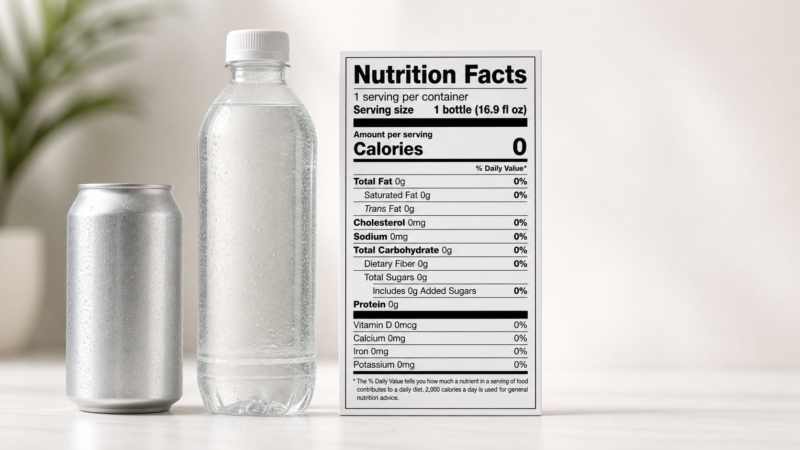
- Nutrition Facts in the current required format, including added sugars when applicable.
- Ingredient statement by descending weight, with sub-ingredients where required.
- Allergen declaration for major allergens including sesame, when present.
- Percent juice declaration for beverages that contain juice, as required.
- Name and address of responsible firm, lot coding, and other elements as applicable.
Claims (e.g., “natural,” “no added sugar,” or certifications) depend on final formula, verified levels, and your target market’s rules. Always validate permissibility before artwork lock.
Route to market: channels and use cases
Choose channels that fit your price-value equation and packaging format, then design manufacturing and logistics around those choices.
- Grocery & natural: established sets; shelf-ready packaging and promotional plans help earn space.
- Convenience: smaller formats, high turnover, and fast-moving flavor profiles.
- Club & mass: value packs, robust supply planning, and strong QA consistency.
- E-commerce & DTC: ship-ready cases, leak resistance, and returns handling.
- Foodservice: larger packs, back-of-house compatibility, and cold-chain where required.
Risk checklist and readiness scorecard
Use this checklist to reduce surprises between pilot and commercialization.
- Defined process and packaging compatible with your formula and shelf-life goal.
- Documented ingredient approvals and supplier specs for the U.S. market.
- Confirmed labeling path: Nutrition Facts, allergens, percent juice, and any claims.
- Signed-off golden samples, color standards, and sensory descriptors.
- Quality plan: micro testing, environmental monitoring, and release criteria.
- Artwork proofs with regulatory review before print.
- Logistics plan: temperature profile, case & pallet specs, and customs steps if importing.
- Retailer onboarding: barcodes, item setup, case labels, and routing compliance.
Information for beverage brands and importers
Whether you engage a domestic co-packer or an international OEM partner, the fundamentals are the same: build a precise brief, confirm regulatory feasibility for the U.S., and run disciplined pilot-to-scale steps. If you’re exploring fruit-forward SKUs, practical pathways are shown in our resources on kiwi juice OEM services and private label guava juice manufacturing. For a regional comparison of considerations, see Beverage Manufacturing for Australian Brands.
To accelerate supplier conversations, prepare a concise product brief covering: target flavor(s), sweetness and calorie targets, processing preference (if known), intended pack size & format, shelf-life target and channel, claims to be validated, micro and sensory specs, and artwork timeline. This unlocks faster feasibility checks and clearer quotations from potential partners for contract beverage manufacturing USA projects.
FAQ
Can a non-U.S. facility manufacture beverages for U.S. brands?
Yes, provided the product meets U.S. food safety and labeling rules, the importer handles FSVP obligations where applicable, and all required import steps (such as Prior Notice) are completed. Many U.S. brands successfully partner with qualified international OEM/ODM facilities to supply the U.S. market.
What is the minimum order quantity (MOQ)?
MOQs vary by format, packaging, and processing method. For example, canning lines, aseptic fillers, and hot-fill PET lines have different setup and material requirements. Discuss realistic run sizes with your prospective manufacturer after you’ve aligned on package type and process.
How long does development and launch usually take?
Timelines depend on formulation complexity, ingredient lead times, artwork, and line scheduling. The fastest paths come from a detailed brief, quick feedback on samples, pre-booking pilot capacity, and early label compliance alignment. Build contingency into your plan for proofs and process validations.
Who prepares the Nutrition Facts panel?
Brands typically collaborate with a regulatory specialist or labeling consultant using formulation data, lab results when needed, and serving size rules. Your manufacturer can often supply ingredient data, but label accuracy remains the brand owner’s responsibility.
Is “no added sugar” a viable claim?
It can be, if your formula truly contains no added sugars and the claim is permitted for your product type. Claims depend on the final formula, serving size, and applicable regulations. Validate permissibility before artwork lock and ensure calculations match your Nutrition Facts.
Conclusion
Beverage manufacturing USA projects succeed when brands integrate market positioning, compliant labeling, validated processing, and fit-for-purpose packaging with a robust QA plan. Align early on formula, process, and artwork; verify U.S. regulatory pathways; and pressure-test your logistics plan before scaling. With a strong brief and disciplined pilot-to-launch roadmap, you can move from concept to shelf with fewer surprises and a product built for U.S. retail and foodservice realities.
Manufacturing for U.S. brands
If you are sourcing for the U.S. market, three pages cover what buyers ask first. OEM beverage production covers how a recipe moves into production; certifications and food safety systems covers the documents customs and retailers will ask you to produce; export and logistics covers shipping terms and the document pack. To price a programme, request a quote.
Request a quoteWhere to go next
Sourcing for the U.S. market? The United States beverage market page covers the full OEM and private label programme for U.S. brands and importers: MOQ 500 cartons per SKU, 15-30 day production, HACCP / ISO 22000 / FSSC 22000, and shipping from Ho Chi Minh City. Request a quote and we reply within 24 hours.