


 Français
 Español
 العربية
 한국어
한국어A beverage pilot run is a production-scale trial that proves a formula approved on the bench actually behaves correctly on real line equipment, before a brand commits to a full commercial production run. Passing a bench tasting is not the same as passing a pilot run, because filling, sealing, and handling equipment introduces variables a small bench sample never encounters.
This guide explains what a pilot run is meant to test, how it differs from both a bench sample and a full commercial batch, and what a brand should prepare before scheduling one, so the run produces a clear answer rather than an ambiguous result that has to be re-tested.
Why a successful bench sample is not enough on its own
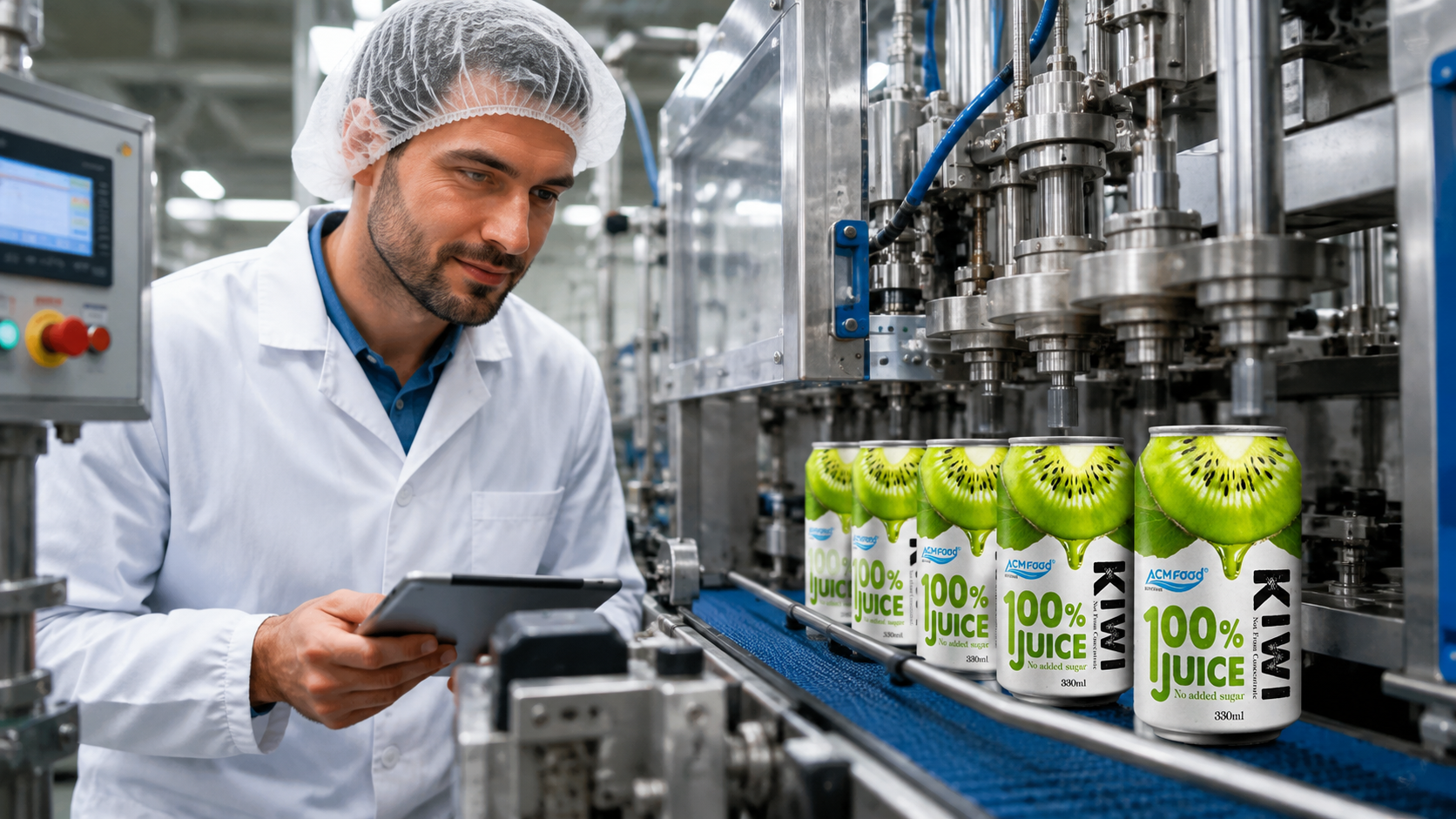
A bench sample is typically made in small quantities using lab-scale equipment that does not replicate the shear, heat transfer, and handling speed of a commercial filling line. A recipe that tastes and looks correct on the bench can behave differently once it is pumped, heated, filled, and sealed at production speed, which is exactly what a pilot run is designed to catch before those issues reach a full commercial batch.
Who is typically involved in a pilot run
A pilot run usually brings together people who rarely need to be in the same room for a bench sample: the manufacturer’s process and quality teams, whoever is responsible for the formulation on the brand side, and often a packaging technician who can address closure or seaming questions on the spot. Having the right people present matters because pilot-scale issues are frequently diagnosed faster in person than through photos or written notes exchanged after the fact.
Where a brand cannot attend in person, agreeing in advance on what will be recorded, photographed, and retained as samples helps ensure a remote review can still reach a clear pass or fail decision.
What changes between benchtop and pilot scale?
Moving from benchtop to pilot scale introduces real equipment for the first time: production mixing tanks, in-line heat treatment, actual filling heads, and commercial packaging components. See how a formula moves from benchtop sample to first production run for a fuller picture of this transition and the checkpoints typically involved along the way.
What a pilot run is actually meant to test
- Fill accuracy and consistency: Whether the filler can hit target volume or weight consistently across a run, not just on a single test shot.
- Seaming and closure integrity: Whether cans seam correctly or closures torque to specification at production speed.
- Flavor and color stability under real processing: Whether heat treatment or filling conditions shift taste or appearance compared with the bench sample.
- Foaming and handling behavior: Whether the product foams, splashes, or behaves unexpectedly when moved and filled at commercial speed.
- Line speed compatibility: Whether the formulation’s viscosity and behavior are compatible with the intended commercial line speed.
Bench sample vs pilot run vs commercial run
| Stage | Typical scale | What it validates |
|---|---|---|
| Bench sample | Small lab-scale batch | Flavor, color, and basic formulation direction |
| Pilot run | Small production-equipment batch | Real filling, sealing, and handling behavior on actual line equipment |
| Commercial run | Full production volume | Sustained consistency at full speed and volume over an extended run |
What a finished pilot batch should be checked against
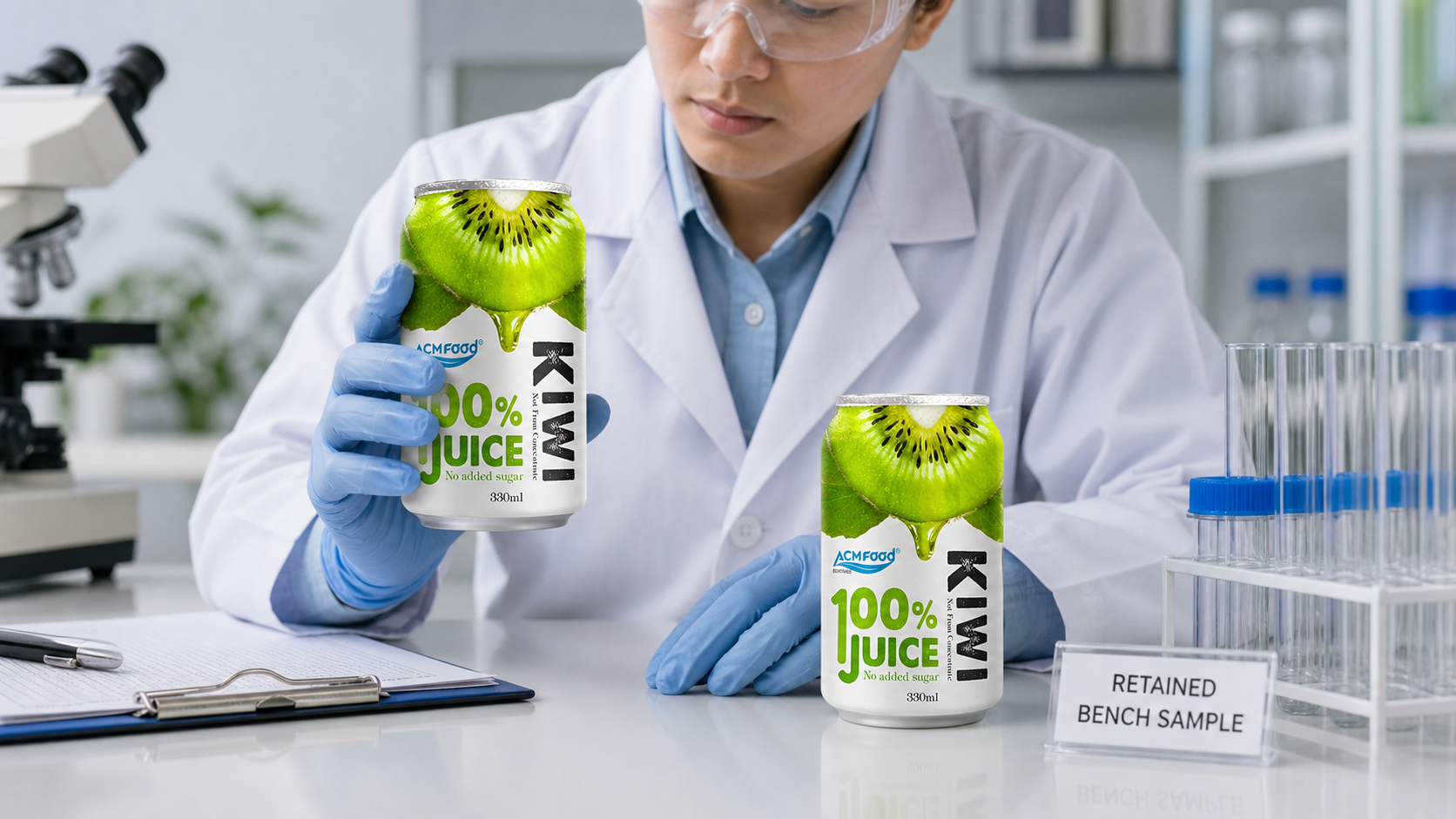
Once a pilot batch is filled and sealed, it should be compared directly against the approved bench sample and against your target specification, not evaluated in isolation. Retained bench samples give the clearest reference point for whether the pilot output has drifted in flavor, color, or texture once real equipment was involved.
Documenting a pilot run for future reference
A pilot run generates reference data that is worth keeping well beyond the immediate pass or fail decision: fill weights recorded during the run, photos of seaming or closure results, retained physical samples, and any process parameters that were adjusted from the original plan. This record becomes valuable later, both as a baseline for comparing future commercial batches and as part of the documentation package if the product is ever transferred to a different manufacturer.
Pilot runs across different beverage categories
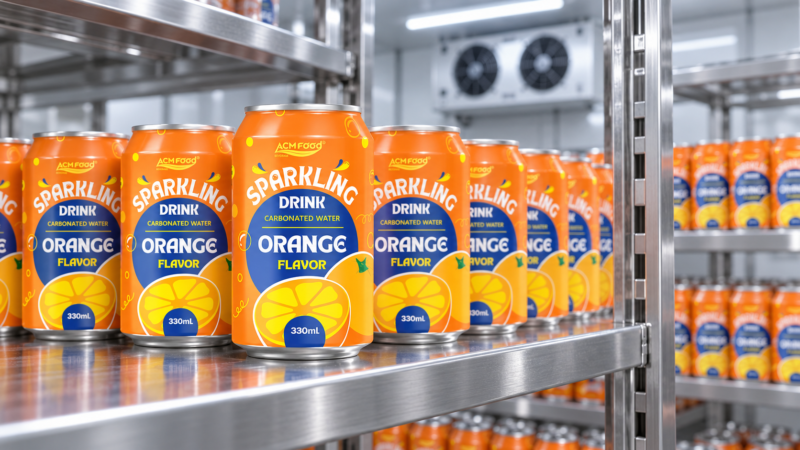
What a pilot run needs to verify shifts depending on the product category, since different formulations stress different parts of the process. A still juice mainly needs fill accuracy and heat-treatment verification, while a carbonated product needs its carbonation retention checked under real filling conditions, and a seed-inclusion or pulp-containing drink needs suspension and nozzle-clearance behavior confirmed at production speed rather than assumed from a bench sample. Planning the pilot run’s specific checks around your product category, rather than using a generic checklist, catches more of the issues that actually matter for that formulation.
How long does a pilot run take, and what does it cost?
Timelines and costs vary by product complexity, packaging format, and how much equipment time a manufacturer needs to allocate for a small non-commercial batch. See beverage sample costs and timelines before you commit for how these factors are typically estimated, and why beverage production takes 15 to 30 days for how a pilot run fits into a broader production timeline once commercial scheduling begins.
Common issues that only show up at pilot scale
- Foaming during filling that was never visible when the product was poured by hand at bench scale.
- Fill volume drifting slightly across a run as tank temperature or viscosity shifts over time.
- Closure torque or can seam parameters needing adjustment for the specific packaging components sourced for this product.
- Color or clarity changes introduced by heat treatment conditions that a bench sample did not go through.
Sample volume: how much product a pilot run actually produces
A pilot run is deliberately smaller than a commercial batch, typically producing enough finished units to support sensory evaluation, retained samples, and sometimes limited sales or retailer samples, without committing to full production volume. The exact quantity depends on the manufacturer’s minimum equipment run size, since most filling lines cannot be started and stopped for an arbitrarily small batch without waste, so it is worth confirming expected pilot volume early if you plan to use pilot output for anything beyond internal evaluation.
What to prepare before scheduling a pilot run
- Retained bench samples for direct side-by-side comparison against the pilot output.
- A written target specification with acceptable tolerance ranges, not just a general description of the product.
- Confirmed packaging components (cans, bottles, closures, labels) that match what commercial production will actually use.
- Clear acceptance criteria agreed in advance, so a pass or fail decision does not need to be made on the spot.
What it costs to skip a pilot run
Skipping a pilot run does not remove the equipment-specific risks a pilot is meant to catch; it simply moves the point where those risks surface from a small, low-cost batch to a full commercial run. A fill-accuracy or seaming problem discovered during a commercial run affects an entire batch of finished, packaged product rather than a limited pilot quantity, and can also delay a launch date if the affected stock cannot be shipped. Weighed against this, the additional time and cost of a pilot run is usually the cheaper outcome.
When to run a second pilot instead of moving to commercial
A second pilot run is usually worth scheduling when the first run reveals an issue that required a formulation, process, or packaging change, since the fix itself needs to be verified on real equipment before commercial volume is committed. Moving straight to commercial production after an unresolved pilot issue is one of the more common ways a preventable defect reaches a full batch, and the cost of a second small pilot batch is almost always lower than the cost of reworking or discarding commercial-scale output.
Pilot runs as part of a manufacturer transfer
A pilot run is not only for new products. When an existing formulation is moved to a new manufacturing partner, a pilot run plays the same verification role: confirming the recipe performs correctly on the new site’s equipment before committing to full volume. See moving an existing beverage recipe to a new manufacturer for how this fits into a broader transfer plan.
Communicating pilot-run results back to your brand team
A pilot-run report is more useful to the rest of your organization when it goes beyond a simple pass or fail statement and includes what was measured, what tolerance it was checked against, and what, if anything, was adjusted. This is particularly relevant when the pilot output will also be used for early sales samples or retailer presentations, since a small unresolved discrepancy from the approved bench sample can otherwise surface later as an unexplained inconsistency in market feedback.
Filling technology and pilot-run outcomes
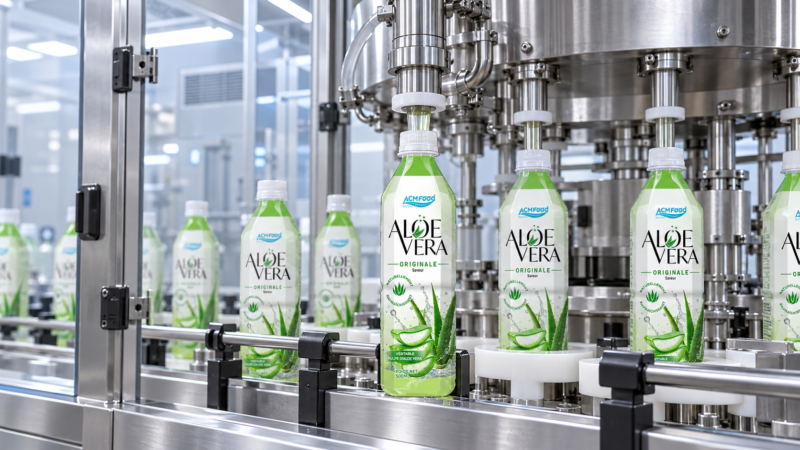
The filling technology used for your pilot run should match what commercial production will actually use, since different filling approaches suit different product types and pH levels. See choosing a filling technology by beverage pH for how this choice is typically made, and confirm it before scheduling a pilot run rather than after, since a pilot run on the wrong filling technology does not reliably predict commercial performance.
FAQ: beverage pilot run
How is a pilot run different from a bench sample?
A bench sample is made at small lab scale and mainly confirms flavor and formulation direction. A pilot run uses real production equipment at a smaller volume, and is specifically designed to test filling, sealing, and handling behavior that a bench sample cannot replicate.
Can I skip the pilot run and go straight to commercial production?
This is generally not advisable, since equipment-specific issues such as foaming, fill accuracy, or closure integrity are much more expensive and disruptive to discover during a full commercial run than during a small pilot batch.
How many pilot runs are typically needed?
One is common when the first run passes against agreed acceptance criteria. A second is often scheduled when the first run required a formulation, process, or packaging change that needs to be verified before commercial volume.
Does a pilot run guarantee commercial-scale consistency?
Not entirely. A pilot run is typically smaller than a full commercial batch, so sustained consistency over a longer run is still verified during the first commercial production rather than assumed from pilot results alone.
Conclusion
A beverage pilot run exists to catch equipment-specific issues that a bench sample cannot reveal, before those issues reach a full commercial batch. Prepare retained bench samples, a written specification, and confirmed packaging components before scheduling one, and treat a second pilot as a normal step rather than a setback whenever the first run surfaces something that needs fixing.