


 Français
 Español
 العربية
 한국어
한국어Booking beverage production capacity is less about finding an open date on a calendar and more about matching an order to the right kind of slot: a repeat run of an existing formulation, a new product development slot, or a seasonal peak-demand slot, each of which a manufacturer plans and books differently. Treating every order as interchangeable is the most common reason a brand books later than it needs to, or later than the manufacturer’s schedule can actually accommodate.
For beverage brands planning an order, understanding what actually determines how far in advance a slot needs to be booked helps set realistic expectations with a manufacturing partner, rather than assuming every order fits into the same planning window.
A booking conversation that starts with a fixed launch date and works backward tends to surface scheduling risk earlier than one that starts with a preferred production date and hopes the rest of the timeline falls into place around it. For a fuller view of how a new product moves from brief to shipment, see our guide on the private label fruit juice development timeline.

What Determines How Far in Advance a Brand Should Book Production?
How early a brand needs to book depends mainly on whether the order repeats an existing formulation or introduces something new, how much the manufacturer’s current schedule is already committed, and whether the order falls inside a seasonal demand peak. These three factors interact, so the same brand can face very different booking windows for two different orders placed only a few months apart.
- Order type — a repeat run of an approved formulation generally needs less advance notice than a new product still going through formulation and approval.
- Manufacturer’s existing schedule — how much of the manufacturer’s current capacity is already committed to other brands’ orders.
- Seasonality — demand for certain beverage categories rises at predictable times of year, which fills manufacturing slots faster during those windows.
- Packaging or format changes — a new bottle, can size, or case configuration can add coordination time beyond the beverage formulation itself.
Why Lead Times Differ Between Repeat Orders and New Product Development
A repeat order of an already-approved formulation mainly needs a production slot, since the recipe, packaging, and quality parameters are already established. A new product still needs formulation development, sampling, and approval before a commercial production slot is even relevant, which is why new product timelines are usually planned as a sequence of stages rather than as a single booking date.
Because of this, a brand launching its first product with a manufacturer should expect the overall timeline to be shaped more by the development and approval stages than by the production slot itself, while a brand reordering an established product can focus mainly on when a slot is available.
How Seasonality Affects Slot Availability
Certain beverage categories see demand rise at predictable points in the year — a warm-season lift for hydration and juice categories, a holiday-season lift for gifting formats, or a regional lift tied to a specific cultural calendar. Manufacturers plan their own capacity around these patterns, which means slots around a seasonal peak fill up earlier than slots during a quieter period.
Brands planning a seasonal launch benefit from booking ahead of the season itself, not just ahead of their own internal launch date, since the manufacturer’s capacity constraint is tied to when many brands want to produce at once, not to any single brand’s calendar.
Seasonality also compounds with order type. A new formulation intended for a seasonal launch carries the combined risk of both the development timeline and the seasonal booking window, which is why seasonal new-product launches generally benefit from the earliest possible planning conversation with a manufacturing partner.
How Raw Material Lead Times Interact With Production Scheduling
A confirmed production slot still depends on the ingredients and packaging materials needed for that run arriving on time, and some materials carry their own lead times that are independent of the manufacturer’s production schedule. A specialty ingredient, a custom packaging component, or an imported material can each have a supply timeline that needs to be checked against the production date, not assumed to already be covered by the booking itself. Custom labels are a common example, since artwork files and print lead time for a new design can move faster or slower than the rest of the production plan.
This is particularly relevant when a formulation or packaging change is introduced alongside a booking, since a new material may need to be sourced and qualified before it can be used in production, adding a step that a repeat order using existing materials does not need to account for.
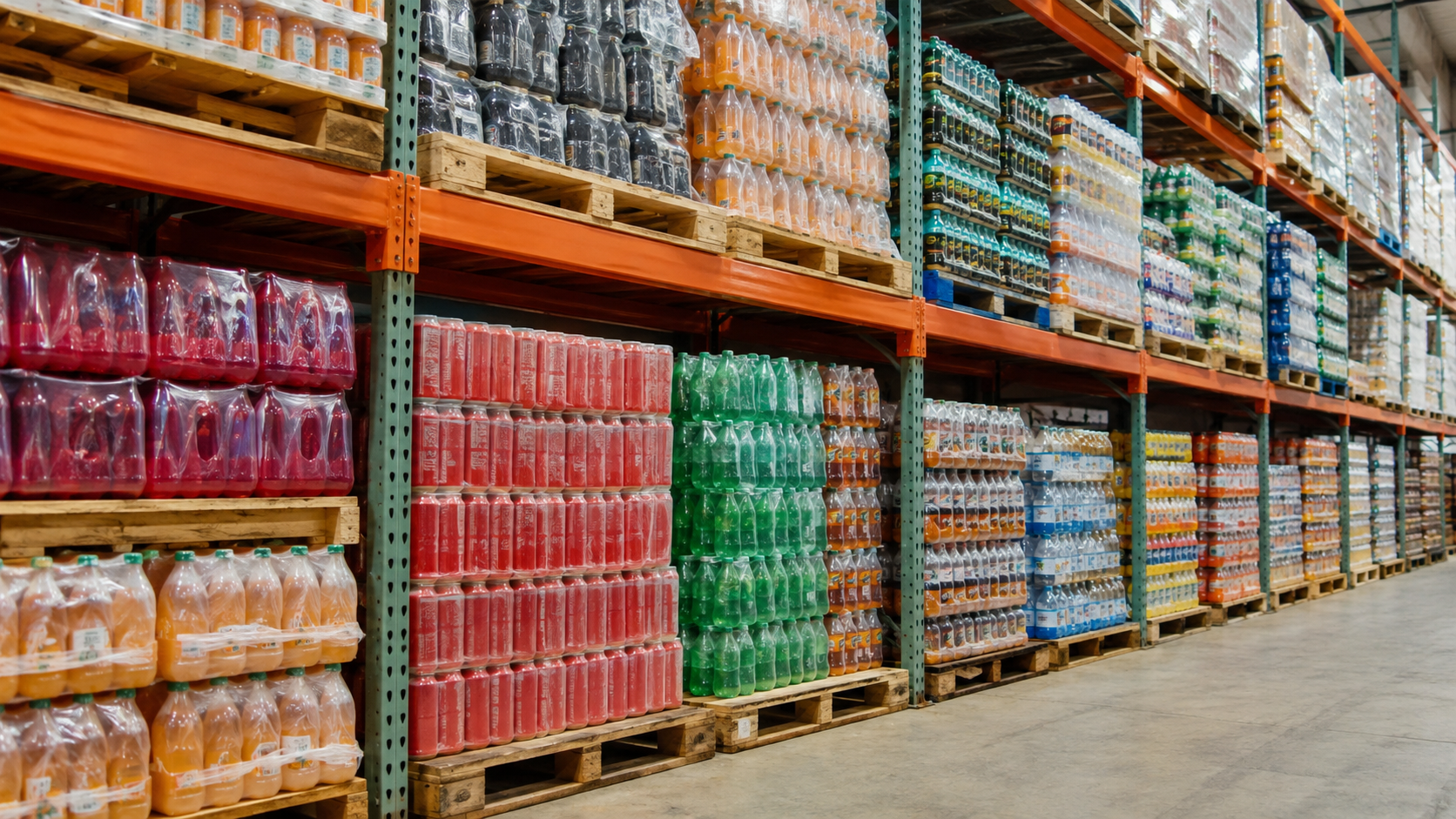
Comparing Repeat Orders, New Formulations, and Seasonal Peak Orders
The table below summarizes general planning differences to frame a scheduling conversation, rather than to specify an exact booking window for a particular product.
| Order Type | Main Planning Driver | Key Question to Confirm |
|---|---|---|
| Repeat order | Slot availability on the manufacturer’s schedule | How much notice does the manufacturer generally need for a confirmed slot? |
| New formulation | Development, sampling, and approval stages before a slot matters | Which stage is the current bottleneck: formulation, packaging, or scheduling? |
| Seasonal peak order | Competing demand from other brands for the same window | How far ahead of the season itself should the booking be made? |
How Minimum Notice Periods Are Typically Set
Manufacturers generally set a minimum notice period based on how their own production lines, raw material ordering, and quality control scheduling are structured, and this period can vary by product category, packaging format, and how busy the facility already is. A minimum notice period is not the same as an ideal booking window — it is the shortest gap a manufacturer can reliably work with, not the timeline that gives the most planning flexibility.
Booking right at the minimum notice period leaves little room to absorb a delay elsewhere in the supply chain, such as a packaging material shipment running late. Brands with any flexibility in their launch date generally get more predictable outcomes by booking earlier than the stated minimum rather than exactly at it.
Minimum notice periods can also change over time as a manufacturer’s own order book fills or empties, so a window that was available for a previous order is not a reliable predictor of what will be available for the next one, especially heading into or out of a seasonal peak.
Common Mistakes When Planning a Production Booking
Most scheduling conflicts come from assuming a booking window that applied to a previous order will apply again, without checking whether the order type, season, or manufacturer’s current schedule has changed.
- Assuming a repeat order and a new formulation need the same amount of notice, when the second usually needs meaningfully more.
- Booking a seasonal launch based on the brand’s own timeline without accounting for competing demand from other brands in the same window.
- Changing packaging format close to a booked slot without confirming whether that change affects the slot itself.
- Treating a manufacturer’s minimum notice period as a safe target rather than a floor with little room for delay elsewhere.
- Not checking whether a new or changed material has its own supply lead time separate from the production slot itself.
Information for Beverage Brands Planning a Production Schedule
When requesting a production slot, it helps to specify whether the order is a repeat run or involves any change to formulation, packaging, or case configuration, since each of these can shift how much notice is realistically needed. Sharing a target launch date early, even before all details are finalized, allows a manufacturer to flag scheduling risk while there is still time to adjust. If a repeat run also involves a different formulation on the same line, see our guide on moving a beverage recipe to a new manufacturer for what typically needs re-checking.
ACMFOOD works with beverage brands on both repeat production runs and new product launches, and can advise on realistic booking windows based on the order type, packaging requirements, and time of year. Raising a scheduling question early is generally far less disruptive than discovering a conflict close to the intended launch date. A booked slot also depends on how quickly the line can be prepared for it, which is where clean-in-place and line changeover planning comes in.
This is also worth revisiting for brands that order the same product every year around the same season, since a booking window that worked in a previous cycle is not guaranteed to still be open at the same point in the calendar if overall demand for that slot has grown.
- Confirm whether the order is a repeat run or includes any formulation or packaging change.
- Ask how far ahead of a seasonal peak the manufacturer recommends booking for that category.
- Flag a target launch date early, even if some order details are still being finalized.

Common Questions About Booking Beverage Production Capacity
Does a repeat order ever need as much lead time as a new product?
It can, if the repeat order falls inside a seasonal peak or if the manufacturer’s schedule is already heavily booked, even though the formulation itself requires no new development. Order type and timing both affect the realistic booking window, not order type alone.
Is it possible to secure a slot before a formulation is fully finalized?
Some manufacturers can hold a tentative slot while formulation details are being finalized, though this depends on how far along the formulation is and how much flexibility exists in the manufacturer’s schedule at that time. This is worth raising directly rather than assuming it is or is not possible.
How does a packaging change affect an already-booked production slot?
A packaging change can affect material lead times, line changeover, or case configuration, any of which may require adjusting the booked slot. Flagging a packaging change as soon as it is decided gives the manufacturer the most room to accommodate it without moving the date.
Should a brand always book earlier than the stated minimum notice period?
Where there is flexibility in the launch date, booking earlier than the minimum generally leaves more room to absorb a delay elsewhere in the supply chain, rather than relying on every other step happening exactly on schedule.
Does a new packaging material always need to be qualified before production?
In most cases, yes. A packaging material that has not been used with a given formulation or filling line before is typically checked for fit and performance before a full production run, which should be planned as part of the overall timeline rather than assumed to run in parallel automatically.
Conclusion
Booking beverage production capacity depends on order type, the manufacturer’s existing schedule, and seasonality working together, not on any single factor in isolation. Treating a repeat order, a new formulation, and a seasonal launch as needing the same planning window is the most common reason a booking conflict appears later than it should.
For brands planning an upcoming order, sharing the order type, packaging details, and target launch date early makes it easier for a manufacturing partner like ACMFOOD to confirm a realistic production slot before scheduling pressure builds closer to the date.