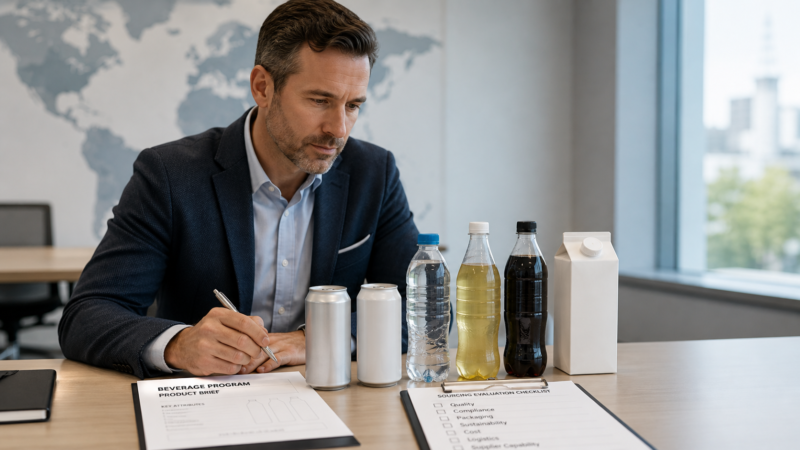

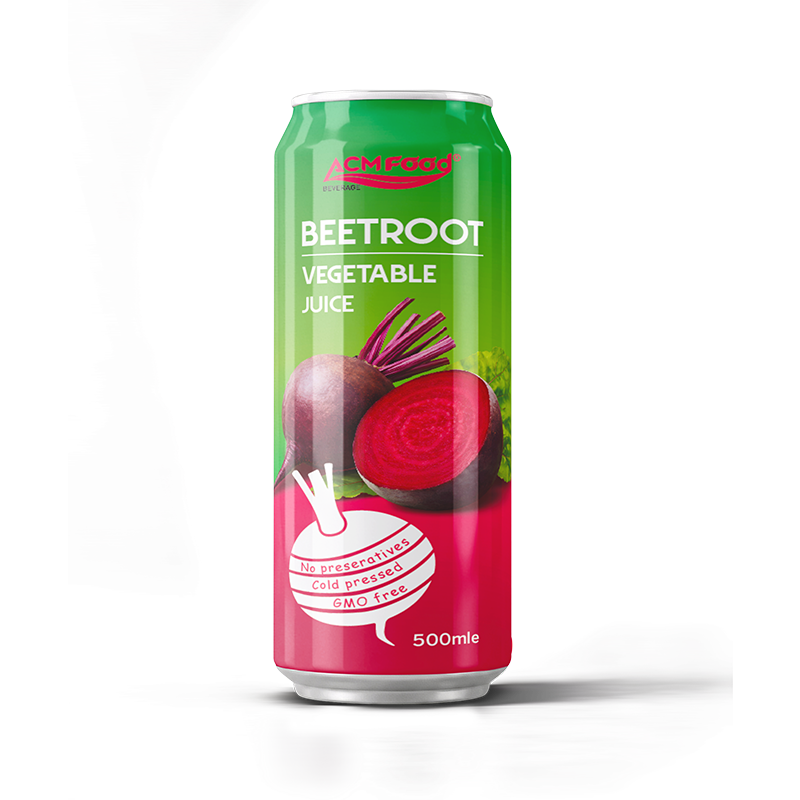
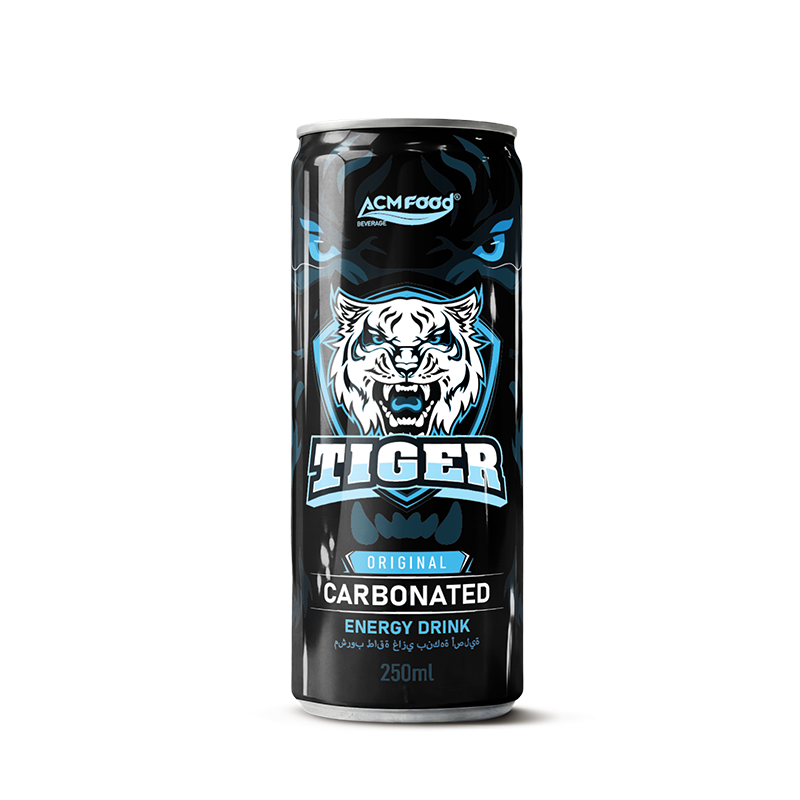
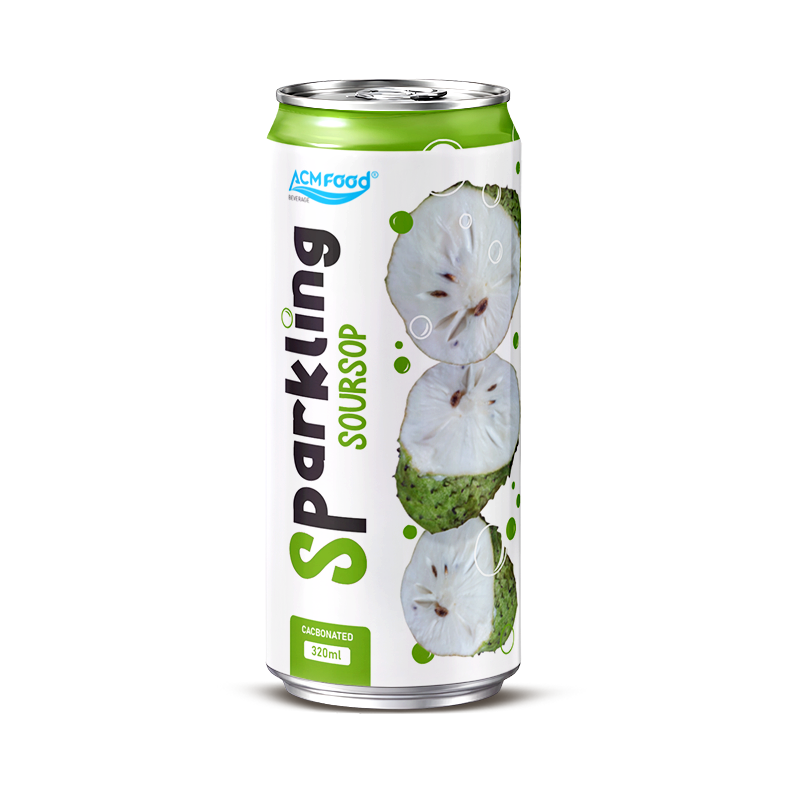
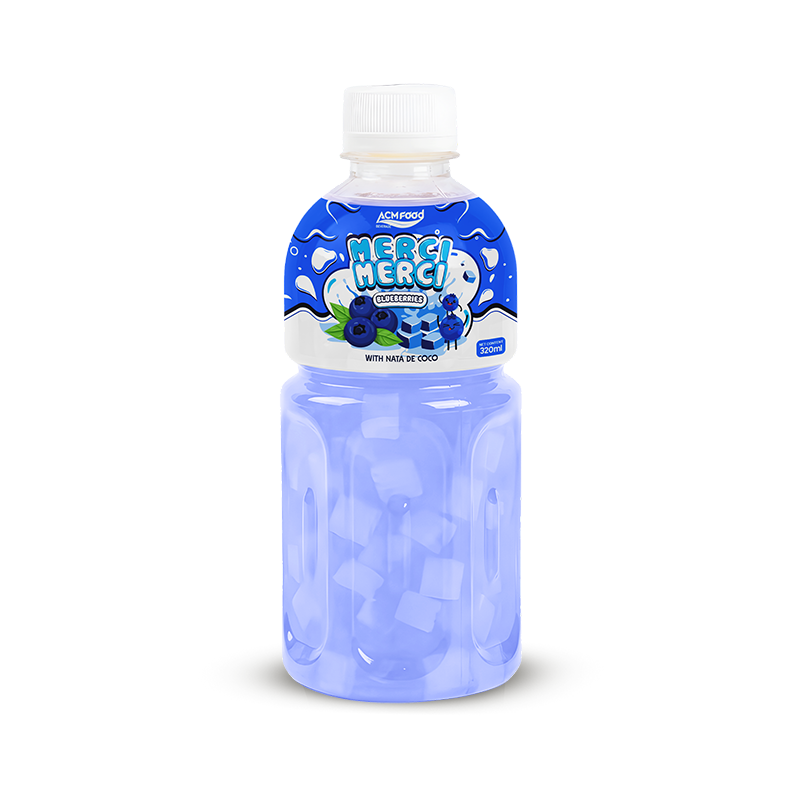
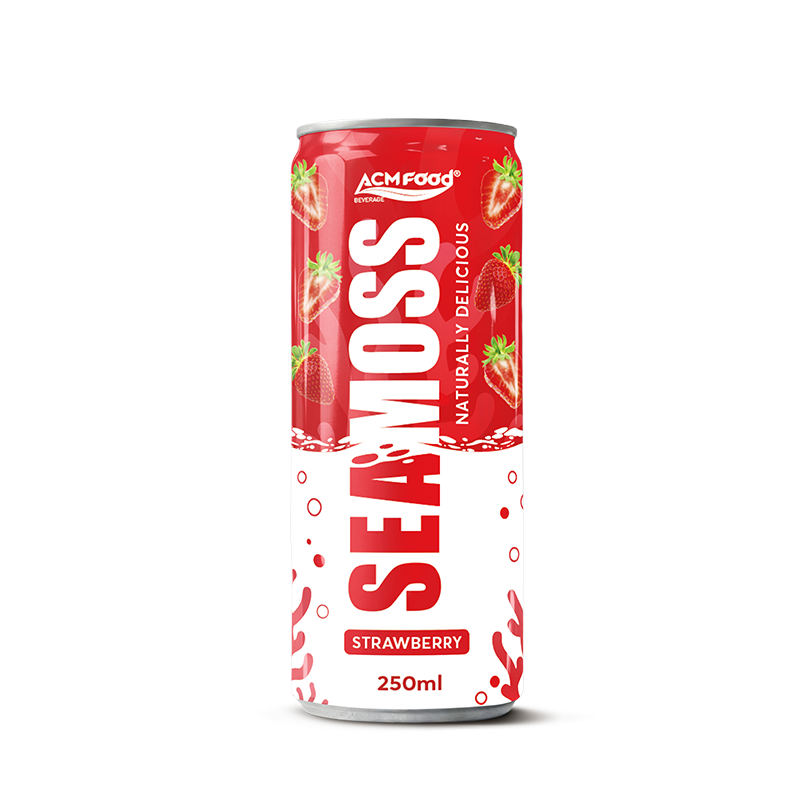
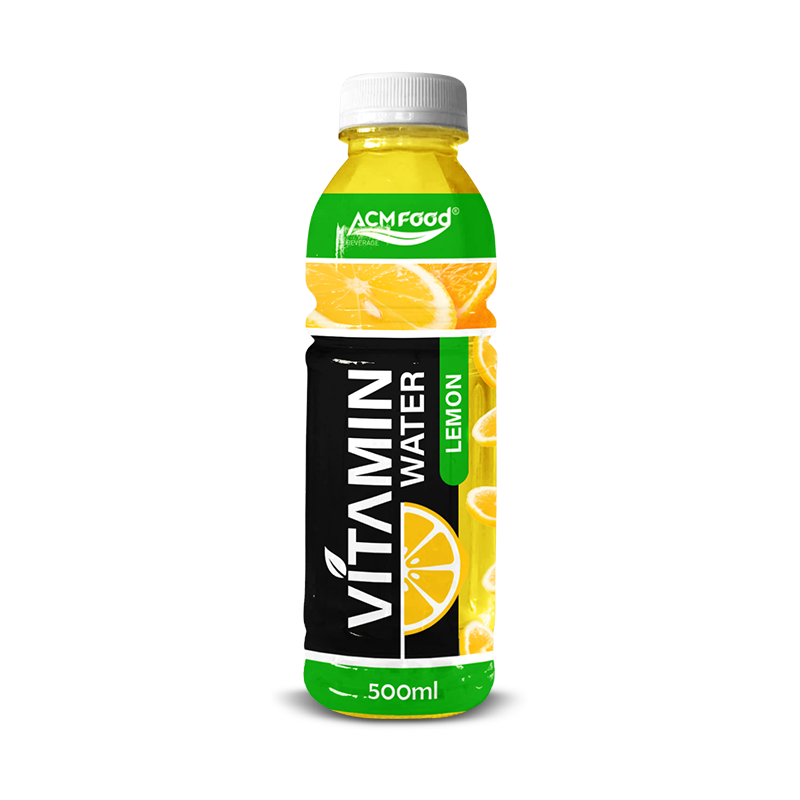
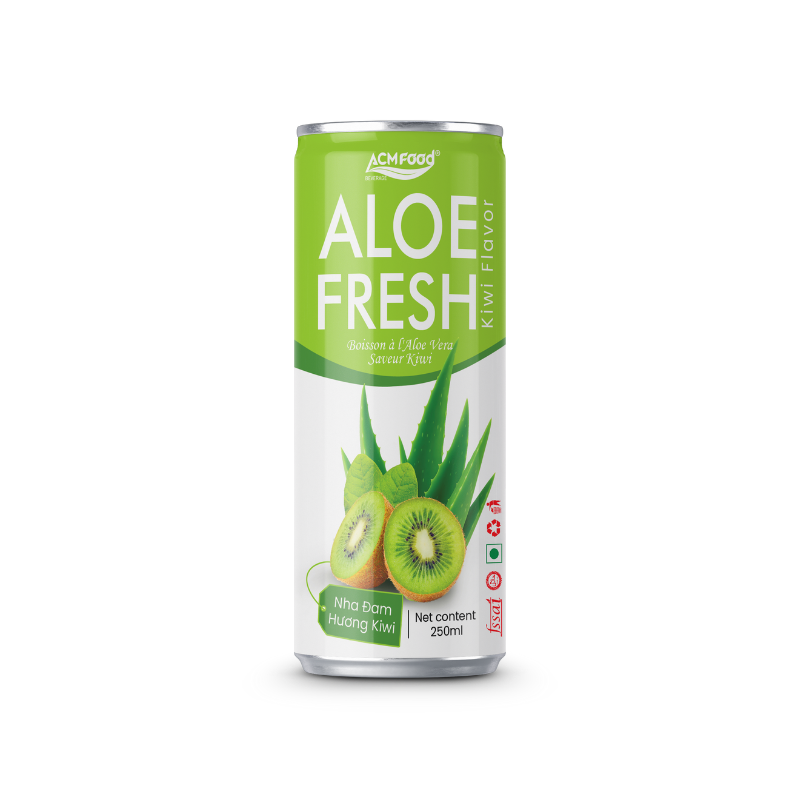
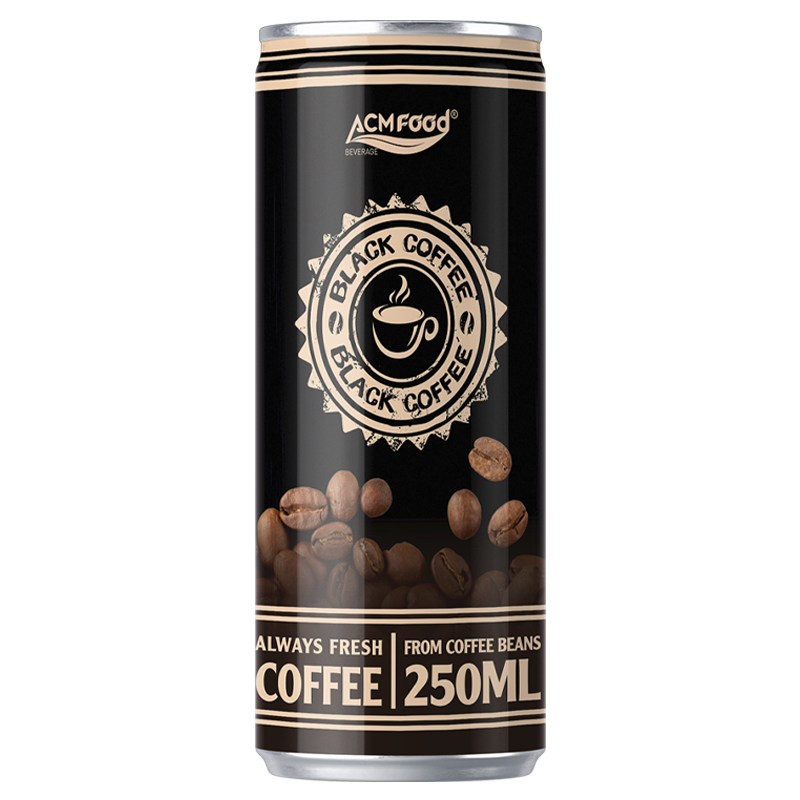
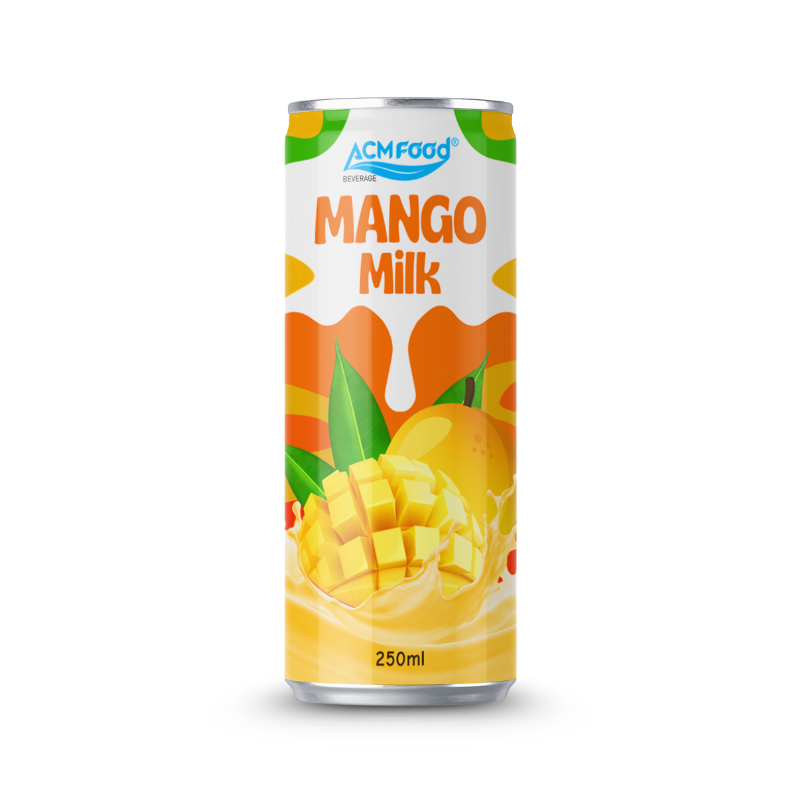
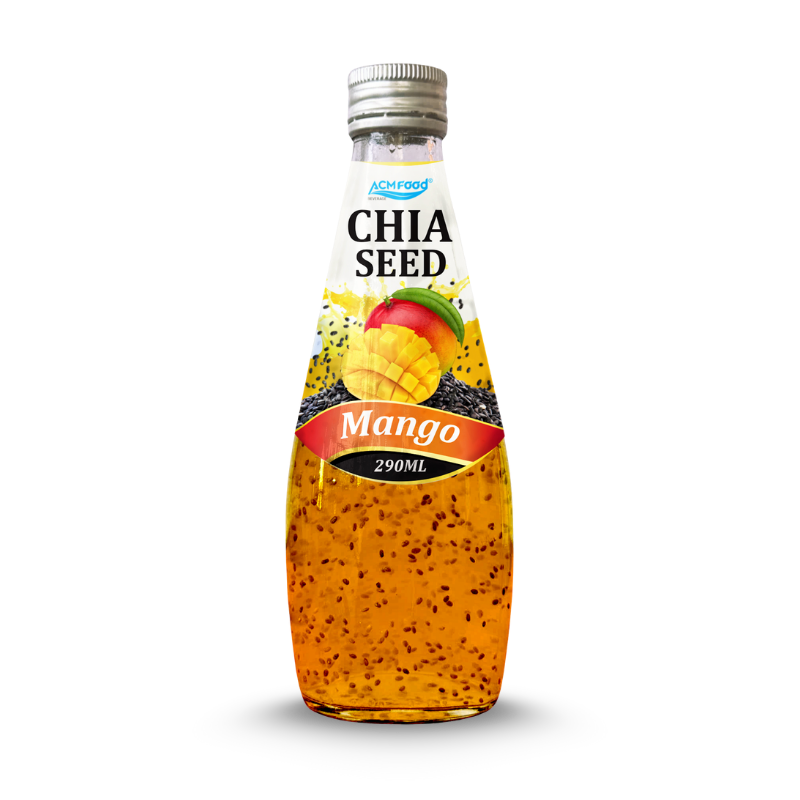
A beverage supplier USA for importers and distributors is a manufacturing partner or consolidator that develops, produces, packs, and ships beverages that meet U.S. regulatory and commercial requirements. The right supplier helps you translate a market brief into compliant formulations, dependable quality, and scalable supply across channels in the United States.
This guide focuses on what U.S. importers and distributors need from a drinks supplier: product formats to source, evaluation criteria, regulatory checkpoints, packaging and shelf life, pricing and logistics, sourcing workflow, and risk control—so you can create a focused brief and select a partner with confidence.

What does a beverage supplier for U.S. importers actually provide?
A capable beverage supplier provides end-to-end support: from product development and raw material sourcing through manufacturing, packaging, documentation, and delivery under agreed trade terms. For U.S. distribution, look for partners who can align with FDA labeling, importer documentation, and retailer demands while maintaining consistent quality and on-time shipments.
Typical scope includes:
- Product strategy support: flavor direction, sugar strategy, calories, sweetness profile, and packaging fit.
- R&D and prototyping: bench samples, revisions, pilot runs, and scale-up guidance.
- Contract manufacturing or private label: batching, filling, and packing.
- Quality management: raw material controls, in-process checks, finished goods release, and stability testing where applicable.
- Regulatory coordination: ingredient documentation, allergen statements, percentage juice declarations (when relevant), and label review support.
- Operations: forecasting alignment, production scheduling, and capacity planning.
- Logistics: export documentation, palletization specs, and shipping under EXW/FOB/CIF/DDP as agreed.
If your project is manufacturing-led, review the overview in Beverage Manufacturer for U.S. Brands to align expectations and terminology with your team.
Which beverage formats are U.S. distributors sourcing now?
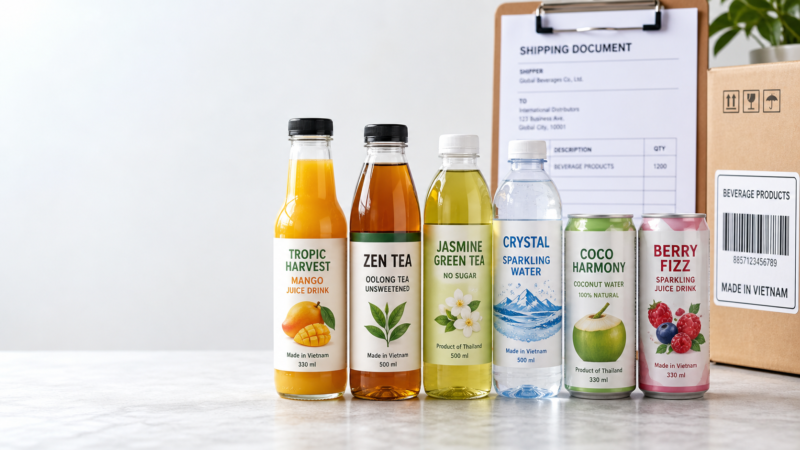
Distributors often seek a mix of familiar and differentiated products. Still juices and nectars, sparkling refreshers, RTD tea and coffee, energy and isotonic drinks, coconut water, mixers, plant-based beverages, and functional-style lines are active categories. Final feasibility depends on formulation targets, processing method, and packaging.
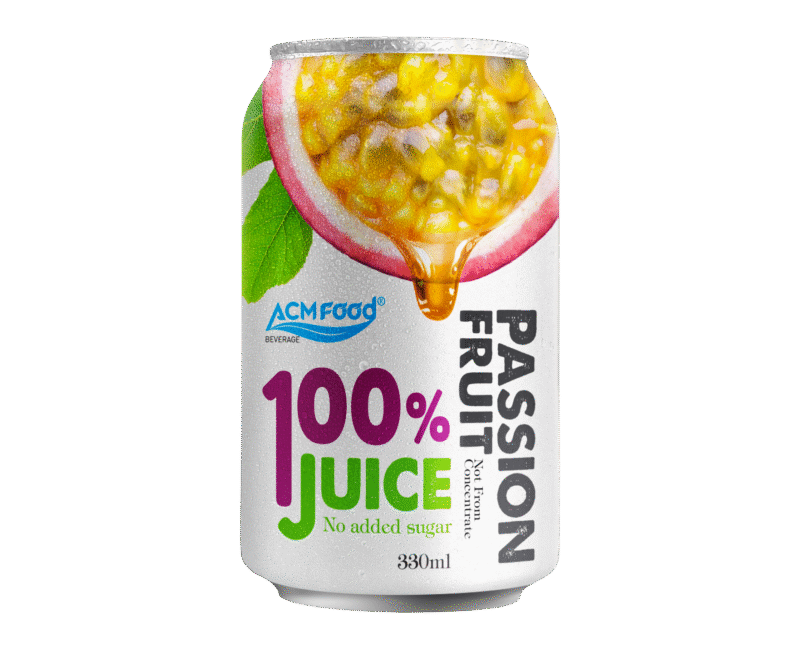
- Juice-forward: 100% juice, juice blends, and nectars (term often used for certain fruits; labeling requirements vary by market).
- Sparkling refreshers: low- or zero-sugar options, natural flavors, fruit essences.
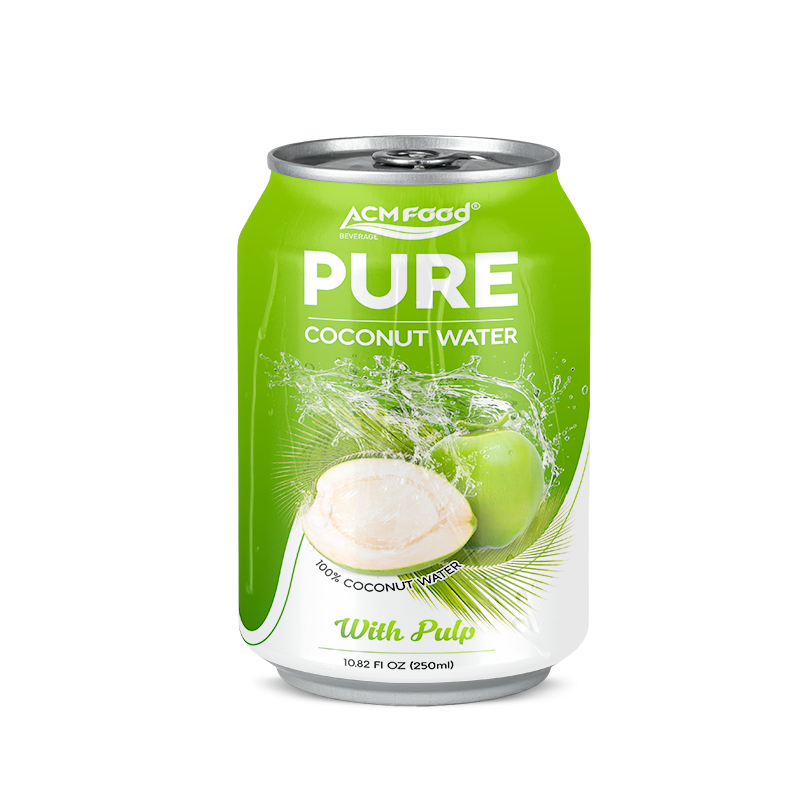
- Coconut water and tropicals: single-origin positioning, pulp/no pulp, flavored variants.
- RTD tea & coffee: black/green/herbal tea, cold brew or milk coffee styles.
- Energy & isotonic: caffeine, electrolytes; exact levels and claims depend on regulations and formulation.
- Plant-based: oat, almond, or soy-style beverages; barista or shelf-stable lines.
- Mixers: tonics, ginger beer, soda, and syrup formats for on-premise or retail.
Product format overview and positioning notes
Use this qualitative snapshot to frame your brief and retailer pitch. Labeling terms and thresholds vary; ensure compliance review for your target market and product.
| Format | Typical base | Labeling considerations | Positioning & notes |
|---|---|---|---|
| 100% juice | Single fruit or blend | Percentage juice and naming conventions apply; check U.S. rules | Ingredient-led, simple labels, breakfast & family occasions |
| Juice drink / beverage | Juice + water/sweetener | Declare juice %; use appropriate name conventions | Lower calorie options, flavor variety, value price points |
| Nectar (market term) | Fruit puree + water | Term usage varies; confirm for your SKU | Thicker mouthfeel, tropical assortments, ethnic sets |
| Sparkling refresher | Carbonated water + flavor | Flavor labeling and sweetener disclosures | Light, sessionable, multipack-friendly |
| RTD tea / coffee | Tea/coffee extract + sweetener/dairy alt | Caffeine disclosure and allergen if dairy present | Daytime energy, café cues, seasonal flavors |
| Energy / isotonic | Water + actives/electrolytes | Ingredient listings and serving guidance | Convenience, performance positioning, can formats |
| Plant-based beverage | Oat/almond/soy style | Allergen and fortification statements vary | Barista, breakfast, lactose-free alternatives |
| Mixers & syrups | Carbonated or still base | Flavor and sweetener disclosures | On-premise utility, cocktail culture tie-ins |
How should U.S. buyers evaluate a wholesale beverage supplier USA?
Start with compliance readiness and scale fit, then diligence cost drivers and service depth. Shortlist suppliers who can produce your formats at the right quality level, share transparent specifications, and demonstrate documentation discipline. Production reliability, communication cadence, and clear corrective-action processes are equally important.
- Regulatory alignment: familiarity with FDA labeling conventions, facility registration status, and importer documentation expectations.
- Quality management: HACCP-based controls, traceability, release criteria, and change-control discipline.
- Process capability: hot-fill, tunnel pasteurization, aseptic, retort, carbonation, or nitrogen dosing as needed.
- Packaging capability: can sizes, glass/PET formats, aseptic cartons, closures, and multipack options.
- Commercial fit: MOQs, lead times, flexibility for promotional spikes, and ability to forecast with you.
- Supply security: ingredient sourcing plans, second-source options, and shelf-life validation practices.
- Documentation: specifications, CoAs or lot data, allergen and GMO statements, and shipping paperwork accuracy.
- Cost transparency: breakdowns for ingredients, conversion, packaging, freight, and duties where applicable.
- Communication: responsiveness, project management, and clarity on responsibilities across teams.
For a manufacturing-centered deep dive, align your cross-functional team using Beverage Manufacturing for U.S. Brands.

Packaging options and shelf life factors
Choose packaging by channel, sensory target, and processing method. Shelf life is shaped by formulation (acidity, sugars, oxygen sensitivity), processing (e.g., pasteurization or aseptic), and pack (barrier, closure integrity). Validate with appropriate stability studies and real-world distribution trials before scaling.
- Aluminum cans: modern look, light protection, highly recyclable, suitable for carbonation and still products.
- Glass bottles: premium cues and clarity; heavier and more fragile; suits hot-fill or tunnel pasteurization.
- PET bottles: lightweight and shatter-resistant; evaluate oxygen ingress and closure systems.
- Aseptic cartons: ambient shelf stability when process and pack are aligned; large billboard panels.
- Bag-in-box and foodservice packs: back-of-house efficiency for on-premise and convenience channels.
Closure types (crowns, twist-off, ROPP, can ends) and secondary packaging (trays, carriers, wraps) affect line compatibility, freight efficiency, and retail presentation. Confirm pallet patterns, case packs, and labeling requirements early to avoid rework.
Regulatory essentials for U.S. beverage imports
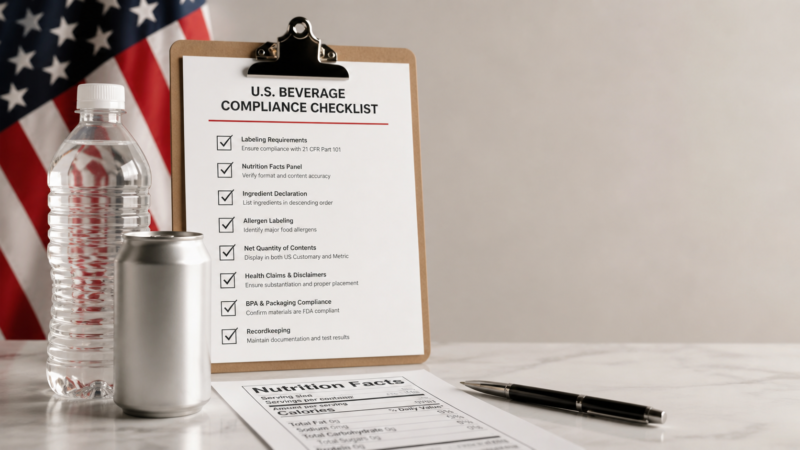
Plan labeling and documentation from day one. U.S. requirements vary by product, and importers remain responsible for compliance. Coordinate with your compliance advisors for final interpretations; the points below are working checkpoints for supplier alignment.
- Labeling in English with required statements and formatting conventions for your category.
- Ingredient list and allergen disclosure per applicable regulations.
- Percentage juice declaration when relevant to your formulation and naming.
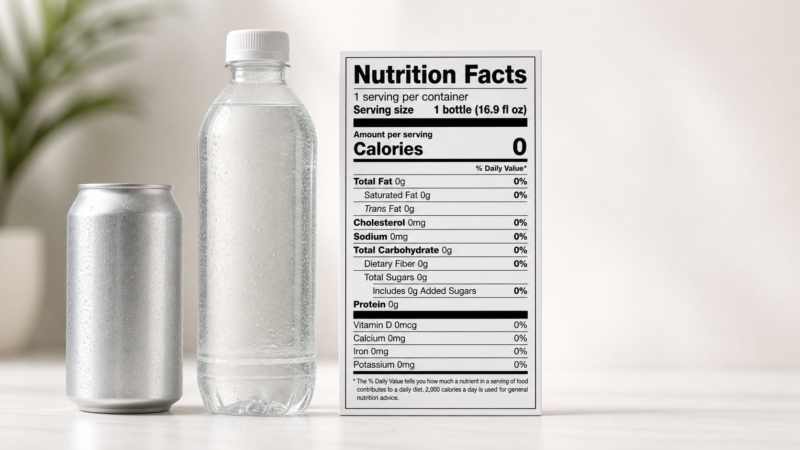
- Serving size, servings per container, and nutrition labeling format appropriate to product and pack.
- Facility registration status and import documentation readiness.
- State-level considerations (e.g., deposit programs, special warnings) depending on distribution.
Before artwork lock, ask your supplier for full ingredient specifications and processing notes that influence labeling, then route through your regulatory review. If you are pursuing private label, see Private Label Beverages for U.S. Brands for planning considerations.
Quality, sensory, and specification control
Clarity on targets prevents surprises. Define measurable attributes and acceptance ranges, and ensure supplier test methods align with your labs or third-party services. Run line trials to confirm flavor, color, carbonation (if any), and texture hold through the process and shelf life.
- Key parameters: Brix, acidity, pH, carbonation level, color, aroma descriptors, sweetness profile, and viscosity (when relevant).
- Materials: juice concentrate or NFC grade intent, flavors (type and load), sweetener choices, and functional ingredients if applicable.
- Process notes: heat treatment, dwell time, fill temperature, and cooling method.
- Packaging: can/bottle/carton specifications, closures, liners, and secondary/tertiary packaging.
- Sampling: golden standard sample retention and periodic tasting panels.
Align on corrective actions: what triggers hold-and-review, how deviations are documented, and timelines for root cause analysis. These operational guardrails protect your brand and reduce costly rework.
Pricing, logistics, and landed cost drivers
Total cost depends on ingredients, processing complexity, packaging, conversion, and freight. For imports, consider duties, compliance activities, inland transportation, and potential accessorials. Model several trade terms and lanes to stress-test margins and service levels.
- Trade terms: EXW/FOB place responsibility split; CIF/DDP shift freight and customs costs into unit economics.
- Freight: mode (ocean vs. air for urgent moves), consolidation options, temperature control (if needed), and transit variability.
- Packaging cost: can ends, closures, sleeves/labels, and printed components lead times.
- Conversion cost: line time, labor, changeover frequency, and minimum run charges.
- Inventory strategy: safety stock, production cadence, and cash-to-cash timing.
When you are scoping OEM alternatives, review procurement frameworks in OEM Beverage Manufacturing for U.S. Buyers to align cost levers with supplier capabilities.
Private label vs. contract manufacturing vs. white-label
Define your business model early; it shapes timelines, documentation, and retailer expectations.
| Approach | What it means | Typical use case | Considerations |
|---|---|---|---|
| Private label | Retailer-owned brand; product built to a brief | Retail exclusives, category value tier, or premium store brand | Tight specs, artwork alignment, service-level agreements, audits |
| Contract manufacturing | Your brand, supplier provides manufacturing service | Scale existing SKUs or launch with custom formulation | IP management, change control, supply planning, QC ownership |
| White-label | Supplier’s base formula under your label with light tweaks | Fast entry with limited R&D complexity | Less differentiation; confirm exclusivity and spec boundaries |
For process maps and cross-functional roles, align with your team using Beverage Manufacturer for U.S. Brands and explore options on Private Label Beverages for U.S. Brands.
Sourcing workflow and an actionable RFP checklist
A structured process keeps timelines realistic and reduces risk. Use the outline below to brief suppliers consistently and compare responses like-for-like.
- Business objective: channel, target consumer, price band, and competitive frame.
- SKU scope: format, pack size, case pack, and expected annualized volume with ramp plan.
- Sensory targets: sweetness, acidity, mouthfeel, aroma descriptors, and flavor references.
- Formulation guardrails: juice content intent, sweetener approach, caffeine/electrolytes if relevant.
- Processing & packaging: hot-fill/aseptic/carbonated, cans or bottles, closure type, secondary pack.
- Regulatory: labeling conventions, claims review workflow, required documentation.
- Quality plan: test parameters, acceptance ranges, CoA or lot data expectations, hold/release criteria.
- Commercials: target FOB or delivered terms, MOQ preferences, price bracket, payment terms.
- Timeline: sample rounds, pilot, artwork lock, first production window, and ship date.
- Logistics: pallet pattern, case labeling, carton strength, and any temperature needs.
- Sustainability considerations: recyclability, lightweighting, supplier certifications if required by retailer.
- Submission requirements: format for specs, quote template, and contact matrix.
Retail readiness: artwork, barcodes, and case configuration
Small packaging choices have big downstream effects. Confirm barcode placement and quiet zones, FPO panels during design, and case orientation for shelf stocking. Align case counts and bundle types with planograms, promo cadence, and e-commerce image needs. Build a mock pallet label early to verify data fields and scannability.
Risk management and contingency planning
Even strong supply chains face surprises. Build buffers into plans and practice scenario thinking. Dual-source critical inputs when feasible, and keep documented alternates for flavors, closures, or case materials within your change-control process.
- Supply variability: harvest shifts, global packaging capacity, or transport constraints.
- Regulatory shifts: labeling updates, state-level requirements, or retailer policy changes.
- Forecast error: promos, seasonal spikes, or competitive moves.
- Quality incidents: off-notes, color drift, or packaging defects.
Mitigations can include staggered production, rolling forecasts, extra artwork versions for fast substitution, and defined thresholds for temporary spec adjustments subject to review.
Working rhythms that keep U.S. distribution smooth
Cadence beats heroics. Set monthly S&OP touchpoints, fortnightly project check-ins during development, and post-production reviews after each run. Share rolling 90–180 day forecasts with suppliers and logistics partners. Document every spec change and circulate updates across regulatory, creative, and operations teams.
When to iterate the commercial model
If freight or conversion costs threaten margins, revisit pack sizes, case counts, or secondary packaging. Consider shared components across SKUs to compress MOQs and simplify changeovers. Where velocity is proven, discuss longer production windows to secure line time and reduce per-unit overheads.
For OEM pathways and hybrid models, align expectations early using OEM Beverage Manufacturing for U.S. Buyers.

FAQs for U.S. importers and distributors
Below are concise answers to questions buyers often raise when shortlisting a drinks supplier USA and planning U.S. launches.
Do I need different labels for each U.S. state?
No. Federal labeling sets the base, but some states have additional requirements (such as deposit programs or special warnings). Coordinate final artwork with your regulatory advisors before printing.
Can one formulation cover both still and sparkling variants?
Sometimes, but carbonation can alter flavor perception, acidity feel, and packaging needs. Treat sparkling as a separate sensory brief and confirm line capability, stability, and closures for carbonated products.
What drives shelf life the most?
Formulation (acidity, oxygen sensitivity), processing method (e.g., pasteurization or aseptic), and packaging barrier/closure integrity are key. Validate through stability work that reflects real distribution conditions.
Is a supplier responsible for my FDA compliance?
Suppliers provide inputs—ingredients, process notes, and documentation—but importers are responsible for compliance. Build review steps into your workflow and ensure clear ownership of labeling and filings.
What minimums should I expect?
MOQs depend on packaging, processing method, and component lead times. State your preferred ranges in the RFP and invite options (e.g., shared components) to reduce first-run exposure.
How early should I book line time?
As early as practical once specs and artwork are converging. High-demand seasons can compress availability; align forecast windows and consider flexible ship dates to protect launch timing.
Conclusion: build clarity, then scale
Choosing a beverage supplier USA is about clarity: define your format, spec, pack, compliance pathway, and service expectations—then compare suppliers on capability, documentation, and reliability. Validate shelf life and distribution fit before committing to large runs, and maintain steady rhythms to support U.S. retail and foodservice channels.
If your roadmap includes new manufacturing or label ownership, these resources can help your team align: Beverage Manufacturing for U.S. Brands and Private Label Beverages for U.S. Brands. When sourcing through OEM pathways, also see OEM Beverage Manufacturing for U.S. Buyers.