


 Français
 Español
 العربية
 한국어
한국어Beverage trends USA refers to the shifting consumer preferences, formats, ingredients, and channels that are shaping how Americans discover, buy, and enjoy drinks. This guide maps the most relevant trends right now—spanning health-forward choices, flavor innovation, sugar reduction, packaging, and route-to-market—then translates them into actionable takeaways for R&D, brand, and sourcing teams.
Because U.S. beverage demand is diverse and fast-moving, the strongest opportunities balance taste, clear value, and understandable benefits without overpromising. Below, you will find a practical, data-cautious look at where momentum is heading and how to build products that fit U.S. consumer expectations while staying label-compliant.
What defines beverage trends in the USA right now?
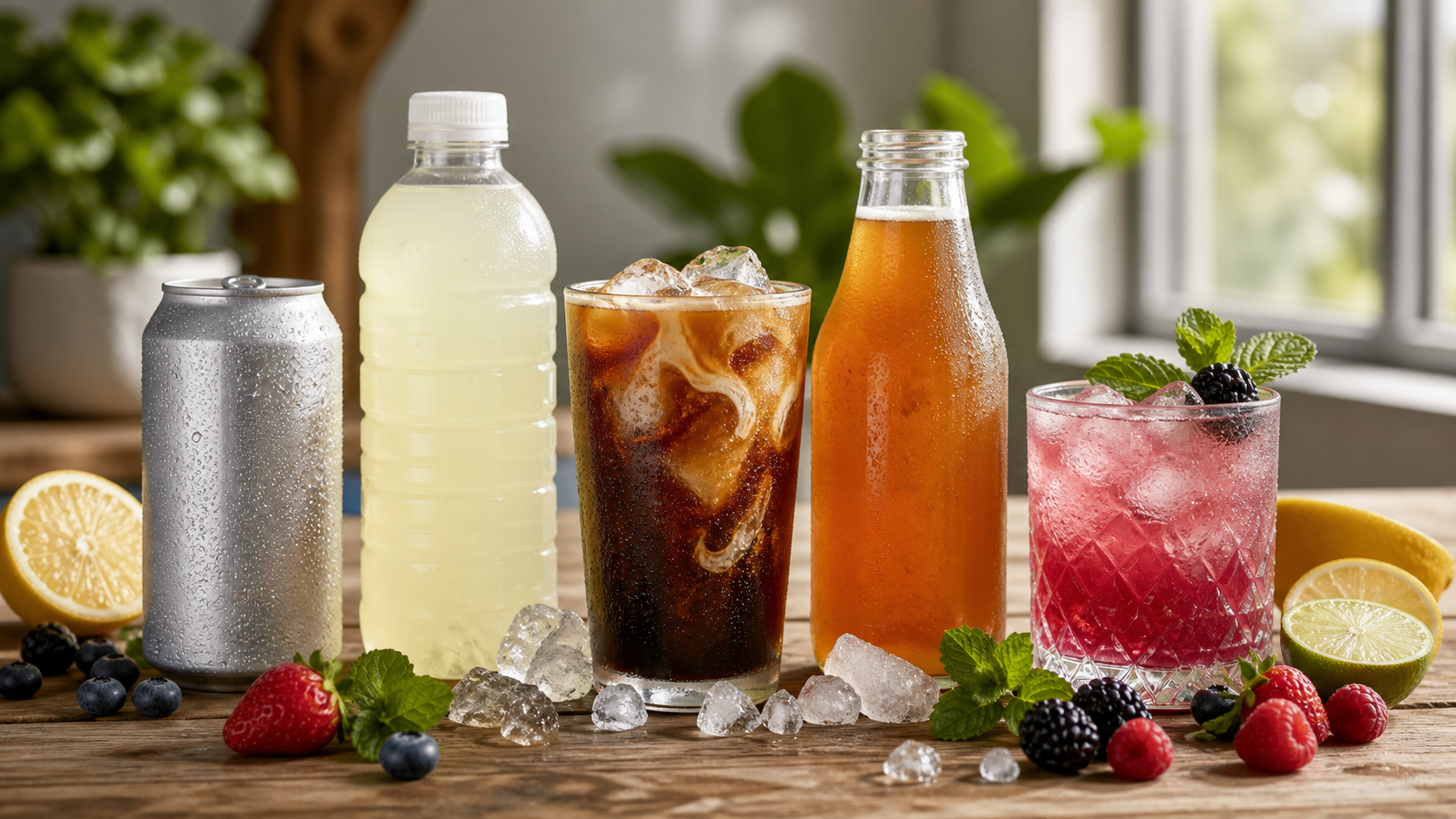
U.S. beverage trends are defined by health-forward choices with moderated sugar, functional yet familiar benefits, adventurous but comforting flavors, and formats that fit modern routines. Growth skews toward convenient, cold, and portable options—often in sleek cans—sold across omnichannel retail from convenience to e-commerce and club.
Several macro drivers are pushing this evolution:
- Purposeful refreshment: Hydration, focus, calm, and energy remain high-interest occasions if benefits are explained clearly and taste comes first.
- Less sugar, better sweetness: Consumers want lower sugar and fewer calories without a bitter or artificial aftertaste.
- Clean and recognizable: Shorter, more understandable ingredient lists and transparent sourcing resonate.
- Premium convenience: Ready-to-drink (RTD) everything—coffee, tea, mocktails, and functional water—wins when flavor is elevated.
- Lifestyle fit: On-the-go formats, mini cans, multi-pack value, and e-commerce-friendly packaging help brands meet consumers where they shop.
Which patterns are shaping healthy drinks in the U.S.?
Healthy drinks in the U.S. lean toward lower sugar, added functionality that consumers can understand, and natural or nature-inspired flavors. Products that deliver hydration, gentle energy, or digestive comfort—without strong medical claims—tend to feel credible when built on familiar ingredients and great taste.
- No or reduced sugar: Balanced sweetness via blends (e.g., fruit, stevia, monk fruit, allulose) designed for a clean finish.
- Hydration-forward: Electrolyte waters, lightly flavored still or sparkling options, and mineral cues for everyday refreshment.
- Digestive-friendly cues: Prebiotic fibers and fermented beverages (e.g., kombucha) appear where taste profiles are approachable. Any related claims should align with regulations and the finished formula.
- Natural energy: Coffee- and tea-based caffeine, yerba mate, and ingredient pairings designed to taste smooth.
- Protein and satiety signals: Dairy and plant-based ready-to-drink shakes or smoothies emphasize taste and texture first.
What are the top functional beverage trends in the USA?
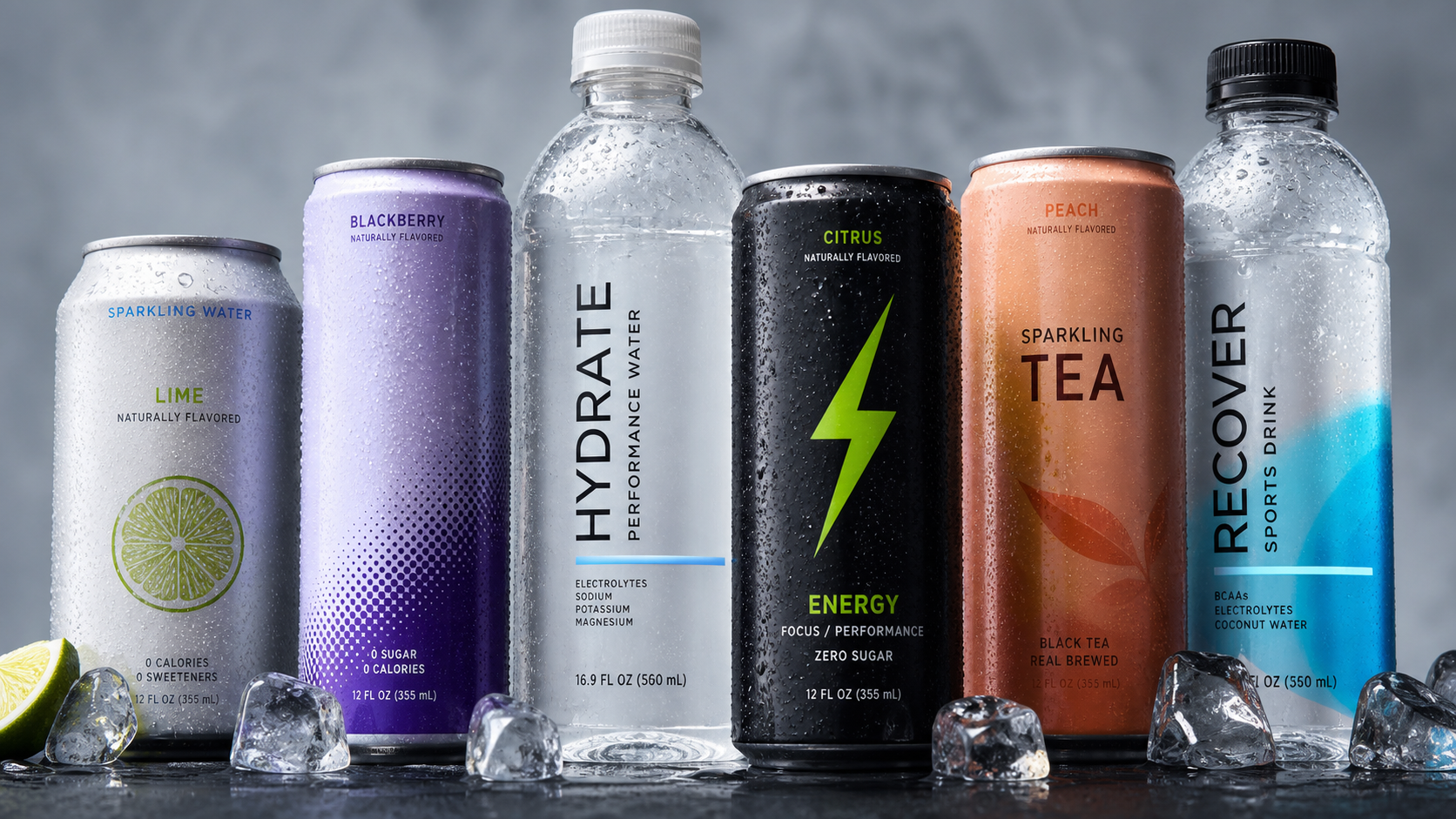
The leading functional beverage trends pair everyday occasions with understandable ingredients and flavors. Consumers often look for hydration, energy, focus, calm, or digestive comfort in formats that are refreshing and portable—typically cans or PET bottles—with simple, compliant benefit language.
- Hydration plus: Electrolyte waters and light flavors aim for daily refreshment with a subtle taste and clean label positioning.
- Energy 2.0: RTD coffees, teas, and natural caffeine blends focus on smooth taste, moderate sweetness, and sessionable carbonation.
- Focus and calm: Products highlight routine, moment-based use (post-workout wind-down, afternoon focus). Benefit language should be careful and supported by the final formulation and local regulations.
- Gut-friendly: Fermented beverages and prebiotic fibers appear in more mainstream flavors (citrus, berry, ginger). Palatability and carbonation control are key.
- Beauty-inspired and recovery cues: Collagen and gentle post-activity positioning may appear where textures and flavors remain refreshing. Claims should remain within regulatory guardrails.
Flavor directions capturing U.S. palates
Flavor moves in two directions at once: familiar comfort and global adventure. Brands that layer novelty onto a known base—like citrus, berry, or cola—lower trial risk and help consumers understand what to expect before the first sip.
- Bright citrus: Yuzu, calamansi, blood orange, and grapefruit for elevated refreshment.
- Berry and stone fruit: Blueberry, raspberry, blackberry, mango, and peach remain crowd-pleasing anchors.
- Tropical modern: Dragon fruit, passion fruit, guava, lychee, and pineapple.
- Botanical and spice: Ginger, hibiscus, lemongrass, rose, lavender; light chili-mango or jalapeño-lime for a gentle kick.
- Nostalgia reimagined: Vanilla cream soda, cherry-lime, orange creamsicle—updated with lower sugar and natural flavors.
How are U.S. brands approaching sugar reduction?
Brands are blending sweeteners and rebalancing flavor to reduce sugar while protecting taste. The most compelling launches combine real fruit character, acidity control, and modern sweetener systems designed for a clean finish, supported by honest labeling and portion cues.
- Layered sweetness: Combining fruit sugars with stevia, monk fruit, or allulose to reduce total sugar while masking off-notes.
- Acid and aroma design: Optimizing citric/malic profiles and top notes to enhance perceived sweetness without more sugar.
- Portion strategy: Mini cans and slim formats deliver satisfaction at lower total sugar per serving.
- Texture and carbonation: Fine bubbles and rounded mouthfeel improve the sensation of sweetness at reduced levels.
Packaging and format innovation to watch
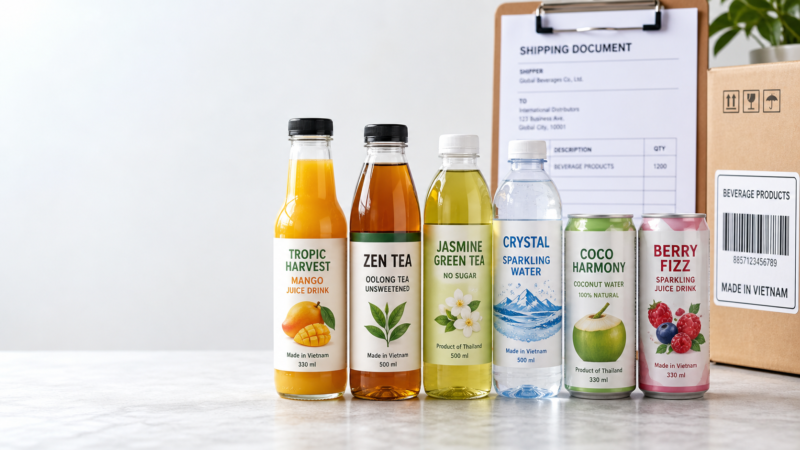
Cans dominate for portability, cold-chain fit, and flavor protection, but PET, glass, and aseptic cartons all have strategic roles. Powder sticks and concentrates rise for e-commerce efficiency. Sustainability cues increasingly focus on recyclability, light-weighting, and right-sized packs for occasion fit.
| Packaging format | Typical use | Processing fit | Sustainability cues | Positioning & notes |
|---|---|---|---|---|
| Sleek aluminum can | Sparkling water, energy, RTD tea/coffee, mocktails | Hot-fill alternatives or tunnel pasteurization as needed | Highly recyclable; premium feel | Cold, portable, sessionable; strong shelf blocking |
| PET bottle | Still water, hydration, juices, isotonic | Hot-fill or aseptic depending on formula | Light-weight; recyclable variants available | Everyday utility; gym and on-the-go friendly |
| Glass bottle | Premium juices, kombucha, mixers | Hot-fill or cold-chain | Reusable perception; premium cues | Elevated aesthetic; heavier shipping weight |
| Aseptic carton | Plant-based drinks, family juices | Aseptic | Light-weight; pantry-ready | Multi-serve value; e-commerce friendly |
| Powder sticks & concentrates | Hydration, energy, flavor drops | Dry blend; shelf-stable | Low shipping weight; less packaging | Customizable strength; great for DTC and travel |
Where are U.S. consumers buying beverages?
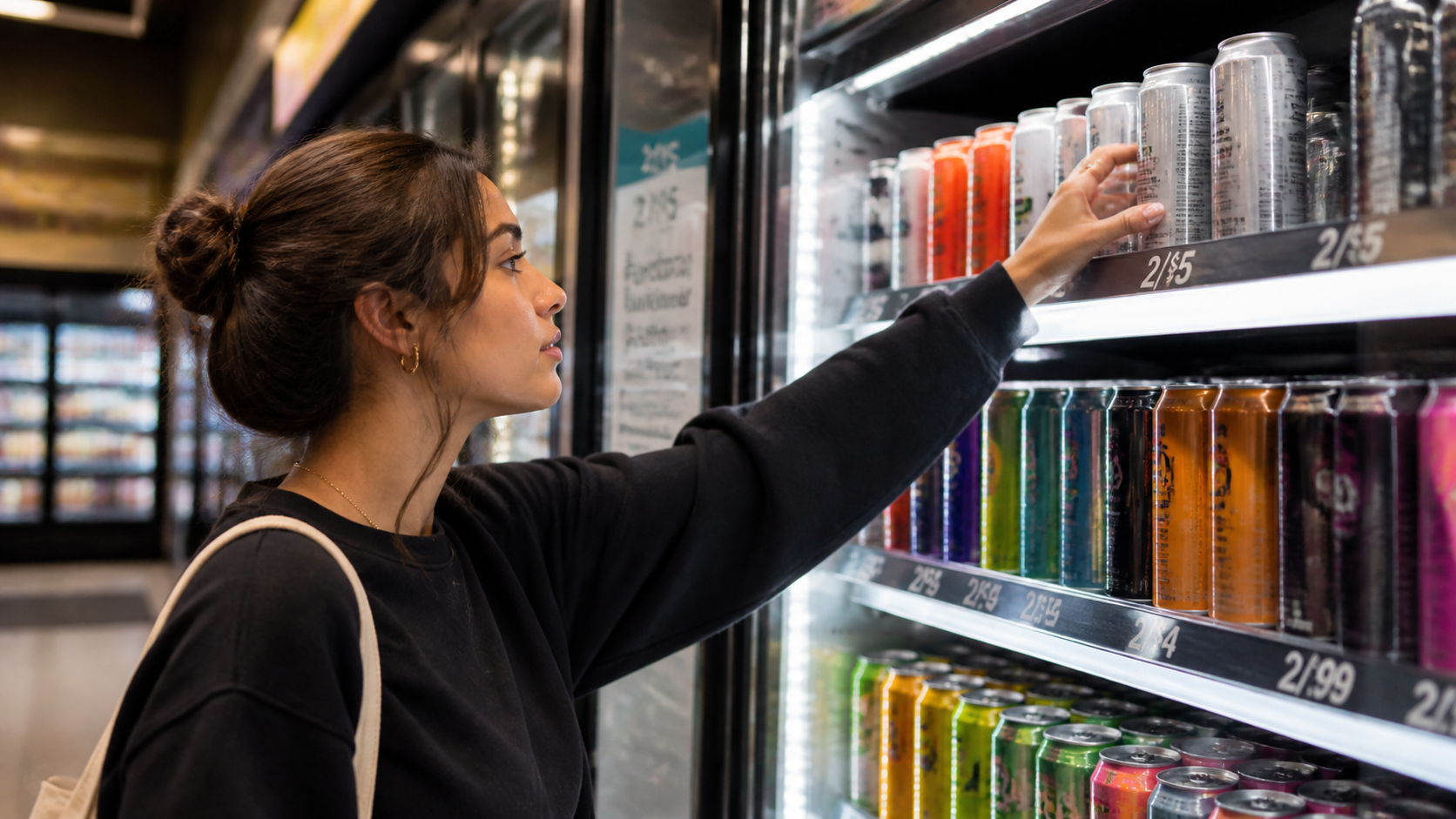
Omnichannel purchasing is now standard. Convenience stores drive trial for cold, single-serve formats; grocery and club retail support pantry stocking and multi-packs; and e-commerce fuels discovery, reviews, and recurring orders. Brands tailor pack sizes, pricing ladders, and flavor assortments to each channel’s role.
- Convenience: Immediate consumption, cold availability, and simple benefit stories on-pack.
- Grocery: Core assortment, family pack sizes, and seasonal flavors.
- Club: Value multi-packs with bestseller flavors and simplified messaging.
- E-commerce: Discovery, bundles, subscription, and format innovations (powders, concentrates).
- Foodservice: Specialty flavors and mixers in cafés and bars that can later retail as RTD.
Non-alcoholic and low-alcohol momentum
Moderation continues to influence at-home and social occasions, opening room for zero-proof cocktails, hop waters, and sophisticated mixers. The winners deliver bar-quality flavor, tight carbonation, and a finish that feels adult—not candy-sweet—often with culinary garnishes or bitters-style complexity.
- Zero-proof cocktails: Classic profiles (spritz, mule, paloma) with balanced bitterness and citrus.
- Hop water and botanical seltzers: Layers of aroma and crisp texture without alcohol.
- Mixers reinvented: Ginger, tonic, and soda riffs with lower sugar and premium botanicals.
Coffee, tea, energy, and hydration: what is evolving?
RTD coffee remains strong, especially when taste is creamy yet balanced and sweetness is moderated. Tea trends emphasize high-quality leaves, botanicals, and lighter sweetness. Energy is diversifying into natural caffeine and hybrid formats, while hydration is expanding with simple, daily-use electrolytes and natural flavors.
- RTD coffee: Oat dairy-alternative options, light-to-moderate sweetness, and nitro textures.
- Tea and botanicals: Green, black, and herbal with citrus, ginger, and florals; lightly sparkling tea gains traction.
- Energy hybrids: Tea-forward energy, fruit-forward energy seltzers, and clean-label cues.
- Hydration daily drivers: Subtle fruit, mineral cues, and gentle electrolytes.
Juice category direction: 100% juice, blends, and juice drinks
Juice is repositioning around taste-first refreshment and portion mindfulness. 100% juice highlights varietal character; blends bring vegetable elements or herbs for complexity; and juice drinks explore functional twists with lower sugar targets—always with clear ingredient disclosure and labeling appropriate to the finished product.
| Product format | Consumer expectation | Processing path | Positioning & notes |
|---|---|---|---|
| 100% juice | Full fruit character; no added sugar | Hot-fill, HPP, or aseptic options | Varietal storytelling; portion control cues |
| Low-sugar juice blend | Lighter sweetness; refreshing acidity | Hot-fill or aseptic | Fruit-veg blends; botanical accents |
| Juice drink with function | Approachable flavor with added purpose | Depends on actives and pH | Benefit language must fit formula and regulations |
Labeling and regulatory considerations for U.S. drinks
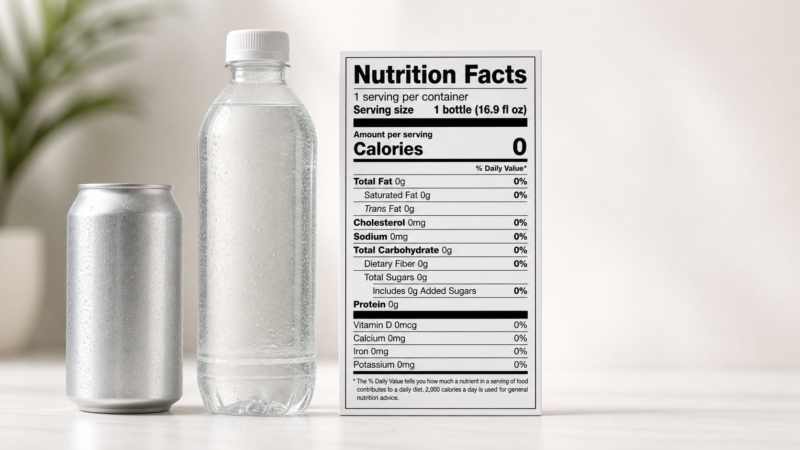
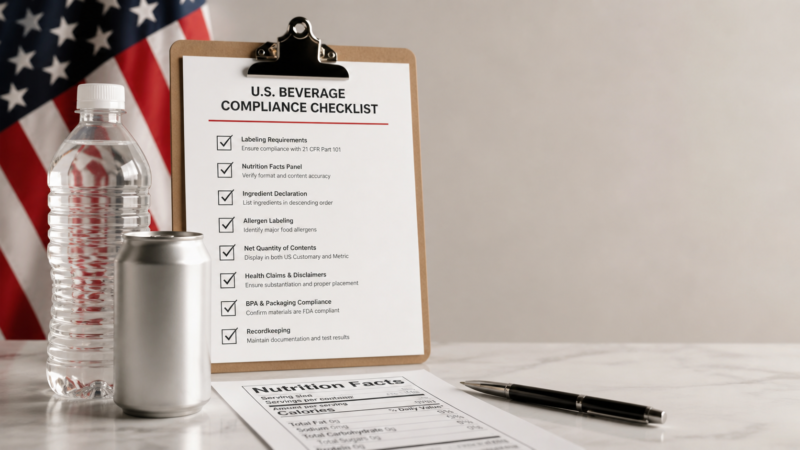
In the U.S., category classification, Nutrition Facts, added sugars disclosure, and permissible claims depend on the finished formula and product type. If a beverage is marketed with functional benefits, align any statements with applicable regulations and the actual amounts in the formula, and choose compliant phrasing.
- Claims discipline: Keep language descriptive of ingredients and usage occasions rather than promising medical outcomes.
- Classification choices: Beverage vs. dietary supplement positioning drives label format and claims pathways.
- Verification: Sensory, shelf life, and stability testing support product quality and label consistency.
Private label beverage trends for U.S. retailers
U.S. retailers increasingly premiumize private label with flavor-forward seltzers, hydration, energy-light hybrids, and café-caliber RTD coffee and tea. Assortments lean on familiar flavors plus a few adventurous seasonal or limited-edition variants to drive excitement while keeping resets manageable.
- Core plus seasonal: Anchor with bestsellers; rotate limited flavors for newsworthiness.
- Value and premium tiers: Multi-packs for value; small-batch or culinary lines for premium shoppers.
- Functional within guardrails: Clear, compliant benefits rooted in taste-first experiences.
For development pathways tailored to store brands, review private label options in private label beverages for U.S. brands.
A practical product development checklist for U.S. briefs
Strong briefs compress time-to-market and reduce reformulation cycles. Use this checklist to align teams before bench work begins.
- Target consumer & occasion: Who and when? Daily hydration, afternoon pick-me-up, evening unwind, workout, or social?
- Flavor direction: Core vs. adventurous; citrus/berry/tropical; botanical layers; sweetness target; carbonation level.
- Nutrition levers: Sugar strategy, caffeine strategy, protein or fiber intent (if any), sodium/electrolyte targets appropriate to the concept.
- Functionality: Desired benefit language and supporting ingredients; confirm feasibility, taste, and regulatory fit.
- Processing path: Hot-fill, aseptic, tunnel pasteurization, cold-chain, or dry blend; impact on flavor and color.
- Stability & shelf life: pH range, light sensitivity, ingredient interactions, and test plans.
- Color & appearance: Natural colors, haze vs. clarity, foam behavior, can or bottle compatibility.
- Packaging: Format (sleek can, PET, glass, carton, powder sticks), size strategy (single-serve vs. multi-serve), closure type.
- Channel strategy: Convenience, grocery, club, e-commerce, or foodservice; corresponding pack sizes and price ladders.
- Compliance & claims: Ingredient thresholds, labeling category, and compliant phrasing for the intended market.
- Quality plan: Sensory specs, analytical tests, and shipment conditions.
- Scale-up & risk: Line trial needs, critical parameters, reformulation contingencies, and supply resilience.
Guidance for U.S. importers and private‑label buyers
Working with OEM partners is smoother when you share a clear brief, make early processing decisions, and agree on sensory targets before pilot runs. Confirm ingredient availability, processing compatibility, and any claims strategy in writing—then validate with lab tests and real-time shelf studies.
- Set acceptance ranges for Brix, acidity, carbonation, sweetness perception, color, and aroma.
- Align on can or bottle specifications (liners, closures), pallet patterns, and cold-chain or ambient needs.
- Plan a staged flavor pipeline: core SKUs first, then seasonal and limited editions.
If you are evaluating contract options, see how OEM beverage manufacturing for U.S. buyers can support development and scale. For brand owners seeking production resources, review beverage manufacturing support for U.S. brands. For cross-market inspiration, compare flavor and format dynamics in Beverage Trends in Australia.
Go-to-market playbook: pricing, packs, and messaging
Winning U.S. launches balance price-point strategy with value storytelling. Multi-packs amplify trial and repeat; mini cans encourage portion-aware enjoyment; and bundles online allow shoppers to explore flavor variety. Messaging should be simple: what it is, how it tastes, and when to drink it—supported by compliant ingredient language.
- Assortment logic: Two core flavors plus one adventurous variant often provides balance.
- Discovery mechanisms: Variety packs and seasonal drops sustain engagement.
- Clarity first: State the drink type, flavor, sweetness level, and intended occasion on principal display panels.
Operations: from pilot to reliable supply
Technical alignment early prevents quality drift in market. Confirm water profile and filtration, tank turnover timing for sensitive botanicals, carbonation spec tolerance, and label ink/adhesive durability. Define corrective actions for out-of-spec batches and align on documentation appropriate for your target market.
- Pilot and scale: Lock core ratios at bench, then validate on pilot equipment before full-scale runs.
- Sensory panels: Use blinded triangle tests to confirm no meaningful drift after thermal treatment.
- Material readiness: Build lead-time buffers for cans, ends, labels, and corrugate.
For additional manufacturing options and capacity discussions, explore U.S.-focused beverage manufacturing pathways and supplier coordination approaches.
How to assess a concept quickly
Use a simple set of filters before investing in tooling: Does the flavor excite on the first sip and the last? Is sweetness in line with the category? Is the benefit easy to repeat in one sentence? Can the formula run reliably on the intended line and packaging?
- Taste integrity: Balanced aromatics, acidity, and mouthfeel over multiple sips.
- Memorable but familiar: A clear flavor name with a twist consumers instantly grasp.
- Label clarity: Ingredient-led language; avoid medical framing.
- Operational fit: Confirm line capability, shelf life, and logistics practicality.
FAQ: U.S. beverage trends
Below are concise answers to common questions about the current U.S. beverage landscape. Each answer emphasizes taste-first development with responsible positioning and channel-aware packaging.
What is driving beverage trends USA in the near term?
Health-forward refreshment, lower sugar, and convenient formats lead, supported by adventurous flavors layered onto familiar bases. Cans remain strong for portability and shelf impact. Clear, compliant benefit language and great taste are essential to move from trial to repeat purchases.
Which functional beverage trends USA matter for mass retail?
Everyday hydration with light electrolytes, tea- and coffee-based energy, and approachable digestive-friendly cues are gaining traction. Flavor first, moderate sweetness, and clear labeling help these concepts scale across convenience, grocery, and club without confusing shoppers.
How can brands reduce sugar without losing taste?
Blend sweeteners for a cleaner finish, optimize acidity, and use top-note aromas to enhance perceived sweetness. Mini cans and sessionable carbonation also protect the taste experience while keeping total sugar per serving in check.
What packaging works best for e-commerce?
Powder sticks, concentrates, and durable lightweight bottles ship efficiently and reduce breakage risk. Variety packs and discovery bundles help online shoppers explore flavors, while protective secondary packaging preserves unboxing quality.
How should claims be handled for U.S. beverages?
Keep claims aligned with the finished formula and applicable regulations. Favor descriptive ingredient language and clear usage occasions over medical framing. Validate with appropriate testing, and ensure labels match what is in the bottle or can.
Conclusion: turning insights into successful launches
Today’s U.S. beverage market rewards clarity, flavor, and fit-for-occasion design. From hydration and natural energy to zero-proof social drinks and premium RTD tea and coffee, the opportunity is broad—but disciplined sugar reduction, careful claims, and channel-right packaging are non-negotiable. Use the checklist above to translate beverage trends USA into a focused brief, validate through pilot and sensory testing, and scale with partners who can support your processing path and channel strategy. For sourcing and scale-up discussions tailored to U.S. needs, consider manufacturing routes for U.S. beverage brands or revisit OEM beverage manufacturing for U.S. buyers as you finalize your plan.
Manufacturing for U.S. brands
If you are sourcing for the U.S. market, three pages cover what buyers ask first. OEM manufacturing in Vietnam sets out how projects are organised; certifications and food safety systems covers the documents customs and retailers will ask you to produce; export and logistics covers shipping terms and the document pack. To price a programme, request a quote.
Request a quoteWhere to go next
Sourcing for the U.S. market? The United States beverage market page covers the full OEM and private label programme for U.S. brands and importers: MOQ 500 cartons per SKU, 15-30 day production, HACCP / ISO 22000 / FSSC 22000, and shipping from Ho Chi Minh City. Request a quote and we reply within 24 hours.