


 Français
 Español
 العربية
 한국어
한국어Private label beverages in the USA are drinks developed and produced by a third-party manufacturer and sold under a U.S. retailer’s or brand owner’s label. They range from 100% juices and coconut water to flavored waters, teas, energy drinks, and functional-style concepts, with specifications owned by the buyer.
This guide explains how U.S. brands can plan, brief, formulate, label, and scale private label beverages USA, with clear steps, packaging options, cost levers, regulatory considerations, and manufacturer selection criteria you can use immediately.
What does “private label beverages” mean in the USA?
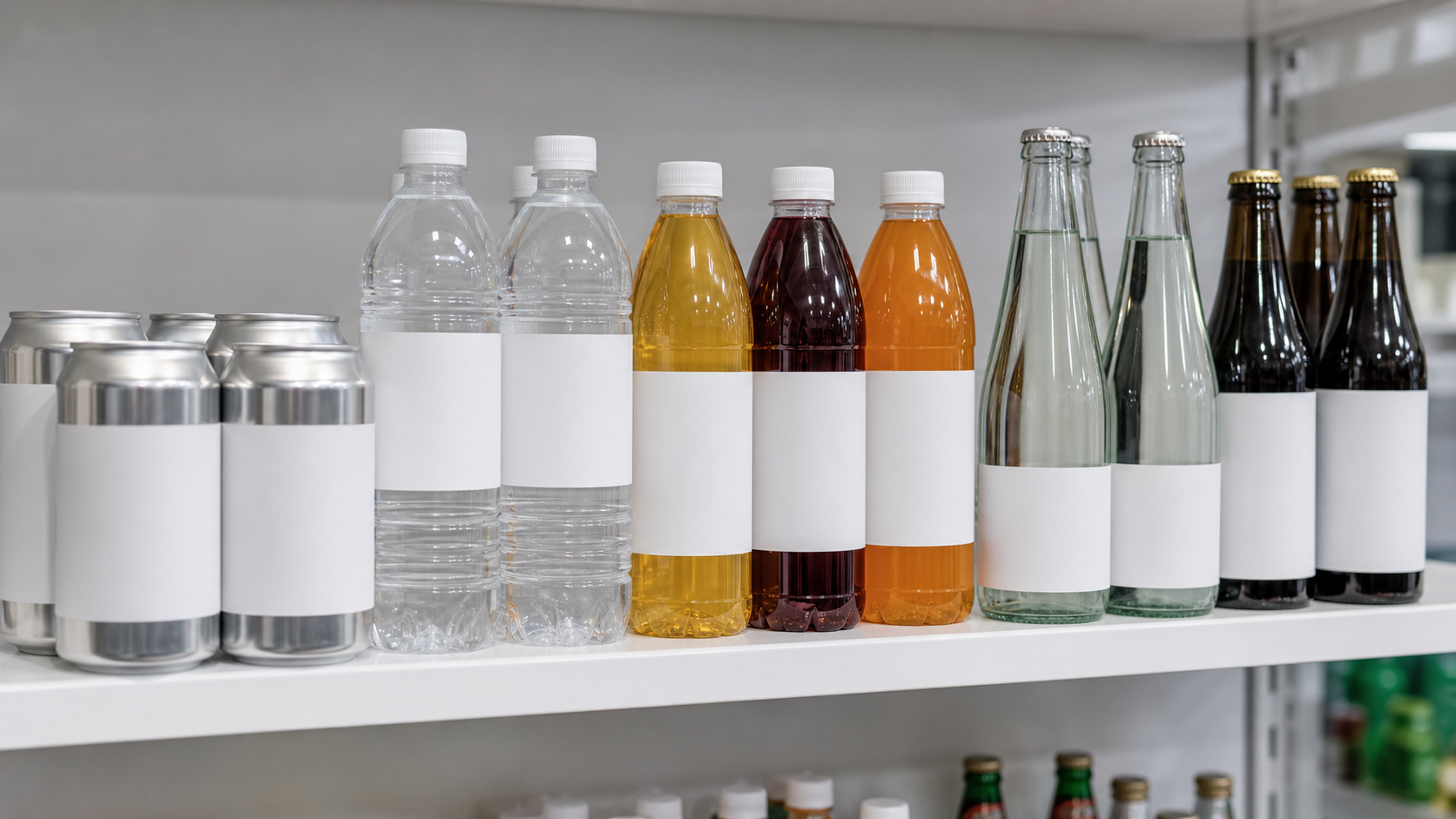
In the U.S., private label beverages are retailer- or brand-owned products manufactured by a contract packer. The buyer controls positioning, formula, packaging, and branding, while the manufacturer delivers production using agreed quality, safety, and labeling standards appropriate for the American market.
Store brands and emerging DTC players both rely on private label to move fast, differentiate assortments, and protect margins. You can source domestically or import finished goods depending on category fit, shelf-life, and landed cost. The right approach balances speed, compliance, and consumer-relevant taste at an acceptable cost-to-serve.
Which beverage formats work best for U.S. store brands?
Formats that work best are those with clear consumer demand, reliable supply, and a production method aligned to your distribution model. Popular choices include 100% juices, low-juice drinks, coconut water, flavored waters, iced teas, coffees, lemonades, and select energy or hydration drinks.
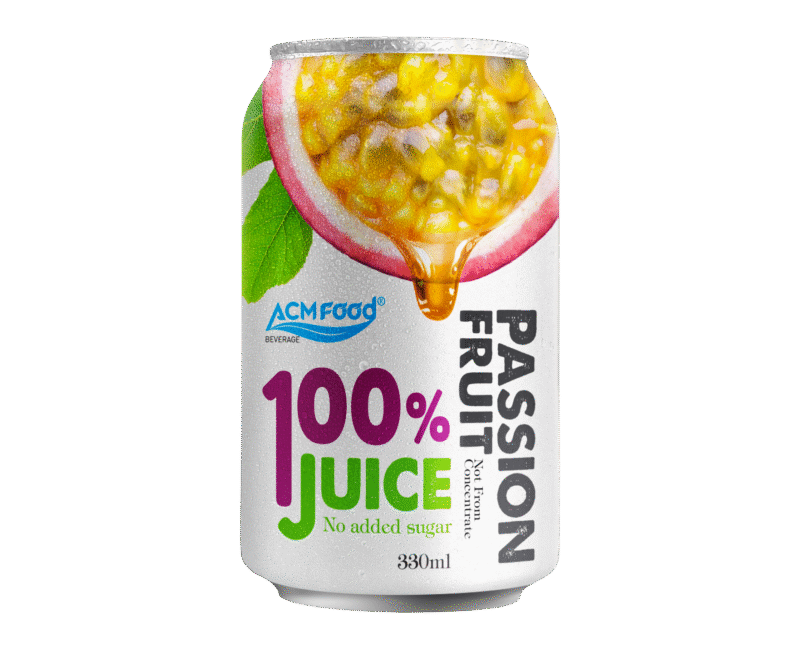
- 100% juices (hot-fill or aseptic): Clear labeling, familiar flavors (orange, apple), and growing interest in tropicals.
- Nectars & juice drinks: Accessible price points, broad flavor freedom, and room for calorie control via sweetener strategy.
- Coconut water: Simple ingredient decks and clean taste appeals; single-serve for on-the-go and multi-serve for home.
- Flavored or enhanced waters: Light flavors, low calories, and clear hydration cues; cans or PET depending on brand.
- Iced tea & lemonade: Seasonally strong, versatile sweetness and flavor profiles.
- Energy & performance-style drinks: Distinctive flavors and carbonation options; ensure responsible formulation and compliant labeling.
- RTD coffee & dairy-alternatives: Quality flavor systems and thermal/aseptic compatibility are key.
100% juice, nectar, or juice drink: which is right?
Choose based on taste targets, price-to-value expectations, and label transparency. 100% juice signals simplicity, nectars can balance body and cost, and juice drinks unlock the widest flavor and calorie control. Confirm your category rules and ensure naming aligns with formulation.
| Product type | Fruit content | Sweetening | Positioning & notes | Labeling considerations |
|---|---|---|---|---|
| 100% juice | All juice from fruit (no added sweeteners) | Typically none added | Simple, recognizable; supports premium cues and familiar flavors | Declare juice blend components; follow juice naming rules |
| Nectar | Juice plus water; typically moderate fruit content | Often sweetened | Richer mouthfeel than light drinks; accessible price points | Ensure name aligns with composition; disclose juice percentage if used |
| Juice drink | Lower juice with water and flavors | May use sugars or non-nutritive sweeteners, as allowed | Max flavor freedom; supports reduced-calorie targets | Compliant statements and ingredient listing; align descriptors with formula |
If your assortment prioritizes fruit authenticity, consider starting with an orange/apple baseline and testing tropical line extensions. For concept inspiration across fruit types, explore private label fresh fruit juice strategies that show how to brief flavor, sweetness, and color expectations.
How do you develop a private label drink from brief to shelf?
Outline your target consumer, sensory profile, price band, and route-to-market, then iterate prototypes under clear specification control. Lock labeling and QA before scale-up and validate shelf-life through real-world distribution conditions.
- Define positioning: Who is the target? What is the use occasion? What flavor families win in your channel (e.g., club, grocery, c-store, DTC)?
- Write a product brief: Flavor(s), sweetness target, carbonation, color, calories per serving (if relevant), permitted ingredients, allergens to avoid, packaging, case pack, and desired shelf-life window.
- Set technical targets: For juices, agree expected Brix/acidity balance, color, and clarity vs. pulpy style; for teas or waters, define flavor intensity and aftertaste limits.
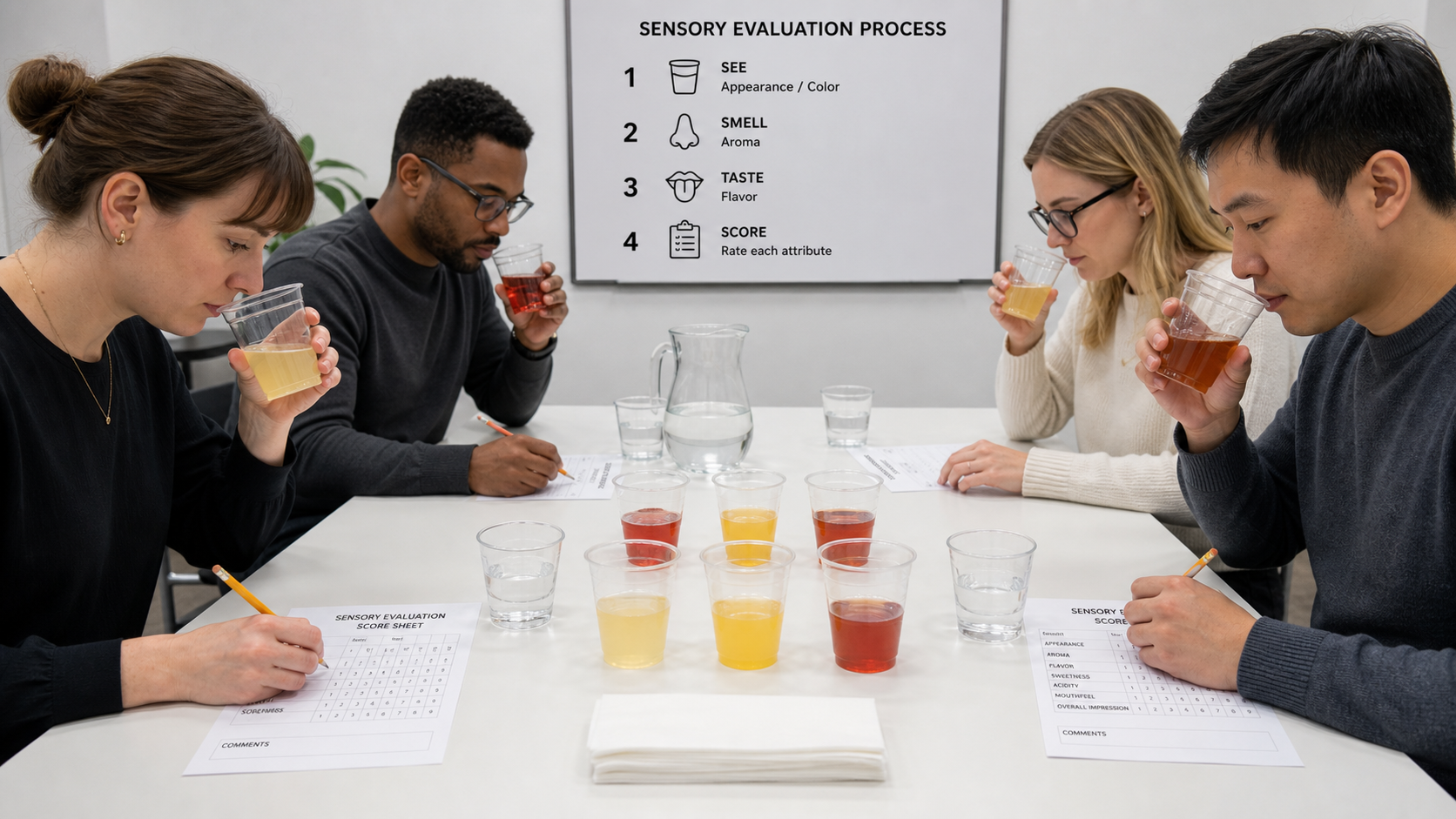
- Prototype & sensory: Review benchtop samples against a structured scorecard. Capture feedback on aroma, body, sweetness curve, and finish.
- Regulatory review: Screen ingredient list, naming, and front-of-pack text for U.S. compliance. Draft your Nutrition Facts and ingredient statement early.
- Costing & value engineering: Adjust fruit sources, sweetener approach, or flavor systems while protecting sensory and label integrity.
- Packaging selection: Choose can/bottle/carton based on shelf-life, brand cues, and channel logistics. Confirm closures, line compatibility, and pallet patterns.
- Pilot & shelf-life validation: Conduct a line trial, finalize fill temps/process, and begin shelf-life and distribution stress testing.
- Production readiness: Lock specifications, quality plan, code date formats, and change control procedures. Approve prepress for labels/shrink/sleeves.
- Launch & monitor: Track complaints, sensory drift, and fill-weight trends. Update specs and SOPs from real-world learnings.
What do U.S. regulations mean for your label and formula?
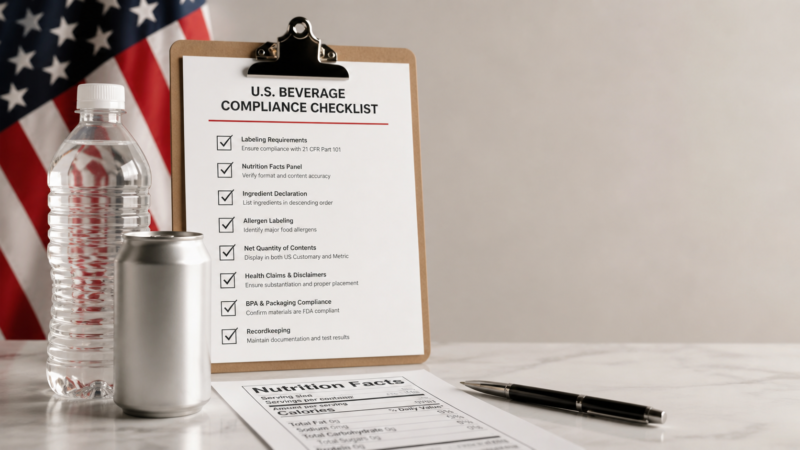
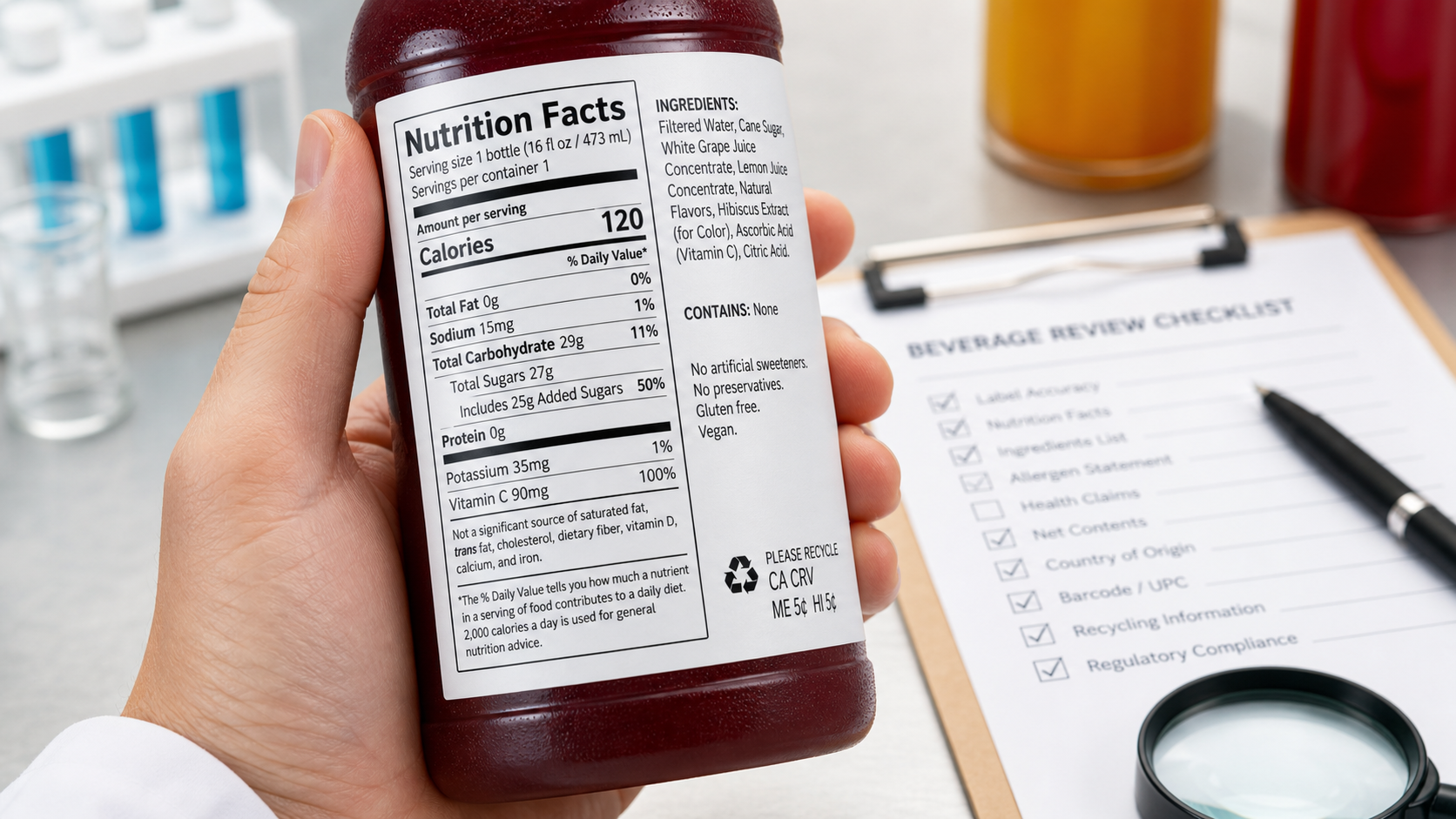
U.S. beverage labels must meet federal rules on identity, ingredient declarations, Nutrition Facts, and claims, and some states add requirements such as container deposits or warnings. Coordinate with your regulatory counsel; requirements vary by product type, ingredients, and markets served.
- Product identity & naming: Ensure the statement of identity matches formulation (e.g., 100% juice vs. nectar vs. drink) and aligns with how consumers understand the product.
- Ingredients & allergens: List ingredients by descending weight. Disclose major allergens per applicable rules. Flavor declarations and color additives must follow labeling regulations.
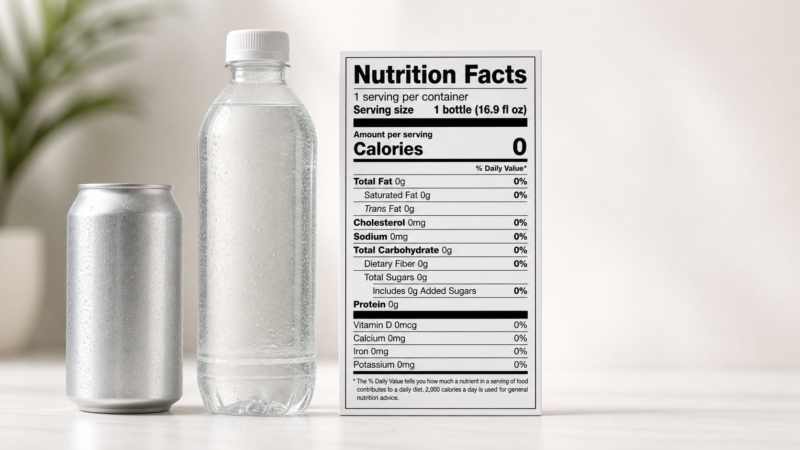
- Nutrition Facts: Use the correct panel format, serving size, and mandatory nutrients as required for your product and package size.
- Claims discipline: Only use statements you can substantiate under U.S. regulations. Avoid unsubstantiated health or nutrient claims and ensure any comparative statements are accurate and permitted.
- Country of origin & UPC: If importing, ensure origin marking where applicable. Manage GTIN/UPC issuance and scannability.
- State-level requirements: Some states require container deposit statements or warning notices for specific substances; plan artwork versions accordingly.
- Process authority & records: For shelf-stable juices and acidified foods, confirm appropriate thermal process validation and record-keeping practices as applicable.
Treat your label as a controlled document. Build a versioned artwork pack, redline every change, and archive approvals. Many launch delays trace to late-stage label edits that trigger reproofing or reprinting—locking compliance early protects timelines and budgets.
Quality, safety, and shelf life: what should you confirm?
Align on a written quality plan before scale-up. Define acceptance criteria, microbial testing, and shelf-life verification that reflect your formula, process, and distribution temperatures.
- Specifications: Final spec should codify sensory targets, Brix/acidity (if relevant), color range, carbonation volume (if used), fill weight, and packaging tolerances.
- Micro plan: Agree test methods, sampling frequency, and release criteria (e.g., total plate count, yeasts/molds for applicable categories).
- Stability & shelf-life: Validate under intended conditions (ambient, chilled). Include accelerated and real-time checks with sensory and microbiological endpoints.
- Process controls: Document critical limits (e.g., fill temperature for hot-fill, sterilization targets for aseptic, tunnel pasteurization parameters where used).
- Traceability: Ensure lot coding on primary/secondary packaging and documented ingredient trace from suppliers to finished goods.
- Nonconformance & recall readiness: Establish criteria for holds, rework policies, and a mock recall process.
Packaging options and sustainability choices
Packaging should reflect brand cues, channel durability, and shelf-life needs. Many U.S. buyers balance premium cues of glass with the portability of cans and the value of PET, while considering recyclability and supply availability.
| Format | Brand cues | Operational notes | Shelf-life & distribution | Sustainability notes |
|---|---|---|---|---|
| Aluminum can | Modern, portable; strong for sparkling & energy | Seam integrity and carbonation control if applicable | Good ambient durability; stack-friendly | Widely recycled; high consumer acceptance |
| PET bottle | Value and visibility; multi-serve friendly | Hot-fill vs. cold-fill compatibility matters | Common in juices and teas; light but scuff-prone | Recyclable; consider rPET options where available |
| Glass bottle | Premium cues; flavor purity | Weight and breakage risk; line speeds vary | Excellent barrier; suits chilled premium sets | Recyclable; heavier transport footprint |
| Aseptic carton | Family-friendly, pantry-stable | Aseptic processing/line access required | Ambient shelf-stable; multi-serve value | Recycling varies by locality; lightweight |
| Spouted pouch | On-the-go, kid-friendly | Specialized filling and caps | Ambient or chilled depending on process | Lightweight; recycling access varies |
Decide early on labels vs. sleeves vs. direct print. Sleeves offer 360° branding and short-run agility; labels can reduce MOQs and cost. Align packaging lead times with your launch calendar and artwork rounds.
What drives cost—and how do you control it?
Raw materials, packaging, and operations dominate beverage COGS. Control cost by designing for manufacturability, validating yields, and choosing components with dependable availability—without compromising taste or label compliance.
- Juice content & origin: Fruit concentration, seasonal shifts, and origin choice influence delivered cost and flavor profile.
- Sweetener strategy: Sugar type, non-nutritive blends, or juice-from-concentrate choices change both cost and sensory perception.
- Packaging: Can sizes, closures, sleeves/labels, and carton specifications drive material cost and freight efficiency.
- Line efficiency: Minimize changeovers, agree run-rate assumptions, and confirm scrap tolerances at the pilot stage.
- Forecasting: Smoother demand curves improve component buys and production slots, often reducing premiums.
- Freight & warehousing: Optimize palletization, consider regional distribution, and confirm temperature requirements.
- Promotional plan: Align EDLP vs. event-driven pricing with COGS reality to protect margins.
How should U.S. buyers evaluate private label beverage manufacturers?
Shortlist manufacturers that match your category, process (hot-fill, cold-fill, aseptic), packaging, and U.S. compliance needs. Look for transparent documentation, strong project management, and evidence of consistent quality across comparable SKUs.
- Category fit: Proven runs in your target format and flavor family reduce technical risk.
- Technical capability: Confirm process mode (e.g., hot-fill for high-acid juices) and available packaging lines compatible with your spec.
- Compliance readiness: Experience preparing labels for U.S. retail and documentation that supports audits.
- Quality system: Written specs, change control, complaint handling, and release testing program.
- Supply transparency: Clarity on ingredient sources, approved flavor houses, and secondary suppliers.
- Scale & flexibility: Ability to pilot, ramp, and manage seasonal spikes with clear communication.
- Commercial clarity: Contract terms, artwork ownership, chargebacks, and expectations for production slots.
Request a technical and commercial proposal that references your brief line-by-line. Insist on golden samples and preproduction approvals to lock both sensory and visuals before your first PO.
Fruit-based concepts U.S. consumers recognize now
Familiar fruits with a fresh twist continue to win. Consider pairing core flavors with approachable tropicals, balancing color, aroma, and sweetness to keep repeat rates high.
- Lychee: Floral-sweet and increasingly mainstream in the U.S.; see this lychee juice OEM for private label brands overview for ideas on flavor positioning and blends.
- Kiwi: Bright green color and tangy-sweet profile; evaluate for waters and juices; explore kiwi juice OEM services for private label businesses to shape a brief.
- Guava: Distinct aroma, pink or white varieties; learn more in this Guava juice OEM guide to plan color and sweetness targets.
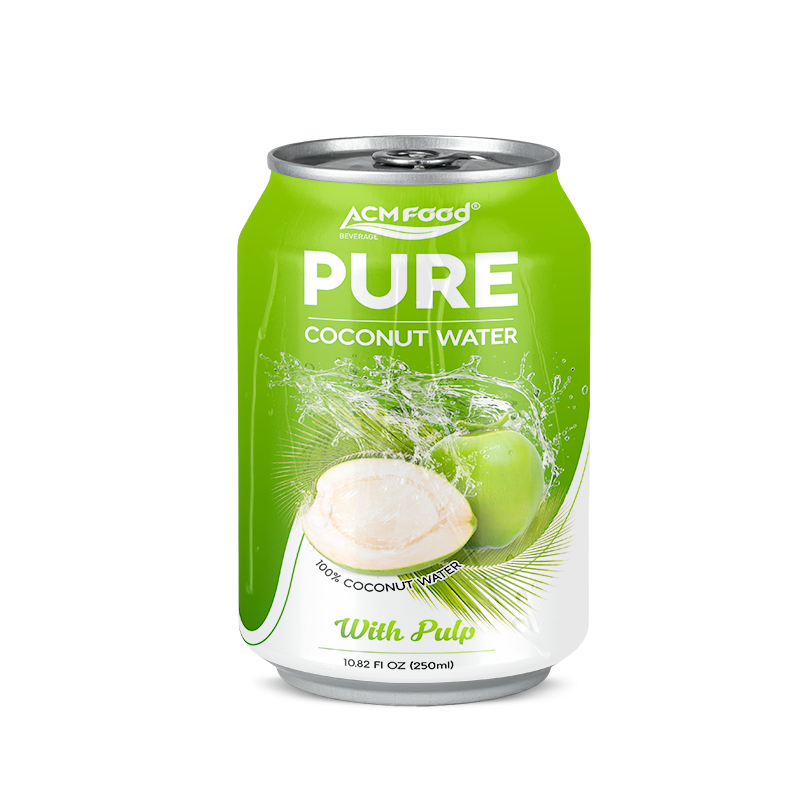
- Coconut water: Naturally simple ingredient lists and strong hydration cues; see premium coconut water OEM and private label for packaging and source considerations.
For broader fruit strategy and how to ladder flavors from core to seasonal, review private label fresh fruit juice playbooks that connect sensory to margin structure.
Information for U.S. label artwork and prepress
Set up artwork with regulatory panels as master layers, then version flavor graphics. Provide dielines, substrate callouts, color targets, and printer profiles to your design team to reduce reproof cycles.
- Master template: Lock Nutrition Facts, ingredient statement, barcode, net contents, and mandatory notices.
- Flavor versions: Swap flavor cues and colorways without moving regulated elements.
- Proofing: Use contract proofs and on-press checks for sleeves or metallic cans to avoid color drift.
- Data control: Maintain an artwork register with version numbers and approval dates.
Route-to-market and retail readiness
Match pack sizes, cases, and pallet patterns to your retail or DTC strategy. Prepare sell-in materials with sensory notes, feature/benefit bullets, and compliance-ready labels to accelerate retail onboarding.
- Channel fit: Grocery favors core flavors and family packs; c-store rewards portability and bold tastes; club needs value per ounce.
- Case & pallet: Confirm tie/high, overhang limits, and retail-ready packaging where needed.
- On-shelf execution: Simple flavor naming, clear color cues, and legible nutrition panels support quick decisions.
FAQ
Quick answers to common U.S. private label beverage questions, from sourcing location to label language and timelines.
Do U.S. retailers prefer domestic or imported private label beverages?
Preferences vary by category and buyer strategy. Domestic can offer faster replenishment and simpler logistics, while imports may unlock unique sourcing or value. Many portfolios mix both, provided labeling and quality meet U.S. requirements and landed economics remain competitive.
Can I describe my drink as “natural” in the U.S.?
Wording must be carefully considered and substantiated. Some descriptors carry specific expectations about processing and ingredients. Work with regulatory counsel to ensure your chosen phrasing aligns with your actual formulation and applicable guidance.
What shelf-life should I target for an ambient beverage?
There is no single right number; it depends on process (hot-fill, aseptic), packaging, and distribution temperature. Set a data-driven target after pilot runs and stability testing under conditions that simulate your real route-to-market.
Which is better for a new line: cans or bottles?
Choose the format that best reflects your brand cues, operational access, and channel. Cans often fit sparkling and energy styles; PET or glass can favor juices and teas. Consider recyclability, line availability, and freight before deciding.
How long does development usually take?
Timelines vary with formula complexity, artwork rounds, packaging lead times, and regulatory reviews. Locking a clear brief, fast feedback loops, and early label drafting typically shortens the path to launch.
Do I need product liability insurance for private label beverages?
Retailers often require specific coverage levels. Consult your broker and align with retailer/vendor onboarding requirements so policies are in place before first shipment.
Private label beverages USA succeed when taste, compliance, packaging, and cost align with a clear brief. Use the frameworks above to engage manufacturers efficiently, validate quality, and scale with confidence as you build a durable U.S. beverage portfolio.
Manufacturing for U.S. brands
If you are sourcing for the U.S. market, three pages cover what buyers ask first. Our OEM manufacturing programme describes what the factory takes on; certifications and food safety systems covers the documents customs and retailers will ask you to produce; export and logistics covers shipping terms and the document pack. To price a programme, request a quote.
Request a quoteWhere to go next
Sourcing for the U.S. market? The United States beverage market page covers the full OEM and private label programme for U.S. brands and importers: MOQ 500 cartons per SKU, 15-30 day production, HACCP / ISO 22000 / FSSC 22000, and shipping from Ho Chi Minh City. Request a quote and we reply within 24 hours.