


 Français
 Español
 العربية
 한국어
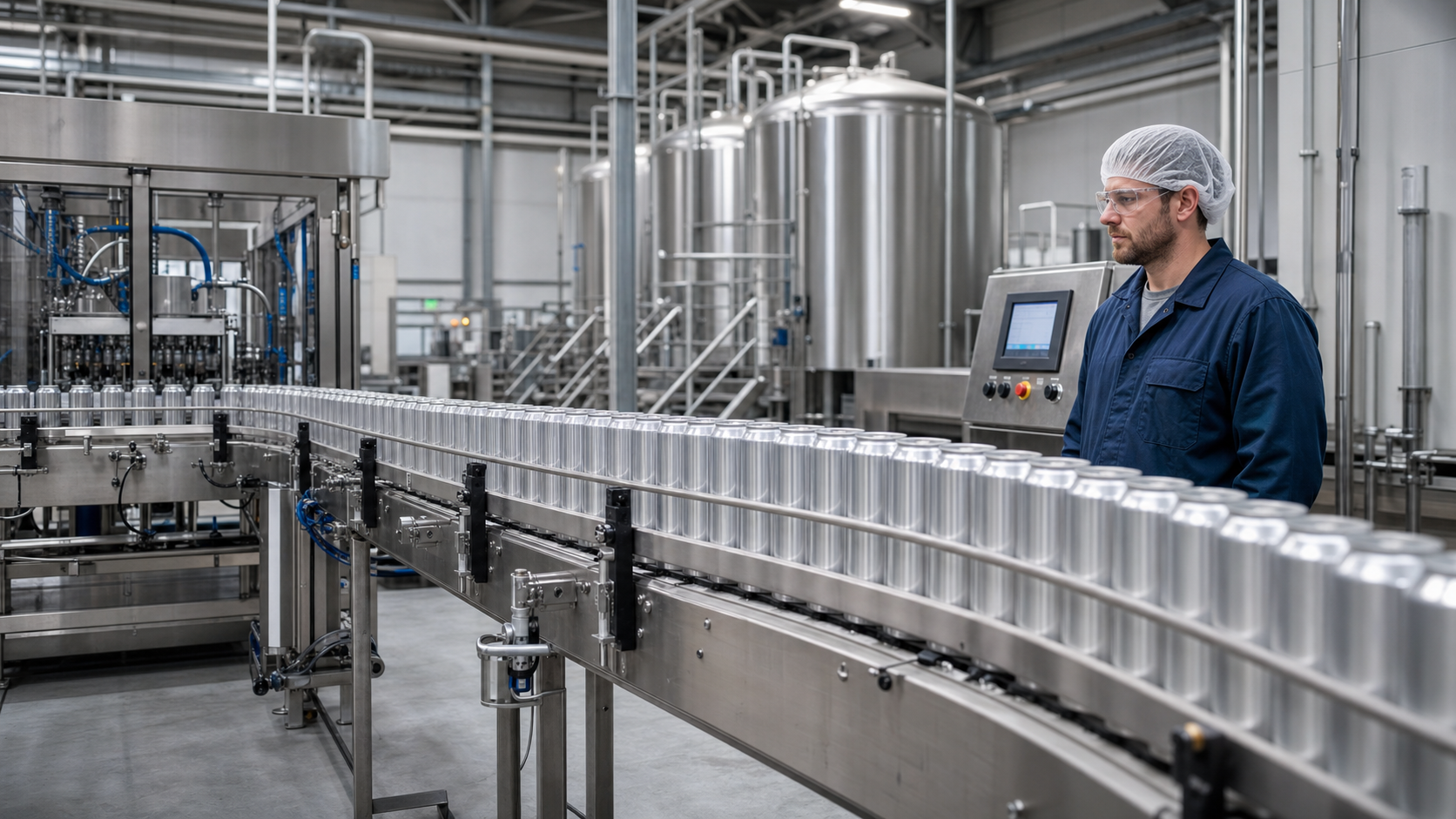
한국어Contract beverage manufacturing in the USA is the practice of outsourcing drink production to specialized co-packers who have the equipment, quality systems, and regulatory know-how to make and package products at scale. It enables U.S. brands to focus on innovation, marketing, and distribution while relying on expert facilities for safe, compliant, and efficient manufacturing.
This guide explains how contract beverage manufacturing USA works from concept to shelf, which formats and filling methods are available, what regulations matter, how to evaluate a beverage co-packer USA, and how to plan costs, packaging, and launch timelines. It is written for founders, operators, and procurement teams at U.S. drink brands who need practical, decision-ready information.
What is contract beverage manufacturing in the USA?
In short, a U.S. beverage co-packer produces and packages your drink to an agreed formula, specification, and quality standard under a commercial contract. Depending on the engagement, the co-packer may provide pure filling services, end-to-end productization support, or something in between.
Common working models include:
- Co-packing (tolling): You provide the finished formula and most materials; the co-packer runs the line and handles QA, sanitation, and compliance.
- OEM/ODM: The manufacturer assists with formulation, ingredient sourcing, process validation, and packaging selection, then produces under your brand. For a primer on terminology and scope, see custom fruit juice OEM/ODM explained.
- Hybrid: You own the formula and certain key ingredients; the co-packer supplies packaging components and auxiliary inputs.
Which beverage formats do U.S. co-packers handle?
Many U.S. contract drink manufacturer USA facilities specialize by product type, process, and packaging. Align your product with a plant that routinely runs similar SKUs.
- Carbonated soft drinks, flavored seltzers, and functional sparkling waters
- Still beverages: enhanced waters, juices, nectars, juice drinks, lemonades
- Tea and coffee RTDs, cold brew, and botanical infusions
- Sports hydration and electrolyte drinks
- Energy drinks and caffeinated beverages
- Protein shakes and meal replacement drinks
- Plant-based milks and dairy alternatives (specialized processes apply)
- Fermented beverages such as kombucha (specialized controls apply)
- Concentrates, syrups, and bag-in-box for foodservice
- Short-format shots (e.g., 2–4 oz function-forward shots)
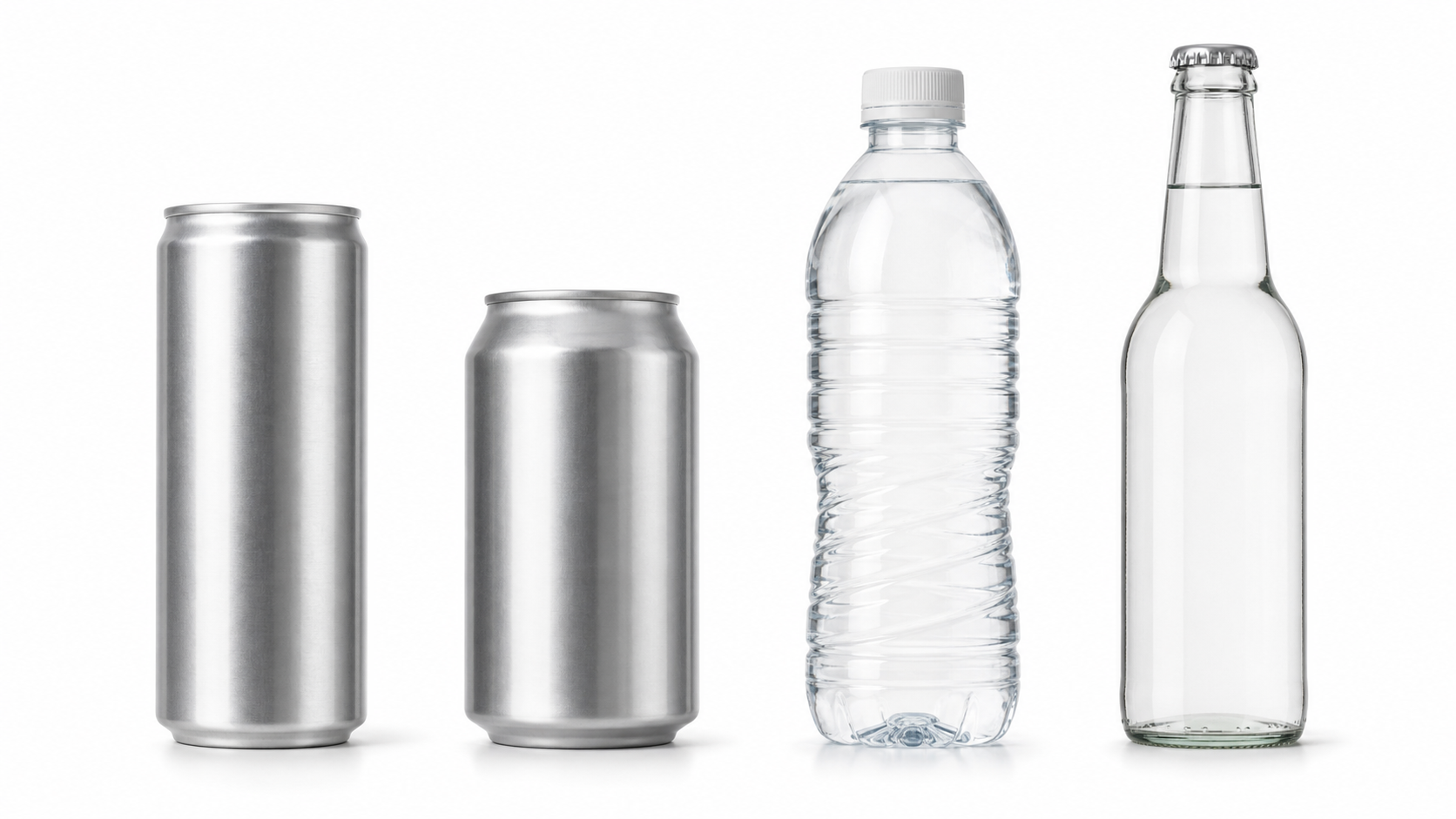
Typical packaging formats include aluminum cans (slim, sleek, standard), PET bottles (various volumes), glass bottles, aseptic cartons, pouches, and bag-in-box. Each format ties to a filling method and shelf-life model, which affects cost, logistics, and channel options.
How does the development-to-launch process typically work?
While every plant is different, most commercialization paths include these phases. The sequence can overlap, but the dependencies are real: each step reduces risk and clarifies cost.
- Product brief: Define target consumer, use occasion, flavor(s), nutrition intent, sweetener system, packaging format, channels, and positioning.
- Feasibility alignment: Confirm the co-packer’s processes (hot-fill, tunnel pasteurization, cold-fill with preservatives, ESL, aseptic), packaging sizes, and minimums align to your plan.
- Confidentiality & IP: Execute NDAs, define who owns formulation, and set data-sharing rules.
- R&D and benchtop samples: Formulate for target sensory, process, and label outcomes; iterate with your team and the plant’s process constraints in mind.
- Regulatory review: Map your product to applicable U.S. rules (e.g., FDA food labeling and cGMP, juice HACCP for juice products, low-acid/acidified food rules where applicable; TTB if alcohol).
- Ingredient & packaging sourcing: Lock specs, certificates, and lead times; align on who buys and holds inventory.
- Pilot or line trial: Validate formula, processing parameters, yield, and line compatibility.
- Shelf-life & stability testing: Set protocol for micro, chemical, physical, and sensory checks over time under intended storage conditions.
- Artwork & claims check: Build compliant labels, review nutrition facts, ingredient list, allergen statements, and voluntary claims.
- Pre-production (PP) run: Final validation under near-commercial conditions.
- Commercial production: Execute, then confirm QA release, warehousing, and distribution plan.
| Milestone | Primary owner | Positioning & notes |
|---|---|---|
| Brief & feasibility | Brand, Co-packer | Align product scope to actual line capabilities and MOQs early. |
| Formula & lab samples | Brand, R&D partner | Design for process (hot-fill, carbonation, etc.), not just taste. |
| Regulatory mapping | Brand, Regulatory advisor | FDA food rules; TTB for alcohol; special categories as relevant. |
| Trial & validation | Co-packer, Brand QA | Confirm yields, parameters, sensory, packaging integrity. |
| Label & claims review | Brand, Legal | Nutrition Facts, ingredient list, allergens, any voluntary claims. |
| Commercial run | Co-packer | QA release, batch records, C of A as applicable, distribution plan. |

What regulations and certifications matter for U.S. beverage co-packing?
The United States has well-defined food and beverage regulations. Your exact obligations depend on product type, process, and claims. Plan for compliance from day one.
- FDA registration & cGMP: Food facilities must register with FDA and follow Current Good Manufacturing Practices (e.g., 21 CFR Part 117).
- FSMA Preventive Controls: Many products require a food safety plan overseen by a qualified individual (PCQI).
- Juice HACCP: If the product is juice as defined by FDA, specific HACCP requirements may apply (21 CFR Part 120).
- Thermal process categories: Low-acid canned foods (21 CFR Part 113) and acidified foods (21 CFR Part 114) have additional controls and filings.
- Alcoholic beverages: TTB oversight for formula, label approval (COLA), and excise; plus state-level rules.
- Voluntary schemes: Retailers or brand programs may require GFSI-benchmarked certification (e.g., SQF, BRCGS) or specific audits.
- Special claims: Certifications for organic, kosher, halal, or Non-GMO Project Verified require qualified facilities and documented controls.
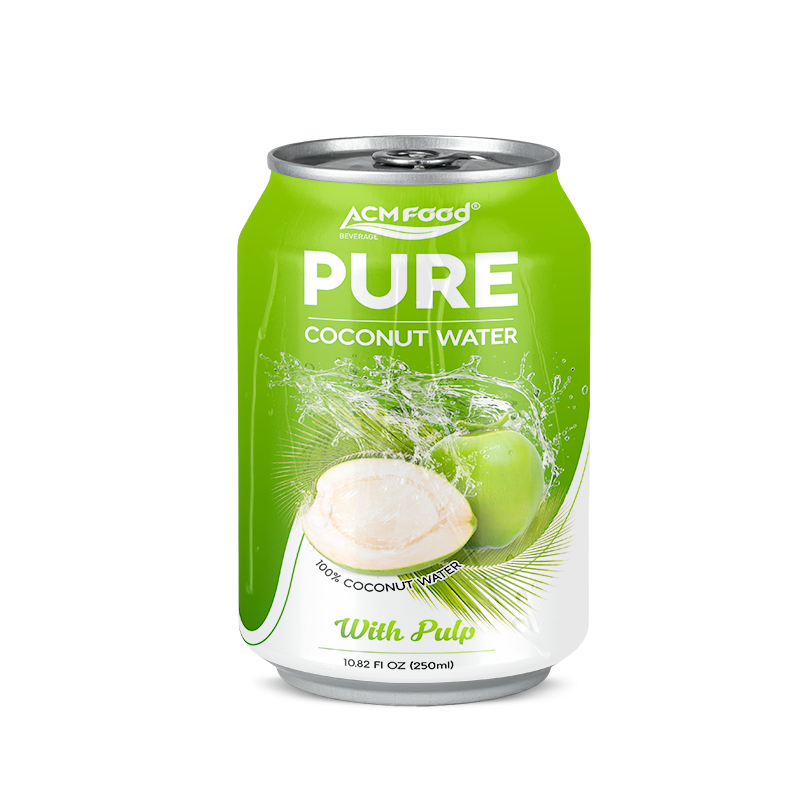
Work with your co-packer to determine which frameworks apply to your product and label. If you plan category-specific sourcing (for example, coconut water), experience and controls for that ingredient class are valuable. See options for OEM coconut water solutions and research supply dynamics such as sourcing coconut water from Vietnam when evaluating upstream risk.
How to choose a contract drink manufacturer USA
Matching your product to the right plant is the single most important manufacturing decision. Prioritize capability fit and reliability over proximity alone.
- Process fit: Hot-fill, tunnel pasteurization, retort, cold-fill with preservatives, ESL, aseptic, or carbonation capability as needed.
- Packaging fit: Your exact can/bottle format, closures, liner types, and secondary packaging (e.g., variety packs) supported.
- Run-size economics: Minimum order quantities, changeover windows, and line-time access compatible with your forecast.
- Quality & testing: In-house lab testing scope (micro, chemistry, packaging integrity), sample retention, CoA handling.
- Formula confidentiality: IP terms, data room access, and batch documentation.
- Supply model: Who buys ingredients and packaging; inventory ownership; safety stock strategy.
- Operational readiness: Preventive maintenance, spare parts, and line uptime history.
- Regulatory & audit status: FDA, state, and any program/retailer requirements relevant to your channels.
- Logistics: Pallet configs, warehousing, temperature control options, and freight access to your DCs.
| Selection criterion | Why it matters | What to verify |
|---|---|---|
| Filling method | Determines shelf stability and formula limits | Validated parameters for your beverage type and pH range |
| Packaging capability | Avoids costly custom tooling or format changes | Exact can/bottle sizes, closure systems, secondary packing |
| QA & lab | Controls safety, quality drift, and release timing | Test menu, sample plans, documentation flow |
| Scheduling & MOQs | Impacts cash flow and inventory risk | Minimums, changeover frequency, forecast flexibility |
| Regulatory experience | Reduces risk of rework or relabeling | Similar products run; audit and inspection outcomes |
| Supply model | Affects total landed cost and lead time | Who procures, holds, and replenishes key inputs |
What are typical cost drivers and how do quotes work?
Quotes vary by plant and product, but most cost stacks include these components. Clarify inclusions and exclusions to compare like-for-like.
- Ingredients: Base liquids, flavors, acids, sweeteners, functional additives, colors, processing aids.
- Packaging: Primary (can/bottle, closure, liner), labels or shrink, ends, cartons, trays, film, and pallets.
- Manufacturing fees: Line time or per-case toll, minimum run charges, sanitation, changeovers, and startup scrap.
- Quality & testing: Micro/chemistry panels, retains, external lab fees if applicable.
- Regulatory & documentation: Formula review, nutrition panel creation support, and any filings relevant to the process category.
- Freight & warehousing: Inbound materials freight, finished goods outbound, optional storage.
- Yield & overages: Recipe yield losses and spares for packaging components.
Ask for a clear assumptions sheet (materials spec, process, format, run size) and separate line items for tolling vs. materials. Small changes in sweetness system, acid profile, or packaging spec can materially change the landed cost per unit.
Hot-fill, cold-fill, ESL, or aseptic: which path fits your drink?
The right filling method balances product safety, stability, sensory, and economics. Your formula, pH, particulates, and target distribution temperature guide the choice.
| Method | Typical use cases | Key considerations |
|---|---|---|
| Hot-fill | Acidic still drinks like juices, teas, lemonades | Heat-tolerant flavors and packaging; ambient-stable positioning |
| Tunnel pasteurization | Carbonated beverages and some still drinks in cans or bottles | Thermal profile impacts flavor; suited to certain pack styles |
| Cold-fill + preservatives | Still drinks where mild processing preferred | Label acceptance of preservatives; chilled or ambient depending on controls |
| ESL (extended shelf life) | Dairy/alt-dairy and protein beverages | Chilled distribution; specialized sanitation and filling |
| Aseptic | Low-acid or sensitive products needing ambient stability | Stringent controls; packaging compatibility essential |
Engage your co-packer early to confirm which methods they validate for your beverage type and what formulation boundaries are required for safe processing.
How should U.S. brands plan shelf-life and stability testing?
Define the intended shelf-life and storage conditions, then design a testing plan that supports that claim. Many brands combine real-time and accelerated testing to inform risk and timelines.
- Microbiology: Appropriate indicator organisms or panels for the category and process.
- Chemistry & physical: pH, Brix, acid profiles, color metrics, carbonation levels where relevant, and packaging integrity.
- Sensory: Trained panel or structured internal tastings for flavor, aroma, and appearance drift.
- Protocol: Retains from pilot and commercial runs, stored at defined conditions with periodic testing.
Agree with your co-packer which tests are in-plant and which require third-party labs, along with acceptance criteria and documentation flow.
Packaging options, components, and secondary formats
Packaging touches cost, shelf presence, line compatibility, and sustainability positioning. Confirm exact component SKUs before trials.
- Aluminum cans: Slim, sleek, or standard diameters; internal liners and end specifications must match product chemistry and process.
- PET bottles: Clarity, barrier properties, and thermal resistance vary by resin and design; closure and liner systems must suit the fill method.
- Glass bottles: Premium feel and good barrier; weight and breakage handling need attention.
- Cartons & pouches: Aseptic or specialized filling; clear artwork panels and fit-for-purpose spouts/caps.
- Secondary packaging: Trays, wraps, carriers, and multipacks influence both retail merchandising and logistics efficiency.
Set clear specifications for packaging integrity tests, coding/traceability, pallet patterns, and transport simulation as appropriate for your channel strategy.
Artwork, labeling, and claims compliance in the U.S.
Your label is both a marketing asset and a compliance document. Build it with regulatory references at hand.
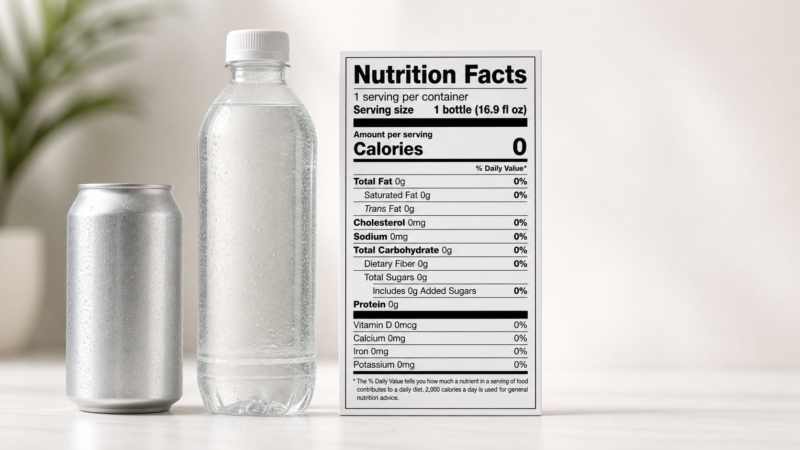
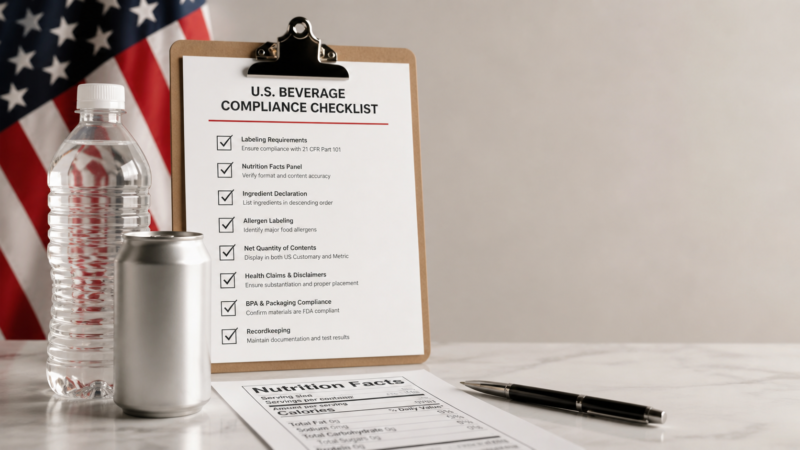
- Nutrition Facts: Format and nutrient declarations should align with FDA requirements for your product class and serving size.
- Ingredient list & allergens: Order by weight; identify major allergens per U.S. rules.
- Statement of identity & net contents: Clear product name and quantity in U.S. customary and metric units.
- Manufacturer/distributor statement: Name and address as required.
- Voluntary claims: Terms such as organic, non-GMO, or plant-based require supporting documentation and may mandate certified facilities.
- Alcoholic beverages: TTB label approvals and statements apply where relevant.
Circulate artwork for technical review alongside your co-packer’s process details to avoid conflicts (e.g., fill temperature versus label material performance).
Logistics, warehousing, and distribution considerations
Manufacturing and logistics are intertwined. Decisions upstream affect downstream cost and service levels.
- Warehousing: On-site or nearby third-party storage; temperature control if required.
- Freight: Align production cadence with outbound truckload/LTL plans; build stable pallet specs.
- eCommerce & DTC: Packaging durability tests and parcel-readiness for fulfillment networks.
- Traceability: Batch coding, pallet labels, and data sharing to integrate with retail or distributor systems.
U.S. manufacturing vs. importing finished goods or concentrates
Some brands produce domestically; others import ready-to-drink products or concentrates, then finish and pack in the U.S. The trade-offs include speed, cost, regulatory scope, and working capital.
- Domestic production: Easier coordination and faster changeovers; access to co-packer labs and trials; local compliance familiarity.
- Importing concentrates: Can lower ingredient cost or improve flavor authenticity; domestic finishing preserves U.S. label control.
- Importing finished goods: Simplifies operations but shifts risk to international logistics, tariffs, and foreign compliance.
For categories with strong origin identity (e.g., coconut water), pairing origin sourcing with U.S. finishing can work well. Explore upstream dynamics in sourcing coconut water from Vietnam and category supply options in OEM coconut water solutions to inform briefs and risk registers.
Startup needs vs. established brand requirements
Startups often need flexible minimums, iterative R&D, and packaging MOQs that won’t strain cash flow; established brands may prioritize throughput, audit scope, and multi-plant redundancy.
- For startups: Seek pilot-friendly lines, scalable packaging, and clear changeover policies. Budget for packaging inventory and spares to de-risk delays.
- For scaling brands: Dual-approve specs across two plants when possible; standardize materials; implement joint S&OP with co-packers.
A practical product brief checklist for U.S. co-packers
Arrive with a concise, structured brief to accelerate feasibility and quoting:
- Brand overview, channels, and target consumer
- Flavor(s), sweetness system, acidification approach
- Intended filling method(s) and packaging formats
- Target pH range and processing constraints (if known)
- Nutrition and label intent (e.g., low sugar, no artificial colors)
- Regulatory considerations (juice definitions, alcohol classification, special categories)
- Testing plan (micro, chemistry, sensory) and documentation needs
- Artwork timeline and dieline status
- Forecast, launch date goals, and growth plan
- Supply model: who procures ingredients and packaging, inventory ownership
- Logistics preferences: pallet specs, warehousing, temperature control
- Required audits or certifications for retail programs
Common pitfalls to avoid
Many delays and overages trace back to a few avoidable issues. Build buffers and align early.
- Designing taste-first, process-later: Formulate within validated thermal or carbonation boundaries for your chosen line.
- Unconfirmed packaging: Lock exact can/bottle/closure SKUs before committing to trials.
- Under-specifying tests: Agree on test methods, acceptance criteria, and turnaround before production.
- Loose claims: Draft claims only after confirming formula, serving size, and applicable rules.
- Unclear ownership: Define who buys, stores, and replenishes each input and who carries obsolescence risk.
Information for beverage founders and product developers
Before you contact a beverage co-packer USA, align internally on must-haves versus nice-to-haves. A focused brief speeds up responses and reduces rounds of back-and-forth. If you are new to manufacturing models, review custom fruit juice OEM/ODM explained to clarify roles and deliverables across development and production.
FAQ: U.S. contract beverage manufacturing
Do co-packers help with formulation or only fill finished recipes?
Both exist. Some co-packers are fill-only; others offer R&D support, from benchtop trials to process optimization. Clarify in your brief whether you need formulation assistance and who will own the final formula and test data.
What minimum order quantities (MOQs) should we expect?
MOQs vary by line, package, and changeover complexity. Share realistic forecasts and seasonal demand so the co-packer can propose a run size and cadence that balances line efficiency with your inventory risk.
How long does commercialization usually take?
Timelines depend on formula complexity, packaging availability, trial needs, and label readiness. Parallel-path tasks where possible (e.g., artwork alongside stability testing) to compress the schedule without skipping validation steps.
Can the co-packer buy our ingredients and packaging for us?
Some do; some prefer customer-supplied materials. Either model can work. Decide based on working-capital limits, supplier relationships, and the co-packer’s procurement capability for your specific components.
What testing is standard for release?
Release testing is category- and process-specific. Discuss required micro, chemistry, and packaging checks, retention policies, and documentation (e.g., certificates) before trials so expectations are clear.
How is confidentiality protected?
Use NDAs and define IP ownership for formulas, process parameters, and test results. Limit document access to need-to-know teams and request secure data-room sharing where appropriate.
Conclusion
For U.S. brands, contract beverage manufacturing USA connects your product vision with proven processes, packaging, and quality systems. Success hinges on capability fit, a disciplined brief, validated filling methods, compliant labels, and a realistic testing and launch plan. Invest time upfront to align specs, responsibilities, and documentation flows; it pays back in fewer surprises, tighter costs, and smoother scale-up.
If your pipeline includes juices or origin-driven categories, consider pairing domestic finishing with thoughtful sourcing. The resources on OEM coconut water solutions and sourcing coconut water from Vietnam can help you map supply options to a resilient U.S. co-packing strategy.
Manufacturing for U.S. brands
If you are sourcing for the U.S. market, three pages cover what buyers ask first. Manufacturing to your own specification explains what the production side covers; certifications and food safety systems covers the documents customs and retailers will ask you to produce; export and logistics covers shipping terms and the document pack. To price a programme, request a quote.
Request a quoteWhere to go next
Sourcing for the U.S. market? The United States beverage market page covers the full OEM and private label programme for U.S. brands and importers: MOQ 500 cartons per SKU, 15-30 day production, HACCP / ISO 22000 / FSSC 22000, and shipping from Ho Chi Minh City. Request a quote and we reply within 24 hours.