


 Français
 Español
 العربية
 한국어
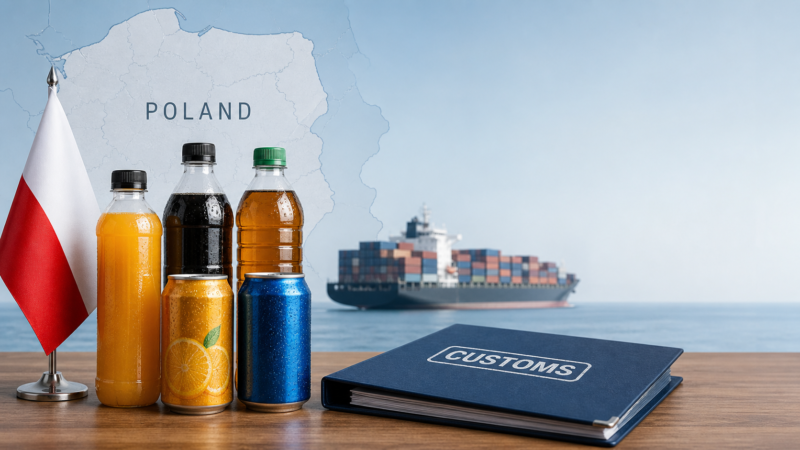
한국어To import beverages into Poland, align with EU food controls enforced nationally by the Chief Sanitary Inspectorate (GIS), plan entry via at least 1 Polish port (e.g., Gdańsk), and prepare Polish-language labels before sale. Use a clear, step-by-step process and confirm taxes, fees and packaging obligations specific to Poland.
Below is a practical workflow focused on Polish requirements, authorities and entry logistics. For the market context, see the overview of the Poland market. EU-wide labelling and import layers are summarized in EU beverage labelling and import rules; this page focuses on Poland-specific execution.
Who enforces EU food import rules in Poland?
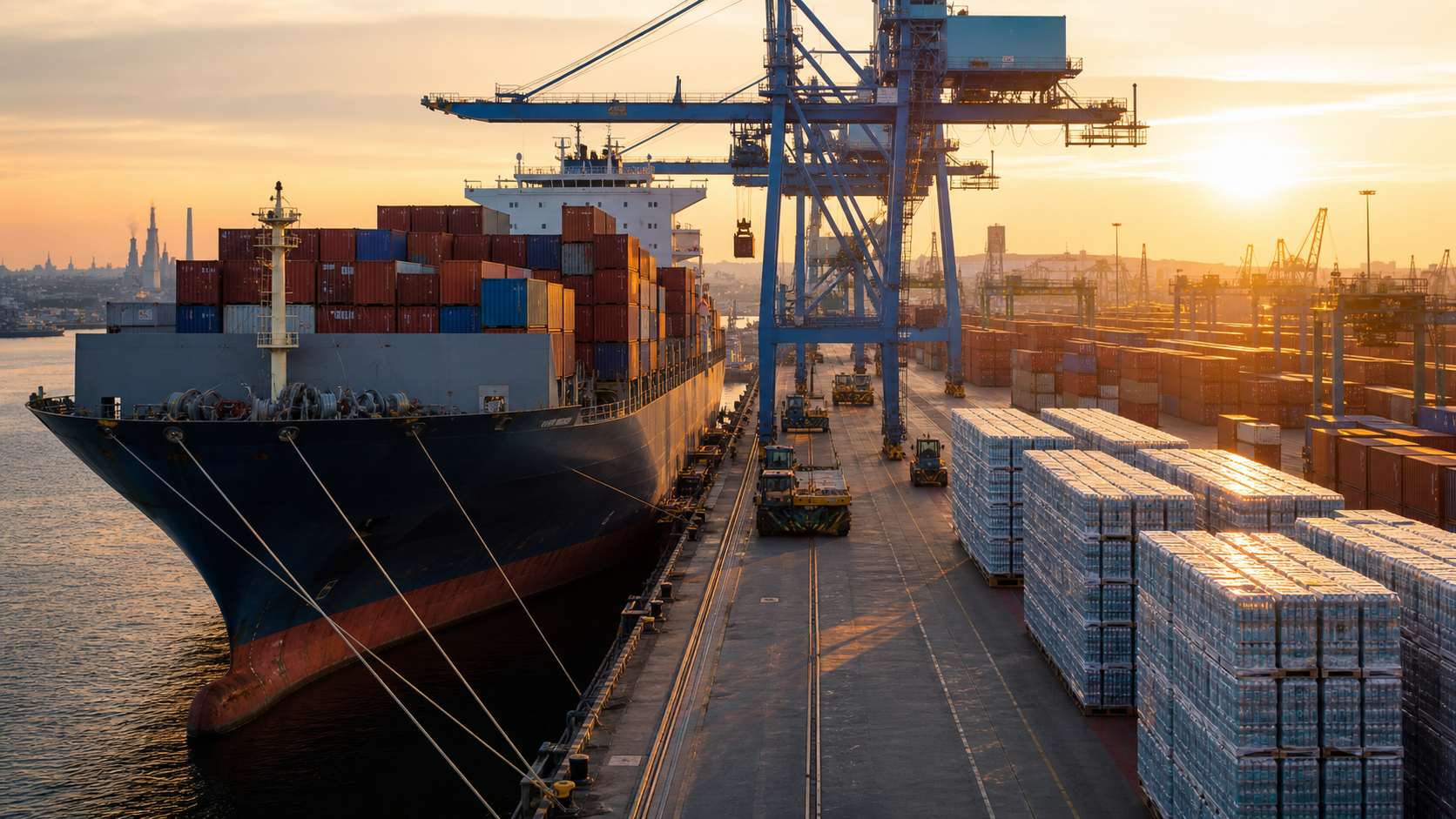
GIS (Główny Inspektorat Sanitarny, the Chief Sanitary Inspectorate) enforces EU food safety & import controls for beverages entering Poland. Official controls are carried out at the border and inland by sanitary inspectorates operating under GIS authority. Customs formalities run in parallel with Polish National Revenue Administration procedures, while EU law sets the shared baseline enforced locally by GIS.
Step-by-step: How to import beverages into Poland
- Scope your product & CN code precisely. Classify each SKU under the correct CN/HS code. This drives EU customs duty, VAT category and whether any special control (e.g., for alcohol or energy drinks) applies in Poland.
- Confirm EU-wide rules (shared layer). Verify composition, additives, claims and general labelling via the EU framework. Do not duplicate research here; use the hub at EU beverage labelling and import rules and then return to the Polish steps below.
- Check Poland-specific sale & language needs. Consumer packs sold in Poland require Polish-language information on the label at point of sale. Plan translations and space on artwork early; importer name & address in Poland is typically expected on the label.
- Pick your Polish entry route & port. For sea freight, common choices are Port of Gdańsk and Port of Gdynia; Szczecin-Świnoujście is also used. For EU-internal transfers (after EU customs clearance elsewhere), road or rail legs into Poland may follow.
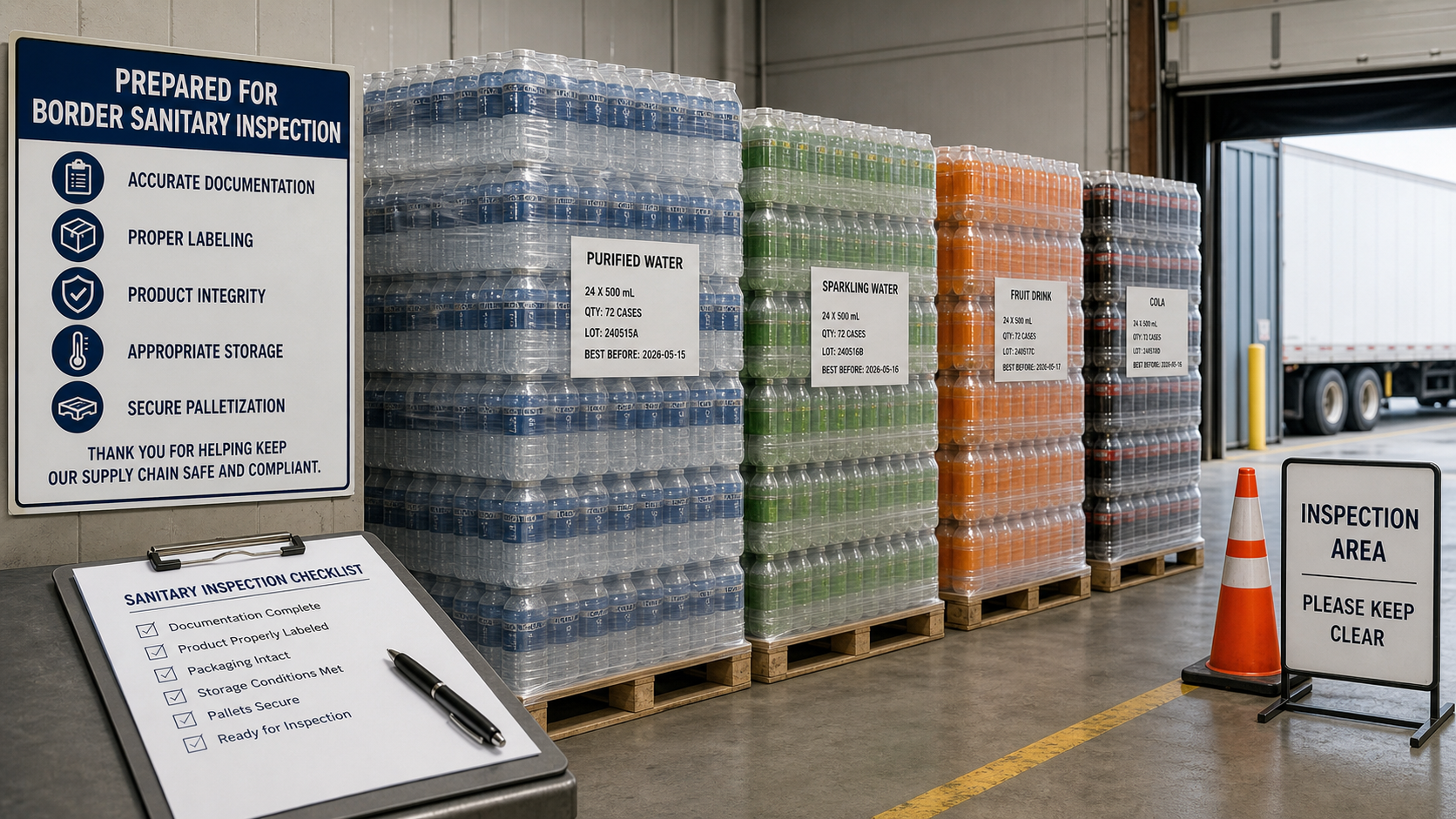
- Align with GIS border sanitary control. For non-animal-origin beverages, expect document and identity checks at border sanitary control posts designated by GIS, with possible sampling. Coordinate pre-arrival documentation with your Polish importer or customs broker.
- Plan the national deposit-return scheme (DRS). Poland is rolling out a national deposit-return system (often referenced domestically as a “system kaucyjny”). Confirm current effective dates, covered materials (e.g., PET, aluminium, glass) and your obligations to join or contract a system operator.
- Assess Polish packaging EPR/BDO registration. Importers that place packaged goods on the Polish market usually have extended producer responsibility (EPR) for packaging. Verify if registration in the Polish packaging & waste database (BDO) applies to your role in the supply chain.
- Validate taxes & fees specific to Poland. Alcoholic beverages carry excise; many non-alcoholic drinks may face a national sugar levy (commonly referred to as “opłata cukrowa”). Confirm applicability and calculation method with your broker or fiscal representative.
- Prepare your document set. Typical packs include commercial invoice, packing list, bill of lading/CMR, product specification, full ingredient list, allergen statement, and shelf-life data. Where applicable, include health certificates or origin certificates required by your route.
- Book transport with Polish reception in mind. Ensure pallets, shrink-wrap, temperature targets and stack heights suit Polish warehouse standards. Discuss intermodal options for Gdańsk/Gdynia to inland DCs in central Poland.
- File customs & sanitary entry. Your Polish importer or customs broker will lodge the EU customs declaration and arrange GIS controls where required. Respond quickly to any GIS queries on composition, labelling, or shelf-life.
- Complete EPR/DRS actions before retail sale. Finalize Polish-language labels, ensure deposit markings if required by the live DRS rules, and set up take-back/reporting under packaging EPR.
Poland-specific packaging, labelling and deposit-return
Use the EU hub for shared labelling law and claims limits (EU beverage labelling and import rules). Below are Polish-only execution points to consider before shipment:
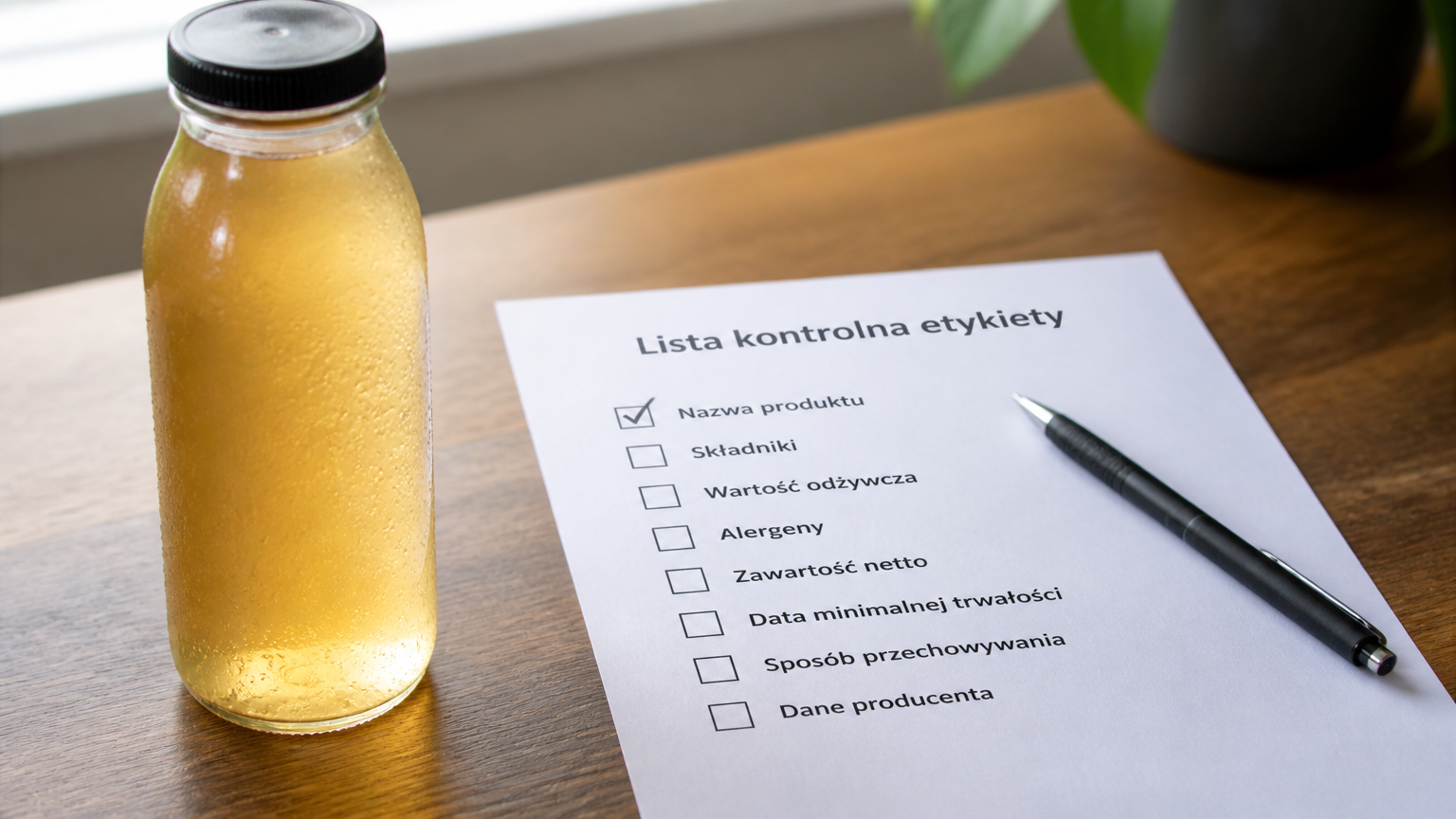
- Polish language at sale: Consumer units sold in Poland need information in Polish. Many importers add a Polish back-label with mandatory particulars and importer details.
- Deposit-return system (DRS): Poland is implementing a national DRS for selected containers. Confirm whether your PET, aluminium or glass formats are covered, the deposit amount (if any), and the approved markings and barcodes when the scheme is in force for your SKUs.
- Packaging EPR: If you place packaged beverages on the Polish market, verify registration and reporting under Poland’s packaging & waste obligations (often managed via the BDO system or a producer responsibility organization).
- Retail labelling checks: Large retail chains in Poland typically conduct artwork compliance checks before listing. Build in lead time for Polish copy review and printer proofs.
- Format choices: Cans are strong for ambient soft drinks and RTD teas; PET dominates in value retail; glass is still common in HoReCa. For private-label development, evaluate custom OEM bottling in PET as a flexible route-to-market.
Control focus by beverage type in Poland
Polish authorities follow the EU control baseline, then apply enforcement locally under GIS. This table summarizes practical focus areas by category (no numerical thresholds are listed here; verify per product):
| Beverage category | Poland import focus | Positioning & notes |
|---|---|---|
| 100% juice & juice from concentrate | Ingredient list accuracy, additives control, Brix claims consistency, Polish label at sale | Ambient logistics common; evaluate retail-ready trays for top chains |
| Nectar & juice drinks | Name of the food and fruit content statements, sweeteners declaration, Polish translation | Competitive in mainstream; PET and can formats widely accepted |
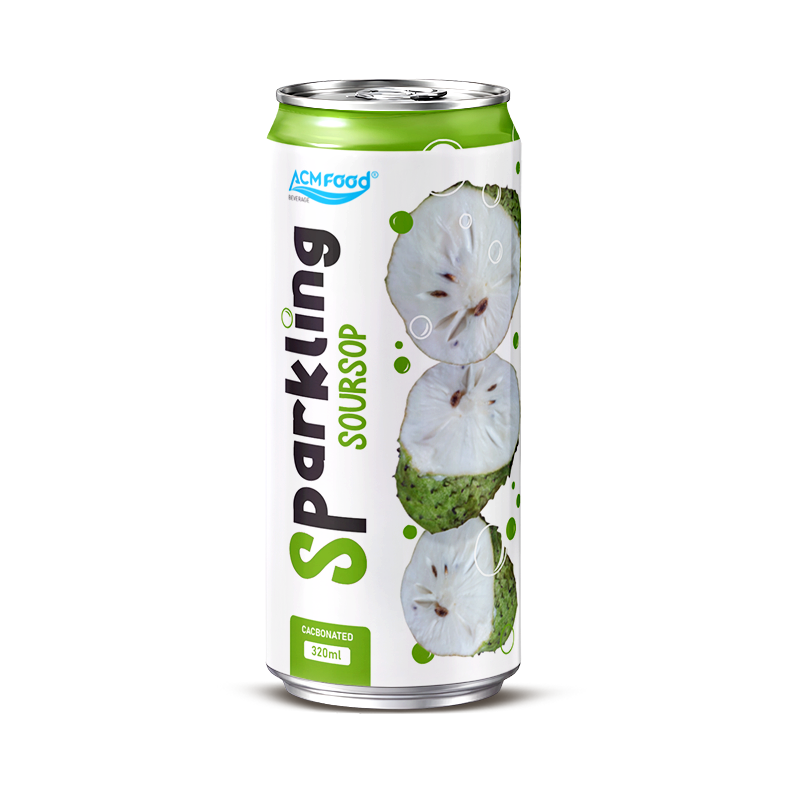
| Carbonated soft drinks | Sweeteners/sugar disclosure; verify national sugar levy applicability | Can formats efficient for transport; see why canned coconut water is growing |
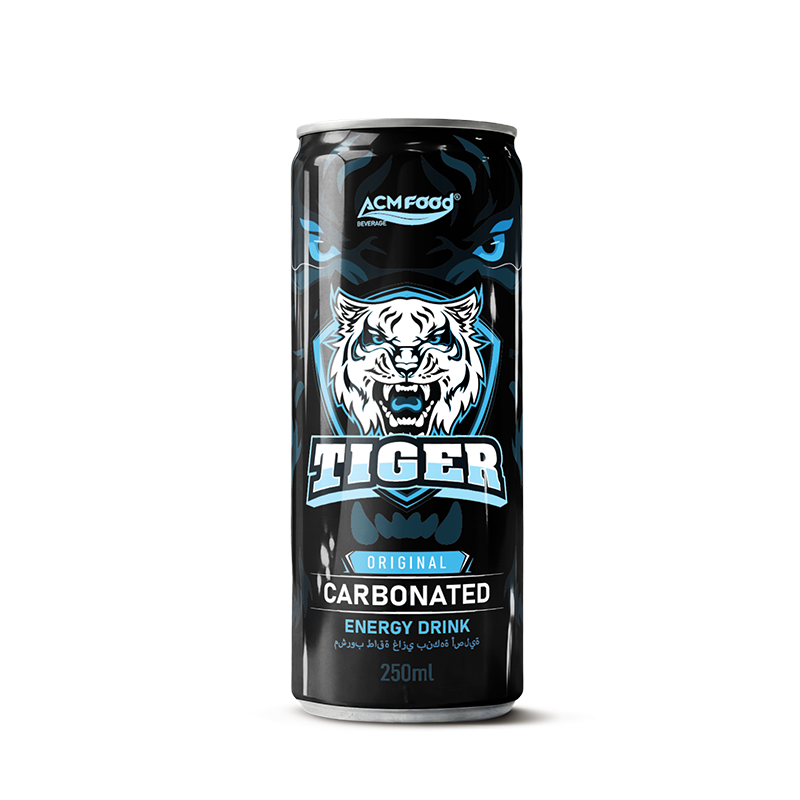
| Energy drinks | Caffeine/taurine disclosure, labelling warnings if applicable | Retail buyers may ask for age-marketing measures |
| RTD tea/coffee | Allergen and milk content statements, shelf-life proof | Chilled chain for dairy-containing SKUs |
| Alcoholic beverages | Excise procedures; mandatory particulars; importer details | Confirm duty stamps and retail handling practices |
Taxes, duties and fees in Poland
Set budgets early and validate each layer with your customs broker or fiscal representative in Poland:
- EU customs duty: Determined by CN/HS code under the EU Common External Tariff. Preferential rates may apply with valid origin.
- VAT: VAT applies at import according to the Polish VAT Act. Many non-alcoholic beverages fall under the standard rate; confirm the tariff line and current rate for your SKU.
- Excise (alcohol): Alcoholic beverages are subject to excise in Poland in addition to customs and VAT. Check product class and strength.
- Sugar levy: Poland levies a national charge on certain sweetened beverages (widely referred to as “opłata cukrowa”). Verify scope, calculation method and payer responsibilities for your supply chain.
- Packaging obligations: If you place packaged goods on the market, plan for producer responsibility fees and reporting under Polish packaging law, potentially via BDO registration or a producer responsibility organization.
Ports and entry routes to consider
Most non-refrigerated beverage imports land at Port of Gdańsk or Port of Gdynia, offering dense feeder connections and rail to central Poland DCs. The Szczecin-Świnoujście complex serves northwest corridors. For EU-cleared cargo entering by road, common crossings from Germany and the Czech Republic feed national distribution swiftly.
- Seaport selection: Match sailing schedules, free time, and rail links to your DC location near Warsaw, Łódź or Poznań.
- Rail & intermodal: Intermodal ramps near Gdańsk/Gdynia can shorten lead times to central warehouses.
- Seasonality: Winter conditions can impact drayage; plan buffers for high-volume weeks.
For regional expansion beyond Poland, you may compare adjacent opportunities via neighboring Ukraine market insights to plan multi-country launches.
While document needs vary by product and route, the following set is frequently reviewed by Polish sanitary and customs authorities:
- Commercial invoice with buyer/seller details, Incoterms, currency and HS code
- Packing list with net/gross weights, lot numbers and pallet count
- Transport document (B/L, AWB or CMR)
- Full ingredient list, allergens, additives and country of origin for each component
- Product specification (shelf-life, storage, microbiological targets)
- Labelling artwork or mockups in Polish for retail sale
- Certificates required by route (e.g., health or origin certificates if applicable)
- Importer details in Poland for labelling and responsibilities
Practical timelines and logistics tips
- Artwork gating: Lock Polish text early. Retailer compliance reviews can add loops; build this into critical paths.
- Sampling readiness: Keep retain samples and spec sheets accessible to answer any GIS queries on composition or shelf-life.
- Pallet standards: EPAL/Euro pallets are widely used; align stack height and wrapping for stable handling at Polish DCs.
- Temperature strategy: Choose reefer vs. ambient by SKU. Avoid winter freeze risks on water- and juice-based products.
- Format decisions: PET is versatile for promo packs and multipacks; learnings from coconut categories transfer well—see why canned coconut water is growing and consider PET if you need flexibility via custom OEM bottling in PET.
Conclusion: Poland import readiness checklist
- Confirm CN code, EU conformity and Polish-language label execution
- Choose entry port (Gdańsk, Gdynia or Szczecin-Świnoujście) and set up broker instructions
- Align with GIS border controls; pre-stage product specs and artwork
- Verify Polish taxes/fees (excise where relevant, sugar levy scope)
- Complete packaging EPR/DRS obligations before retail sale
- Finalize transport, DC intake standards and retailer listing requirements
For commercial context and buyer expectations, review our overview of the Poland market alongside the shared EU layer at EU beverage labelling and import rules.
For duty rates, EVFTA preferences and Poland’s sugar levy (opłata cukrowa) in detail, see import duty and trade agreements for beverages entering Poland.
FAQ
Do I need a Polish importer of record to clear beverages?
Yes. Unless you have a Polish or EU entity registered to act as importer, you will typically partner with a Polish importer of record or a customs broker using your buyer’s credentials. This party helps file customs declarations and coordinate GIS controls where required.
Can labels be applied in a Polish warehouse after arrival?
Yes, provided finished goods meet EU and Polish requirements before sale. Many importers apply Polish back-labels in bonded or regular warehouses prior to distribution to retailers. Coordinate timing so artwork is ready if GIS asks for label evidence.
Are all beverage containers included in Poland’s deposit-return system?
Not necessarily. Coverage is defined by Polish law and may phase in by material and volume. Confirm the currently covered formats, marking rules and operational start dates for your SKUs before printing packaging.
Will every shipment be physically sampled by GIS?
No. Official controls are risk-based. Expect document and identity checks routinely, with physical inspections or sampling as deemed necessary by the authority. Keep specifications, CoAs and retain samples accessible to speed responses.
Sources
- Chief Sanitary Inspectorate (Główny Inspektorat Sanitarny) — Poland’s national authority for sanitary control and enforcement
- Polish National Revenue Administration (customs, VAT, excise processes)
- Official notices on the national deposit-return system (DRS) in Poland
- Polish packaging & waste management obligations (EPR/BDO information)