


 Français
 Español
 العربية
 한국어
한국어Private label vs white label beverages refers to two different commercialization paths: private label adapts an existing formula and pack for your brand with some customization, while white label rebrands a standard, ready-to-sell product with minimal changes. OEM (original equipment manufacturing) goes deeper, producing to your custom specifications or owned formula.
This guide clarifies definitions, key differences, and how OEM, ODM and contract models compare for beverage brands. You will find practical trade-offs in speed, cost, risk, differentiation and IP, plus a product-brief checklist and vendor evaluation tips tailored for U.S. buyers considering juices, coconut water, sparkling, RTD tea or functional drinks.
What do private label, white label, OEM and ODM mean in beverages?
They are commercialization models along a spectrum of customization. White label rebrands a standard product. Private label adapts an existing base with limited tailoring. OEM manufactures to your custom formula or requirements. ODM offers a semi-custom platform developed by the manufacturer that you can brand and tweak.
White label beverages: a ready-made SKU that a producer already manufactures under a generic specification and pack. You apply your brand identity and comply with labeling, but formulation and pack are largely fixed. It is the fastest route with the least R&D.
Private label beverages: the producer has a validated base product family (for example, a 100% juice or a flavored sparkling water) and can tailor aspects like flavor variants, sweetness level, natural flavors, color tone, and label artwork. Customization is moderate, relying on ingredients and formats the facility already supports.
OEM beverages (original equipment manufacturing): you supply or jointly develop a custom formula and technical specification. The manufacturer produces strictly to that spec. OEM may involve unique ingredient sourcing, process parameters, and packaging formats, with more NPD steps, validations and documentation.
ODM beverages (original design manufacturing): the manufacturer invests in developing complete product platforms (recipe + process + pack). You adopt that platform under your brand and can request limited modifications (for example, swapping a flavor, adjusting Brix/acidity within process limits) without full-from-scratch development.
Related terms you may hear: contract manufacturing (the legal/operational arrangement to produce a beverage for a brand owner), co-packing (filling/packaging service, sometimes with process and QA support), and turnkey (the partner also manages ingredients and packaging procurement). These terms can overlap depending on the facility and service scope.
What is the difference between private label and white label beverages?
White label is a “plug-and-play” relabel of a fixed product, ideal for speed and low setup cost. Private label starts from a manufacturer’s base and allows targeted adjustments in flavor, sweetness, color, or pack within validated limits, offering more brand-specific positioning without full custom OEM development.
Key contrasts that matter to buyers:
- Customization: White label: minimal. Private label: moderate tweaks possible within validated materials, lines and shelf-life studies.
- Speed-to-market: White label is fastest because specs exist; private label adds time for tastings, minor trials and artwork approvals.
- Differentiation: White label risks sameness with other brands using the same base; private label can create a distinct flavor or sensory angle.
- Documentation: Private label may require updated ingredient statements or nutrition panels after adjustments; white label typically uses existing documentation with your brand and market labeling.
- Commercial leverage: Private label can better match your price/quality target or flavor map; white label maximizes simplicity and speed.
Choose private label when you need brand-specific taste or sweetness targets, or to align with a category niche (e.g., less sugar, particular flavor notes). Choose white label when launching fast, testing demand, or entering price-sensitive channels where differentiation is secondary to velocity.
Private label vs OEM drinks: how do they compare?
Private label adapts a proven base and is constrained by existing processes. OEM is built around your custom spec or formula, enabling stronger differentiation and claim potential (subject to regulations and verified content) but adding cost, development steps and risk that must be managed through trials and quality controls.
Main differences for decision-making:
- Formula ownership and IP: Private label typically uses the manufacturer’s base. OEM often centers on your owned or co-developed formula and technical file.
- NPD scope: Private label: sensory optimization within validated ranges. OEM: full formulation, pilot trials, shelf-life validation, and scale-up protocols.
- Supply chain: Private label relies on established ingredients and packaging. OEM may require sourcing new materials, approvals, and supplier qualifications.
- Quality risk: OEM requires tighter change control and documentation (e.g., versioned specs, process ranges) to ensure repeatability at scale.
- Cost profile: OEM typically incurs higher development costs and working capital for new materials or custom packs; private label spreads cost over existing platforms.

How does ODM fit between white label and OEM?
ODM sits between white label and OEM: the manufacturer offers ready product platforms they designed, and you brand them while requesting small, validated modifications. It provides a faster, lower-risk path than OEM with more flexibility than strict white label.
ODM beverage meaning: a semi-custom route where the producer has already engineered the formula, processing window and shelf-life for a product family. You select the closest platform (e.g., passion fruit nectar, coconut water with pulp, flavored sparkling water) and negotiate permissible changes without reengineering the entire product.
Advantages of ODM:
- Reduced development time vs OEM because the base is pre-validated.
- Better fit vs pure white label thanks to tuneable elements (flavor load, acid balance, sweetener system within the line’s capabilities).
- Predictable quality outcomes due to known process parameters and historical performance at the facility.
Contract beverage manufacturing models compared
The models below are not legal categories but practical commercialization approaches. Facilities may offer several, and terms can overlap. Always align on definitions in your contract and product brief.
| Model | Product origin | Customization level | Speed to market | Differentiation | IP ownership | Typical partners | Best when | Positioning & notes |
|---|---|---|---|---|---|---|---|---|
| White label | Existing standard SKU | Very low | Fastest | Low | Manufacturer | Retail programs, fast market tests | Need speed and simplicity | Lean setup; limited uniqueness |
| Private label | Manufacturer base platform | Moderate | Fast | Medium | Shared or manufacturer | Brands seeking tailored taste | Balance speed and fit | Flavor/sweetness tweaks within validated ranges |
| ODM | Manufacturer-designed platform | Moderate+ | Medium-fast | Medium+ | Manufacturer with limited licenses | Brands needing semi-custom | Quicker than OEM, more flexible than white label | Platform limits define what can change |
| OEM | Custom spec/formula | High | Slower | High | Brand owner or per agreement | Innovation-led brands | Require unique formula or pack | More NPD, trials and documentation |
| Co-packing/Contract | Service model | Varies by scope | Varies | Neutral | Not applicable | Any brand type | Filling/packaging plus QA | May be turnkey or materials-supplied |
Which model is best for U.S. beverage brands right now?
There is no single “best” model; it depends on your strategy. For quick retail entry or line extensions, white label or private label fit. For distinct positioning and long-term defensibility, ODM or OEM better serve—if you can support the added development, documentation and commercialization effort.
Factors for U.S. brands to weigh:
- Commercial goal: speed and price vs distinctiveness and margin.
- Retailer expectations: buyer timelines, category gaps, and shelf reset windows.
- Compliance: ensure your partner supports U.S. labeling format, ingredient statements and records retention. If also targeting Australia, see the Australian food label checklist for beverages for market-specific points.
- Supply security: ingredient seasonality, backups, and change-control discipline.
- Scale plan: promotional volume spikes, co-packer capacity, and logistics.
For an overview of routes tailored to U.S. opportunities and retail norms, explore private label beverages for U.S. brands.
How do cost, lead time and risk stack up?
Generally, white label minimizes upfront spend and lead time but offers the least differentiation. Private label increases development time slightly for tailored taste. ODM requires more alignment but leverages an engineered platform. OEM demands the most NPD, validation and coordination, trading time and cost for uniqueness and control.
Typical cost and time drivers across models:
- R&D scope: number of iterations, pilot runs, and stability or shelf-life checks.
- Ingredients: commodity vs specialty inputs, lead times, supplier qualifications.
- Packaging: standard formats vs custom molds; label vs printed can/bottle.
- Quality validation: sensory panels, micro/chemical testing, and documentation.
- Regulatory review: artwork review for statements that must match the final formula and serving size of the target market.
- Logistics: inbound raw materials, line scheduling, outbound distribution readiness.
What to include in a product brief for any model?
A precise brief prevents rework and compresses timelines. The goal is to translate your positioning into technical and commercial requirements the manufacturer can execute consistently and compliantly.
- Product vision: category, target consumer, price tier, sensory keywords.
- Formula boundaries: desired Brix or sweetness direction, acidity window, key flavor notes, color expectations, and any ingredients to avoid.
- Format: pack type (can, PET, glass), size, secondary packaging, and shipping constraints.
- Process constraints: hot-fill, tunnel pasteurization, cold-chain, carbonation level.
- Quality targets: sensory acceptance ranges, micro specs, and CoA needs.
- Labeling scope: markets to sell in, language needs, artwork workflow, and who is responsible for nutrition panels and ingredient statements.
- Commercial plan: launch date, promo calendar, target volumes, and forecast accuracy.
- Change control: how specs are versioned, approved, and communicated.
Packaging formats and label ownership considerations
Choosing a format is both a brand and operations decision. Standard formats reduce risk; custom formats increase shelf impact but add tooling, MOQs and qualification steps. Label ownership and artwork approvals must follow the final spec and serving size.
- Standard packs: 330/355 ml cans, 500 ml PET, or 12 oz glass—simpler sourcing and faster startup.
- Decorated packs: printed cans, sleeves or specialty closures—ensure lead times and color management align with launch dates.
- Artwork workflow: color targets, dielines, barcodes, and prepress proof approvals mapped to the locked specification.
- Market rules: maintain separate artwork versions when selling in multiple countries. For Australia-specific labeling needs, see the Australian food label checklist for beverages.
How to evaluate a white label beverage manufacturer or OEM partner?
Assess capability fit, process discipline and commercial alignment. You want a partner whose validated lines match your product, who documents change control, and who can support your growth plan with realistic timelines and capacity.
- Technical fit: line types, process windows, and packaging they run routinely for your category.
- Quality system: documented specs, batch records, deviation handling, and release criteria.
- Supply chain: ingredient vetting, alternate sources, and lead-time transparency.
- Communication: response cadence, project tracking, and issue escalation.
- Commercial terms: pricing logic, payment terms, artwork and setup fees, and policies for formula or packaging changes.
Examples of category fit: juices, coconut water, functional drinks
Different drink types favor different models depending on how much uniqueness you need and how mature the category is.
- 100% juices and nectars: private label or ODM can offer flavor range quickly; OEM if you need a signature blend or pack.
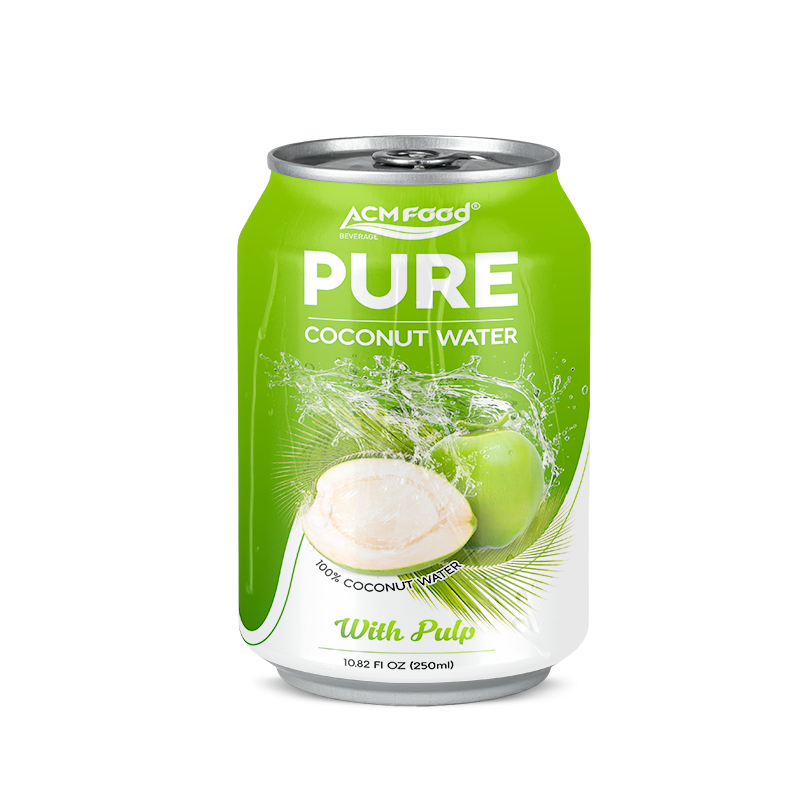
- Coconut water: white label for speed, private label or ODM for varietal notes or pulp, OEM for custom pack or flavor layers; see coconut water OEM, private label & wholesale.
- Flavored sparkling water: white label for core flavors; private label/ODM for unique flavor pairs; OEM for novel sweetener systems or premium aromas.
- RTD tea/coffee: private label for core SKUs; OEM for signature roast/tea sourcing or functional layers compatible with the process.
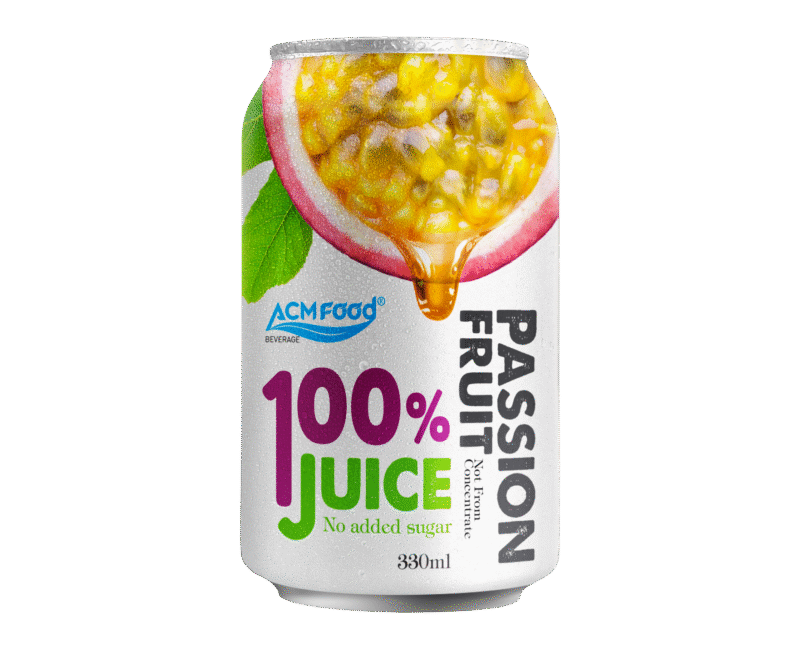
- Fruit-based functional drinks: ODM or OEM to align formula, processing and labeling; example paths include passion fruit juice OEM & white label solutions.
Common pitfalls and how to avoid them
Avoidable issues often stem from unclear specs, artwork mismatches or late changes. Lock decisions early, document them, and align your launch plan to realistic manufacturing calendars.
- Vague sensory targets: use reference products and specify sweetness/acidity direction, not just “refreshing.”
- Late pack changes: altering size or closure near line trials can reset timelines; confirm formats before artwork.
- Artwork vs spec drift: labeling language must match the final formula and serving size; route proofs through technical review.
- Over-customizing too early: pressure-test demand with white or private label before committing to OEM complexity.
- Underestimating shelf-life validation: ensure real-time or accelerated data align with distribution conditions.
FAQs
Is private label the same as white label?
No. White label rebrands a fixed product with minimal changes. Private label adapts a manufacturer’s base with targeted tweaks in flavor, sweetness, or pack options—more flexibility, slightly longer timelines.
Do I own the formula under private label?
Usually no. Private label relies on the producer’s base formulation. Ownership terms vary; OEM is more likely to reflect your owned or co-developed specification per the contract.
Can I switch co-packers later?
It depends on model and documentation. White/private label platforms may be tied to a specific facility. OEM is portable if you control the spec and ingredients, but requalification is often required.
What are typical MOQs?
Minimums vary widely by format, line efficiency, packaging source and ingredient procurement. Discuss realistic batch sizes and packaging procurement constraints with your partner early.
Which model is fastest to launch?
White label is typically fastest, followed by private label. ODM and OEM take longer due to development, trials and validation steps.
Where should U.S. brands start?
Start from the commercial brief and category goal. For a U.S.-focused overview, see private label beverages for U.S. brands and map your route based on speed, differentiation needs and regulatory readiness.
Conclusion and next steps
Comparing private label vs white label beverages with ODM and OEM helps you choose the right balance of speed, cost and differentiation. White label wins on simplicity; private label sharpens fit; ODM accelerates semi-custom development; OEM unlocks unique specs with added complexity. Build a precise brief, align artwork to the final spec, and choose a partner whose lines, QA and communication match your category. For U.S. market execution paths and timelines, review private label beverages for U.S. brands and refine your model choice accordingly.
Manufacturing for U.S. brands
If you are sourcing for the U.S. market, three pages cover what buyers ask first. OEM manufacturing in Vietnam sets out how projects are organised; certifications and food safety systems covers the documents customs and retailers will ask you to produce; export and logistics covers shipping terms and the document pack. To price a programme, request a quote.
Request a quoteWhere to go next
Sourcing for the U.S. market? The United States beverage market page covers the full OEM and private label programme for U.S. brands and importers: MOQ 500 cartons per SKU, 15-30 day production, HACCP / ISO 22000 / FSSC 22000, and shipping from Ho Chi Minh City. Request a quote and we reply within 24 hours.