


 Français
 Español
 العربية
 한국어
한국어A product page tells you what is in one can. This page is about the decision above that: which sparkling coconut water flavours belong in a range, how many to launch, and which ones travel to which market. If you already know the flavour you want, go to the product pages — this article is for the buyer still deciding what the lineup should look like.
For the difference between sparkling and the other coconut water product types, see canned coconut water compared. For how a formulation is actually developed, see custom coconut water development.
Why sparkling coconut water exists as a category
Plain coconut water is close to commoditised in mature markets, and a meaningful share of shoppers simply do not enjoy its flavour. Carbonation solves both problems at once: it makes the product harder to price-compare against a national brand, and it converts the taste objection into something more familiar — a soft drink texture with a cleaner ingredient list.
That is the commercial logic. It also explains who buys it: convenience and impulse shoppers, younger consumers trading down from soda, and food service looking for a non-alcoholic option with some occasion value.
Carbonation is a formulation decision, not a finishing step
This is the part most buyers underestimate. Carbon dioxide changes perceived acidity and sweetness, so a still formulation that is simply carbonated usually tastes thinner and sharper than intended. The formulation has to be adjusted for the carbonated version, and the carbonation level itself has to be specified and held — it interacts with fill temperature, headspace and can specification.
Two practical consequences for a range decision:
- Judge samples that have been through the real process. A bench blend that was never carbonated and heat treated cannot tell you how the product will taste on shelf.
- Cans are the sensible default. Most commercial sparkling coconut water is canned, because cans handle pressure well and are a complete light and oxygen barrier — which also hides the natural colour shift that some minimally processed coconut water shows over its life.
How the flavours differ commercially
Flavour choice is a distribution decision more than a taste decision. The pattern across export markets is reasonably consistent.
| Flavour | Reads as | Strongest fit |
|---|---|---|
| Original (unflavoured) | The reference SKU — defines your price point | Everywhere; the volume driver |
| Pineapple | Familiar tropical, low risk | Broad; strong in Middle East and North Africa |
| Orange / citrus | Closest to a conventional soft drink | European convenience, trading down from soda |
| Lychee | Distinctly Asian, premium signal | Asia-Pacific, Asian grocery, food service |
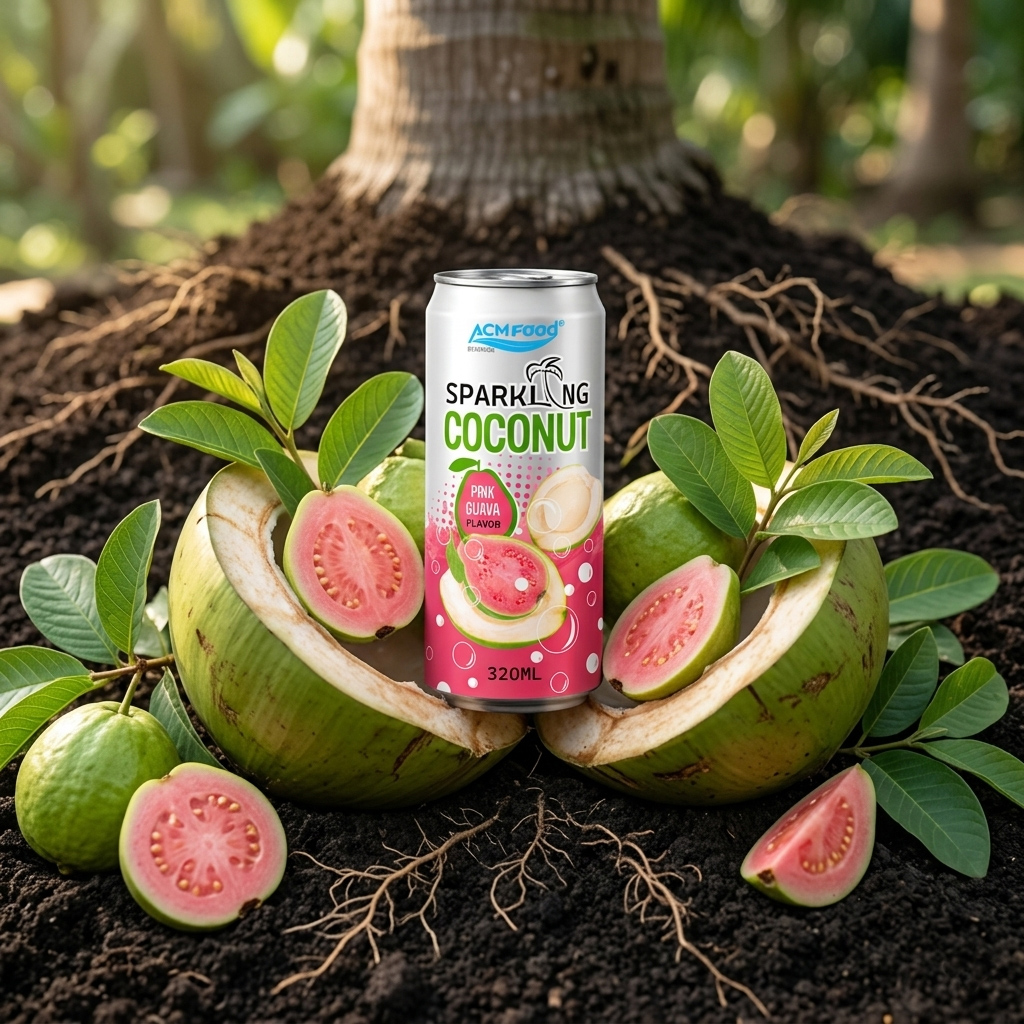
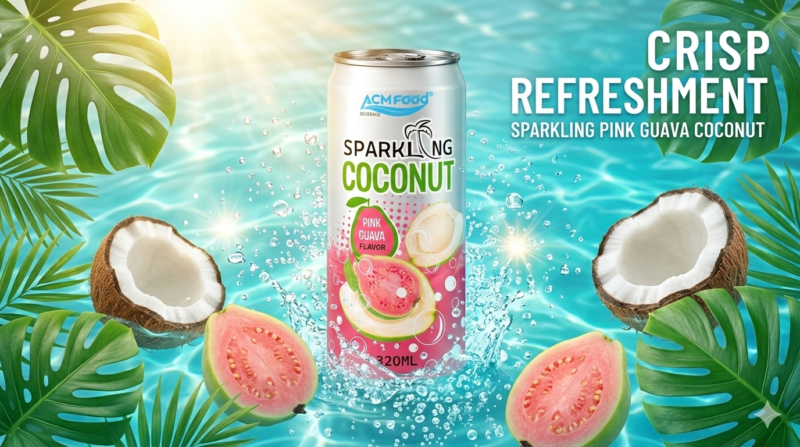
| Guava | Tropical but less common than pineapple | Differentiation where pineapple is crowded |
| Berry and stone fruit | Least “coconut” — recruits non-category buyers | Younger convenience shoppers |
How many flavours to launch
The instinct is to launch the full flavour wall. The economics say otherwise, and the shelf agrees.
Minimum order quantity is set per SKU. Each flavour needs its own production run and its own printed packaging. Freight and documentation, however, are shared across the container. So adding a second and third flavour to an existing order costs far less per unit than launching any of them alone — but each one still commits you to its own minimum, which you then have to sell through.
A workable structure for a first range:
- Original — the reference SKU and the volume driver.
- One safe tropical — pineapple or orange, whichever suits the market.
- One differentiator — lychee or guava, sized deliberately smaller and treated as a learning SKU.
Three flavours give a shelf block that reads as a range rather than a trial, without committing volume to flavours you have no rate-of-sale data for. Expand from what actually sells, not from what tasted best in the meeting.
What to fix before you order
- Ingredient declaration per flavour. Whether a flavour is added, whether fruit juice is present and at what level, and whether sugar is added — each changes the price tier the product legitimately belongs to, and the label wording.
- Sugar per 100 ml across the range. Shoppers compare within your own lineup. A large gap between flavours undermines the positioning.
- One visual system, clear flavour cues. The range has to read as a family on shelf while each flavour stays findable at arm’s length.
- Carbonation level in the specification, with a tolerance — not left to the line.
- Case configuration per SKU, confirmed in writing. Mixed-flavour cases are worth asking about for a first order.
Sourcing the range
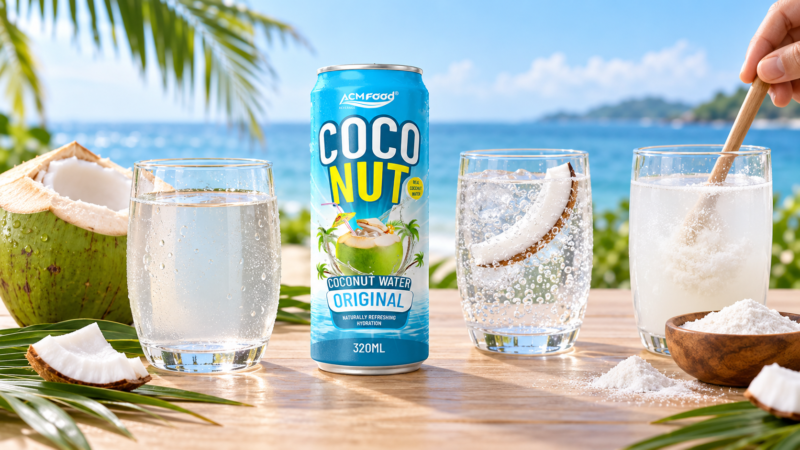
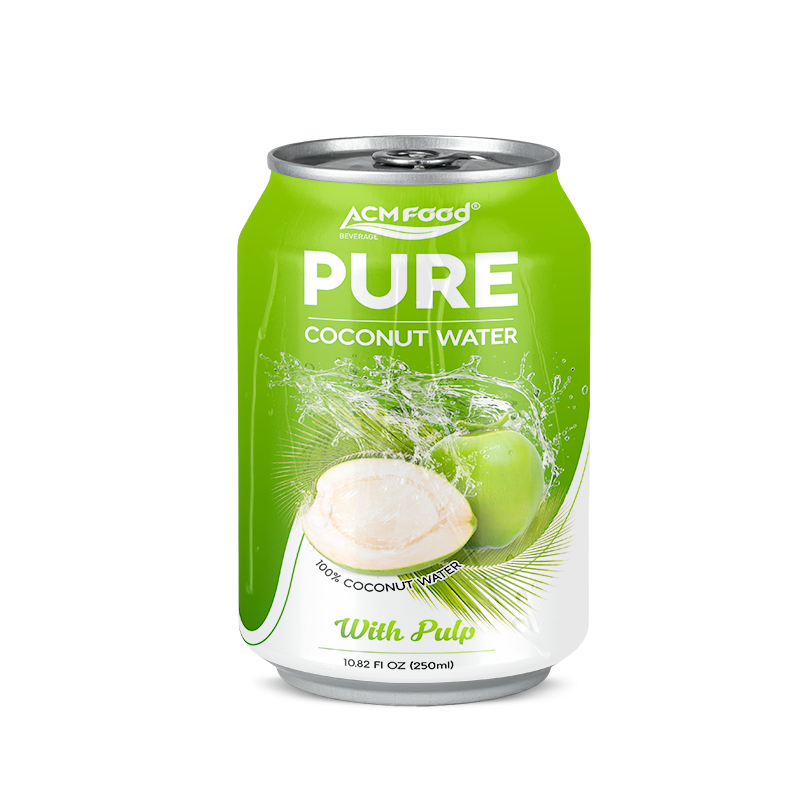
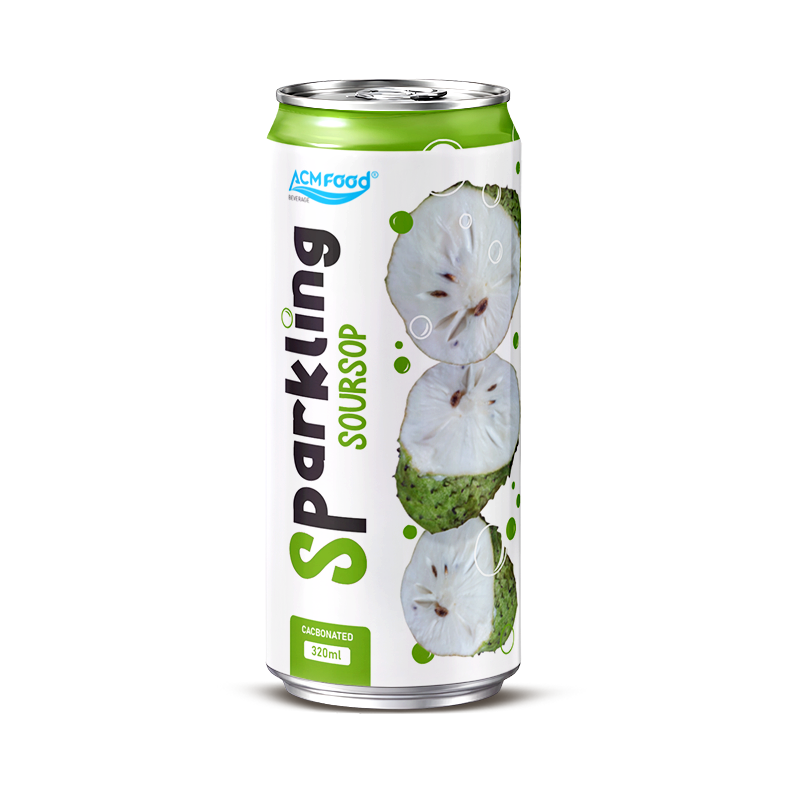
ACMFOOD produces sparkling coconut water in 320ml sleek cans across an original and a fruit-blended lineup, on stock, adapted and full private label bases. Because minimums apply per SKU while freight and documentation are shared, a three-flavour range is usually more economical to launch together than one flavour at a time.
Browse the individual products for specifications and pack details, or see the coconut water supply programme for MOQs, lead times and terms. To evaluate flavours properly, ask for samples of the shortlist together and taste them side by side against whatever already sits on your target shelf.
Related capability pages
Sparkling is one part of the range. For every format, ingredient and pack we produce, see our beverage product capabilities; for can sizes and pack decisions, see packaging options. To price a flavour range, request a quote.
Request a quote