


 Français
 Español
 العربية
 한국어
한국어Lemon appears in more beverage formulas than almost any other fruit, and usually not as the flavour on the label. It is there because it does three jobs at once: it lowers pH, it lifts aroma, and it balances sweetness. Understanding those three roles explains why a fruit that few people drink neat is present in so much of what they do drink.
This guide covers what lemon contributes to a beverage, the forms it arrives in at a factory, and what a brand should decide when lemon is either the headline flavour or a functional ingredient behind it.

What does lemon actually do in a drink?
Lemon juice is strongly acidic, dominated by citric acid, with a small amount of sugar and a distinctive aroma carried mostly in the peel rather than the juice. In a formulation, that combination gives it several separate functions:
- Acidity — lemon lowers the pH of a blend, which affects both taste and how the product has to be processed.
- Flavour balance — acidity makes a given sugar level taste less cloying, which is why sweet tropical blends so often carry a lemon component.
- Aroma — the bright top note associated with lemon comes largely from oil in the peel, not from the juice.
- Colour protection — acidification helps some pigments hold their colour better than they would in a neutral base.
A formulator will often add lemon for the second and third reasons while the label leads with a completely different fruit.
Why does acidity change how a beverage is made?
Because the pH 4.6 line divides acid foods from low-acid foods in most regulatory frameworks, and the two are processed differently. A product comfortably below that line can generally use a simpler thermal route; one above it needs a more demanding process.
Lemon is one of the most efficient ways to move a formulation down across that line, which is why it turns up in blends built around low-acid fruits. It is doing safety and process work as much as flavour work. See how filling technology is chosen by beverage pH for how that decision is normally made.
The forms lemon arrives in
| Form | What it delivers | Typical use |
|---|---|---|
| Single-strength juice | Acidity and some juice character | Lemonade and juice blends where juice content is declared |
| Juice concentrate | Acidity in a fraction of the volume | The most common commercial form; cheaper to ship and store |
| Cold-pressed peel oil | Aroma, almost no acidity | Restoring the top note lost during processing |
| Aqueous essence | Water-soluble aroma fraction | Aroma recovery in concentrate-based products |
| Citric acid | Acidity only, no lemon character | pH adjustment where lemon flavour is not wanted |
The last row matters commercially. If a formulation needs acidity but not lemon taste, an acidulant does the job more cheaply and more consistently. Lemon juice is specified when the label benefits from it, or when the flavour is genuinely part of the product.
Cloudy or clear: what the appearance signals
Lemon juice can be supplied cloudy or clarified, and the two read very differently on shelf. A cloudy juice suggests a less processed product and carries more of the fruit’s natural character; a clear one gives a cleaner appearance and stays visually stable for longer without sediment forming.
Neither is inherently better. What matters is that the choice is deliberate, because a cloudy product that develops an uneven sediment layer over shelf life looks like a fault, while the same sediment in a product positioned as naturally cloudy reads as authenticity. Say which one you want at the brief stage.
Where lemon leads the label
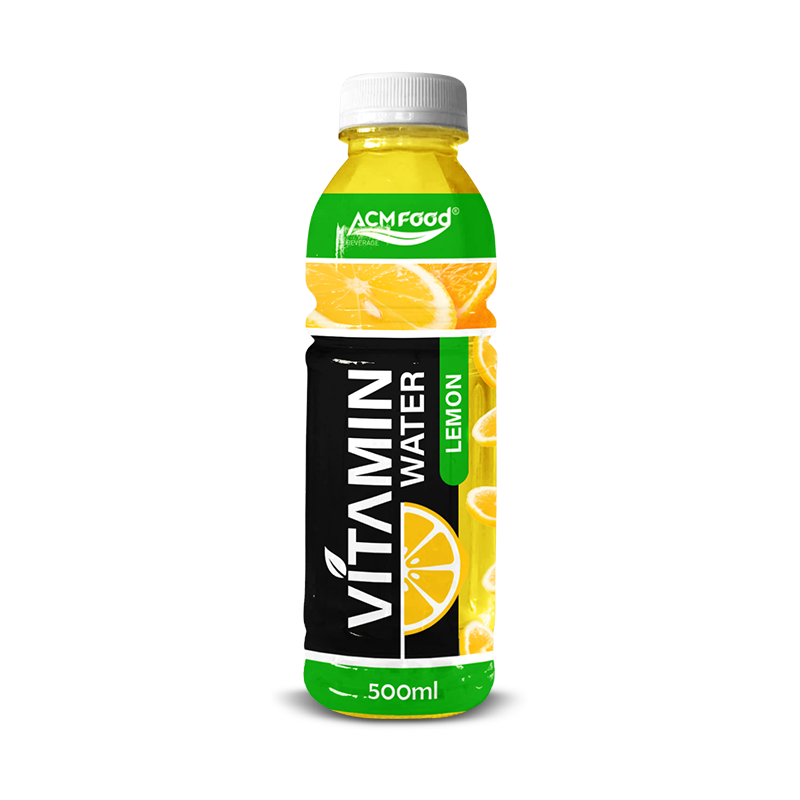
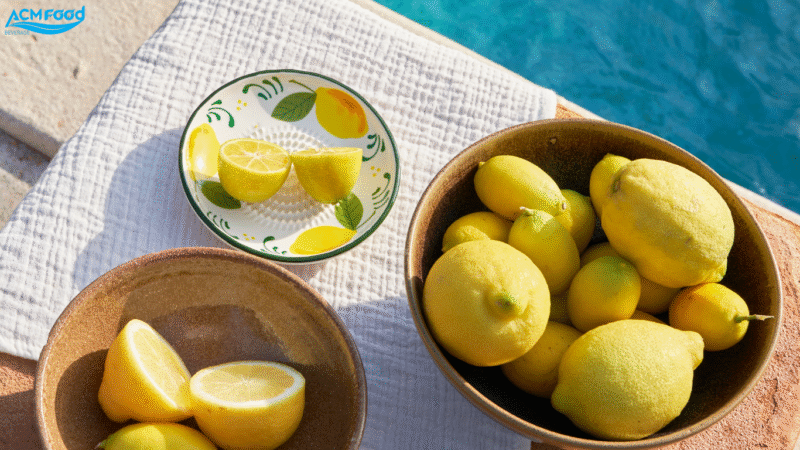
When lemon is the headline flavour rather than a background ingredient, the main formats are lemonade and lemon-flavoured iced tea, followed by sparkling lemon drinks and lemon-based blends with ginger, mint or honey. Each carries a different sugar and acidity balance, and a different expectation of how sharp the finished drink should taste.
Why does packaged lemon drink taste different from fresh?
Mostly because of aroma. The bright note that defines fresh lemon sits in volatile compounds from the peel oil, and those are the first thing lost to heat during pasteurisation and the first thing to fade during storage. The acidity survives intact; the aroma does not.
Producers compensate by adding recovered aroma or peel oil after the thermal step rather than before it, so the top note is present in the finished pack rather than driven off in the process. How much can be restored depends on the format and the process.
Lemon oil, light and shelf life
Citrus oils are sensitive to light and oxygen, and a lemon product held under bright retail lighting can develop a flat or slightly stale note well before the printed date. This is one reason lemon drinks are commonly packed in cans or coloured bottles rather than clear glass, and why headspace oxygen control at filling matters more here than for a juice with no volatile top note to lose. See the packaging options overview for how format choice affects light exposure and cost.
What to settle in a lemon product brief
- Whether lemon is the declared flavour or a functional acidulant behind another fruit.
- Target juice content, if any, and how it will be declared on the label.
- Cloudy or clear appearance, and the acceptable sediment level at end of shelf life.
- Sugar and acidity balance, tuned together rather than one at a time.
- Pack format and its light barrier, given the sensitivity of the aroma.
Frequently asked questions about lemon in beverages
Is lemon juice the same as citric acid on a label?
No. Citric acid is a single acidulant that provides acidity with no lemon character; lemon juice or concentrate brings acidity along with flavour, aroma and a juice content that can be declared. They are used for different reasons and are not interchangeable on a label.
Why do tropical fruit drinks so often contain lemon?
Because many tropical fruits are sweet and low in acid. A lemon component lowers the pH toward a more manageable processing range and stops the finished drink tasting flat, without dominating the headline flavour.
Does lemon juice preserve a beverage on its own?
It contributes by lowering pH, which makes conditions less favourable for microbial growth, but it does not replace a proper thermal process or preservation system. It is one part of the preservation strategy, not the whole of it.
Can a lemon drink be made without added sugar?
Yes, though lemon is sharp enough that an unsweetened version tastes very different from what most consumers expect. Reduced-sugar versions typically use a permitted sweetener system, and which sweeteners are allowed varies by destination market.
Information for beverage brands
If lemon is central to your product, the aroma question deserves as much attention as the recipe, because it is what will change most between the bench sample and the finished pack. If lemon is a background ingredient, decide early whether you want the label to say lemon juice or an acidulant, since that choice affects both cost and declaration. ACMFOOD produces lemon drinks, lemon teas and citrus blends in can, PET and glass formats under OEM and private label programmes, with a minimum of 500 cartons per SKU.
Conclusion
Lemon earns its place in beverage formulation by doing several jobs at once: setting acidity, balancing sweetness, and supplying a top note that no acidulant can imitate. Decide which of those jobs you are buying it for, protect the aroma through processing and packaging, and the rest of the formulation work follows easily.