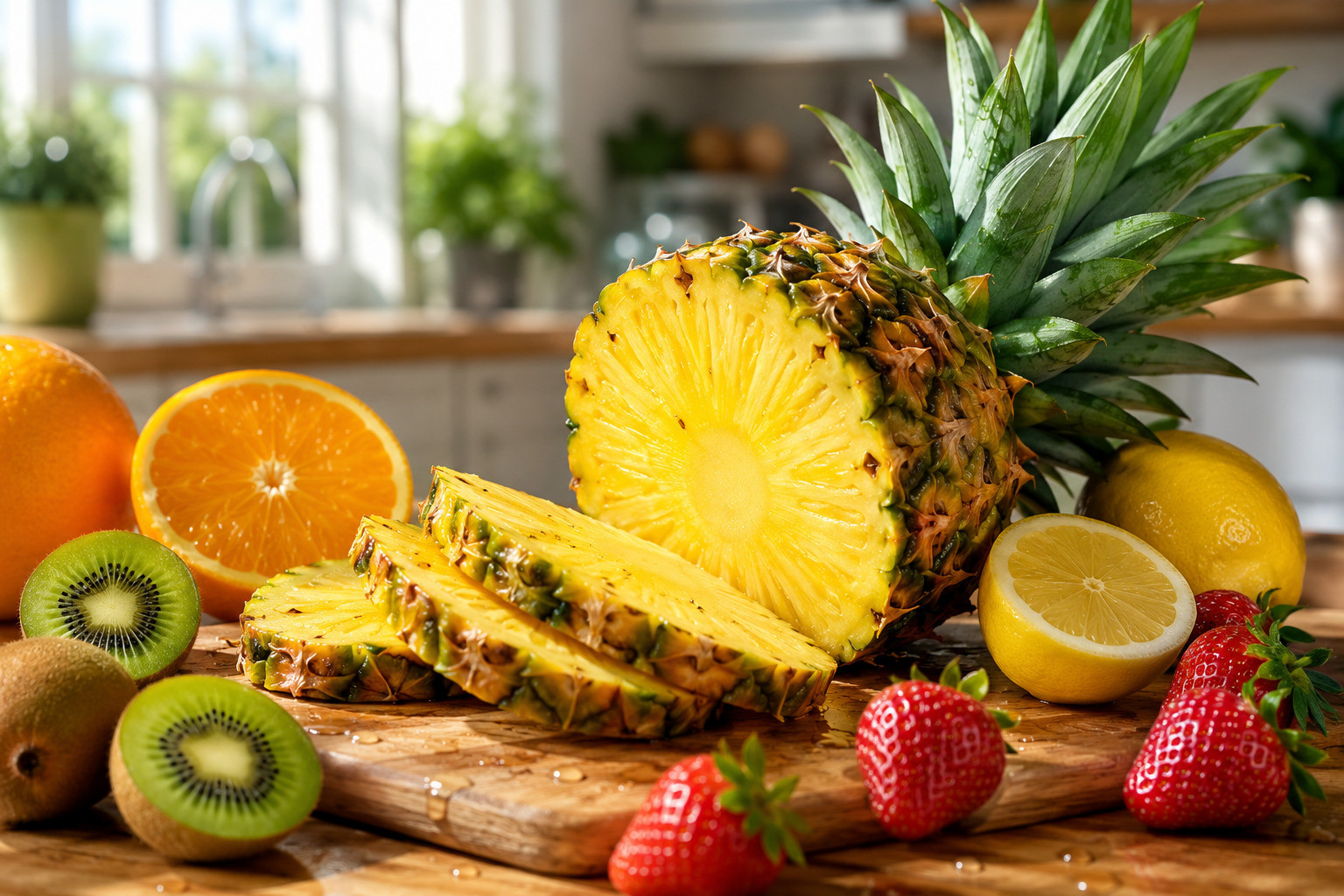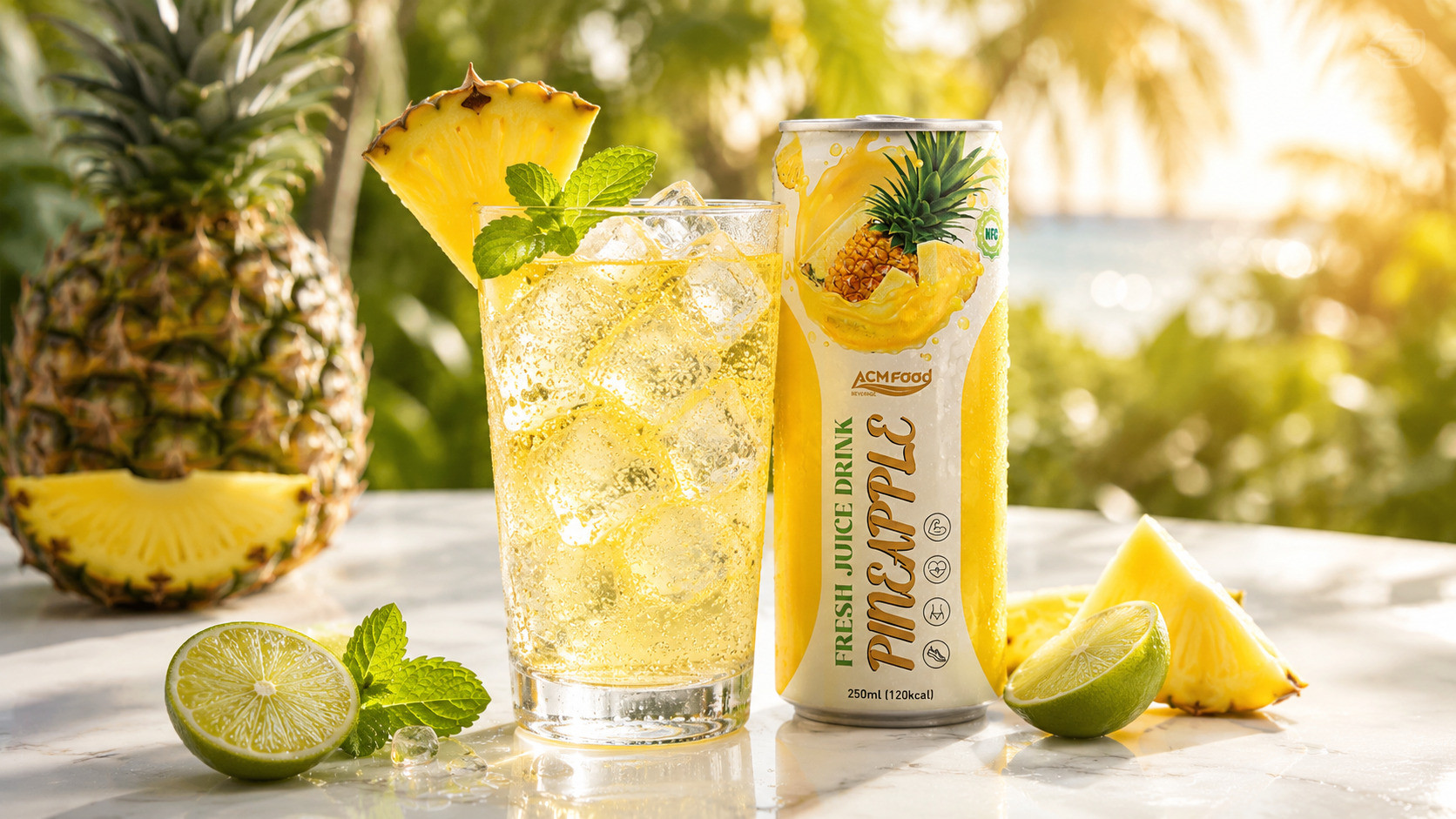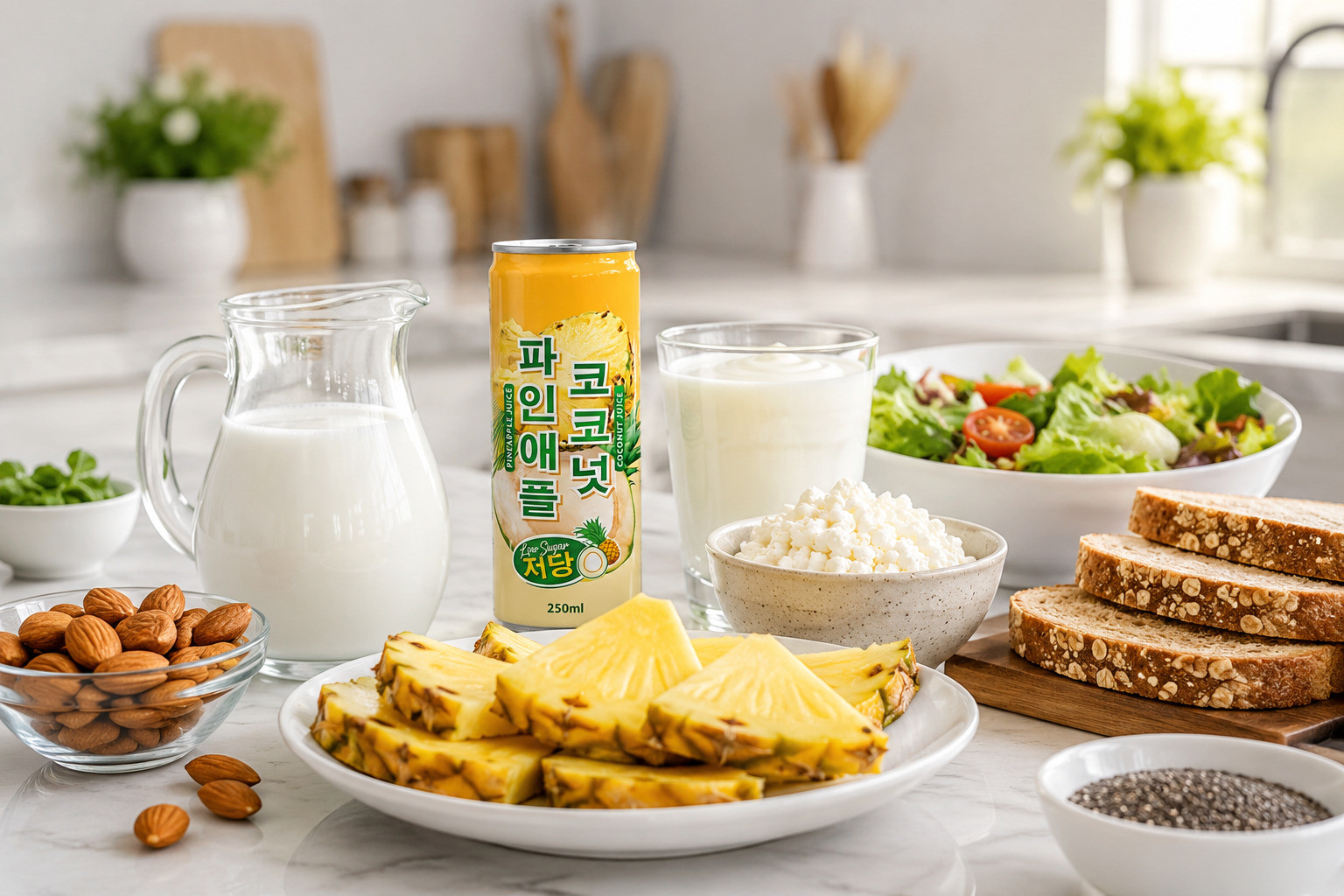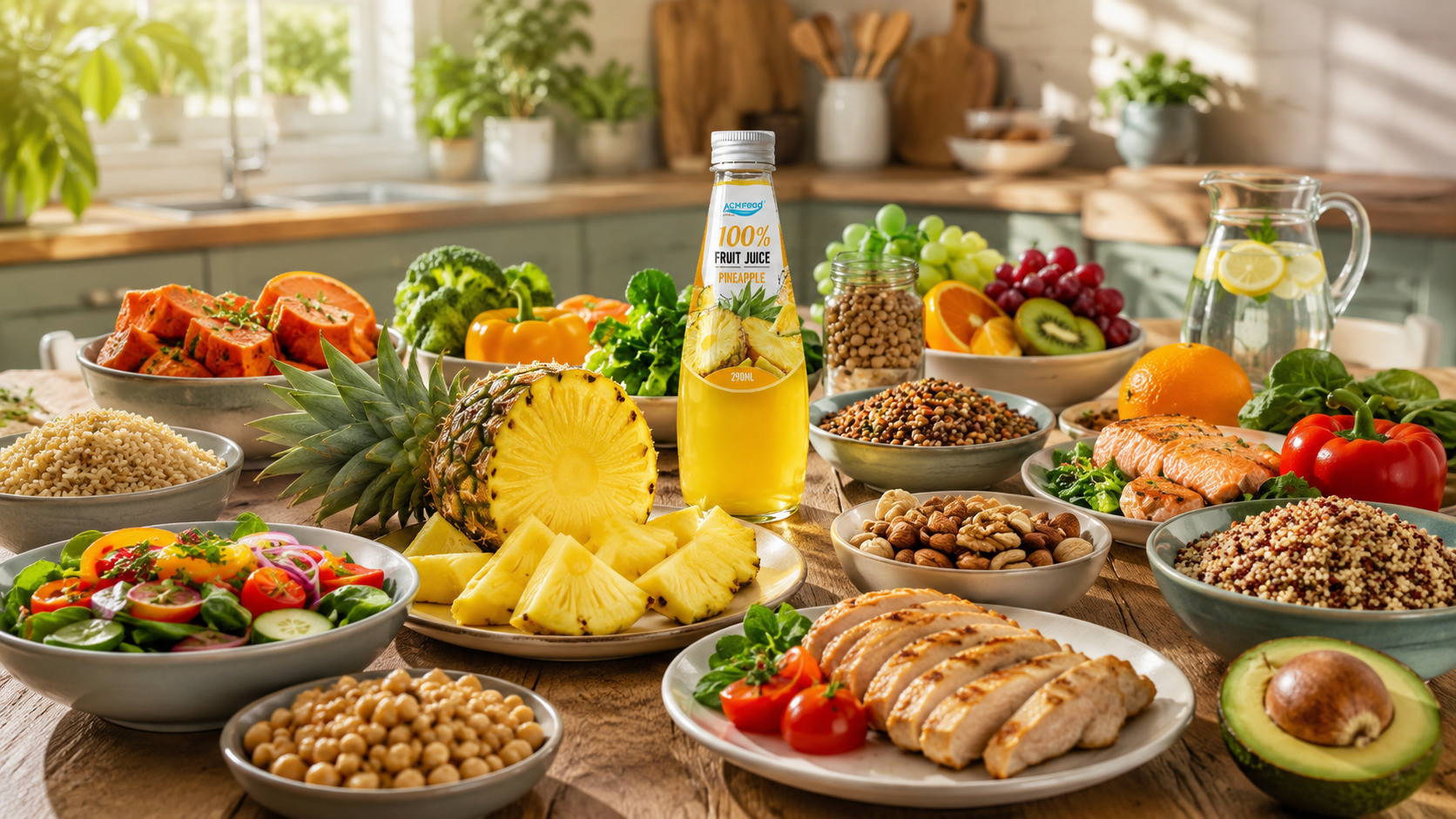


Pineapple is more than a delicious tropical fruit. It is packed with vitamins, minerals, antioxidants, and natural enzymes that may support many aspects of women’s health. From skin appearance and immune function to digestion and overall wellness, pineapple can be a nutritious addition to a balanced diet. Understanding the benefits of pineapple allows women to make informed dietary choices while enjoying a naturally refreshing fruit.
In recent years, growing consumer interest in functional foods and natural nutrition has increased the popularity of pineapple-based products, including fresh fruit, juice, smoothies, dried pineapple, sparkling beverages, and wellness drinks. Health-conscious consumers are seeking ingredients that provide nutritional value without sacrificing taste, making pineapple one of the most recognized tropical fruits worldwide.
This guide explores the science-backed benefits of pineapple for women, explains its nutritional profile, answers common questions, and highlights why pineapple continues to gain attention among nutrition experts, food manufacturers, and health-conscious consumers.
Quick summary
The benefits of pineapple for women include supporting immune health, providing vitamin C for collagen production, aiding normal digestion through dietary fiber and bromelain, supplying antioxidants that help protect cells, and contributing to hydration with its naturally high water content. While pineapple is not a miracle food, it can be part of a healthy, balanced diet that supports overall wellness when consumed in appropriate portions.
- Excellent source of vitamin C.
- Contains bromelain, a natural enzyme unique to pineapple.
- Provides antioxidants that help reduce oxidative stress.
- Supports healthy digestion alongside a balanced diet.
- Naturally low in fat and cholesterol-free.
- Contains manganese, which contributes to normal bone health.
- Can be enjoyed fresh, frozen, dried, or as 100% pineapple juice.
Key facts
| Category | Details |
|---|---|
| Main ingredient | Fresh pineapple (Ananas comosus) |
| Key nutrients | Vitamin C, manganese, dietary fiber, vitamin B6, copper, potassium |
| Unique natural compound | Bromelain enzyme complex |
| Common product forms | Fresh fruit, frozen pineapple, canned pineapple, dried pineapple, pineapple juice, sparkling beverages, smoothies |
| Suitable consumers | Adults seeking nutritious fruit options, active lifestyles, wellness-focused consumers, families |
| Popular beverage applications | 100% juice, NFC juice, fruit blends, functional beverages, low-sugar drinks |
| Growing markets | North America, Europe, Asia-Pacific, Middle East |
| Recommended consumption | As part of a balanced diet alongside a variety of fruits and vegetables |
What are the benefits of pineapple for women?
The benefits of pineapple for women come primarily from its rich nutritional profile rather than from any single “superfood” effect. Pineapple provides vitamins, minerals, antioxidants, dietary fiber, and bromelain, all of which contribute to overall health when included as part of a balanced eating pattern.
Many women choose pineapple because it is naturally sweet, refreshing, and relatively low in calories compared with many processed snacks. Its high water content also makes it a satisfying fruit that supports daily hydration.
Nutrition experts generally recommend consuming a variety of colorful fruits because each offers different phytonutrients. Pineapple complements berries, citrus fruits, apples, kiwis, and leafy vegetables by contributing unique nutrients and naturally occurring plant compounds.
1. Rich source of vitamin C

Vitamin C is one of pineapple’s most valuable nutrients. It contributes to the normal function of the immune system while supporting collagen formation, which is essential for healthy skin, blood vessels, cartilage, and bones.
For women interested in maintaining healthy-looking skin, vitamin C also plays a role in protecting cells from oxidative stress. Although no single food can prevent aging, consuming vitamin C-rich fruits regularly supports normal collagen production.
2. Supports healthy skin appearance
Healthy skin depends on multiple lifestyle factors, including nutrition, hydration, sleep, and sun protection. Pineapple contributes nutrients that support skin health as part of a balanced diet.
Its vitamin C content helps the body produce collagen naturally, while antioxidants help neutralize free radicals generated through normal metabolism and environmental exposure.
3. May aid normal digestion

Pineapple contains dietary fiber together with bromelain, a naturally occurring enzyme complex found primarily in the fruit and stem. Fiber supports digestive health by promoting regular bowel movements.
Bromelain has long been studied for its protein-digesting properties. While research continues regarding its broader health effects, enjoying pineapple alongside meals may contribute to overall digestive comfort for many people.
4. Provides natural antioxidants

Antioxidants help protect cells from oxidative stress caused by unstable molecules known as free radicals. Pineapple contains vitamin C along with various plant compounds that contribute to its antioxidant capacity.
Regular consumption of antioxidant-rich fruits is associated with healthy dietary patterns recommended by nutrition professionals worldwide.
5. Contributes to immune health

A well-functioning immune system depends on adequate intake of many nutrients rather than one specific food. Pineapple contributes vitamin C, which supports normal immune function.
Combined with sufficient sleep, regular exercise, hydration, and a balanced diet, nutrient-rich fruits like pineapple can play an important role in everyday wellness.
6. Supports hydration

Pineapple contains a high percentage of water, making it a refreshing fruit during warm weather or after physical activity. Staying hydrated supports normal body functions, including temperature regulation and nutrient transport.
Fresh pineapple can also be combined with yogurt, smoothies, or sparkling water for flavorful, naturally hydrating snacks and beverages.
7. Contains manganese for bone health

Manganese is an essential trace mineral involved in normal bone formation and connective tissue production. Pineapple is recognized as one of the richer fruit sources of this important nutrient.
Bone health is influenced by calcium, vitamin D, physical activity, protein intake, and many other nutritional factors. Pineapple contributes one piece of this broader nutritional picture.
8. Naturally supports a healthy eating pattern

Replacing highly processed desserts with naturally sweet fruits can help many people increase their intake of vitamins and dietary fiber while reducing added sugars.
Pineapple offers satisfying sweetness together with valuable nutrients, making it a practical choice for women seeking healthier snack options.
9. Fits active lifestyles
Women with active lifestyles often look for foods that provide carbohydrates for energy together with vitamins and hydration. Pineapple supplies naturally occurring carbohydrates without added fats.
It pairs well with protein-rich foods such as Greek yogurt, cottage cheese, nuts, or smoothies prepared after exercise.
10. Easy to include in everyday meals
One reason pineapple remains popular is its versatility. It can be enjoyed at breakfast, as a snack, in salads, grilled dishes, smoothies, fruit bowls, desserts, or beverages.
This flexibility helps increase fruit intake without requiring significant changes to existing eating habits.
11. Popular ingredient in functional beverages
Pineapple has become an important ingredient in the functional beverage industry because of its refreshing taste and strong consumer recognition. Manufacturers frequently combine pineapple with coconut water, ginger, turmeric, aloe vera, green tea, probiotics, or tropical fruit blends.
Its balanced sweetness allows beverage developers to reduce added sugars while maintaining appealing flavor profiles.
12. Supports long-term healthy dietary habits

Perhaps the greatest benefit of pineapple is that it encourages regular fruit consumption. Long-term healthy eating patterns have consistently been associated with better overall health than relying on individual foods or supplements.
Choosing pineapple regularly alongside vegetables, whole grains, lean proteins, healthy fats, and adequate hydration creates a sustainable approach to nutrition rather than focusing on quick fixes.
How does pineapple support women’s health?

Pineapple supports women’s health by providing essential nutrients that contribute to normal body functions, including immune support, collagen production, antioxidant protection, hydration, digestion, and bone health. Its nutritional value comes from the combined effects of vitamins, minerals, fiber, and naturally occurring plant compounds.
Unlike highly processed snacks, fresh pineapple delivers natural sweetness together with beneficial nutrients. This combination makes it easier for many women to satisfy sweet cravings while improving overall diet quality.
Women during different life stages—including young adulthood, pregnancy planning, active careers, and healthy aging—can all include pineapple as part of a varied diet, provided they follow individual dietary advice from healthcare professionals when necessary.
Although pineapple contains bromelain, vitamin C, and antioxidants that have been widely researched, it should not be viewed as a treatment or cure for any medical condition. Instead, it works best as one nutritious component within a balanced lifestyle that includes regular physical activity, sufficient sleep, and diverse whole foods.
Why is demand growing in 2026?
The growing interest in pineapple products during 2026 is driven by consumer demand for natural ingredients, clean-label beverages, functional nutrition, and tropical fruit flavors. Health-conscious shoppers increasingly prefer foods that combine nutritional value with enjoyable taste.
The beverage industry has responded by introducing more pineapple-based juices, sparkling drinks, smoothie blends, wellness beverages, and reduced-sugar fruit drinks. Pineapple’s naturally vibrant flavor pairs well with ingredients such as coconut water, passion fruit, mango, ginger, turmeric, lemon, and aloe vera.
Another important factor is the continued expansion of private label and OEM beverage manufacturing. Brands can develop customized pineapple beverages in various packaging formats, allowing retailers and distributors to meet evolving consumer preferences across domestic and international markets.
As consumers continue seeking products made with recognizable ingredients and minimal artificial additives, pineapple is expected to remain one of the most popular tropical fruits used in innovative food and beverage applications.
Global market trends
Global demand for pineapple-based products continues to grow because consumers are looking for healthier beverages, recognizable ingredients, and naturally refreshing flavors. Pineapple has become one of the most widely used tropical fruits in both retail and foodservice, thanks to its versatility and strong consumer awareness.
Modern consumers increasingly read ingredient labels before making purchasing decisions. They often prefer products made with real fruit juice, fewer artificial ingredients, and transparent nutritional information. As a result, pineapple has become a popular ingredient in premium juices, sparkling beverages, smoothies, wellness drinks, and functional beverage formulations.
The rise of e-commerce and cross-border trade has also made tropical fruit products more accessible. Beverage brands can now introduce pineapple-based products to international markets more efficiently through OEM and private label manufacturing partnerships.
Another notable trend is the demand for sustainable sourcing and environmentally responsible packaging. Many buyers now evaluate not only product quality but also manufacturing standards, traceability, recyclable packaging, and responsible supply chain practices.
Emerging consumer preferences
- 100% fruit juice with no added sugar.
- Not-from-concentrate (NFC) juice.
- Functional beverages with natural ingredients.
- Reduced-sugar sparkling fruit drinks.
- Clean-label products with short ingredient lists.
- Convenient ready-to-drink packaging.
- Premium tropical fruit flavors.
- Sustainably produced beverages.
Business opportunities
Pineapple creates business opportunities across multiple beverage categories because it appeals to a broad range of consumers and blends well with many complementary ingredients. Whether targeting supermarkets, cafés, convenience stores, or online retailers, pineapple beverages offer flexibility for different market segments.
Entrepreneurs entering the beverage industry often choose pineapple because it is already familiar to consumers, reducing the challenge of introducing an entirely new flavor. Established brands also use pineapple to expand existing product portfolios with seasonal or functional beverage lines.
OEM manufacturing allows businesses to launch pineapple beverages without investing in expensive production facilities. Instead, companies can focus on branding, marketing, sales, and distribution while experienced manufacturers manage formulation, production, quality assurance, and packaging.
Popular business models
| Business model | Description | Typical customers |
|---|---|---|
| Private label | Ready-made formulations sold under the buyer’s brand. | Retail chains, supermarkets, distributors |
| OEM manufacturing | Production based on the customer’s specifications. | Food and beverage brands |
| ODM manufacturing | Manufacturer develops recipes and packaging solutions. | Startups and emerging brands |
| Contract manufacturing | Large-scale production for existing beverage companies. | International beverage companies |
As consumer demand becomes increasingly diversified, manufacturers are also developing beverages tailored to regional preferences, allowing brands to create localized product lines without building new production infrastructure.
Product variations
Pineapple is one of the most versatile tropical fruits used in beverage manufacturing. Its naturally balanced sweetness and acidity make it suitable for numerous product categories, from traditional juices to innovative wellness beverages.
Manufacturers can develop formulations that target different consumer groups, including families, athletes, wellness-focused consumers, and premium retail markets.
Common pineapple beverage options
| Product type | Main characteristics | Target market |
|---|---|---|
| 100% Pineapple juice | Pure fruit juice with no added sugar | Health-conscious consumers |
| NFC pineapple juice | Not-from-concentrate premium juice | Premium retail |
| Pineapple nectar | Smoother texture with balanced sweetness | General consumers |
| Sparkling pineapple drink | Carbonated fruit beverage | Younger consumers |
| Pineapple coconut water | Tropical hydration beverage | Sports and wellness markets |
| Pineapple aloe vera drink | Fruit beverage with aloe vera pieces | Asian and international markets |
| Pineapple mixed fruit juice | Blended with mango, orange, passion fruit or guava | Mainstream retail |
| Functional pineapple beverage | Combined with vitamins or botanical ingredients | Health-focused consumers |
Flavor innovation remains one of the strongest competitive advantages in today’s beverage market. Pineapple blends naturally with citrus fruits, berries, tropical fruits, herbs, and spices, allowing manufacturers to develop unique products while maintaining broad consumer appeal.
Packaging options
The right packaging protects product quality, supports transportation, and strengthens brand positioning. Packaging should be selected according to the target market, distribution channel, shelf-life requirements, and consumer preferences.
Modern beverage manufacturers typically offer multiple packaging formats to accommodate both domestic retail and export markets. Brands can customize bottle shapes, closures, labels, shrink sleeves, cartons, and secondary packaging.
| Packaging format | Advantages | Typical applications |
|---|---|---|
| Aluminum can | Lightweight, recyclable, excellent protection from light | Juices, sparkling drinks, energy beverages |
| PET bottle | Cost-effective and durable | Retail beverages |
| Glass bottle | Premium appearance | High-end juice products |
| Tetra Pak carton | Long shelf life and efficient storage | Family-size juice products |
| Stand-up pouch | Portable and lightweight | On-the-go consumers |
Customization extends beyond packaging materials. Beverage brands can also choose different fill volumes, cap styles, multilingual labels, nutritional information layouts, and retail-ready carton configurations to meet the requirements of different export destinations.
Quality control
Quality control is essential to producing safe, consistent, and high-quality pineapple beverages. Reliable manufacturers implement quality management systems throughout the production process, from raw material sourcing to finished product inspection.
The process begins with selecting ripe pineapples that meet predefined quality standards. Incoming fruit is inspected for freshness, appearance, maturity, and food safety requirements before entering production.
After washing and preparation, production follows standardized operating procedures designed to maintain consistent flavor, color, texture, and nutritional quality. Processing parameters are carefully monitored to ensure product stability while preserving desirable fruit characteristics.
Typical quality control process
- Raw material inspection.
- Cleaning and sorting.
- Preparation and processing.
- Recipe verification.
- In-process quality monitoring.
- Microbiological testing.
- Packaging integrity inspection.
- Finished product evaluation.
- Storage under controlled conditions.
- Pre-shipment quality verification.
Traceability is another important component of modern food manufacturing. Documentation throughout production enables manufacturers to identify raw material batches, production dates, and distribution records if additional verification is ever required.
For international markets, manufacturers commonly operate under recognized food safety management systems and comply with applicable import regulations. Buyers should always verify certifications and regulatory compliance based on the requirements of their intended export destinations rather than assuming all certifications apply universally.
How to choose an OEM manufacturer?
Selecting the right OEM manufacturer is one of the most important decisions when launching a pineapple beverage brand. A reliable manufacturing partner should consistently deliver safe, high-quality products while offering flexibility in formulation, packaging, regulatory compliance, and production capacity.
Rather than comparing suppliers based solely on price, businesses should evaluate technical expertise, quality management systems, communication, export experience, and long-term production capabilities. An experienced OEM partner can reduce operational risks and accelerate product development.
It is also beneficial to request product samples, review production processes, and understand how the manufacturer manages quality control, ingredient sourcing, and documentation before placing commercial orders.
| Evaluation criteria | What to look for | Why it matters |
|---|---|---|
| Food safety system | Recognized food safety certifications and documented procedures | Helps ensure consistent product quality and compliance |
| Manufacturing experience | Experience producing fruit juices and functional beverages | Reduces formulation and production risks |
| Research and development | Ability to customize recipes and develop new products | Supports product differentiation |
| Packaging capabilities | Multiple packaging formats and filling options | Provides flexibility for different markets |
| Export experience | Knowledge of international documentation and labeling requirements | Facilitates global distribution |
| Production capacity | Scalable manufacturing volumes | Supports future business growth |
| Quality assurance | Routine laboratory testing and traceability | Improves product consistency |
| Communication | Responsive project management and technical support | Ensures smoother cooperation |
Questions to ask before selecting an OEM partner
- Can the recipe be customized to match my target market?
- What packaging formats and filling sizes are available?
- What is the estimated production lead time?
- What documentation is provided for export?
- How are raw materials sourced and inspected?
- How is product consistency maintained between production batches?
- Can product samples be developed before commercial production?
- What quality testing is performed before shipment?
OEM vs building your own factory
For most startups and growing beverage brands, OEM manufacturing offers a faster and more cost-effective route to market than building a dedicated production facility. Establishing a factory requires significant investment in equipment, infrastructure, staffing, regulatory approvals, and ongoing maintenance.
OEM manufacturing allows businesses to focus on product positioning, branding, marketing, and customer acquisition while leveraging an experienced manufacturer’s technical capabilities and production infrastructure.
| Factor | OEM manufacturing | Own factory |
|---|---|---|
| Initial investment | Low | Very high |
| Time to market | Fast | Long |
| Production expertise | Provided by manufacturer | Must be developed internally |
| Equipment purchase | Not required | Required |
| Operational management | Simplified | Fully managed by brand owner |
| Product customization | Available through OEM partner | Complete internal control |
| Production scalability | Flexible | Limited by factory capacity |
| Financial risk | Lower | Higher |
As sales volumes increase, some companies continue working with OEM manufacturers for years because outsourcing production allows them to remain agile while investing resources in brand development and market expansion instead of manufacturing operations.
Export opportunities
Pineapple beverages continue to present attractive export opportunities due to strong global demand for tropical fruit products and ready-to-drink beverages. Many consumers associate pineapple with freshness, natural sweetness, and tropical flavors, making it a recognizable product across multiple international markets.
Export success depends on more than product quality. Businesses should also consider local food regulations, nutritional labeling requirements, packaging preferences, language localization, and logistics planning before entering a new market.
Retail channels vary by country. Some markets prioritize supermarkets and hypermarkets, while others rely heavily on convenience stores, specialty food retailers, wholesalers, foodservice distributors, or online commerce platforms.
Promising export markets
- North America
- European Union
- United Kingdom
- Australia and New Zealand
- Japan
- South Korea
- Singapore
- Middle East
- Southeast Asia
Consumer preferences may differ between regions. For example, some markets favor 100% fruit juice with no added sugar, while others show stronger demand for sparkling fruit beverages, tropical juice blends, or functional drinks containing vitamins and botanical ingredients.
Future outlook
The outlook for pineapple products remains positive as consumers continue seeking healthier beverage options, clean-label ingredients, and convenient ready-to-drink products. Innovation is expected to focus on nutrition, sustainability, premium positioning, and personalized consumer experiences.
Manufacturers are investing in improved processing technologies that help preserve fruit quality while supporting efficient production. At the same time, brands are expanding their portfolios with lower-sugar beverages, functional ingredients, and premium tropical fruit blends to address changing consumer preferences.
Sustainability is likely to become an even stronger purchasing factor. Consumers increasingly value recyclable packaging, responsible sourcing, reduced food waste, and transparent supply chains. Beverage companies that integrate these practices into their operations may strengthen long-term brand credibility.
Digital commerce will also continue shaping purchasing behavior. Online retail platforms, social commerce, and direct-to-consumer channels enable beverage brands to reach new audiences while collecting valuable customer insights for future product development.
Key trends expected in the coming years
- Continued growth of functional fruit beverages.
- Greater demand for clean-label products.
- Expansion of reduced-sugar and naturally sweetened drinks.
- More premium not-from-concentrate juice offerings.
- Increased use of recyclable and environmentally friendly packaging.
- Higher demand for customized private label beverage solutions.
- Broader adoption of digital supply chain management and product traceability.
- Greater product innovation through tropical fruit combinations and botanical ingredients.
Although consumer preferences will continue evolving, pineapple is expected to remain one of the world’s most popular tropical fruits due to its distinctive flavor, nutritional profile, and versatility across food and beverage applications. Brands that combine quality ingredients, reliable manufacturing, and market-focused innovation will be well positioned for sustainable growth.
Frequently asked questions
Yes, pineapple can be enjoyed regularly as part of a balanced diet. It provides vitamin C, manganese, dietary fiber, and antioxidants that contribute to overall health.
Like any fruit, moderation is important. Eating a variety of fruits and vegetables ensures a wider range of nutrients than relying on a single food.
The primary benefits of pineapple include supporting immune function, collagen production, digestive health, hydration, and antioxidant intake.
Its vitamin C and bromelain are among the most recognized nutritional components, while its naturally refreshing taste makes it easy to include in everyday meals.
Pineapple supplies vitamin C, which contributes to normal collagen formation. Collagen is important for maintaining healthy skin structure.
Although pineapple alone cannot prevent skin aging, consuming vitamin C-rich foods alongside a balanced lifestyle supports healthy-looking skin.
Both can be nutritious, but they are not identical. Fresh pineapple generally contains more dietary fiber, while 100% pineapple juice provides many vitamins and minerals in a convenient form.
When choosing juice, products without added sugar are generally preferred as part of a healthy eating pattern.
Pineapple contains dietary fiber and bromelain, a naturally occurring enzyme complex. These components may support normal digestion when consumed as part of a balanced diet.
Digestive health is also influenced by hydration, physical activity, and overall dietary habits.
Pineapple can fit into a weight management plan because it is naturally low in fat and provides satisfying sweetness.
No single food causes weight loss. Long-term success depends on overall calorie balance, regular exercise, and sustainable eating habits.
Pineapple is used in a wide range of beverage categories.
Examples include 100% juice, NFC juice, sparkling fruit drinks, smoothies, coconut water blends, aloe vera beverages, fruit teas, and functional wellness drinks.
Yes. Most experienced OEM manufacturers offer extensive customization options.
Brands can often choose fruit content, sweetness level, ingredients, packaging, labeling, and product positioning according to their target market.
Modern OEM manufacturers usually provide multiple packaging formats.
Common options include aluminum cans, PET bottles, glass bottles, aseptic cartons, and stand-up pouches in various filling sizes.
Evaluate quality systems, production experience, customization capability, export knowledge, communication, and manufacturing capacity.
Request product samples, review certifications relevant to your market, and compare long-term manufacturing capabilities instead of selecting a supplier based only on price.
Key takeaways
- Pineapple is a nutrient-rich tropical fruit that provides vitamin C, manganese, dietary fiber, antioxidants, and bromelain.
- The benefits of pineapple for women include supporting immune health, collagen production, digestion, hydration, and overall wellness.
- Pineapple can be enjoyed fresh or incorporated into a wide variety of beverages and food products.
- Growing consumer demand for clean-label and functional beverages continues to increase opportunities for pineapple-based products.
- OEM manufacturing enables brands to launch customized pineapple beverages with lower investment and faster market entry.
- Choosing an experienced manufacturing partner helps ensure consistent quality, regulatory compliance, and scalable production.
Conclusion
The benefits of pineapple extend well beyond its refreshing tropical flavor. Rich in vitamin C, antioxidants, manganese, dietary fiber, and the naturally occurring enzyme bromelain, pineapple can contribute to a healthy, balanced lifestyle for women at different stages of life. While it is not a cure-all, it is a nutritious fruit that fits easily into everyday meals and beverages.
At the same time, pineapple continues to play an increasingly important role in the global beverage industry. Consumer demand for natural ingredients, functional nutrition, and premium fruit beverages has created significant opportunities for brands looking to introduce innovative pineapple products through OEM and private label manufacturing.
Whether you are choosing pineapple for personal wellness or exploring new beverage concepts for international markets, focusing on quality ingredients, evidence-based nutrition, and trusted manufacturing partners remains the best foundation for long-term success.
References
- Harvard T.H. Chan School of Public Health – Vitamin C
- Harvard T.H. Chan School of Public Health – Antioxidants
- National Center for Complementary and Integrative Health (NIH) – Bromelain
- USDA FoodData Central – Nutrition Facts for Pineapple
- National Institutes of Health Office of Dietary Supplements – Vitamin C Fact Sheet
- World Health Organization – Healthy Diet
- Academy of Nutrition and Dietetics
- Frontiers in Nutrition – Potential Health Benefits of Bromelain: A Critical Review of the Current Literature
- National Library of Medicine (PubMed)
- Food and Agriculture Organization of the United Nations (FAO)