


 Français
 Español
 العربية
 한국어
한국어OEM beverage manufacturing for U.S. buyers means partnering with a third-party producer to develop, make, and package your drink to your specifications, then importing or distributing it in the United States. The right partner aligns on formulation, regulatory, quality, and logistics so your brand can scale without building a factory.
This guide helps U.S. brand owners and importers evaluate an oem beverage manufacturer usa, structure a clear brief, and navigate key decisions on formats, compliance, packaging, costs, and timelines. It is a practical overview for commercial planning rather than legal advice; always confirm market-specific rules before launch.

What does an OEM beverage manufacturer for the U.S. market do?
An OEM beverage manufacturer formulates, produces, and packages private-label drinks to your brief, while coordinating raw materials, process controls, packaging, and documentation suitable for U.S. import and retail. Strong partners also support stability testing, artwork handoff, and shipment preparation aligned with U.S. regulations and buyer requirements.
In practice, the OEM team collaborates on concept feasibility, pilot trials, and scale-up; secures approved ingredients; performs in-process and finished product quality checks; and prepares export-ready pallets with the agreed Incoterm. You retain brand ownership and market strategy while the OEM executes manufacturing under contract.
Is an OEM partner or a U.S. beverage co‑packer the better fit?
Both can work for American launches; the decision depends on formulation complexity, target shelf life, speed to market, landed cost, and your team’s import capability. OEM partners (including overseas beverage manufacturer options) often deliver turnkey development, while U.S. co‑packers may prioritize filling known formulas at speed with domestic logistics advantages.
| Criterion | U.S. beverage co‑packer | Overseas OEM manufacturer |
|---|---|---|
| Development approach | Typically co‑packing established formulas; limited R&D support varies by plant | Turnkey: concepting, formulation, trials, and packaging selection under one roof |
| Speed to first run | Fast once formula, ingredients, and packaging are aligned | Longer due to formulation, export packaging, and freight lead times |
| Landed cost | Higher labor & facility costs, offset by domestic freight | Potential product cost savings; add ocean/air freight and duties |
| MOQ flexibility | Often favors larger runs; varies by line time | Project‑dependent; may balance lower unit costs with batch minimums |
| Compliance workflow | Closer access to domestic labs and label consultants | Requires robust documentation and importer oversight (FSVP, labeling) |
| Packaging choices | Strong access to North American can/bottle formats | Broad global sourcing; check U.S. supply compatibility and lead times |
| Supply risk profile | Lower transit risk; domestic trucking focus | Longer supply chain; plan buffers for ocean schedules |
Which beverage formats can you OEM for the U.S.?
Most non‑alcoholic categories are feasible with the right process and packaging. Confirm feasibility early because thermal process, carbonation, and pH requirements drive equipment and shelf life.
- 100% juices and juice blends (hot‑fill or aseptic depending on pH and process)
- Nectars and juice drinks (juice content impacts labeling statements and positioning)
- Flavored waters and still or sparkling refreshers (micro control and CO2 handling)
- RTD tea and coffee (clarity, astringency, and thermal stability considerations)
- Plant‑based drinks (oat, almond, coconut; suspension stability and emulsification)
- Energy and caffeinated drinks (caffeine disclosure and flavor‑acid balance)
- Electrolyte and sports‑style beverages (mineral solubility and sensory balance)
- Low‑ or reduced‑sugar variants (sweetener systems and flavor modulation)
- Functional‑style concepts (positioning led by ingredients and sensory; claims require market‑specific review)
Early sensory targets, Brix–acid balance, carbonation level, color hue, and cloud stability help your OEM select processes (hot‑fill, tunnel pasteurization, retort, high‑pressure processing, or aseptic) aligned with U.S. expectations.
What U.S. regulatory basics must be addressed?
Your importer and suppliers share responsibility for U.S. compliance. Core areas include facility registration where required, food safety programs, proper labeling, and import notifications. Confirm details with regulatory specialists for your specific formula and process.
- Food facility registration and food safety programs appropriate to the process (e.g., preventive controls; juice processors commonly implement HACCP‑based controls).
- Importer obligations such as the Foreign Supplier Verification Program (FSVP) to verify suppliers and safety documentation.
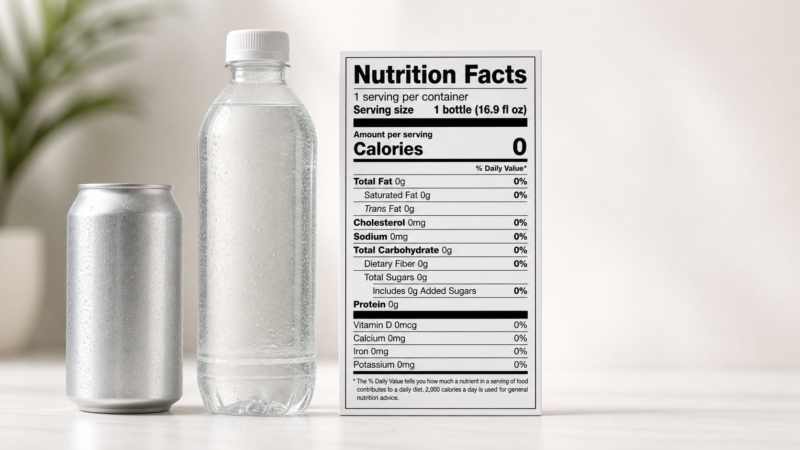
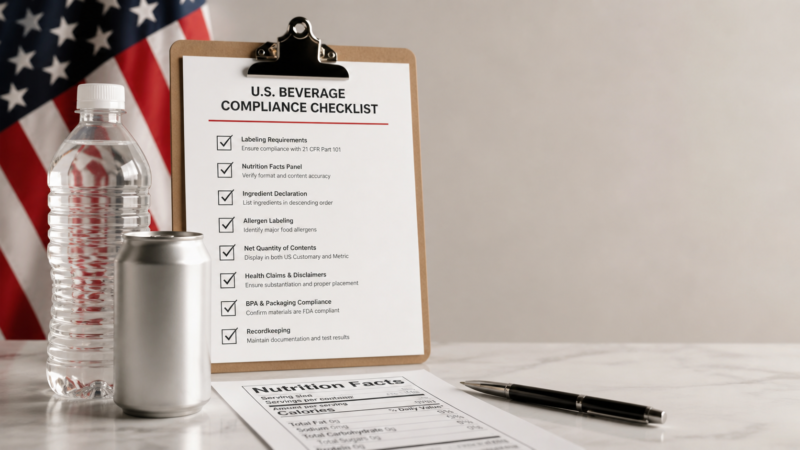
- Labeling under U.S. requirements, typically 21 CFR 101 for Nutrition Facts, ingredient lists, and allergen declarations (common allergens declared in plain language).
- Acidified and low‑acid canned foods have additional process controls; work with qualified process authorities when applicable.
- Prior Notice for imported foods before arrival, with accurate product and facility data.
- Statements about content (e.g., juice percentage) and other voluntary claims should be substantiated and consistent with regulations for the intended market.
- California Proposition 65 and other state‑level considerations may apply depending on ingredients and distribution.
Because rules are technical and context‑dependent, align your OEM, importer, and label review resources early. Request templated document lists so you can map who supplies which record and when.
How do formulation choices impact import and labeling?
Small choices cascade into packaging, label statements, and shipping. Establish decision boundaries up front to avoid late‑stage rework.
- Juice content: Influences sensory, cost, and the placement of any required juice percentage statement when the product is represented as juice.
- Acidity and pH: Drives thermal process (hot‑fill vs. aseptic vs. retort) and shelf stability targets.
- Sweeteners: Sucrose, fruit sugars, or non‑nutritive systems each affect taste, labeling, and consumer acceptance.
- Flavors and colors: Choose ingredients permitted for the U.S. and declare per regulations; natural flavors may need specific handling notes.
- Caffeine and botanicals: Set responsible levels, disclose where required, and validate stability in your chosen process.
- Added nutrients: If fortifying (e.g., vitamins, minerals), confirm ingredient suitability, target per‑serving levels, and final label format with specialists.
Locking a preliminary spec—target Brix, acidity, color, carbonation, and nutritional features—helps your OEM price accurately and plan trials that de‑risk U.S. label creation.
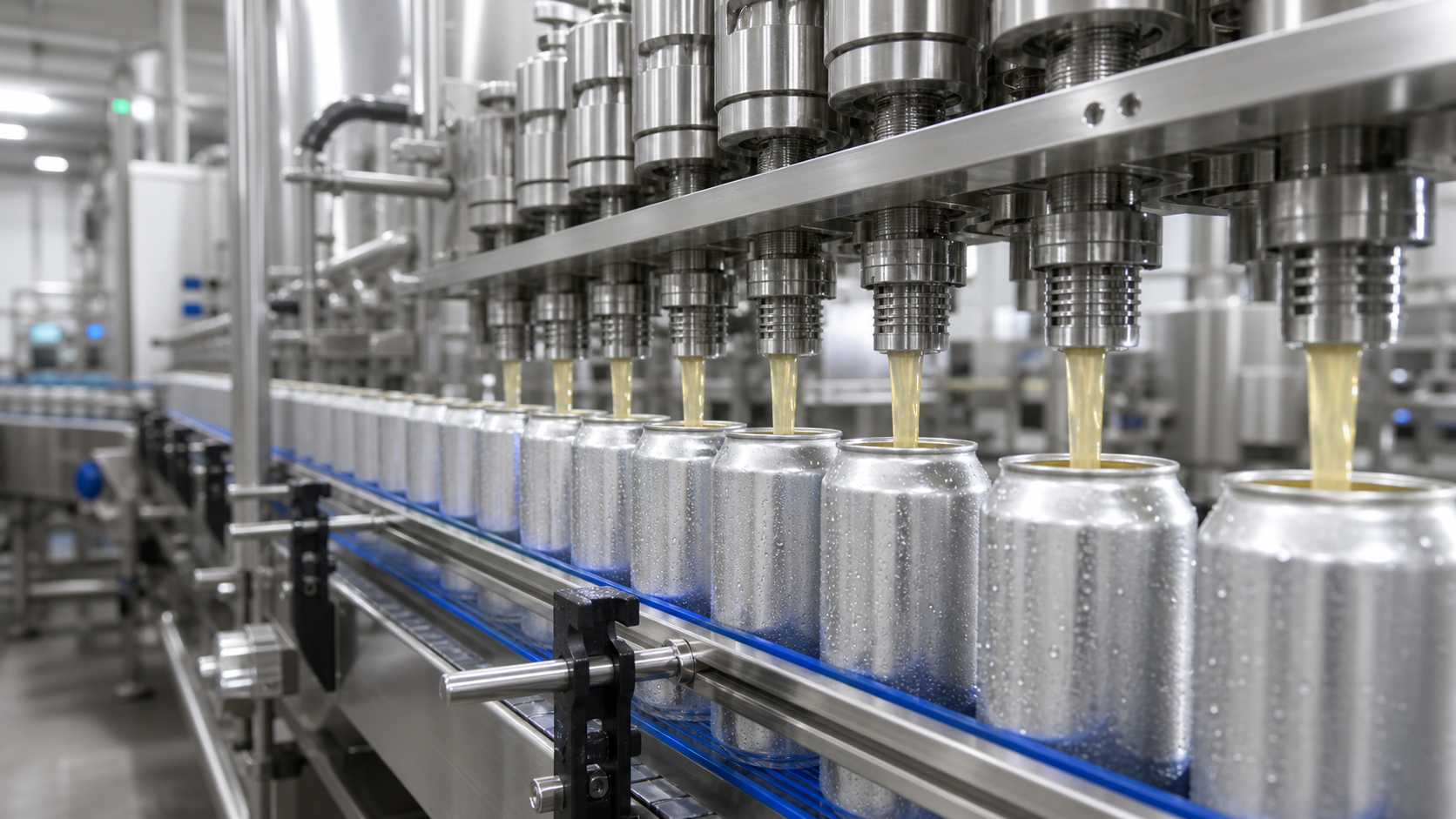
Packaging options and logistics for U.S. distribution
Choose packaging that fits your process, brand positioning, and supply chain. Then map pallet patterns, case counts, and transport tests for the U.S. route you will use.
- Aluminum cans (still or sparkling): Excellent for RTD tea, coffee, and refreshers; check can end specifications, lining compatibility, and tunnel pasteurization needs.
- PET bottles (hot‑fill capable): Widely used for juices and isotonic drinks; confirm heat resistance and panel performance.
- Glass bottles: Premium look and oxygen barrier; plan protective packaging and drop testing.
- Aseptic cartons or HDPE: Suited to dairy‑alternative or neutral pH products; coordinate fill technology and closures.
- Bag‑in‑box or foodservice packs: Useful for on‑premise; ensure fit with distributors and dispensing systems.
For logistics, define Incoterms (EXW, FOB, CIF, DDP, etc.), select ocean vs. air based on shelf life and cash flow, and confirm HS classification and duty exposure with your broker. Align case labeling, pallet stability, humidity control, and, where needed, ISTA‑style tests. Build inbound buffers for ocean variability and customs clearance.
Cost drivers when working with an overseas beverage manufacturer
Total landed cost is shaped by product decisions as much as factory price. Map these drivers before you request quotations.
- Ingredients: Juice levels, flavor systems, sweeteners, and functional ingredients all drive cost and availability.
- Process: Aseptic or retort lines may carry higher tolls than hot‑fill; carbonated lines add constraints.
- Packaging: Can formats, glass, or specialized closures can require minimum orders or tooling.
- Batch size and changeovers: Line efficiency improves with longer runs and fewer SKU switches.
- Freight and duties: Ocean vs. air, lane selection, seasonality, and duty rates change the landed unit cost.
- Quality and testing: Stability, micro, and third‑party verifications add value and cost; plan these in the brief.
- Artwork & compliance work: Label development, translations, and regulatory reviews require time and budget.
Project timeline from brief to first shipment
Timelines vary by product type, process, and packaging lead times. Instead of fixed dates, align on phases and decision gates so each step releases the next.
- Discovery & brief: Define positioning, target panel, and technical constraints; share benchmarks.
- Feasibility & preliminary spec: OEM returns options, processing route, and sample plan.
- Bench samples & iteration: Taste, adjust Brix–acid, color, and flavor balance; confirm sweetener strategy.
- Pilot trial: Validate process parameters, fill behavior, closures, and initial micro.
- Stability & micro testing: Start real‑time and accelerated checks; refine shelf‑life target.
- Packaging procurement: Lock formats, artwork handoff, and print windows.
- Regulatory & label review: Confirm ingredient suitability and label compliance for the U.S.
- First production: Execute with agreed QC plan and retain samples.
- Export & import: Prepare documentation, book freight, file Prior Notice, and clear customs.
- Post‑launch: Monitor quality, sell‑through, and reorder cadence; refine forecasts.
Common pitfalls and how to avoid them
- Vague briefs: Missing targets for sweetness, acidity, or color causes rework. Provide sensory anchors and tolerance ranges.
- Label late in the process: Start label development in parallel; it depends on confirmed formula and nutrition data.
- Underestimating shelf‑life proof: Build time for stability data; retailers may ask for evidence.
- Packaging mismatches: Choose formats aligned with process heat and carbonation; verify line compatibility early.
- Freight compression: Relying on air to solve planning gaps erodes margin; protect schedules with buffers.
- Documentation gaps: Assign responsibility for each required record; align with importer and OEM checklists.
Product brief checklist for U.S.-bound OEM drinks
Use this checklist to speed OEM quotations and reduce reformulation cycles.
- Brand & positioning: Category, target consumer, price tier, and retail or eCommerce focus.
- Format: Still/sparkling; juice percentage; caffeine level; desired claims or content statements.
- Sensory targets: Brix, acid profile, aroma, color, mouthfeel, carbonation volume (if any).
- Ingredients: Must‑use, must‑avoid, sweetener approach, colors/flavors, fortification intent.
- Processing & shelf life: Hot‑fill, aseptic, retort, or HPP; ambient vs. chilled; target months on shelf.
- Packaging: Can/bottle/carton, sizes, closures, secondary/tertiary packaging, pallet pattern.
- Quality: Micro limits, testing plan, certificates needed, retain sample policy.
- Regulatory: U.S. label review support plan, any specific state considerations.
- Commercials: Forecast, preferred Incoterm, delivery lanes, launch window, artwork timeline.
Example concept directions for the U.S. market
Below are concept spaces many U.S. buyers explore with OEM partners. Each requires validation for feasibility, taste, and labeling.
- Antioxidant‑positioned juice blends: Tart–sweet profiles featuring pomegranate or berry combinations; see pomegranate juice OEM insights for market themes and positioning angles.
- Stone‑fruit refreshers: Light, sparkling peach flavorways with balanced acidity; review choose the right peach OEM when shortlisting partners.
- Exotic tropical lines: Fragrant lychee blends or lychee‑tea fusions; explore why choose lychee juice OEM for concept ideas.
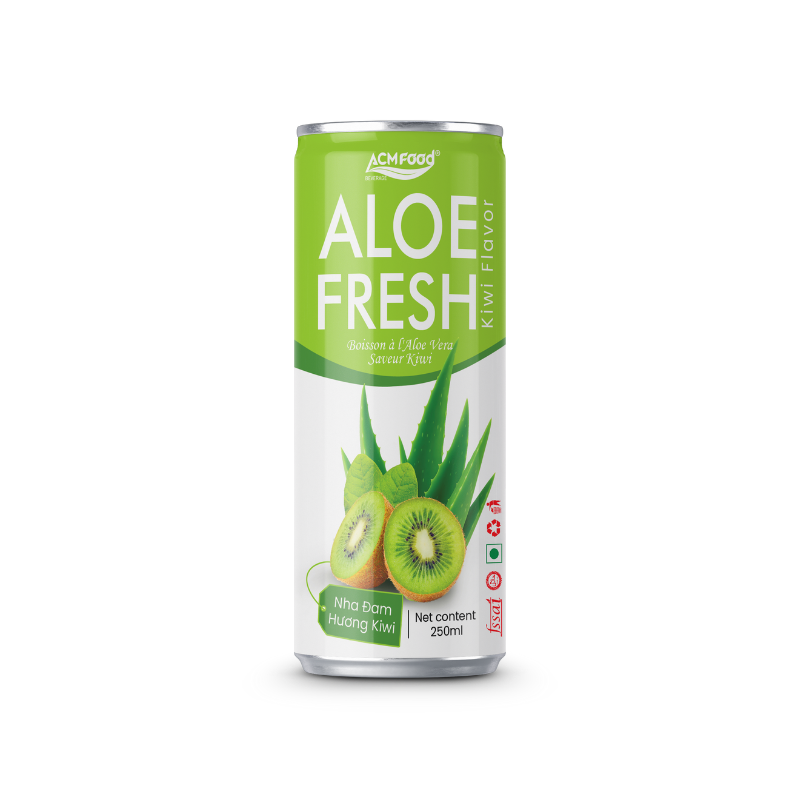
- Better‑for‑you green themes: Kiwi‑led bases with citrus lift and moderated sweetness; consider kiwi juice OEM services for development pathways.
For each concept, the core levers remain the same: clear sensory targets, responsible sweetness, and packaging matched to process and route‑to‑market.
How to evaluate and audit a beverage co‑packer in the USA
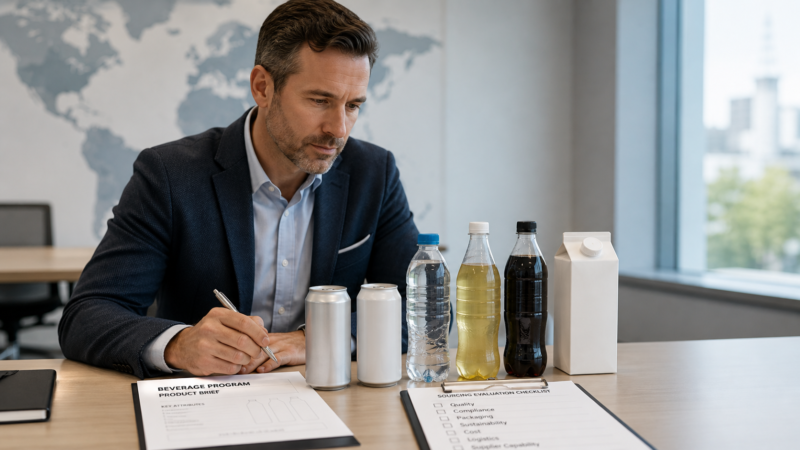
Even if you launch with an overseas OEM, many brands also maintain U.S. co‑packer options for line extensions or surge capacity. Use a consistent evaluation rubric across all partners.
- Capability match: Does the line process your pH, carbonation, viscosity, and closure? Can it hit your shelf‑life goals?
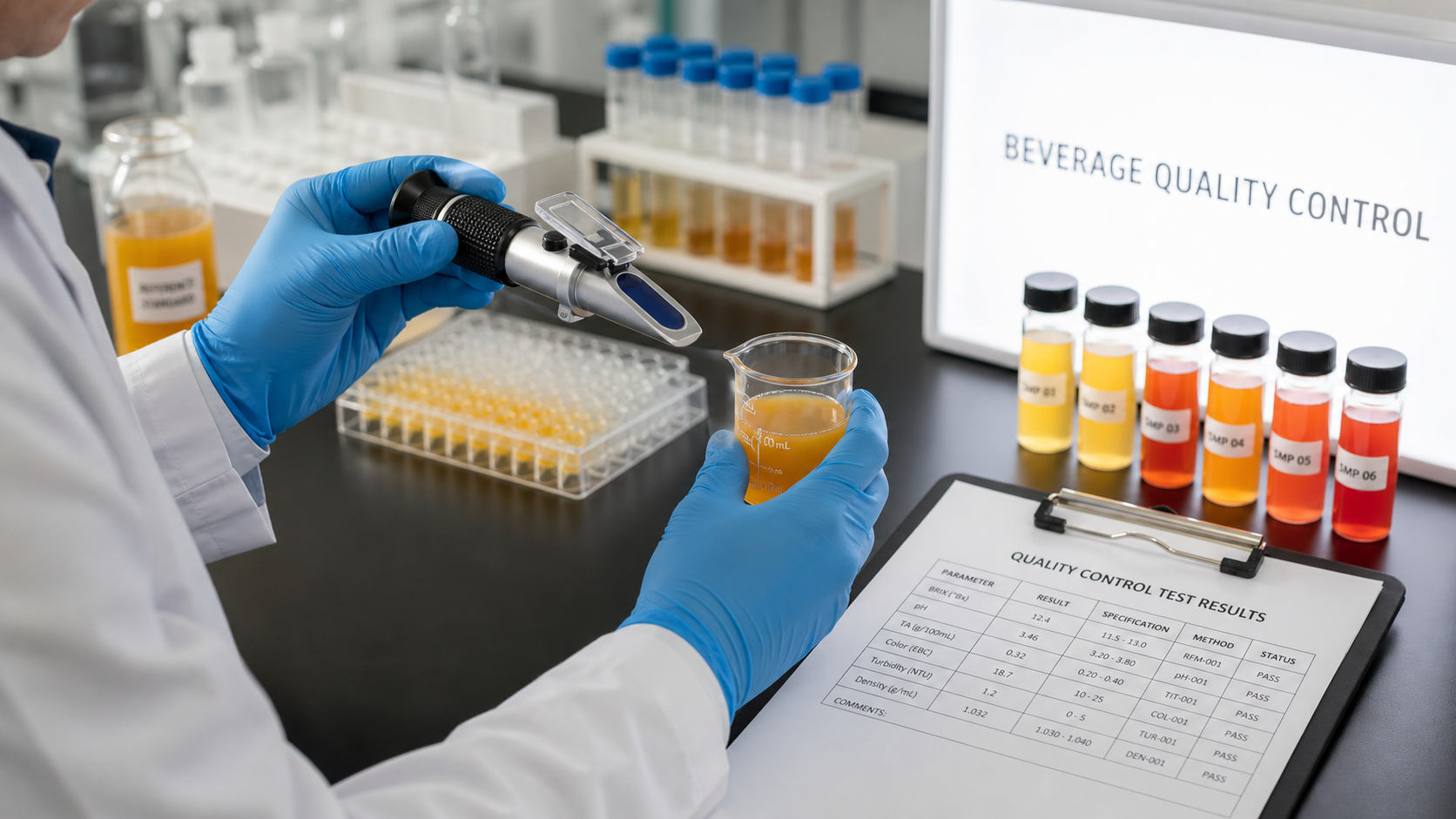
- Quality systems: Review documented programs, calibration practices, sanitation controls, and mock recall performance.
- Operations discipline: Assess changeover efficiency, yield loss, and how deviations are logged and corrected.
- Documentation: Confirm batch records, certificates, and traceability detail meet your importer and retail expectations.
- Commercial fit: Ensure MOQs, lead times, and artwork windows align with your launch plan.
Frequently asked questions
Do I need different labels for the U.S. and other markets?
Often yes. Keep a U.S.‑specific label that reflects Nutrition Facts format, ingredient declarations, and any required statements for your formula and packaging.
Can I develop in the U.S. and produce overseas?
Yes, many brands bench‑develop domestically, then transfer a locked spec to an overseas beverage manufacturer with pilot validation and comparative sensory checks.
How early should I start stability testing?
Begin as soon as you have a near‑final bench sample and packaging choice, so real‑time data accumulates before first retail shipments.
What determines shelf life most?
Process and product chemistry: pH, water activity, oxygen sensitivity, solids, and microbial controls, plus packaging barrier and storage conditions.
Is it better to ship by air for launch?
Air can protect launch timing but may compress margins. Plan launch windows to favor ocean freight and reserve air for exceptions.
Conclusion and next steps
Successful U.S. beverage launches with an oem beverage manufacturer usa hinge on a crisp brief, process‑appropriate packaging, verified safety documentation, and label alignment. Map costs beyond ex‑factory price, plan buffers for freight, and synchronize testing with your artwork and retail timelines.
Next, finalize your brief, shortlist partners that match your process and packaging needs, request pilot trials with a clear QC plan, and coordinate with your importer or regulatory consultant on labeling and documentation. With disciplined execution, OEM manufacturing can provide the flexibility and scalability U.S. beverage brands need.
Manufacturing for U.S. brands
If you are sourcing for the U.S. market, three pages cover what buyers ask first. OEM manufacturing in Vietnam sets out how projects are organised; certifications and food safety systems covers the documents customs and retailers will ask you to produce; export and logistics covers shipping terms and the document pack. To price a programme, request a quote.
Request a quoteWhere to go next
Sourcing for the U.S. market? The United States beverage market page covers the full OEM and private label programme for U.S. brands and importers: MOQ 500 cartons per SKU, 15-30 day production, HACCP / ISO 22000 / FSSC 22000, and shipping from Ho Chi Minh City. Request a quote and we reply within 24 hours.