


 Français
 Español
 العربية
 한국어
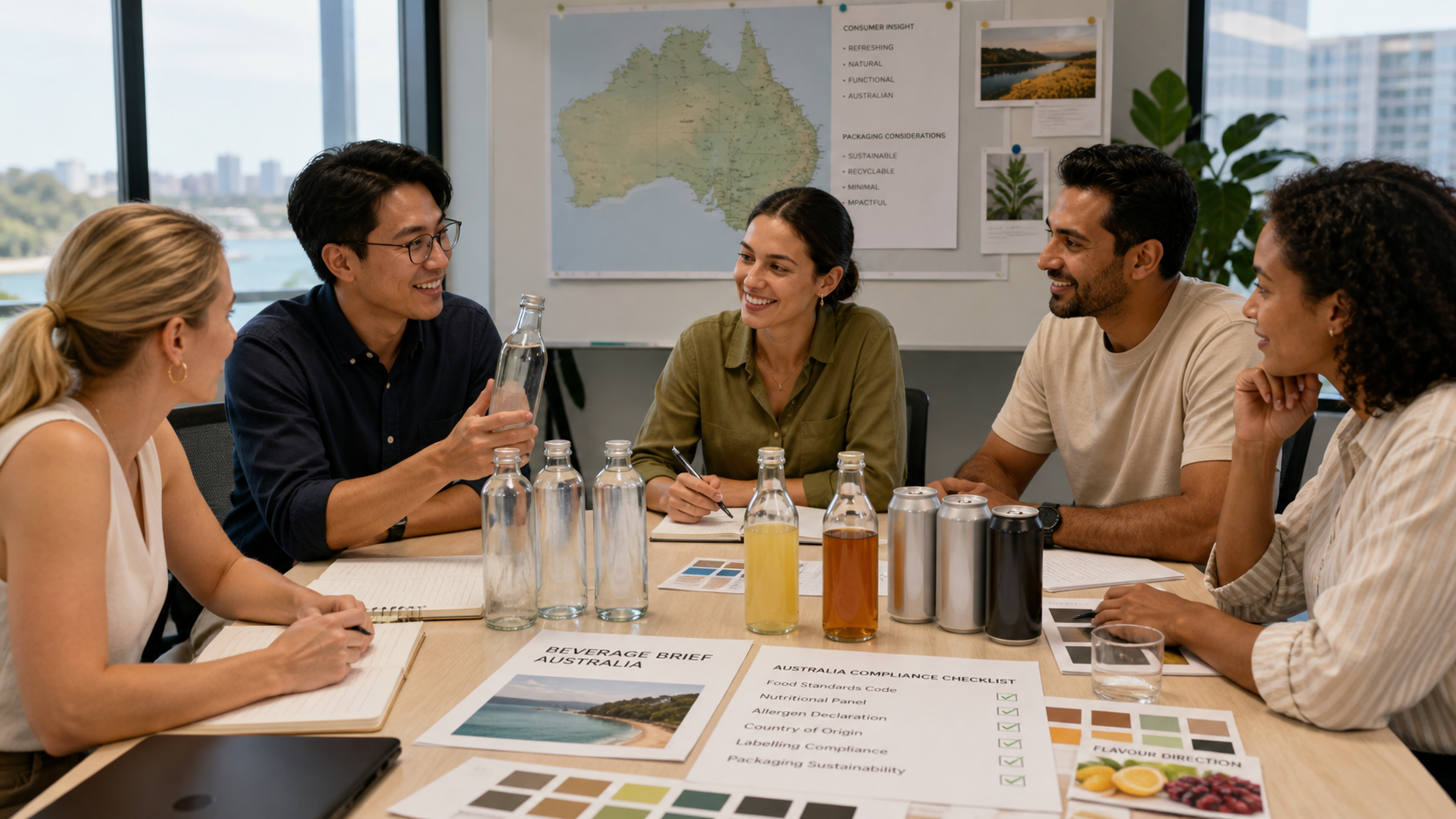
한국어Searching for a beverage manufacturer Australia typically means you are evaluating partners to develop, produce, fill, and ship ready-to-sell drinks for the Australian market. This guide clarifies what manufacturers and co-packers do, how to scope your project, key regulatory and packaging considerations, and the commercial steps to move from idea to launch.
Beverage projects vary widely by format, ingredient profile, and route to market. The right partner helps translate your brief into a formulation and process that aligns with the Australia New Zealand Food Standards Code (FSANZ), your brand positioning, and retailer expectations. Use this page as a structured checklist so your team can make fast, confident decisions without overpromising, under-specifying, or missing critical compliance steps.
What does a beverage manufacturer for Australian brands do?
A beverage manufacturer for Australian brands turns your concept into a commercial product by aligning formulation, sourcing, processing, filling, quality assurance, and documentation with your brief and FSANZ-aligned labelling. They help select packaging, confirm shelf-life strategy, pilot on suitable lines, and prepare the records needed for market entry and retailer onboarding.
In practical terms, you supply a clear brief, brand strategy, and target price. The manufacturer proposes a formula approach, confirms compatible processes (for example, hot-fill, tunnel pasteurisation, tunnel pasteurization for U.S. readers, UHT, or carbonation), selects packaging that fits the line, runs pilots, and documents specifications. They will coordinate inbound ingredients and packaging materials, production scheduling, in-line and post-fill QC checks, and release protocols before freight.
If you are new to outsourcing, this primer on contract beverage manufacturing in Australia outlines the engagement and commercial models often used by Australian brands.
Which beverage formats can you produce with a co-manufacturer?
Manufacturers typically specialise by process, packaging, or category. Availability depends on each facility, line configuration, and certifications. Common non-alcoholic formats include:
- 100% fruit and vegetable juices (cloudy or clarified), nectars, and juice drinks
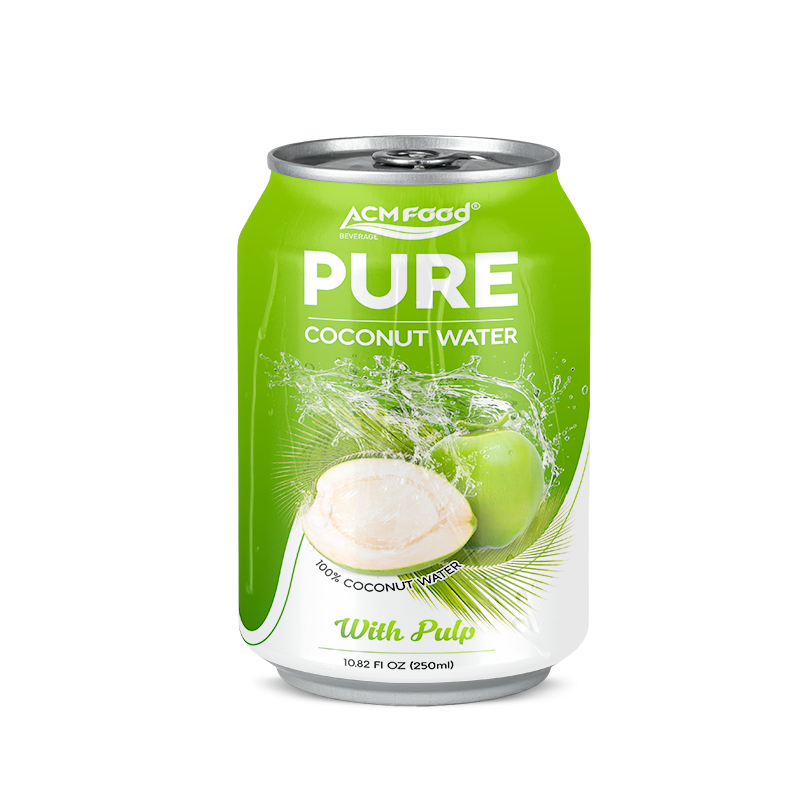
- Coconut water and blended waters
- RTD tea and herbal infusions (still or lightly sparkling)
- Cold-brew or RTD coffee drinks
- Flavoured waters, seltzers, and lightly sweetened still waters
- Electrolyte or isotonic beverages
- Plant-based beverages (oat, almond, soy blends) depending on facility
- Functional concepts where permitted ingredients and claims fit your market plan
Not all facilities can handle all ingredients or processes. Early clarity on thermal treatment, carbonation, particulates, and viscosity helps manufacturers confirm technical feasibility and line compatibility.
How to write a strong beverage product brief for Australia
A concise, decision-ready brief saves development time, reduces reformulation loops, and aligns stakeholders. Include:
- Category and benchmark: the reference products you expect to compete with on Australian shelves
- Target sensory: flavour direction, sweetness, acidity balance, aroma intensity, colour and clarity
- Formula intent: 100% juice vs nectar vs juice drink; sweetener approach; presence of botanicals or caffeine
- Processing guardrails: hot-fill or pasteurised, UHT, carbonated or still, particulates allowed or filtered
- Packaging: format (can, PET, glass, aseptic carton), closure type, fill volume, pack configuration
- Shelf-life objective: ambient vs chilled chain; storage and distribution assumptions
- Compliance notes: allergens, characterising ingredients, required percentage labelling, nutrition panel plan
- Claims direction: plain-language intent (for example, no added sugar), subject to FSANZ and verified amounts
- Commercial targets: indicative ex-factory or landed cost goals, promotional strategy, retailer margin expectations
- Project logistics: forecast volumes, first launch states, desired launch window, artwork timeline
If you plan an OEM route, see this overview of OEM beverage manufacturing for Australian buyers to understand how pre-validated bases can compress timelines while leaving room for brand-specific differentiation.
100% juice, nectar, and juice drinks: practical differences
These categories differ by fruit content, sweetening approach, labelling, and positioning. Your final classification and labels must align with FSANZ and your formulation. Below is a qualitative snapshot to clarify discussion with your manufacturer and label review team:
| Category | Formulation focus | Labelling focus | Positioning & notes |
|---|---|---|---|
| 100% juice | Fruit-only juice, single or blended, clarified or cloudy | Ingredient naming and percentage labelling for characterising fruit | Perceived as simple and fruit-forward; manage natural sugars and sensory balance |
| Nectar | Fruit plus water; often adjusted sweetness and acidity | Clear category naming and characterising ingredient percentages | Broader flavour latitude; check claim language carefully |
| Juice drink | Lower fruit content; water base with flavour, acids, and sweetening | Transparent description of ingredients and percentages | Cost-effective, lighter flavour; confirm claim compliance |
Always confirm ingredient names, additive permissions, and percentage labelling before artwork lock. If you are exploring fruit-specific SKUs, this guide on how to choose the right peach juice OEM manufacturer shows how fruit variety, Brix targets, and processing choices influence sensory and cost.
Regulatory and labelling basics for Australian beverages
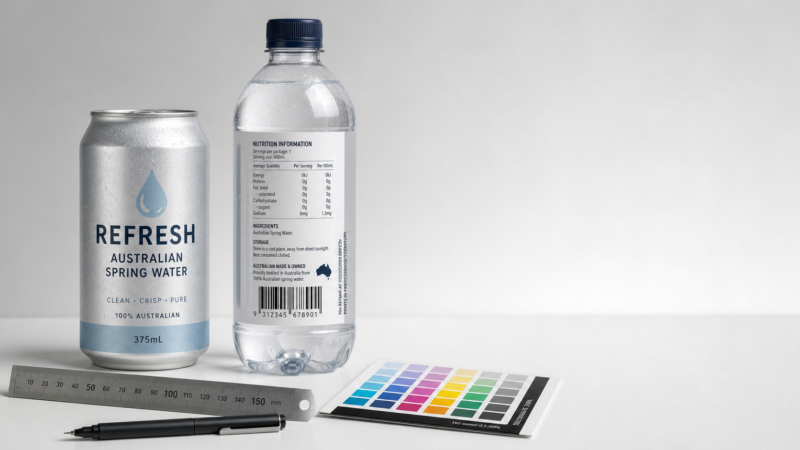
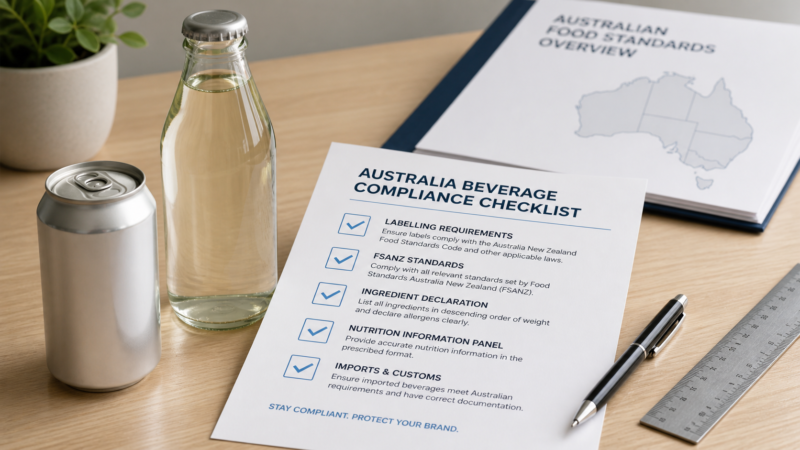
Australia requires compliance with the Australia New Zealand Food Standards Code (FSANZ). While a manufacturer can provide product specifications and ingredient statements, brand owners remain responsible for final label compliance. Work with qualified advisors for label reviews. Common elements include:
- Ingredient list in descending order by ingoing weight with plain-language names
- Allergen declarations where relevant
- Characterising ingredient percentage labelling (for example, key fruits, teas, or botanicals)
- Nutrition Information Panel (NIP) aligned with your final formula and serving size
- Date marking (for example, best before or use by) based on product risk and shelf-life validation
- Country of origin statement for food sold in Australia, where applicable
- Any advisory statements or directions for use and storage where necessary
Avoid promising outcomes or regulated health claims unless your formula, serving size, and measured amounts support permitted wording. If you plan sugar, caffeine, or vitamin-related statements, align formulation, lab testing, and claim language early.
Quality control and product stability considerations
Quality plans are built around your process and risk category. Typical controls include incoming checks for ingredients and packaging, in-process monitoring (for example, Brix, acidity, fill temperature or carbonation), and post-fill hold-and-release protocols. Microbiological risk management and sensory verification are central to a robust program.
Stability planning spans thermal process validation, oxygen pickup management, closure torque or seam integrity, and light or heat exposure testing. For citrus, tea, or coffee, manage bitterness, astringency, and haze through filtration choices and process parameters. For sweetening systems, confirm the sensory curve and aftertaste under your final thermal profile.
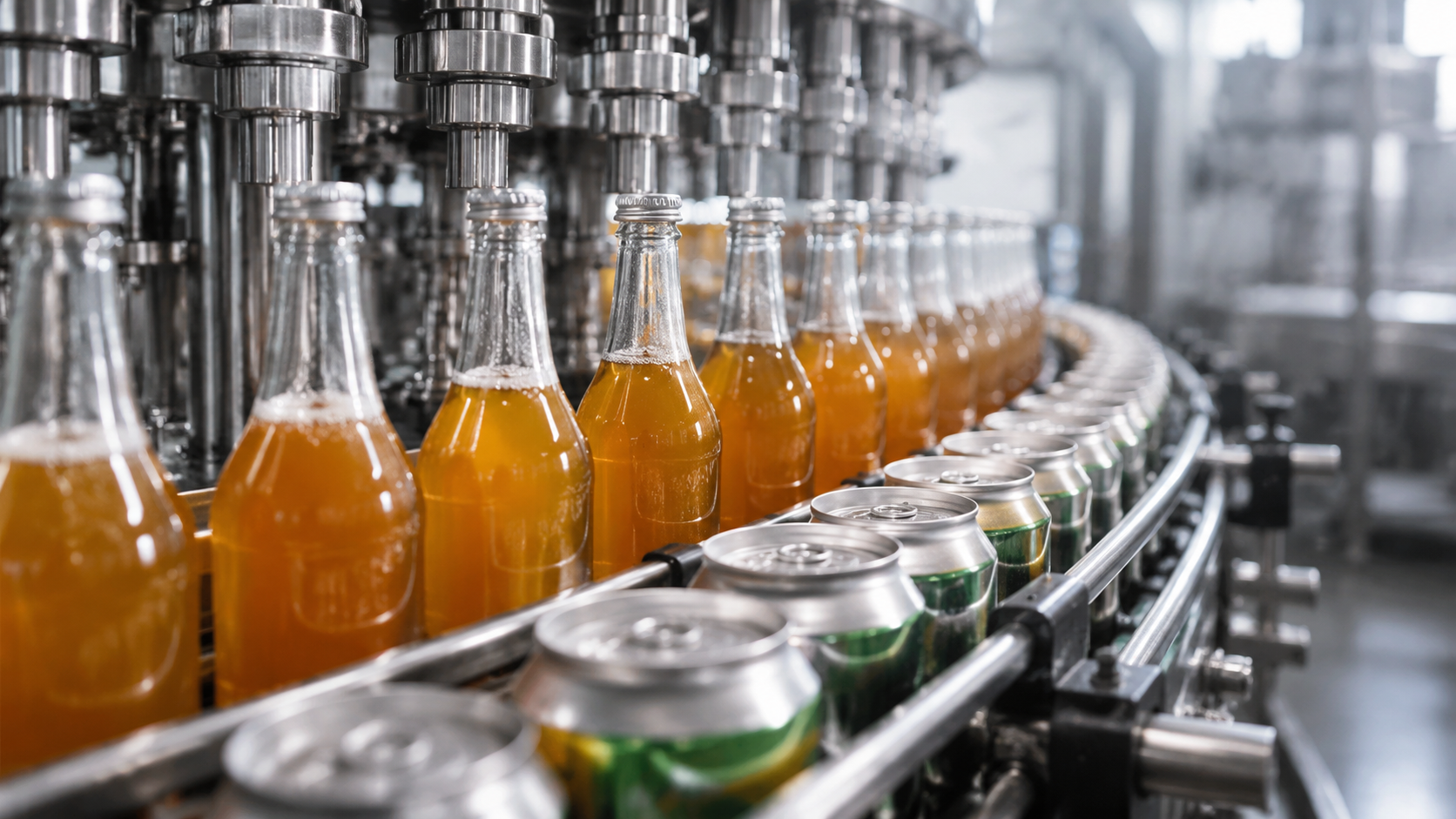
Packaging options for Australian distribution
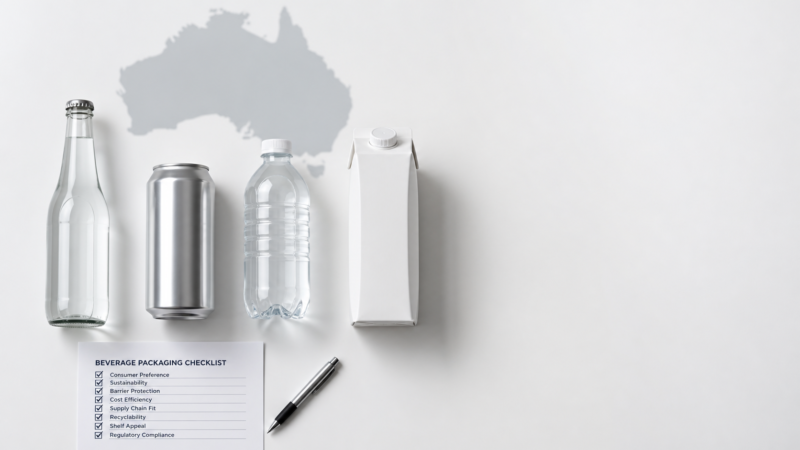
Choose packaging that fits the line, your brand positioning, logistics, and retailer expectations. Consider stackability, on-shelf impact, recyclability programs, and readiness for e-commerce or ambient freight. Here is a qualitative comparison:
| Format | Pros | Typical use cases | Positioning & notes |
|---|---|---|---|
| Aluminum can | Lightweight, strong visual blocking, widely recycled | Flavoured waters, energy, iced tea, juice drinks | Great for cold channel; confirm lining compatibility |
| PET bottle | Impact-resistant, clear product view, light weight | Juice drinks, functional waters, isotonic | Specify resin and barrier needs; design for recycling |
| Glass bottle | Premium look and feel, excellent barrier | 100% juice, cold-brew, premium tea | Heavier; plan shippers and pallet patterns |
| Aseptic carton | Ambient stable, light, good billboard | Juices, plant-based beverages | Artwork drives shelf blocking; confirm straw vs cap |
Many Australian states operate container deposit schemes. Ensure your barcodes, pack copy, and deposit statements are checked and correctly applied to each SKU and pack configuration you intend to sell.
Domestic vs overseas manufacturing for Australian brands
Both domestic and overseas manufacturing can succeed. The right choice depends on product type, process fit, supply chain, cost structure, and your oversight preferences. Regional Asian partners (for example, facilities in Southeast Asia) may be suitable for ambient-stable formats when freight and landed costs align with your margin model. Domestic options can simplify oversight and reduce transit variability.
| Consideration | Domestic manufacturing | Overseas manufacturing |
|---|---|---|
| Process fit | Good for lines aligned with your pack & process | Broader selection if you flex on pack or process |
| Oversight | Easier plant visits and trials | Remote oversight with planned audits and pilots |
| Landed cost drivers | Labour, utilities, materials, domestic freight | Ex-factory, ocean/air freight, duties, port fees |
| Lead time variability | Fewer border dependencies | Transit timing and customs windows to manage |
| Packaging availability | Local spec compatibility | May require equivalent or requalified components |
| Sustainability | Reduced freight miles | Offset with efficient shipping and materials |
If you run multi-market programs, compare requirements across regions. For a perspective on another major market, see this overview of beverage manufacturing for U.S. brands.
How to evaluate and select a partner manufacturer
Use a structured approach so stakeholders can compare options on consistent criteria:
- Shortlist by process & pack fit: confirm they can run your intended packaging and thermal profile
- NDA and RFI: share your high-level brief, volumes, and constraints; seek capability statements
- Technical call: align on formulation guardrails, allergens, cleaning requirements, and changeover impacts
- Feasibility and pilot plan: agree test batch size, success metrics, and data to capture
- Commercial outline: estimate ex-factory or landed scenarios, MOQs by component, and payment terms
- QA and documentation: review HACCP-based procedures, specifications, traceability, and hold-release
- Artwork and labelling: start label review early; lock dielines and prepress specs
- Contract and service levels: define responsibilities, quality thresholds, deviation handling, and recall roles
- Launch readiness: confirm finished-goods testing plan, pallet patterns, and retailer onboarding requirements
If you plan a retailer-led program, explore private label beverages for Australian brands to understand store brand development rhythms and documentation needs.
Project timeline and critical path
Timelines vary by formula complexity, component lead times, and line availability. Think in phases, each with clear decision gates:
- Discovery and scoping: brief refinement, feasibility sign-off, pilot planning
- Lab samples and iteration: sensory alignment, thermal impact checks, claims feasibility
- Pilot on line: line-scale validation, fill parameters, seam or torque verification
- Pre-production: artwork finalisation, component deliveries, QA documentation complete
- First production: in-process checks, release testing, transport trials, first deliveries
- Post-launch optimisation: sensory monitoring, complaint trend review, artwork refresh cycles
Cost drivers to model before you commit
Price architecture decisions early keep your brand viable on shelf. Build scenario models that account for:
- Ingredients: fruit concentrate vs not-from-concentrate, botanical loadings, flavour house choices
- Sweetening approach: sugar levels, alternative sweeteners, and their sensory curves
- Processing: thermal profile, filtration, carbonation steps, and changeover impacts
- Yield and waste: pilot learnings translated to full-scale assumptions
- Packaging: format, closures, labels or sleeving, secondary and tertiary packaging
- Quality testing: micro, chemistry, shelf-life, and third-party verification where needed
- Freight and logistics: domestic or international transport, insurance, storage conditions
- Duties and border fees: if importing, model port charges, duties, and customs brokerage
- Retailer and channel terms: promotional funding, scan rates, case deals, and returns policies
- Regulatory and artwork: label reviews, barcodes, and deposit scheme administration
Sustainability expectations and retailer readiness
Australian shoppers and retailers increasingly expect packaging that is recyclable and responsibly specified. Work with suppliers on material specs, label adhesives and inks, and pack formats that aid sorting. Optimise pallet efficiency and consider lighter-weight components where feasible without compromising barrier or product safety.
Retailer readiness often includes GS1 barcodes, data sheets, shipping labels, and consistent case and pallet labelling. Align early with your intended retailers or distributors to avoid relabelling or rework later.
Information for beverage brands planning OEM or contract models
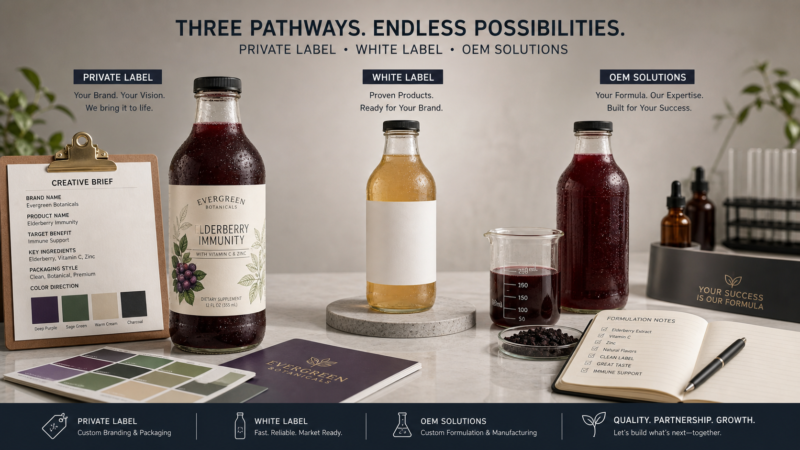
Contract, OEM, and private label paths each have benefits. Contract manufacturing maximises customisation within the limits of a facility. OEM leverages pre-validated bases to compress development. Private label follows retailer-driven specifications and timelines. These models can be mixed across your portfolio to balance speed and distinctiveness. For model selection detail, review contract beverage manufacturing in Australia and OEM beverage manufacturing for Australian buyers.
FAQ: working with a beverage manufacturer for Australian brands
Do I need a local manufacturer to sell in Australia?
No. Both domestic and overseas production can work. The right path depends on process fit, landed costs, freight reliability, and how much in-person oversight you need. Ensure labels, documentation, and import requirements for finished goods are in order before shipping.
What minimum order quantities should I expect?
MOQs vary by packaging format, component lead times, and the manufacturer’s line efficiency. Components like cans, bottles, closures, sleeves, or cartons often drive MOQs more than the beverage itself. Discuss realistic pilot and first production sizes early.
Can I claim no added sugar or similar statements?
Only if your final formula, serving size, and lab results support permitted wording under applicable standards. Align claim intent with formulation and label review before artwork lock.
How do chilled vs ambient strategies affect my plan?
Chilled strategies prioritise cold-chain distribution and fresher profiles. Ambient strategies focus on shelf stability and wider freight options. Your choice influences process selection, packaging, logistics, and shelf-life validation.
Will overseas manufacturing delay my launch?
International freight and customs introduce variability. Many brands manage this by locking components early, building conservative lead-time buffers, and balancing domestic safety stock with forecast accuracy.
Conclusion and next steps
The fastest route to a viable Australian launch is a clear brief, an aligned manufacturer, and early label planning. Define your category, processing constraints, packaging, and commercial targets, then run a disciplined pilot-to-production path with robust QA. Whether you proceed via contract, OEM, or private label, use the checklists above and the linked resources to keep decisions moving. If you plan cross-market programs, compare norms with guides such as beverage manufacturing for U.S. brands and then tailor for FSANZ. When you are ready, share your product brief and ask candidates how they would execute as your chosen beverage manufacturer Australia partner.
Manufacturing for Australian brands
If you are sourcing for the Australian market, start with the OEM route for how a specification becomes a shipped container, certifications and food safety systems for the evidence importers and retailers require, and export and logistics for shipping terms and documentation. To price a programme, request a quote.
Request a quoteWhere to go next
Planning an Australian launch? The Australia beverage market page covers the full OEM and private label programme for Australian brands and importers: MOQ 500 cartons per SKU, 15-30 day production, HACCP / ISO 22000 / FSSC 22000, and shipping from Ho Chi Minh City. Request a quote and we reply within 24 hours.