


 Français
 Español
 العربية
 한국어
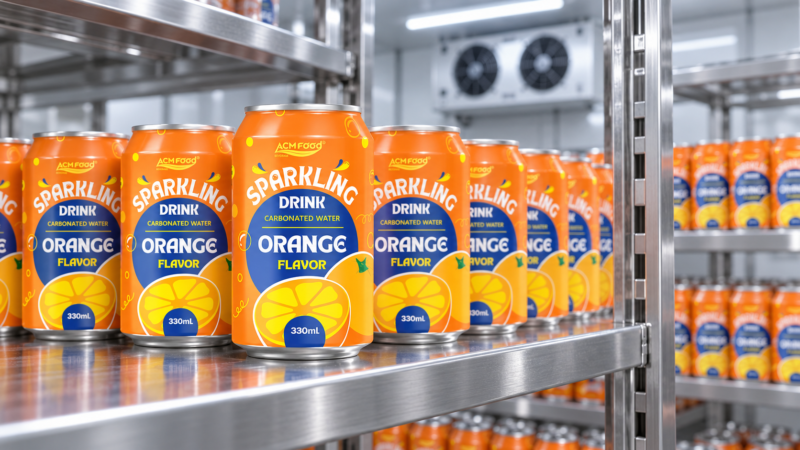
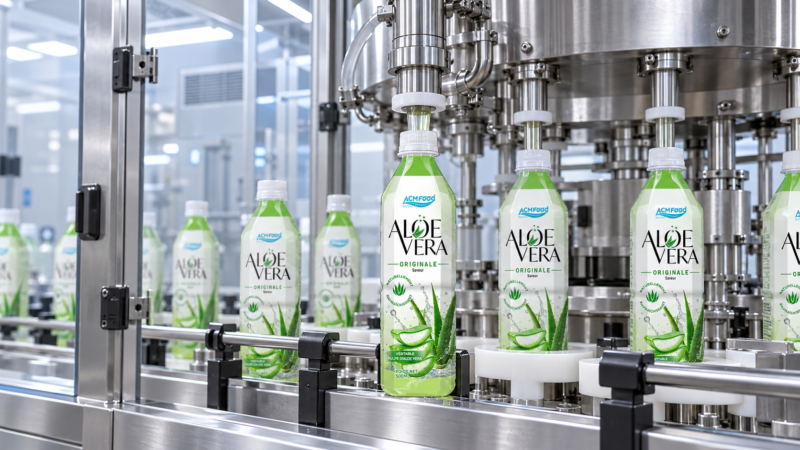
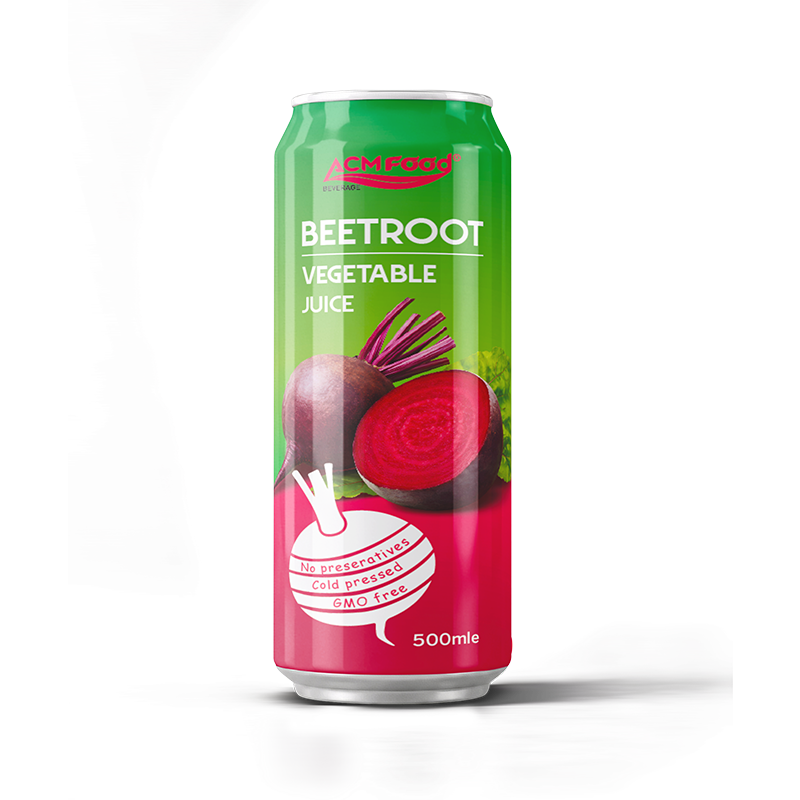
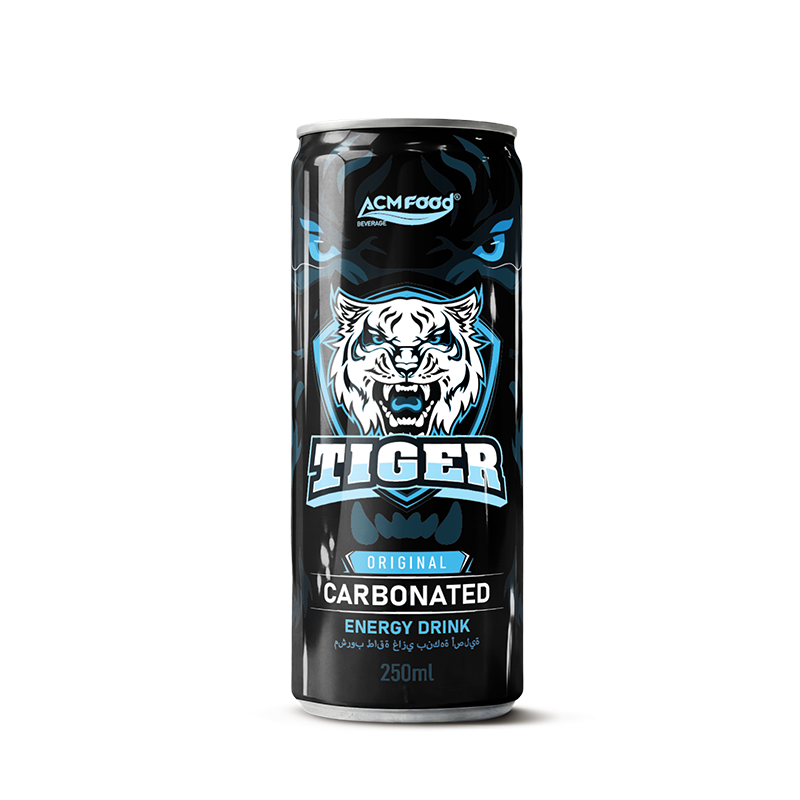
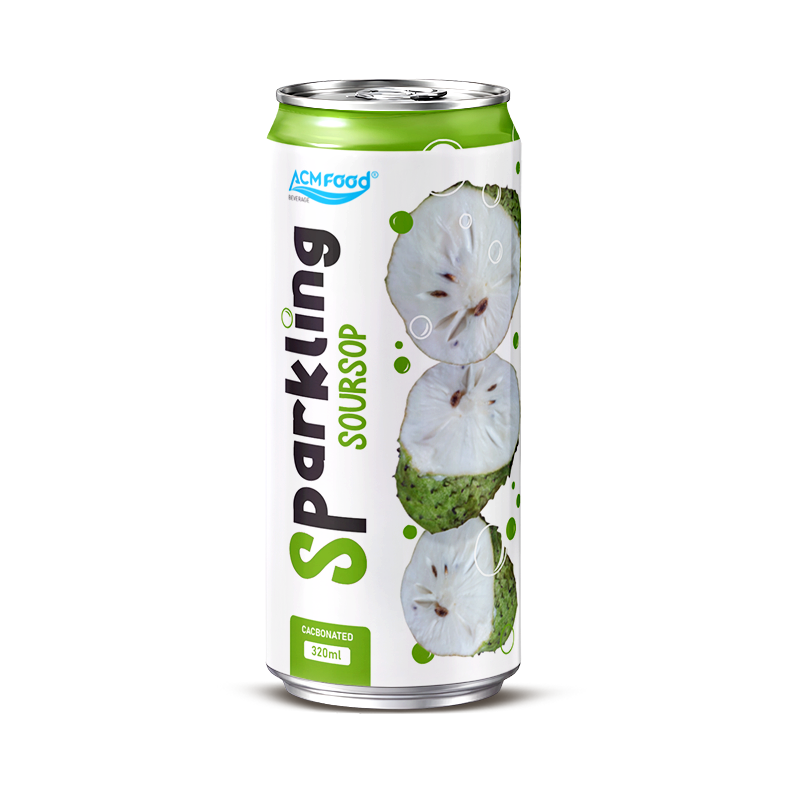
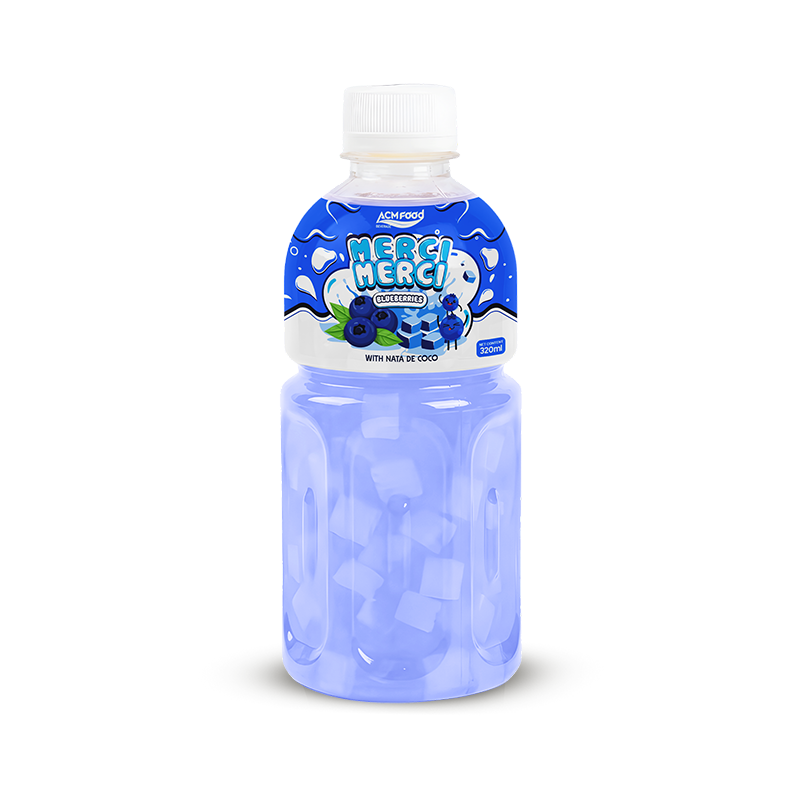
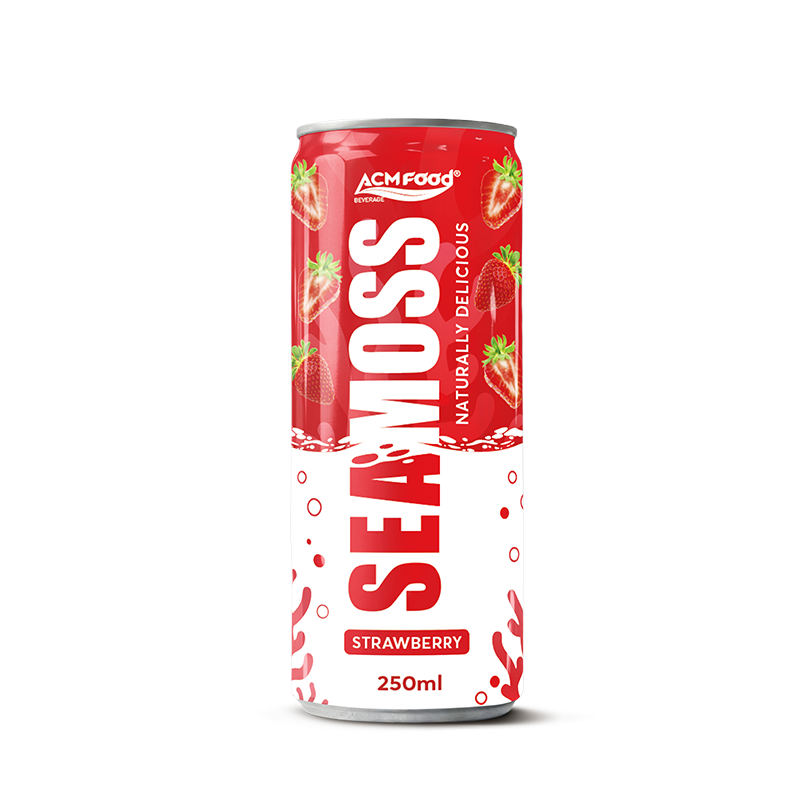
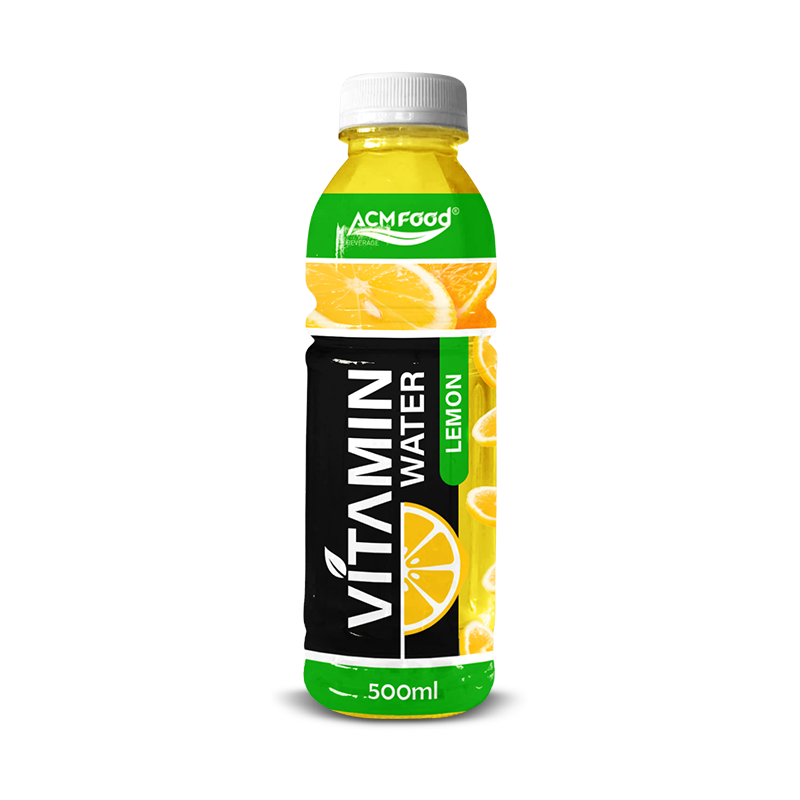
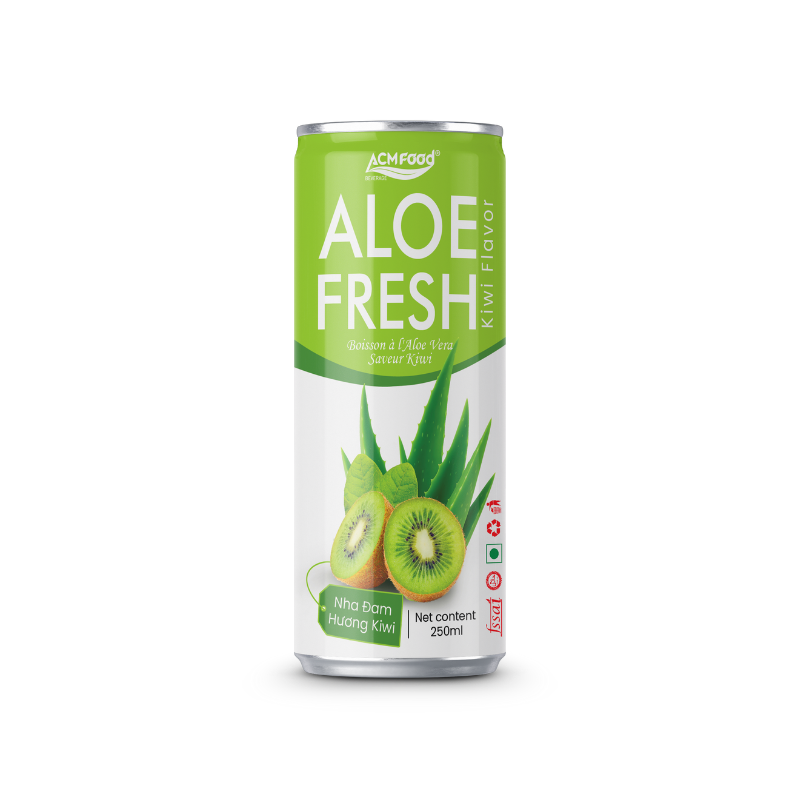
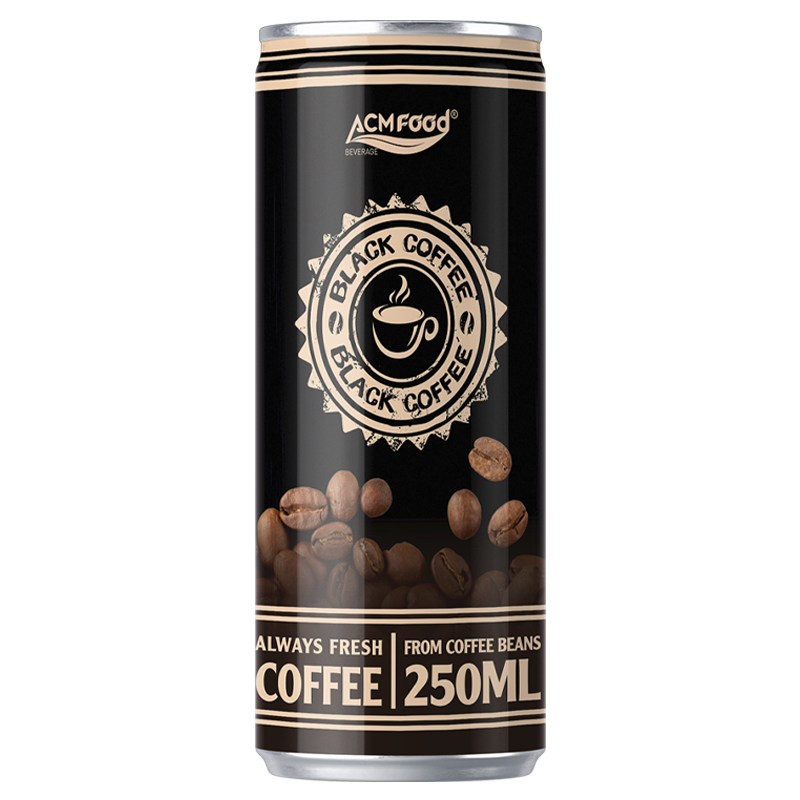
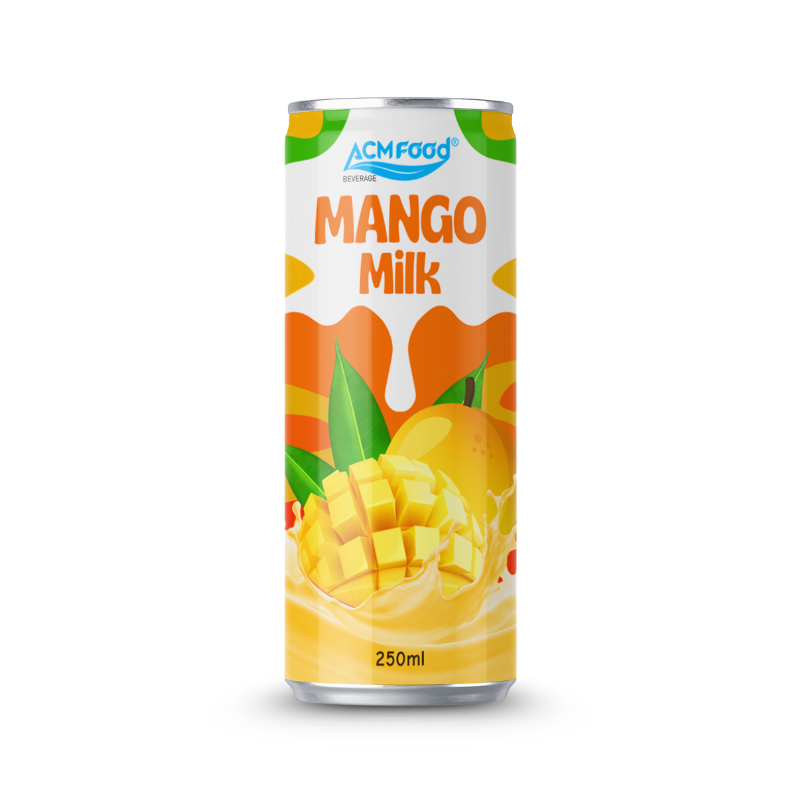
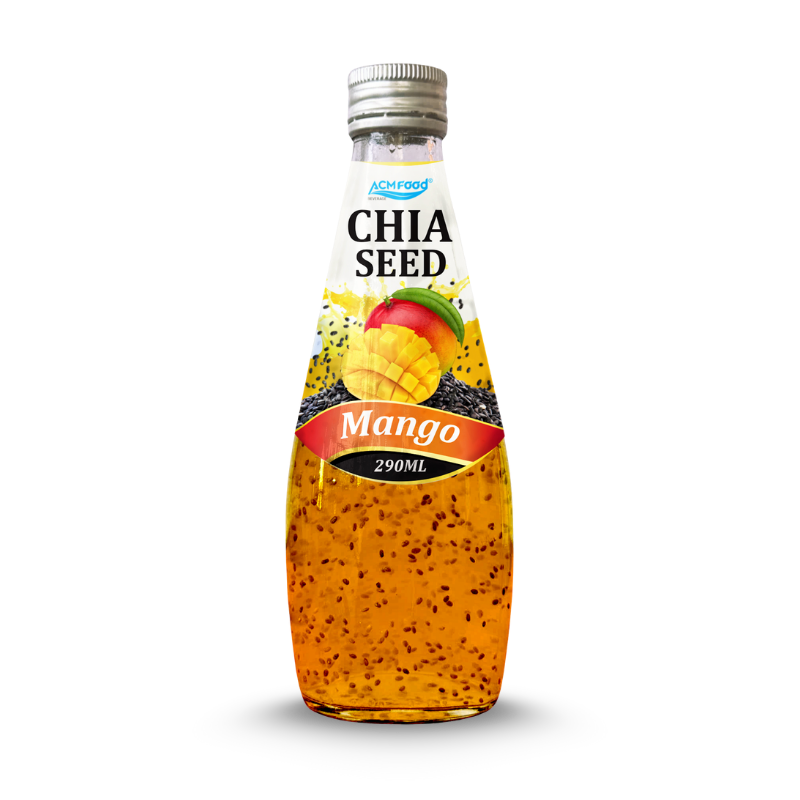
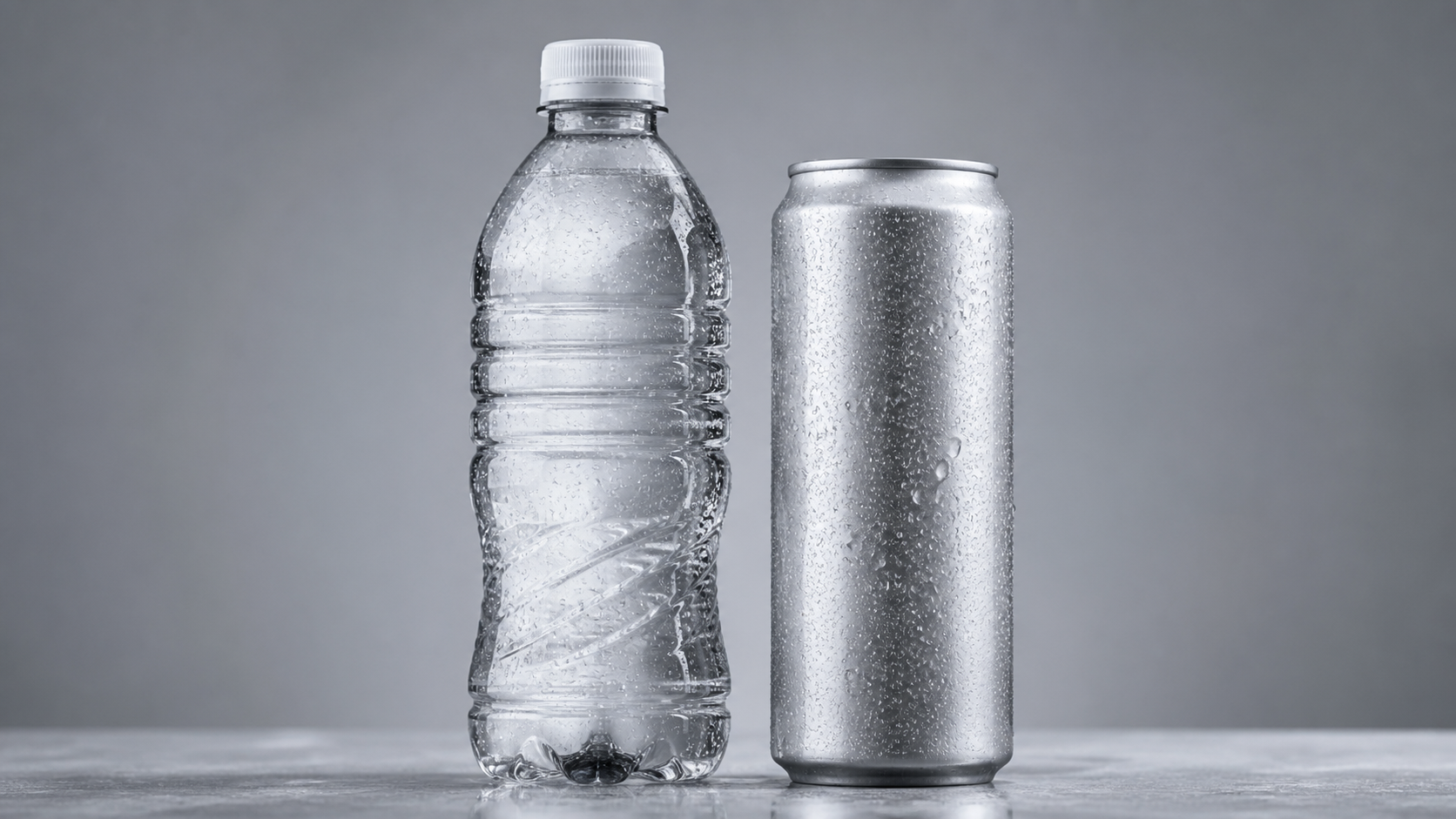
한국어Aluminium cans and PET bottles differ most in three places: light protection, pressure handling and unit economics. Cans block light completely and hold carbonation better across a long shelf life; PET is transparent, lighter to ship and needs no tooling with a stock bottle. ACMFOOD fills both from 200ml to 1.5L at 500 cartons per SKU.
The better choice depends on beverage type (carbonated vs still, high-acid juices, tea, coffee, dairy-alternative), filling method (cold-fill, hot-fill, tunnel pasteurization, aseptic), production volumes, route-to-market and brand positioning. This guide compares cost, shelf life and shelf presence so your team can brief manufacturers with confidence and avoid costly format changes later.
Aluminium can vs PET bottle at a glance
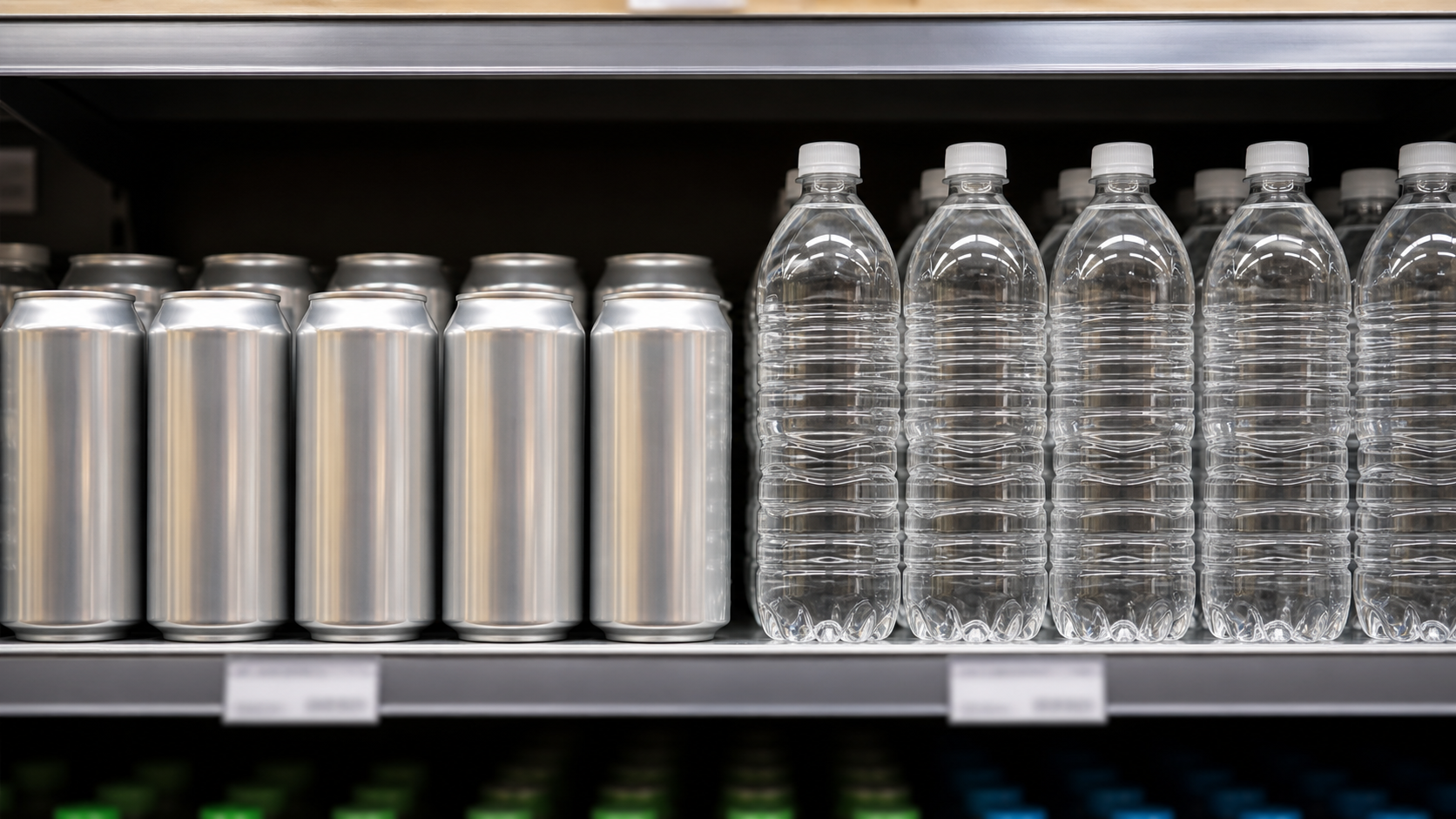
This side-by-side overview summarizes practical differences without assuming a one-size-fits-all winner. Your final choice should be validated against your formula, process and sales channels.
| Dimension | Aluminium can | PET bottle |
|---|---|---|
| Product fit | Widely used for carbonated drinks; also suits still beverages with appropriate processing | Versatile for still and carbonated drinks; sizes and shapes for many categories |
| Oxygen & light barrier | Excellent barrier; opaque and hermetic | Good base barrier; needs closures and/or barrier tech for sensitive products |
| Carbonation handling | Inherently strong; well-proven for CO2 | Engineered PET (thicker preforms/barrier) handles CO2 well |
| Heat processes | Common with tunnel pasteurization; retort-capable formats exist | Hot-fill capable bottle designs exist; aseptic lines widely used |
| Resealability | Not resealable after opening | Resealable closures; sport caps, flip-tops |
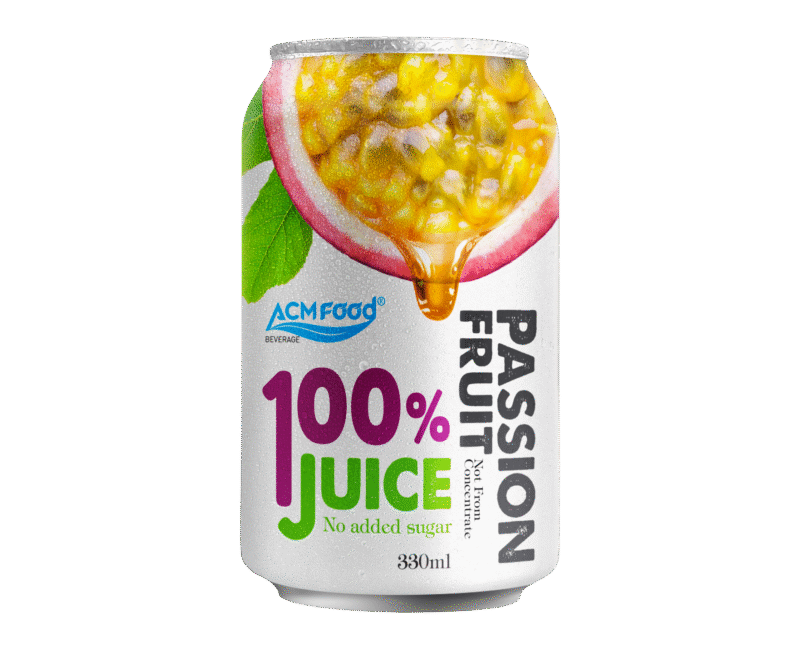
| Decoration | 360° printed body; specialty inks, matte, embossing on ends | Shape-driven branding; shrink sleeve, pressure-sensitive label, direct print options |
| Shelf presence cues | Cold, sleek, modern; strong color blocking | Product visibility if clear; premium cues via shape and labels |
| Shipping efficiency | High cube efficiency in cases; strong stacking | Very light; shape can reduce pallet density vs cans |
| Damage resistance | Dentable but robust | Squeeze/panel risk if thin; generally impact-resistant |
| MOQs & supply | Decorated can MOQs can be high; printed ends add complexity | Sleeves/labels enable lower MOQs; bottle molds vary |
| Sustainability & recycling | Widely recycled where systems exist; high material value | Widely collected in many markets; circularity depends on infrastructure |
| Consumer use cases | Immediate consumption, events, vending | On-the-go, reseal, hydration, family sizes |
Which factors really drive packaging cost?
Cost is driven more by format, decoration, volumes and logistics than by “can vs bottle” alone. At scale, both can be competitive; at smaller runs, label/sleeve PET often lowers entry cost, while printed cans can require higher MOQs and longer lead times.
- Decoration & artwork: Printed cans require plate/ink setups; PET can use shrink sleeves or pressure-sensitive labels to avoid high print MOQs.
- Volume commitments: Higher annual volumes and fewer SKUs improve pricing power for both formats. See the Beverage MOQ guide for Australia.
- Supply availability: Regional can body and end supply, PET preform availability and lead times can swing total landed cost.
- Freight & warehousing: Can cases cube efficiently and stack well; PET saves weight but shape and void space affect pallet density.
- Line efficiency & changeovers: Faster lines and fewer changeovers lower per-unit cost; decoration variation and format changes add downtime.
- Loss & damage: Dents (cans) or scuffs/panels (PET) increase write-offs; packaging spec and handling standards matter.
For Australian routes-to-market, packaging logistics, container loads and retail case specs can have outsized impact. If you target majors vs independents, review store-ready packaging and shelf facings early. Explore format fit in packaging options for Australia.
How does shelf life differ between PET vs can?
Both formats can deliver long, safe shelf life when matched to the product and process. Cans provide excellent light and oxygen protection; PET relies on bottle design, closures and optional barrier technologies to protect sensitive flavors, colors and carbonation.
- Oxygen ingress: Cans are hermetic. PET needs a well-specified closure and, for sensitive drinks, barrier PET or oxygen scavengers.
- Light exposure: Cans block light completely. PET can be tinted, sleeved or fully labeled to reduce light impact on light-sensitive ingredients.
- Carbonation retention: Both can and PET manage CO2 effectively when specified; PET may require higher barrier or preform weight.
- Thermal processing: Tunnel pasteurization is common for cans; hot-fill PET requires heat-set designs. Aseptic lines support both with correct container specs.
- Formula dependence: Acidity, polyphenols, juice content, botanicals, dairy-alternative proteins and sweeteners all influence required barrier and process.
Always verify target shelf life through lab tests and pilot production. If you sell chilled, factor in cold-chain reliability; if ambient, confirm final barrier and closure performance under real distribution conditions.
What filling methods work best for each format?
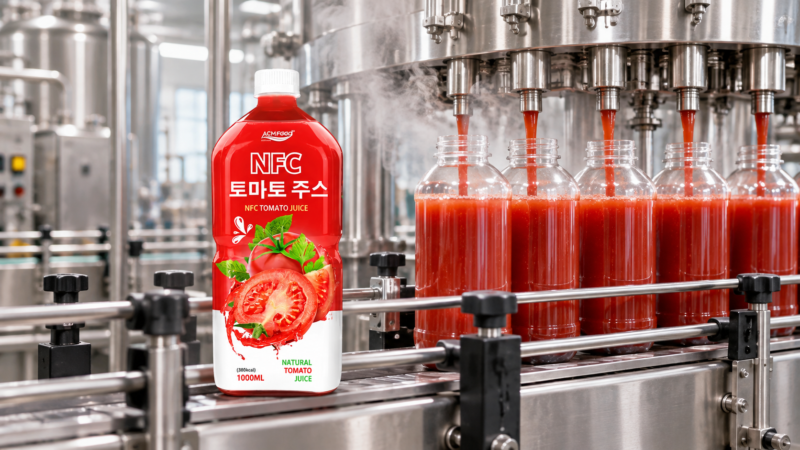
Cans excel in cold-fill for carbonated drinks and work well with tunnel pasteurization. PET offers hot-fill options for still, high-acid beverages and is widely used on aseptic lines for sensitive products; engineered PET also supports carbonates.
- Cold-fill carbonated: Cans are the benchmark. PET for carbonates requires suitable preforms, base design and closures for pressure retention.
- Tunnel pasteurization: Common for cans; check can/end spec and ink systems. PET may require alternative processes.
- Hot-fill: Heat-set PET provides vacuum panels/geometry to handle thermal contraction; typically used for juices and teas.
- Aseptic: Both cans and PET can run aseptic with the right container/closure spec; line access and validation are key.
- Nitrogen dosing: Used for still beverages in cans (and sometimes PET) to improve headspace management and rigidity for distribution.
Which wins for shipping, storage and operations?
Neither format universally “wins”; it depends on your case pack, pallet spec and route-to-market. Cans often maximize cube efficiency in cases and pallet stacks; PET reduces weight per unit but may lose efficiency if bottle geometry creates void space.
- Warehouse density: Regular can dimensions favor tight case packing and stable pallets.
- Transport weight: PET is extremely light; overall freight efficiency depends on cube, stacking and case design.
- Damage & returns: Dents can occur with cans; thin-walled PET may scuff or panel. Protective packaging and handling SOPs matter.
- Retail handling: Cans suit fridge doors, clip-strips and vending. PET suits water sets, family sizes and sport caps.
Which has stronger shelf presence and brand-building potential?
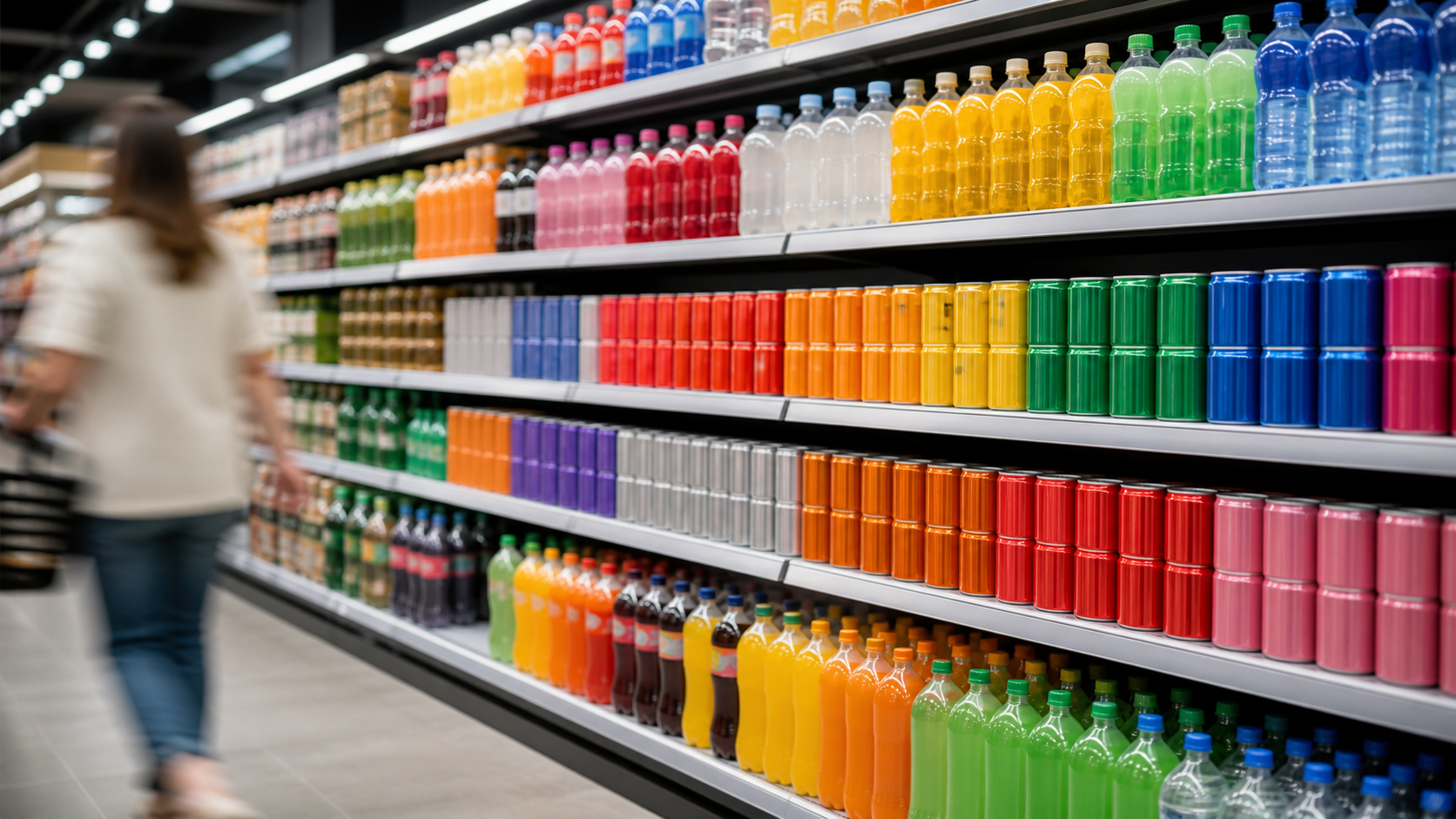
Both formats can be highly premium. Cans deliver bold color blocking and a cold, modern feel; PET differentiates through shape, clarity and label quality. Your brand strategy, visual equities and usage occasions should guide the choice.
- Visual blocking: Cans create strong, uniform color panels that pop from distance.
- Shape & touch: PET offers sculpted forms, ergonomic grips and premium shoulders for distinctiveness.
- Transparency vs mystery: Clear PET shows product cues (pulp, tea hue, carbonation); cans emphasize brand graphics over liquid color.
- Premium finishes: Cans support matte, soft-touch, spot varnish and metallic effects; PET elevates via high-build labels, foil and full sleeves.
- Use-case cues: Cans suggest immediate refreshment (energy, RTD cocktails); PET signals hydration and reseal for on-the-go.
To benchmark competitors and fixtures before you decide, review aisle norms and channel-specific needs in beverage trends in Australia.
What should you consider about sustainability and recycling?
Sustainability performance varies by market infrastructure, recycled content, energy mix and end-of-life outcomes. Both aluminium and PET are widely collected in many regions; packaging design and sourcing decisions strongly influence real-world recyclability.
- Collection systems: Deposit return schemes and curbside programs drive recovery; verify acceptance of your closure and label choices.
- Recycled content: Availability and quality of recycled aluminium and rPET vary by region; secure supply early if it’s part of your positioning.
- Label & ink choices: Sleeve materials, adhesives and inks can impact recyclability; align with local design-for-recycling guidelines.
- Light-weighting: Material reduction helps, but ensure the pack still performs across your supply chain.
- End-of-life clarity: Clear consumer instructions, tethered caps and standardized materials support better recovery.
For channel-specific requirements and retail expectations, see local norms and packaging options for Australia.
When should startups choose cans or PET bottles?
Use these signals to shortlist a direction before you approach co-packers, then validate on line trials.
- Choose cans if you: Focus on carbonated drinks; want bold color blocking; plan for fridge doors, convenience and vending; target single-serve with rapid cold purchase; can navigate can artwork MOQs and lead times.
- Choose PET if you: Need resealability; sell hydration or family sizes; want lower initial decoration MOQs via sleeves/labels; plan hot-fill/aseptic for still beverages; want shape-driven differentiation.
As you scope partners and lines, learn how to choose an overseas beverage manufacturer, and match your volumes to the Beverage MOQ guide for Australia.
Product development checklist
Before locking aluminium can vs PET bottle, align cross-functionally and test.
- Product & process: Confirm carbonation, acidity and any heat/aseptic requirements; pre-validate closures and liners.
- Barrier needs: Define oxygen/light sensitivity; evaluate barrier PET or full sleeves if needed.
- Decoration plan: Decide print vs sleeve/label, finishes, and SKU proliferation; lock dielines and color targets.
- Cost build-up: Model total landed cost across volumes, lead times and write-offs.
- Distribution tests: ISTA-style transit and drop tests; palletization, case strength and chill performance.
- Retail readiness: Check facings, shelf blocking, case dimensions, and planogram fit.
- Regulatory & recycling: Verify label claims, barcodes, deposit marks (if applicable), and design-for-recycling choices.
- Consumer trials: Validate openability, pour, grip, reseal (PET), and perceived coldness (cans).
FAQ: aluminium can vs PET bottle
Are cans always more expensive than PET bottles?
Not always. Total cost depends on volumes, decoration, line efficiency, and logistics. At scale, printed cans can be competitive; at smaller runs, sleeved/labelled PET may reduce entry costs. Model scenarios before committing.
Does PET always have a shorter shelf life than cans?
Not necessarily. Cans inherently block light and oxygen, but PET can achieve strong performance with the right preform, closure and barrier technologies. The formula and process (e.g., hot-fill or aseptic) are decisive.
Can I run the same formulation in both formats?
Sometimes, but many beverages need adjustments to carbonation, preservatives, processing or headspace management when switching formats. Conduct stability and line trials before any scale-up.
Which format is better for Australian deposit schemes?
Both aluminium and PET are generally accepted in deposit return systems where available. Check current state requirements and ensure your label, sleeve and cap choices align with local recycling guidance.
Conclusion
There is no universal winner in aluminium can vs PET bottle. Cans excel in bold shelf blocking and carbonation handling; PET leads on resealability, shape-driven branding and flexible MOQs. Your right answer emerges from product needs, decoration strategy, volume realities and channel requirements—validated by trials and cost modeling.
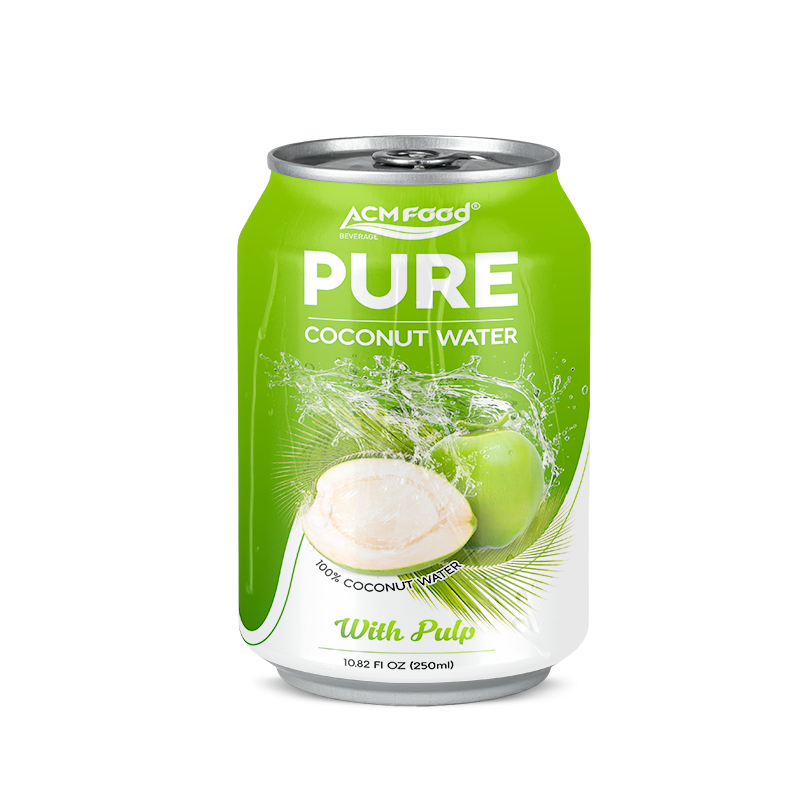
If you plan a high-acid still drink such as coconut water or juice blends, review process and format options early, then explore a relevant supply route like a coconut water supplier Vietnam to understand co-packing choices and line capabilities in your target market.