


 Français
 Español
 العربية
 한국어
한국어Beverage minimum order quantity, often shortened to MOQ, is the smallest commercially viable quantity a manufacturer or co-packer will produce or supply for a given drink, pack format, and artwork. When people search for beverage MOQ Australia, they typically want to understand the practical minimums to launch or scale private label or OEM drinks for the Australian market.
This guide explains what sets MOQs, how packaging, ingredients, process, and freight influence your first order, and realistic ways to reduce or phase volume without sacrificing quality. Because every plant, component vendor, and formula is different, MOQs vary. Instead of quoting numbers that may not apply to your project, this article shows how to scope, question, and negotiate MOQ so you can plan timelines, cash flow, and distribution with fewer surprises.
What does “beverage MOQ Australia” actually mean?
In practice, beverage MOQ in Australia is the lowest total quantity a supplier can run, pack, and release at a viable cost and quality level for a specific SKU, including its format and label version. It is shaped by manufacturing reality (line efficiency and changeovers), packaging component minimums (for cans, bottles, closures, cartons, labels), ingredient purchasing, and logistics to Australia.
Think of MOQ as a stack of interlocking minimums: one for printed or decorated packaging, one for the process step (mixing, thermal treatment, carbonation), one for line time and labor, one for inbound ingredients, and one for outbound freight. The binding constraint is usually whichever layer has the largest or least flexible minimum. MOQ may be quoted per SKU, per flavor, or even per artwork because each label version can trigger separate packaging minimums.
It also helps to separate concepts that are often conflated:
- Production minimum: The least the factory can efficiently make in one run, considering changeover, sanitation, and in-process quality checks.
- Component minimum: The least a packaging or label supplier will sell or print for a single design.
- Shipping minimum: The most economical or practical lot for freight, warehousing, or distribution to Australia.
- Commercial minimum: The quantity at which the price per unit aligns with your target retail and margin strategy.
Which variables drive beverage manufacturing minimum order quantity?
MOQ is determined by the “hardest” constraint among packaging, processing, ingredients, and freight. The exact driver changes by format and supplier, but the mechanism is consistent: the least flexible link in the chain tends to set your floor.
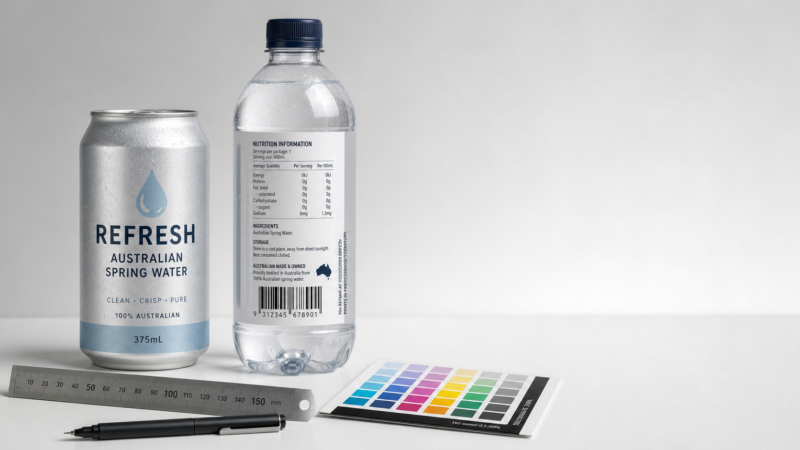
- Packaging components: Unprinted stock items may be ordered in smaller lots, while custom-decorated cans, printed cartons, embossed closures, or specialty glass typically come with higher vendor minimums. Labels using digital print are often more flexible than analog methods that require plates or cylinders.
- Artwork versions: Each flavor or regulatory variant can require its own labels, pre-printed cartons, or sleeves. Even if the liquid is identical, changing artwork introduces separate component minimums.
- Process method: Carbonation, hot-fill, tunnel pasteurization, retort, aseptic, or UHT each has different warm-up, set-up, and validation steps, which are amortized across the run. More complex or slower processes tend to require longer runs to stay cost effective.
- Line efficiency and changeovers: Every stop-and-start for flavor, color, or allergen segregation imposes cleaning and quality checks. Fewer changeovers push MOQ up per SKU; consolidating similar SKUs can help.
- Ingredient procurement: Some functional ingredients, flavors, or concentrates are sold in bulk pack sizes that exceed a small-batch need. Shelf life, temperature control, and minimum buy increments can all drive MOQ.
- Quality assurance routines: Stability studies, shelf-life verification, and in-process sampling consume time and materials. More rigorous regimes can favor longer runs per SKU to spread fixed effort.
- Warehousing and handling: Palletization patterns, carton counts, and the desire to avoid partial pallets may influence effective minimums, even if not strictly technical requirements.
- Freight and delivery plan: Whether you ship full loads, consolidated pallets, or smaller consignments affects landed cost per unit. For Australia, ocean freight cycles, port scheduling, and domestic distribution windows can all shape practical minimums.
If packaging is a major lever for your project, review format trade-offs in packaging options for the Australian market to help you pick components with more flexible supply.
How does packaging choice change MOQ for Australian drinks?
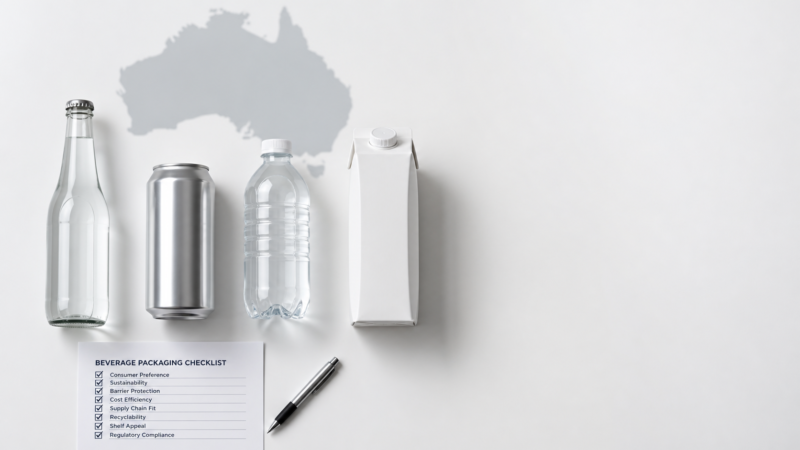
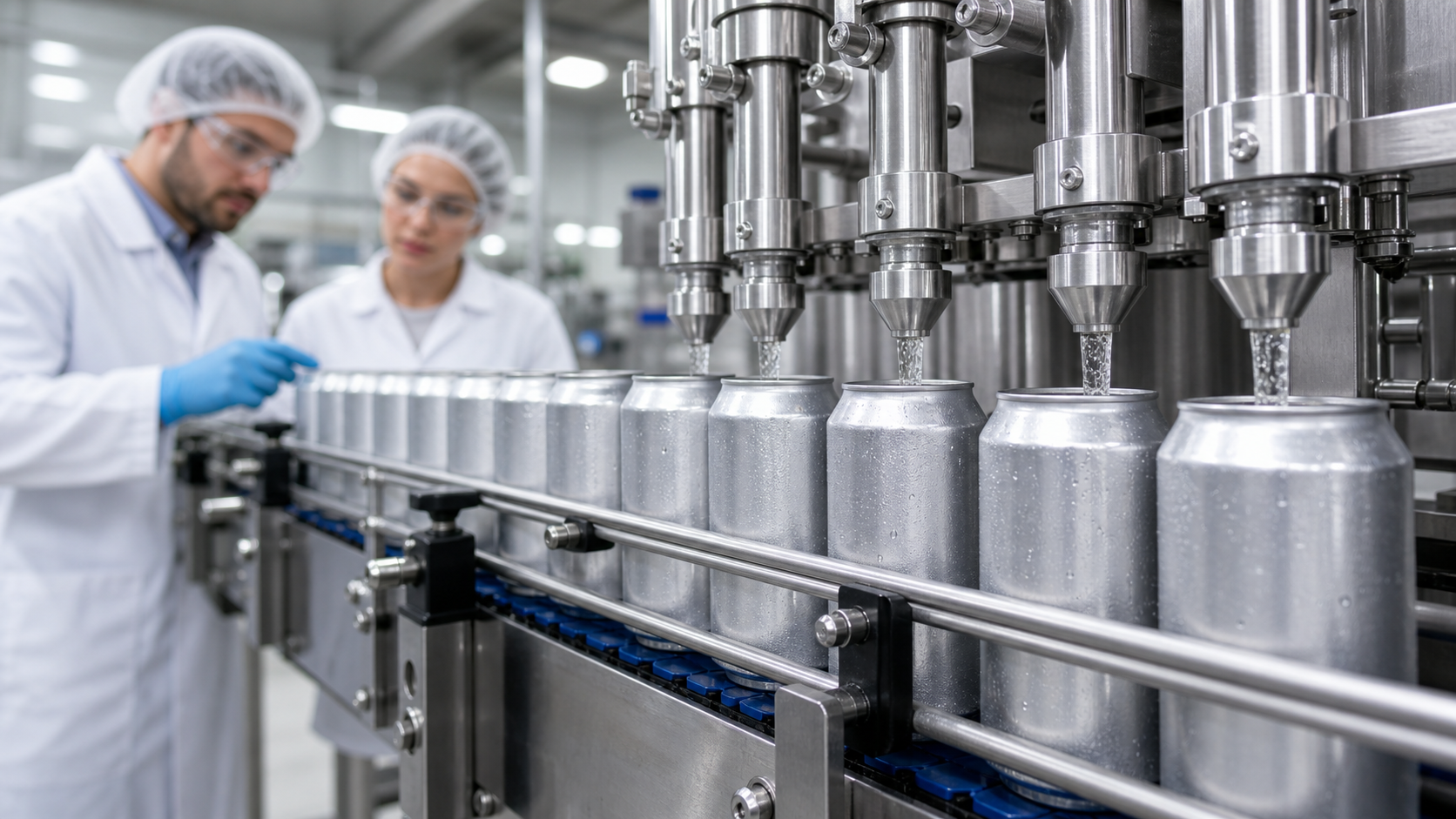
Packaging is often the most visible and inflexible MOQ driver because each format has different supply dynamics and decoration paths. The same recipe filled into an unprinted can with a pressure-sensitive label can have a very different MOQ from the identical recipe in custom-printed cartons or specialty glass.
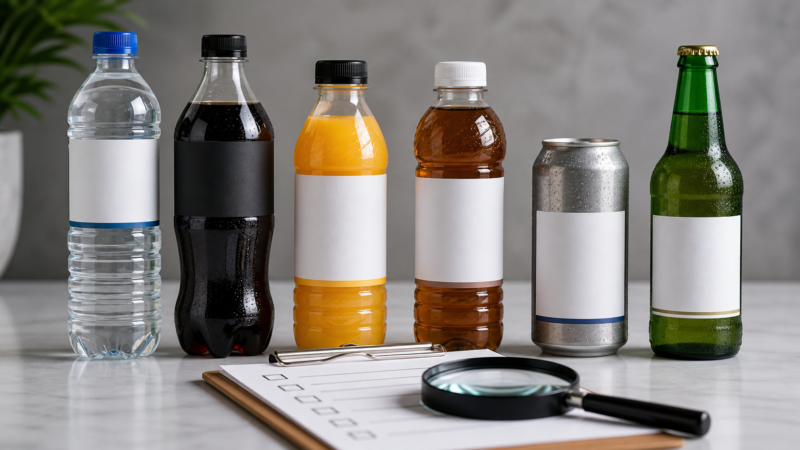
Below is a qualitative view of how common pack formats influence MOQ levers. It is not about exact quantities; it highlights which constraints typically dominate and how you might plan around them. Actual values vary by supplier, process, and your artwork requirements.
| Pack format | Common MOQ drivers | Positioning & notes |
|---|---|---|
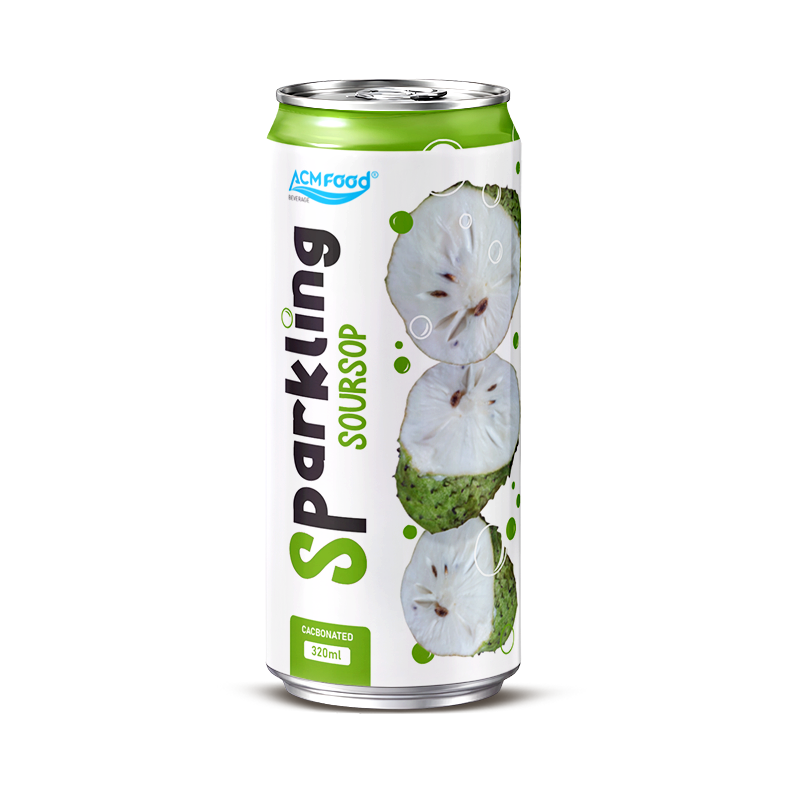
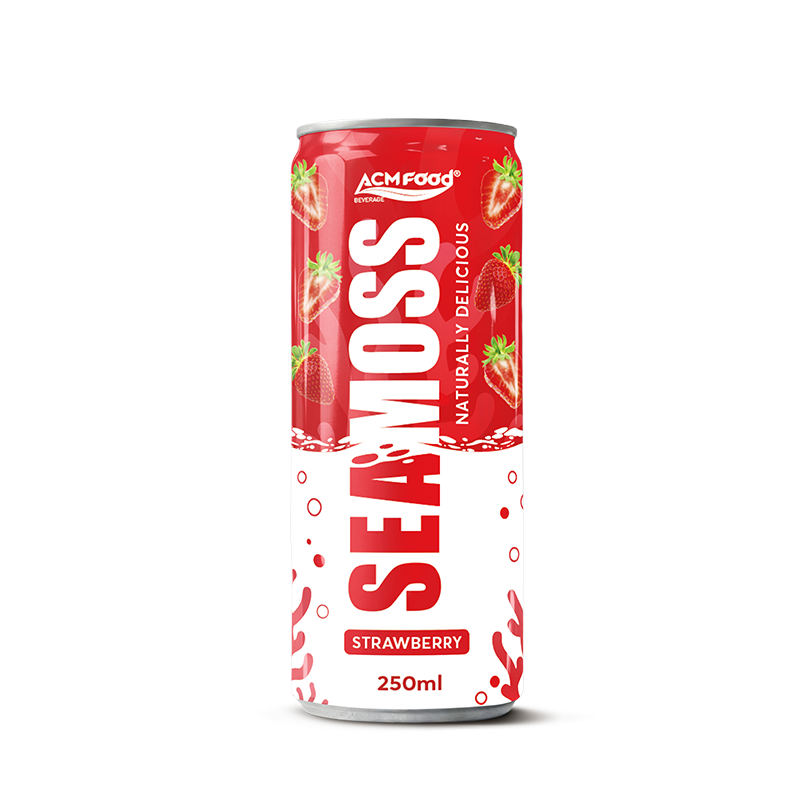
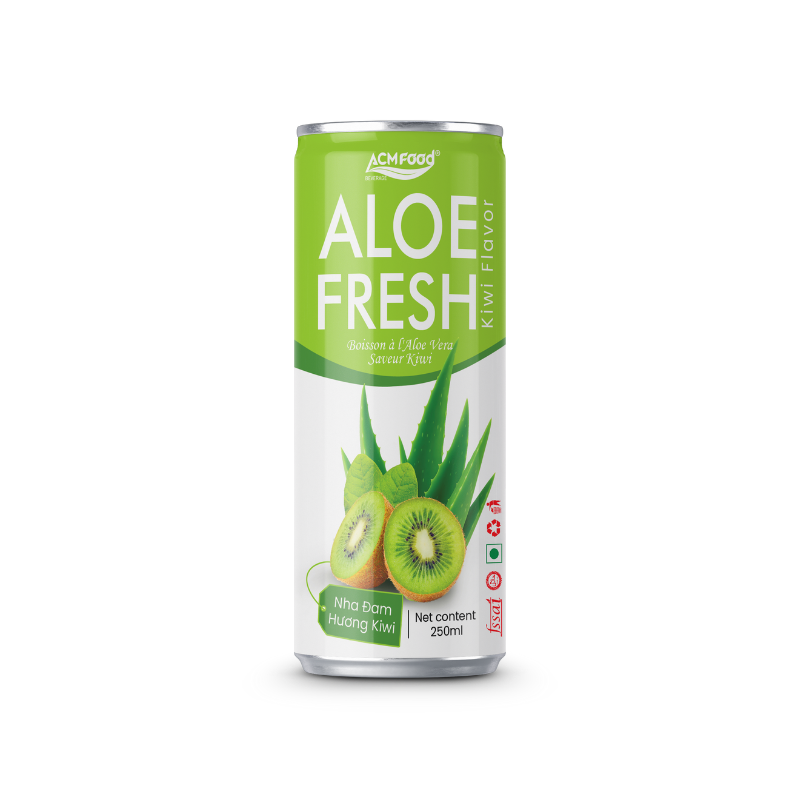
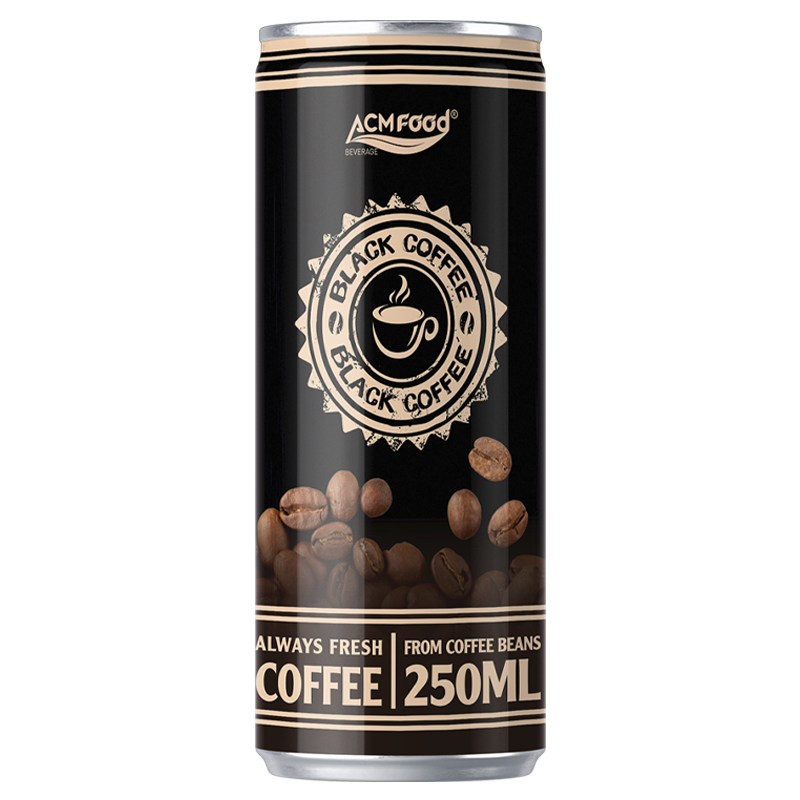
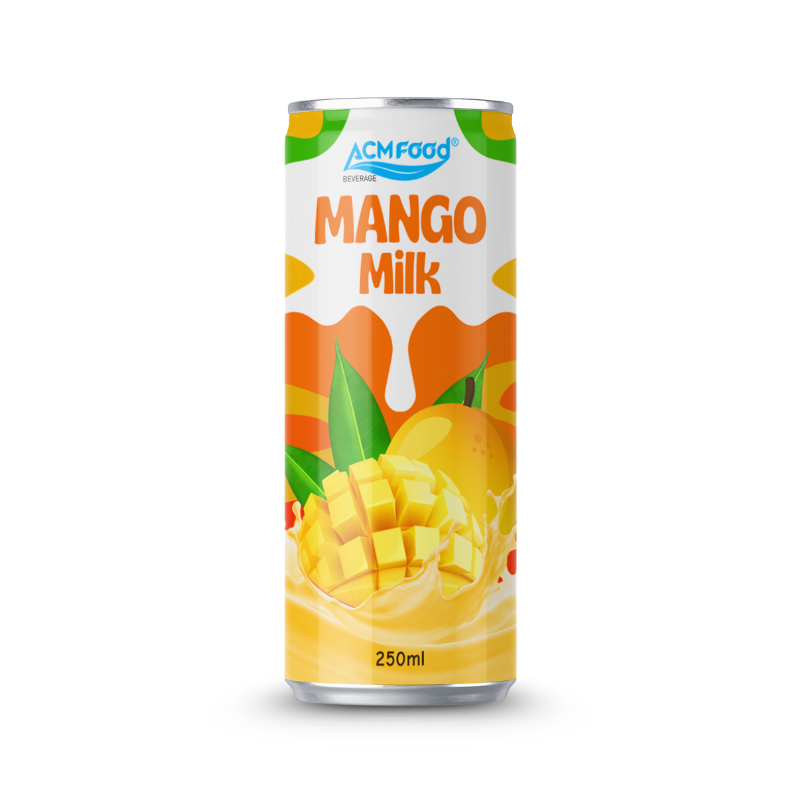
| Aluminium can with label or sleeve | Label print flexibility vs. sleeve lead time; can supply scheduling; line speed | Good for fast-moving SKUs or test markets; labeling can be more flexible than custom can prints |
| Pre-printed aluminium can | Decorated can supplier minimums; artwork plate or cylinder commitments | Lower per-unit packaging cost at scale; less flexible for small flavor counts or frequent refreshes |
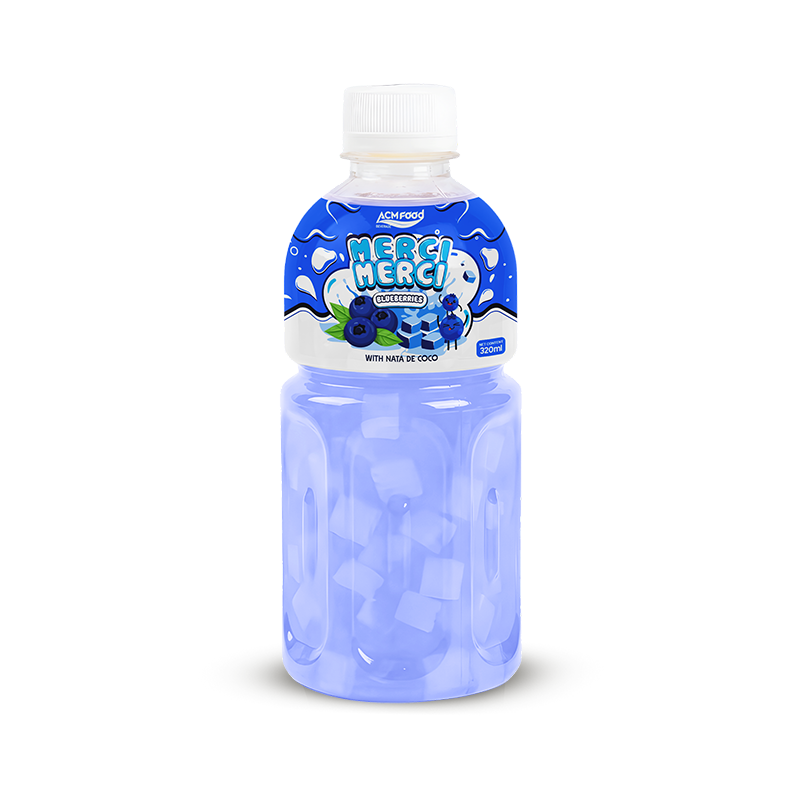
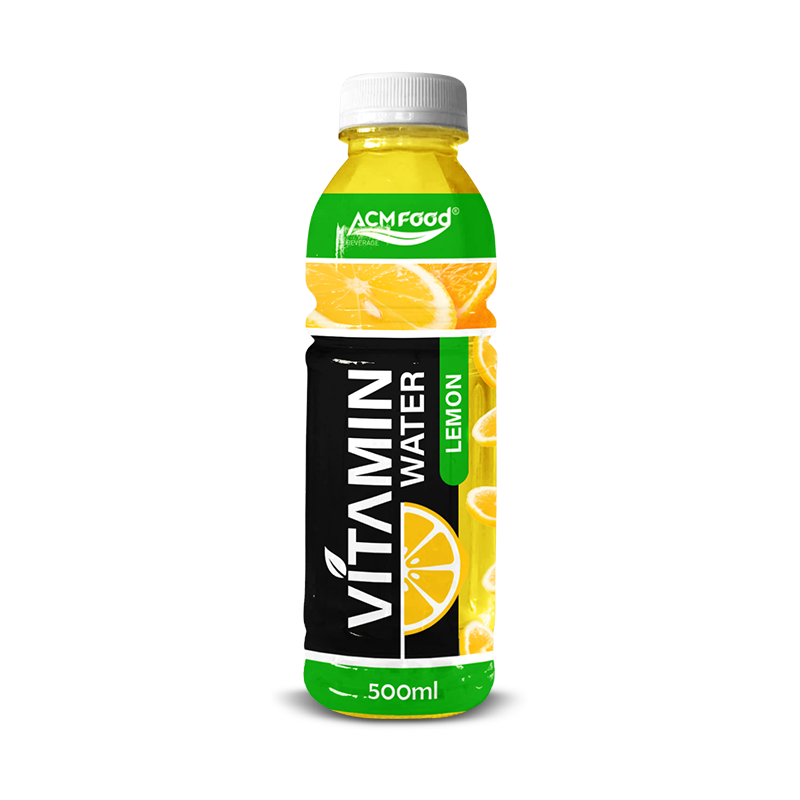
| PET bottle with pressure-sensitive label | Preform or bottle vendor lot sizes; closure supply; label print run | Flexible for flavor counts; bottle and cap color choices can add complexity |
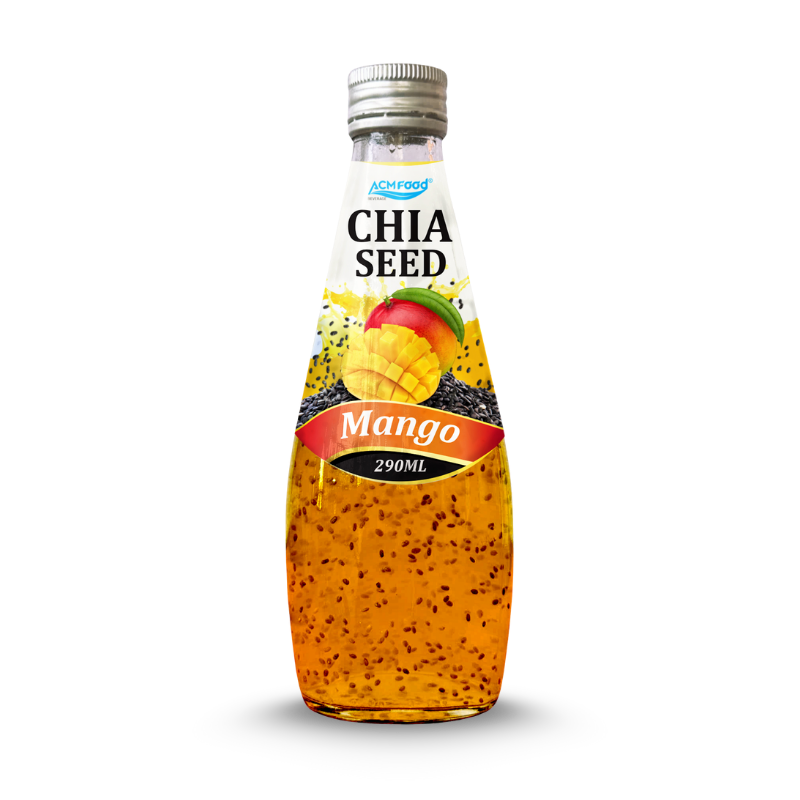
| Glass bottle (printed or labeled) | Glass mold availability; carton and divider supply; breakage control | Premium look; heavier and more fragile; logistics and handling can drive practical minimums |
| Aseptic or long-life carton | Structure and print vendor minimums; specific filling partner windows | Shelf-stable convenience; artwork versions can multiply packaging minimums |
| Bag-in-box or catering pack | Inner bag supply; tap fitment; outer carton printing | Useful for foodservice trials; may reduce consumer packaging complexity |
| Concentrate or syrup (B2B) | Bulk pack sizes; stability; downstream dilution specs | Can de-risk launches by separating formula validation from retail packaging |
Two practical levers frequently help Australian launches manage MOQ:
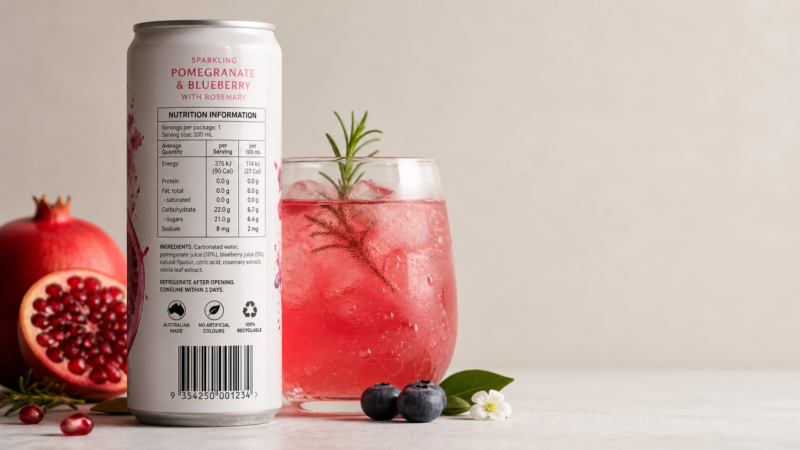
- Use stock or semi-custom components: Off-the-shelf bottles, closures, and unprinted cans paired with labels or sleeves often have more flexible purchasing than fully custom-decorated items.
- Choose digital or other short-run label methods: Where print quality meets your brand standard, short-run methods can cut component minimums and speed artwork iterations.
Are trial orders or pilot runs possible for drinks?
Yes, but the form they take depends on your supplier’s capabilities and the process your formula requires. Trials generally fall into three tiers: benchtop or pilot samples to validate flavor and stability, short commercial runs with flexible packaging to gauge sell-through, and full production tied to long-lead components.
Expect trade-offs: very small runs often come with higher per-unit cost, fewer artwork finishes, and tighter scheduling windows. Clarify what qualifies as a marketable pack (barcodes, date coding, and regulatory labeling), who owns trial components if volumes do not scale, and how future price breaks will apply if you grow. A clear brief and aligned test objectives keep trials focused on learning not just on producing inventory.
Can private label beverage MOQ be lower than custom OEM?
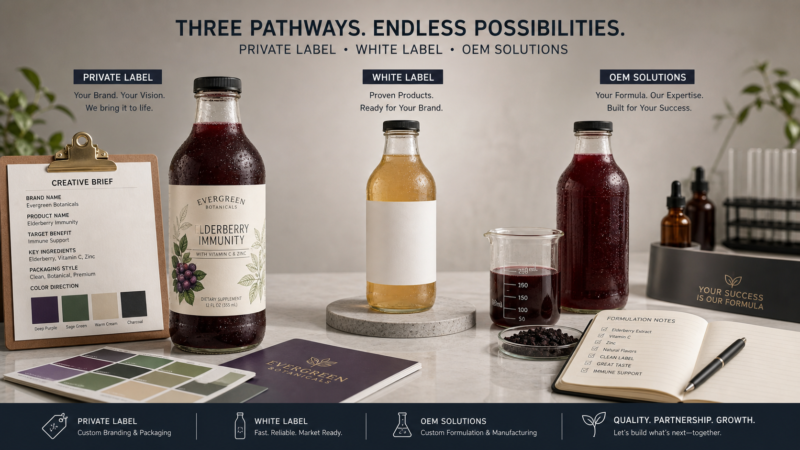
It can be, when you leverage an existing base formula, stocked packaging, and pre-qualified processes. Private label on a supplier’s standard platform may avoid separate stability programs, new certifications, or unique components that push MOQ up.
If you are exploring an OEM path tailored to Australia, consider starting with a platform approach and then customizing step by step. For an overview of development paths and decision points, see OEM beverage manufacturing in Australia. The closer you stay to an established bill of materials and validated process, the more flexibility you generally retain in early runs.
How does shipping to Australia affect MOQ?
Freight does not directly set a technical MOQ, but it does shape what is commercially sensible. Consolidation, transit time, and destination warehousing all influence landed cost and shelf-life planning, which can push buyers toward larger or smaller lots.
Consider the full journey, not just factory gates: pallet configuration, protective packaging, climate considerations, and arrival windows for key retailers or distributors. Decide early whether you will ship consolidated pallets more frequently or larger shipments less often. Align with your storage capacity and cash cycle so the shipment pattern supports your forecast rather than dictating it.
How to reduce or negotiate MOQ without hurting quality
Reducing effective MOQ is less about pushing a single number down and more about making aligned choices across packaging, process, and planning. Here are practical levers:
- Define a tight product brief: Lock flavor, sweetness, acidity, carbonation, and color parameters. Removing guesswork reduces rework and changeovers.
- Use flexible packaging for the first runs: Labels or sleeves on stock formats keep component minimums and lead times manageable while you validate demand. See packaging options for the Australian market to benchmark trade-offs.
- Minimize artwork versions: Consolidate information so one label can serve multiple channels where regulations allow. Fewer versions mean fewer component minimums.
- Batch flavors smartly: Sequence similar flavors or colors together to reduce cleaning and downtime. Share the same closure color across SKUs if brand guidelines permit.
- Leverage supplier stock programs: Ask if the manufacturer holds common bottles, closures, or cartons that can be allocated to your run.
- Plan rolling forecasts: Provide credible three to six month outlooks so suppliers can combine buys and hold capacity. Reliability can unlock flexibility.
- Accept pragmatic trade-offs: If a specific emboss, varnish, or special effect forces a larger component minimum, consider staging that upgrade after market validation.
- Align early with a compatible partner: A manufacturer whose lines, packaging ecosystem, and planning rhythm fit your format will naturally offer more workable MOQs. Explore options with a beverage manufacturer for Australian brands that matches your project scope.
- Secure distribution commitments: Confirm shelf space or partner orders before production. If consolidation is part of your route to market, coordinate with a supplier for Australian importers and distributors to synchronize volumes and delivery windows.
What to confirm in your MOQ quotation and contract
Clarity up front avoids disputes later. When you request quotes or draft terms, capture these MOQ-critical points so everyone works from the same playbook.
- Definition of MOQ by scope: State whether it is per SKU, per flavor, or per artwork. Note any ability to aggregate across flavors with shared labels or components.
- Component breakouts: Document minimums for bottles or cans, closures, labels, cases, and any custom inserts or trays. Clarify ownership and storage of leftover components.
- Decoration method: List the print or label technology used, setup fees if any, and how artwork changes affect repeat minimums.
- Over and under run policy: Agree on acceptable variance, how it will be billed, and whether you can order to a range versus a single figure.
- Quality and testing: Note the required stability checks, retain samples, and any certifications. Confirm who pays for additional testing if specifications change.
- Lead times and windows: Specify component lead times, packaging delivery cutoffs, and factory run windows tied to your forecast.
- Storage and hold fees: Agree on terms for holding excess components or finished goods, and time limits before reallocation or disposal.
- Price curve by volume: Even without exact numbers here, request a structure that shows how unit cost changes as volume steps up in future orders.
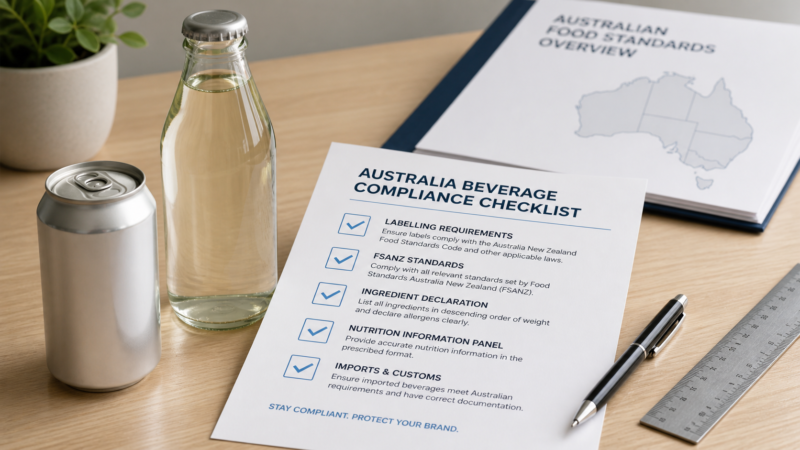
- Labeling compliance: Assign responsibility for regulatory elements, barcodes, and date coding. Confirm how updates are handled without resetting component minimums.
- Claims and artwork approvals: Establish a formal sign-off process so approved content carries through repeat runs without surprises.

FAQ: Beverage MOQ in Australia
Can MOQs be combined across flavors? Sometimes they can when packaging and labels are identical, but each flavor often has its own artwork or allergen controls that prevent aggregation. Confirm what your supplier allows in writing.
Is MOQ driven more by packaging or by the beverage process? It depends on the format. For some lines, packaging component minimums dominate; for complex thermal or aseptic processes, line time and validation can be the binding constraint.
Will switching to digital labels lower my MOQ? Digital or other short-run methods often improve flexibility for early runs, at the trade-off of different cost structures. Validate print quality and lead time against your brand standards.
Can I place a small trial order for retail testing? Many suppliers offer pilot or short commercial runs using flexible packaging. Define test goals, confirm marketable pack requirements, and agree how learnings translate to future volume steps.
What happens if the factory over-runs or under-runs? Most contracts specify acceptable variance and billing. Ask about how partials are handled, whether you can carry components forward, and how make-goods are scheduled.
Does shipping method change my MOQ? Freight does not set a technical minimum, but your shipment plan influences practical lot sizes, cash flow, and shelf-life planning. Choose a pattern that serves your demand curve.
Can private label reduce MOQ versus a new custom OEM formula? It can, if you use an established platform with stocked components and validated processes. Customization can then be phased as demand proves in.
How should I plan for artwork updates without resetting packaging minimums? Batch revisions and aim for shared labels where legal. Maintain a disciplined artwork change process so you do not strand inventory.
Launching or scaling a drink in Australia is easier when MOQ is treated as a design constraint from day one. By choosing flexible packaging, staging customization, and aligning production with your forecast and route to market, you can make “beverage MOQ Australia” work for your cash cycle and brand goals. For deeper format trade-offs, review packaging options for the Australian market, and if you need a development partner, explore beverage manufacturer for Australian brands and OEM beverage manufacturing in Australia for process overviews aligned to private label and custom projects.
Manufacturing for Australian brands
If you are sourcing for the Australian market, start with OEM beverage manufacturing for how contract production is structured, certifications and food safety systems for the evidence importers and retailers require, and export and logistics for shipping terms and documentation. To price a programme, request a quote.
Request a quoteWhere to go next
Planning an Australian launch? The Australia beverage market page covers the full OEM and private label programme for Australian brands and importers: MOQ 500 cartons per SKU, 15-30 day production, HACCP / ISO 22000 / FSSC 22000, and shipping from Ho Chi Minh City. Request a quote and we reply within 24 hours.