


 Français
 Español
 العربية
 한국어
한국어Beverage fortification is the targeted addition of vitamins and minerals to ready-to-drink (RTD) beverages to meet defined nutrition goals and product positioning. The right approach depends on beverage matrix, processing, packaging, shelf-life, and market-specific labeling rules.
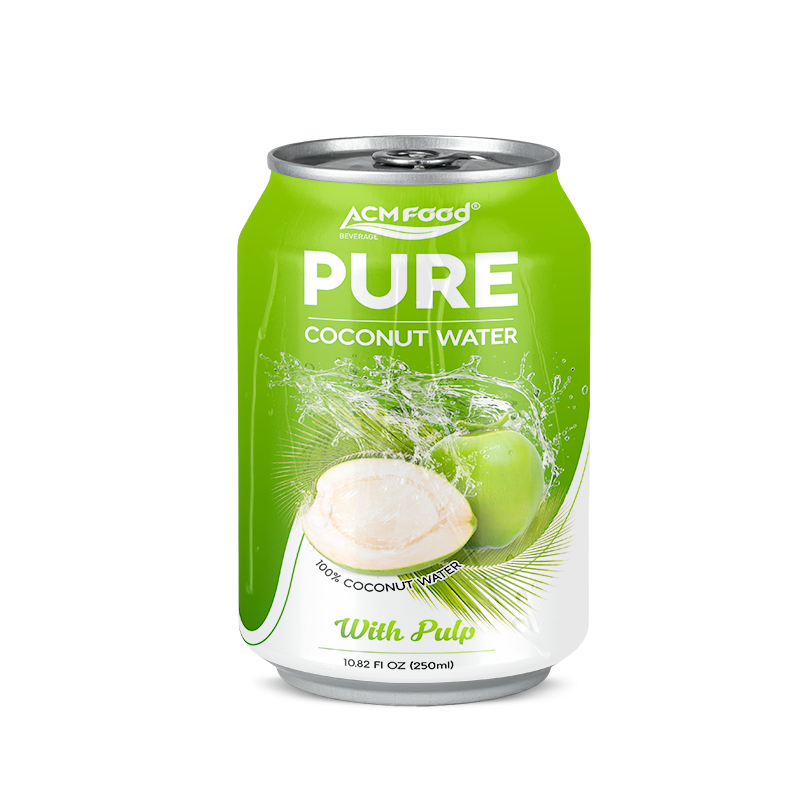
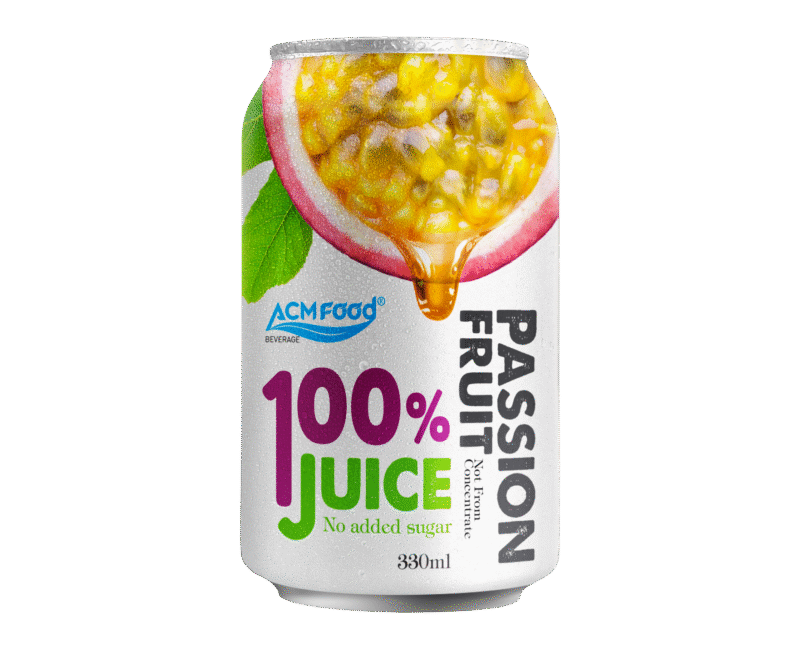
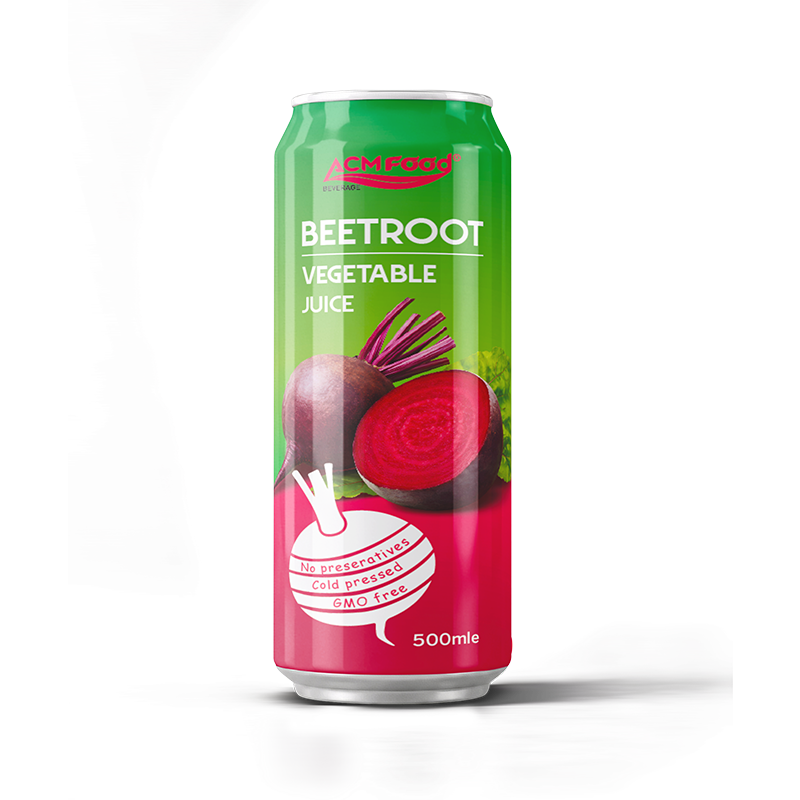
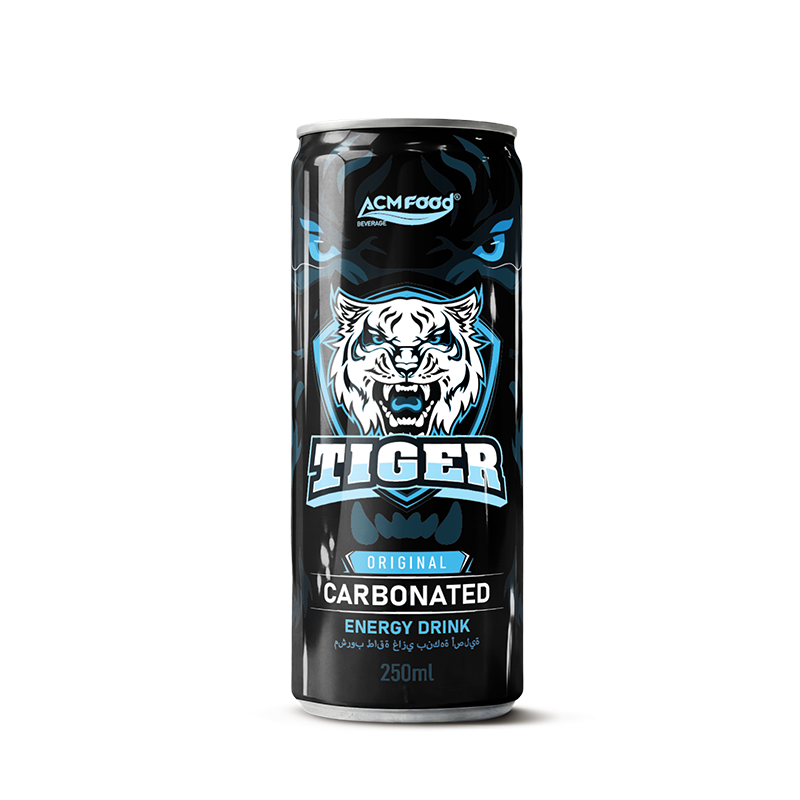
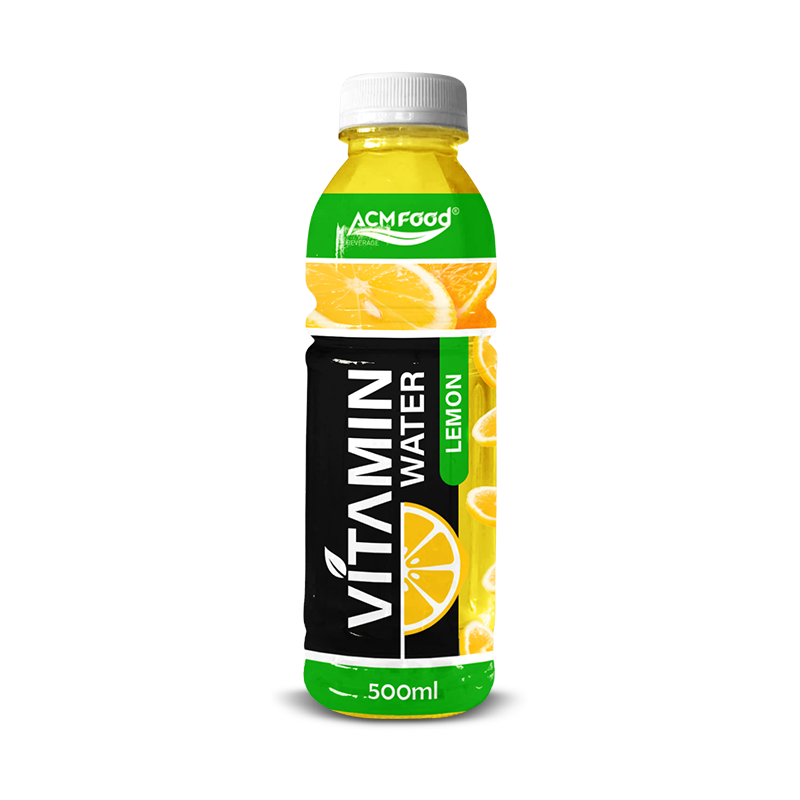
From concept to commercialization, teams must balance efficacy, sensory acceptance, cost, and compliance. At ACMFOOD, our concept library includes 4 Vitamin-Enriched and 12 Nutrient-Rich SKUs, and our work routinely addresses overage, vitamin stability over shelf life, and the claim limits permitted by each destination market.
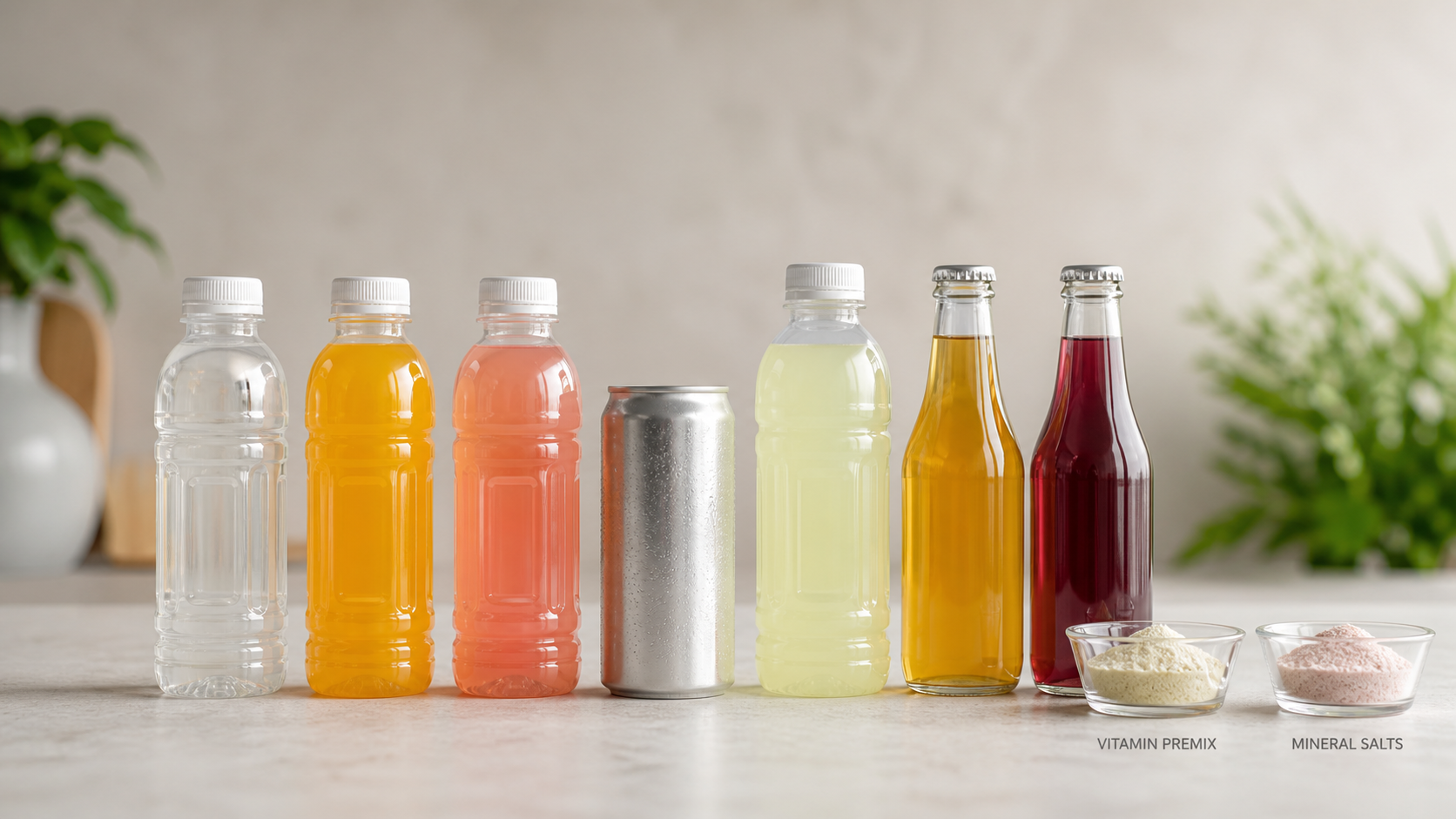
What is beverage fortification in RTD drinks?
Beverage fortification means selecting and dosing vitamins and minerals so that the finished drink consistently delivers the intended nutrient content through shelf life without compromising taste, clarity, color, or safety. It is a data-driven process that must align with processing conditions and local labeling regulations.
In practice, teams define nutrition targets per serving, choose suitable nutrient forms, account for processing losses and storage degradation, set a justified overage, validate with stability data, and label according to market rules. Done well, fortification can turn a conventional refreshment into a credible functional drink—while staying within regulatory and sensory guardrails.
Which vitamins and minerals are commonly used, and why?
Most RTD projects focus on consumer-familiar nutrients that are compatible with the beverage matrix and process. Choices are guided by stability, solubility, bioavailability considerations, sensory impact, and the claims permitted in the target market.
- Water-soluble vitamins (e.g., vitamin C, B-complex): widely used for their solubility and consumer familiarity. Some are sensitive to heat, light, and oxygen. Encapsulation or careful processing can help manage loss.
- Fat-soluble vitamins (A, D, E, K): typically require emulsification or solubilized forms for clear beverages. Packaging and light protection are important for stability.
- Minerals (e.g., calcium, magnesium, zinc, iron, potassium): selected for nutrition goals and sensory fit. Chelated or organic acid salts (such as citrates, gluconates, lactates) are often favored for taste and solubility in acidified RTDs.
Importantly, the presence of a nutrient alone does not guarantee a health effect. Any front-of-pack messaging and back-panel claims must reflect the final, tested formula and the applicable regulations in the sale market.
How do formulation variables affect vitamin and mineral stability?
Stability is influenced by heat, light, oxygen, pH, water activity, and interactions with other ingredients and packaging. Managing these factors is essential to ensure the on-label nutrient content remains accurate through shelf life.
- pH and acidity: Many RTDs are acidified; low pH can help protect some nutrients while accelerating loss for others. Acid choice (citric, malic, phosphoric) also affects taste and chelation.
- Thermal load: Pasteurization, hot-fill, tunnel pasteurization, or aseptic HTST/UHT each impose different stress. Sensitive vitamins may need adjusted dosing, microencapsulation, or post-pasteurization addition (where permitted).
- Light exposure: Certain vitamins are light-sensitive. Amber glass, opaque cans, or UV-blocking PET can reduce light-induced degradation.
- Oxygen management: Dissolved oxygen catalyzes oxidative loss. Deaeration, nitrogen dosing, tight closures, and oxygen-scavenging strategies support vitamin retention.
- Ionic interactions: Minerals can interact with acids, polyphenols, and proteins, influencing solubility, clarity, and color. Sequestrants and properly chosen mineral forms can help.
- Sweeteners and polyols: Changes in osmolarity and matrix composition may influence solubility and perceived astringency of mineral salts.
- Packaging barrier: Oxygen and light barriers, headspace, and closure integrity all contribute to retaining sensitive vitamins over time.
How to choose and work with a vitamin premix
A vitamin premix simplifies weighing, reduces handling time and error, and supports lot-to-lot consistency. The premix composition should reflect your processing, matrix, target markets, and shelf-life expectations.
- Define targets by serving size: Align with intended claims and local regulations. Confirm what is permissible for a functional drink in each market.
- Specify carriers and flow aids: Choose carriers that disperse well in your matrix and meet dietary preferences (e.g., suitable for vegetarian or other dietary standards where applicable).
- Particle engineering: Particle size, density, and (if used) microencapsulation affect dispersibility, sedimentation, and interactions with flavors and colors.
- Thermal strategy: Decide whether to dose before heat treatment, post-pasteurization, or via an in-line addition system compatible with quality controls.
- Built-in overage: Confirm whether overage will be included in the premix or accounted for in the master formula. Either way, justify it with data.
- Documentation: Require certificates of analysis (COAs), allergen statements, specification sheets, and shelf-life guidance for each premix lot.
Mineral fortification without compromising taste
Mineral fortification is often limited by taste, clarity, and mouthfeel rather than by chemistry alone. Selecting the right salt form and dose, pre-dissolution steps, and use of complementary acids and flavors can preserve sensory quality.
- Salt forms: Organic acid salts (e.g., citrates, gluconates, lactates) are commonly chosen in acidified RTDs for better solubility and milder taste than some inorganic forms.
- pH & chelation: The beverage pH and presence of chelating acids affect solubility and precipitation risk. A short solubility screen at bench scale helps de-risk.
- Clarity & color: Minerals can haze or darken polyphenol-rich bases (tea, fruit). Filtration strategy, sequestrants, or selecting alternative forms may help.
- Taste modulation: Flavor architecture, natural flavor modulators, and sweetener choice can soften mineral astringency or saltiness.
- Consumer expectations: A lightly cloudy appearance may be acceptable in smoothies or dairy-alternative bases, while clear sodas demand stricter solubility control.
Overage: what it is and how to set it
Overage is the intentional addition of a small extra amount of a nutrient to compensate for expected losses during processing and storage so that the labeled amount remains true at end of shelf life. It should be justified by data and remain within applicable regulatory limits.
- Characterize losses: Use pilot and (where relevant) accelerated studies to measure process loss and in-pack decline under intended storage.
- Set a defensible buffer: Calculate overage to bridge the gap between day-0 and end-of-life targets, considering analytical variability and production tolerances.
- Respect limits: Ensure the initial dose does not exceed market-specific maxima or trigger unintended claim categories.
- Reconfirm with validation: Verify the approach with real-time stability on production lots, and adjust if needed.
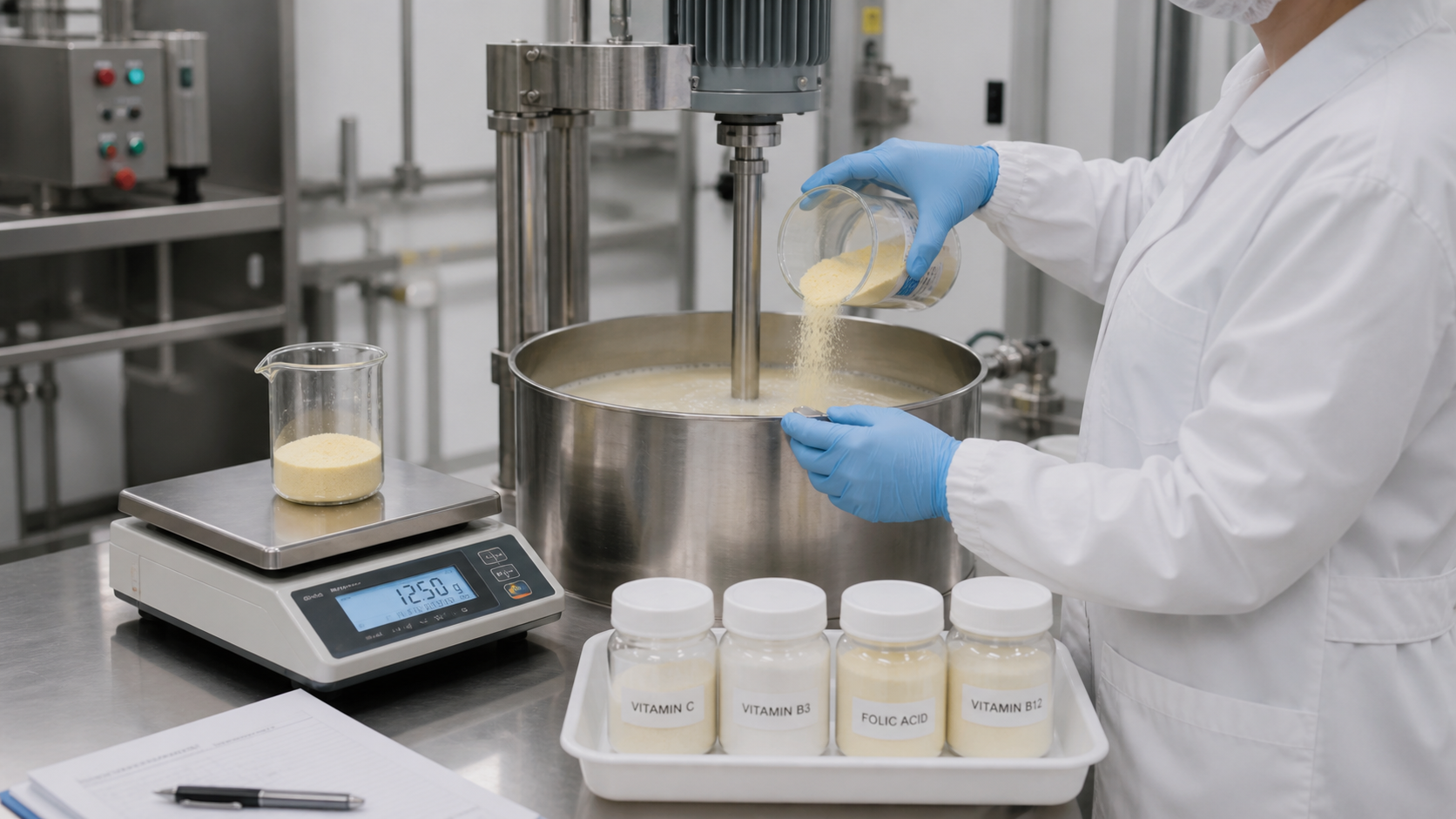
Processing and packaging choices for fortified RTDs
Processing and packaging strongly influence nutrient retention and claim integrity. Select a thermal regime and pack that suit your nutrient set, then confirm with stability data.
| Process | Typical matrices | Fortification notes | Packaging considerations | Positioning & notes |
|---|---|---|---|---|
| Cold-fill carbonated | Flavored sparkling waters, sodas | Manage dissolved oxygen; choose soluble, taste-neutral mineral salts; consider light-sensitive vitamins | Aluminum cans or UV-protected PET; tight closure, low O2 | Crisp refreshment; clarity critical; subtle nutrition cues |
| Hot-fill / tunnel pasteurization | High-acid juices, teas | Account for heat loss; consider encapsulated or more stable vitamin forms; clarify mineral compatibility | Glass or heat-rated PET; evaluate light barrier for sensitive vitamins | Widely used for shelf-stable functional drink lines |
| Aseptic HTST/UHT | Protein drinks, dairy alternatives, select juices | Short-time high-temp can retain some vitamins if oxygen is controlled; dose strategy and overage are key | Aseptic-compatible packs; strong oxygen barrier and closures | Premium shelf-stable positioning with clean sensory |
| Retort | Specialty beverages in cans/bottles | High thermal load; select robust nutrient forms; expect higher overage if permitted | Metal cans or retortable pouches; strong barrier to light and O2 | Extended shelf life; consider claim feasibility post-process |
Regardless of the platform, minimize oxygen pickup, confirm line-loss factors for sensitive nutrients, and choose packs that protect against light and oxygen. Nitrogen dosing, UV-blocking materials, and validated closures all support label accuracy through shelf life.
Quality control and validation
Fortification success is verified—not assumed. A structured QC plan ensures that on-label amounts are met on day 0 and at end of shelf life.
- Incoming checks: COAs for premixes and minerals, identity checks, and storage conditions.
- In-process controls: Mix uniformity, dosing accuracy, pH, Brix, dissolved oxygen, and temperature profiles.
- Finished product assays: Third-party or in-house assays for key vitamins/minerals against specifications.
- Stability program: Real-time and, where helpful, accelerated storage to confirm label compliance over time.
- Documentation: Specifications, batch records, and retention samples to support audits and market entry.
Labeling, claims, and market differences
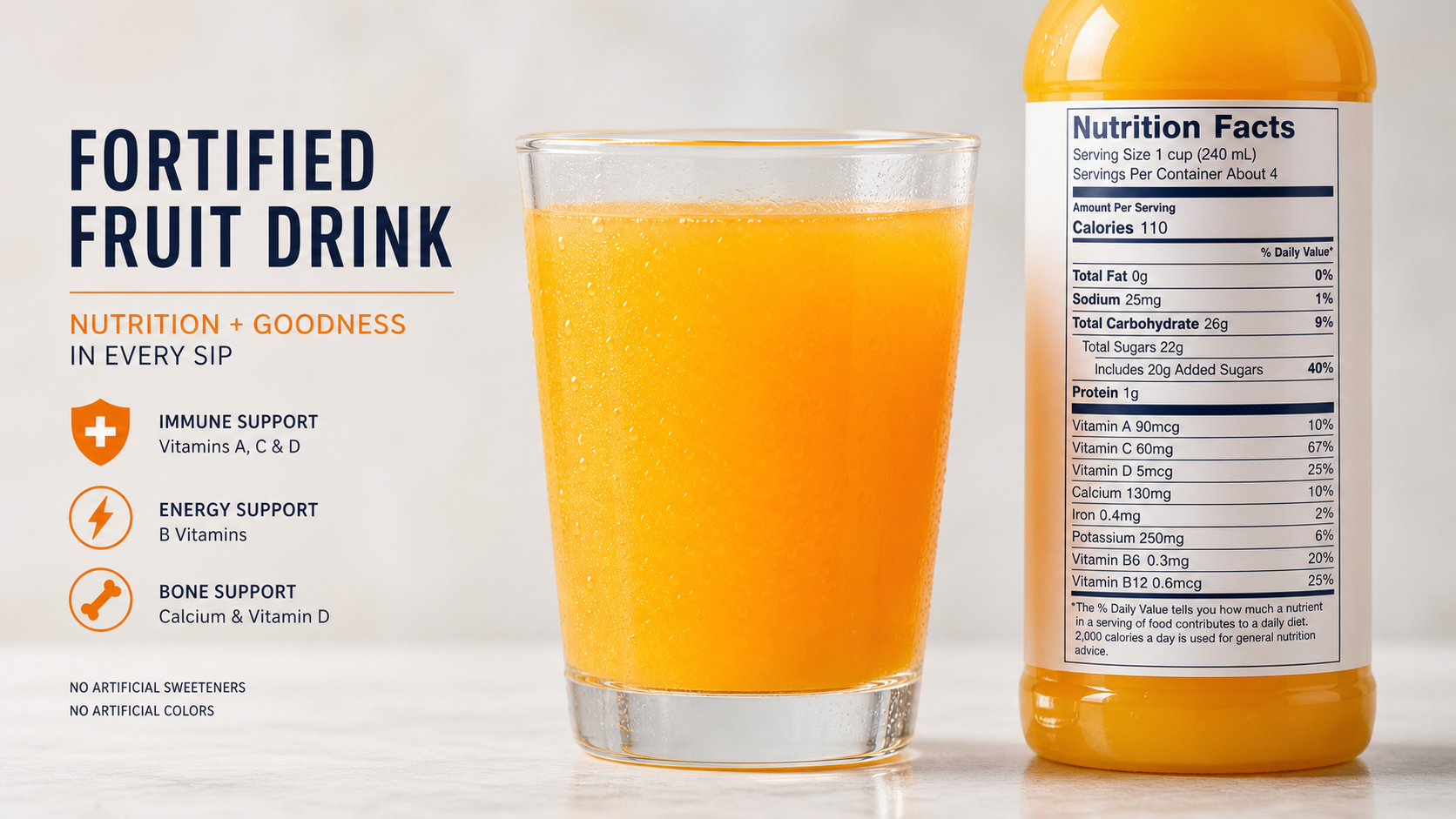
Claim language and label formats vary by country. Ensure serving size, percent of daily values, and claim thresholds align with each market’s rules, and remember that permissible claims depend on the final tested formula.
- For U.S. launches, align with the Nutrition Facts Label for beverages in the U.S. and confirm any statement you plan to print is supported by assays and allowed phrasing.
- Use a comprehensive checklist before printing or exporting. See the U.S. Food Label Checklist for Imported Beverages.
- For Australia & New Zealand, prepare an NIP consistent with local rules. See How to prepare an Australian Nutrition Information Panel for beverages.
- Choose the right product category and positioning so consumers understand what they are buying. Our overview of categories in Types of Beverages: popular drink categories can help frame early decisions.
Always verify claims, serving sizes, and voluntary versus mandatory nutrients for each destination market. If in doubt, plan a pre-clearance step with regulatory counsel.
Product development workflow: de-risking fortification
Use a stepwise approach to reduce surprises late in the project.
- Define the brief: Nutrition targets per serving, permitted claims by market, sensory guardrails, pack format, and shelf-life goals.
- Select nutrient forms: Based on matrix, process, pH, clarity, and taste. Shortlist with bench screens for solubility and flavor.
- Design overage: Estimate process and storage loss; set a justified buffer within regulatory limits.
- Prototype and taste: Multiple rounds to optimize flavor, sweetness, acid balance, and mouthfeel with the fortification system in place.
- Pilot & validate: Confirm line losses, mixing uniformity, and in-pack stability. Start real-time shelf-life studies.
- Regulatory check: Review label format, serving size, and claim language for each target market.
- Scale-up & QC: Finalize specifications, COA requirements, and release testing.
Information for beverage brands and buyers
If you plan to co-manufacture a fortified RTD, align early on process, pack, and QC. For U.S.-destined programs, see our pages on Beverage Manufacturing for U.S. Brands and OEM beverage manufacturing for U.S. buyers to understand typical expectations and documentation. ACMFOOD’s concept portfolio currently spans 4 Vitamin-Enriched and 12 Nutrient-Rich SKUs; final labeling and claims always depend on the finished formula, verified nutrient levels, serving size, and local regulations.
FAQ
Do I need a vitamin premix or single-ingredient additions?
Premixes reduce handling error and simplify QC, especially for multi-vitamin targets. Single-ingredient dosing can work for narrow targets or when you need maximum flexibility, but requires strict weighing controls.
Can I fortify carbonated soft drinks?
Yes, provided you manage oxygen and light, use soluble and taste-appropriate forms, and validate stability in the carbonated matrix and chosen pack (often cans or UV-protected PET).
Are natural-source vitamins better than synthetic for RTDs?
“Better” depends on availability, stability in your process, cost, and local labeling rules. Choose the form that meets your formulation and regulatory needs and validate with data.
How do I avoid mineral precipitation in clear beverages?
Screen mineral salt forms at your target pH, use compatible acids and sequestrants where allowed, control concentration and temperature of addition, and confirm clarity over shelf life.
What distinguishes a functional drink from an enriched beverage?
Both contain added nutrients, but a functional drink is typically positioned around a specific consumer use occasion or benefit theme, within the claims allowed by the market and supported by the final tested formulation.
In summary, successful beverage fortification starts with clear nutrition targets, the right nutrient forms, and a defensible overage—then is proven by stability and compliant labeling. If you are exploring an OEM route or need support for a fortified RTD brief, our team can help align formulation, processing, and market requirements from the outset.