Product Specifications
Acidity as a Positioning Tool
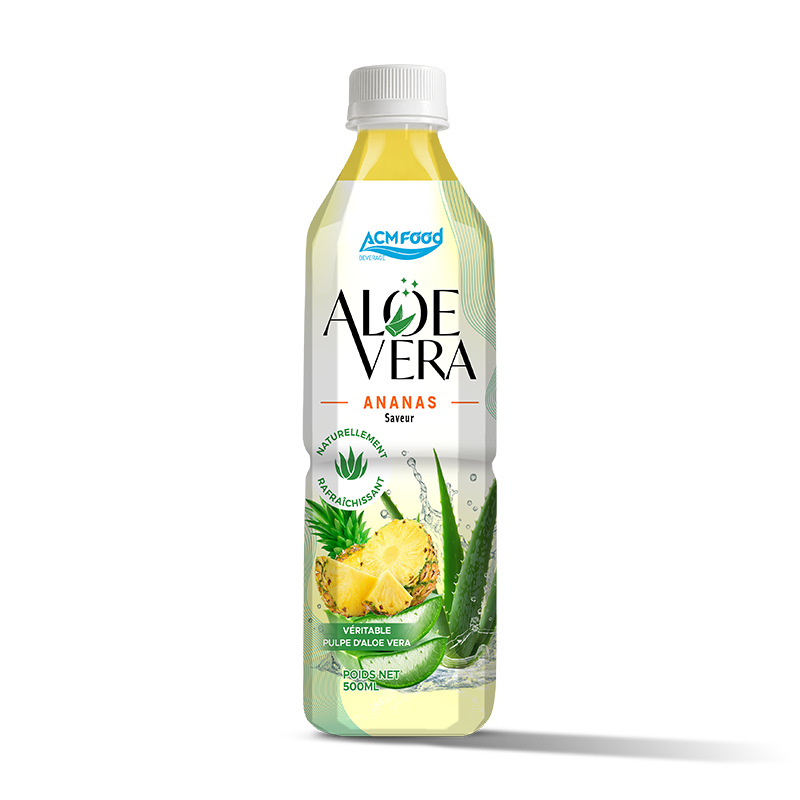
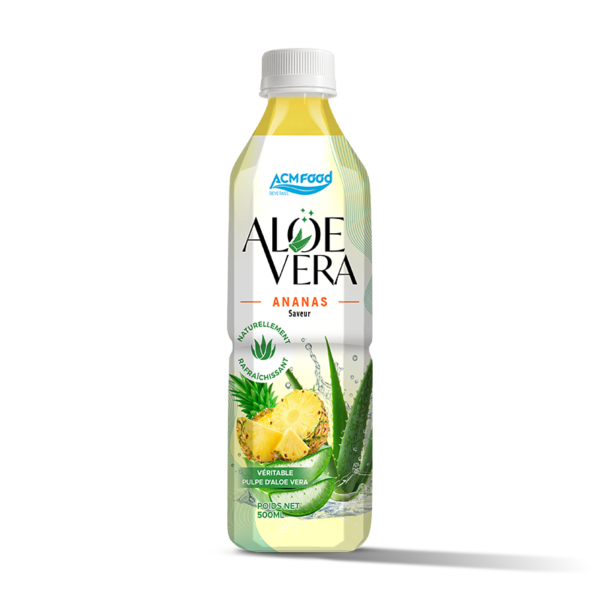
Pineapple is the most acidic flavour in this range, and that is the point. Higher acidity shortens the sweet finish, which makes the drink feel lighter and more thirst-quenching — a meaningful difference in tropical and Gulf markets where aloe vera competes directly against flavoured water. It is also the variant that performs best served over ice in foodservice.
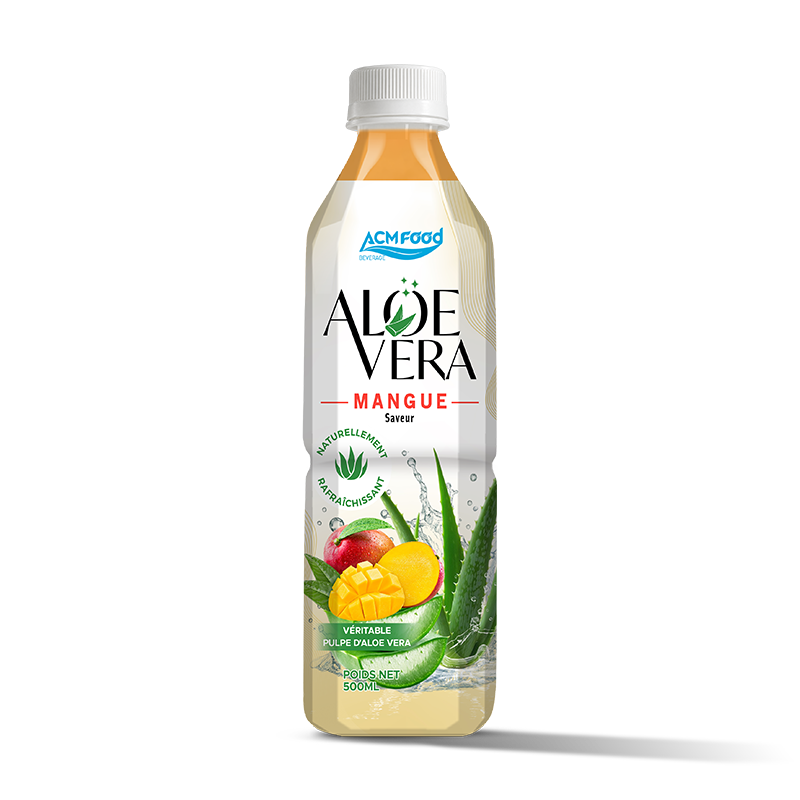
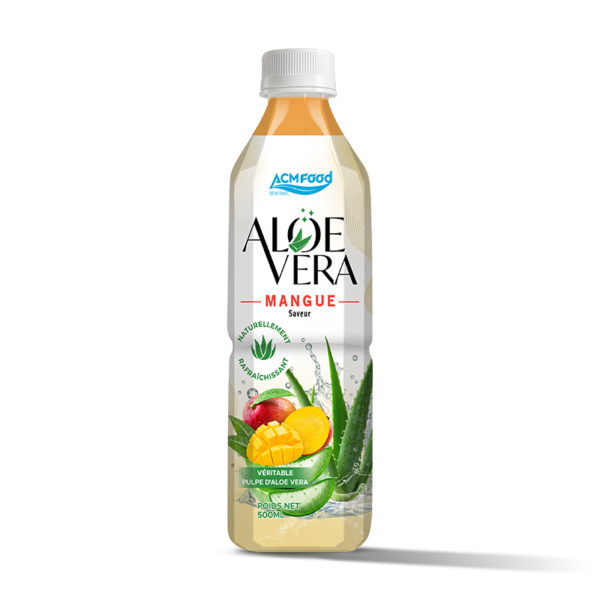
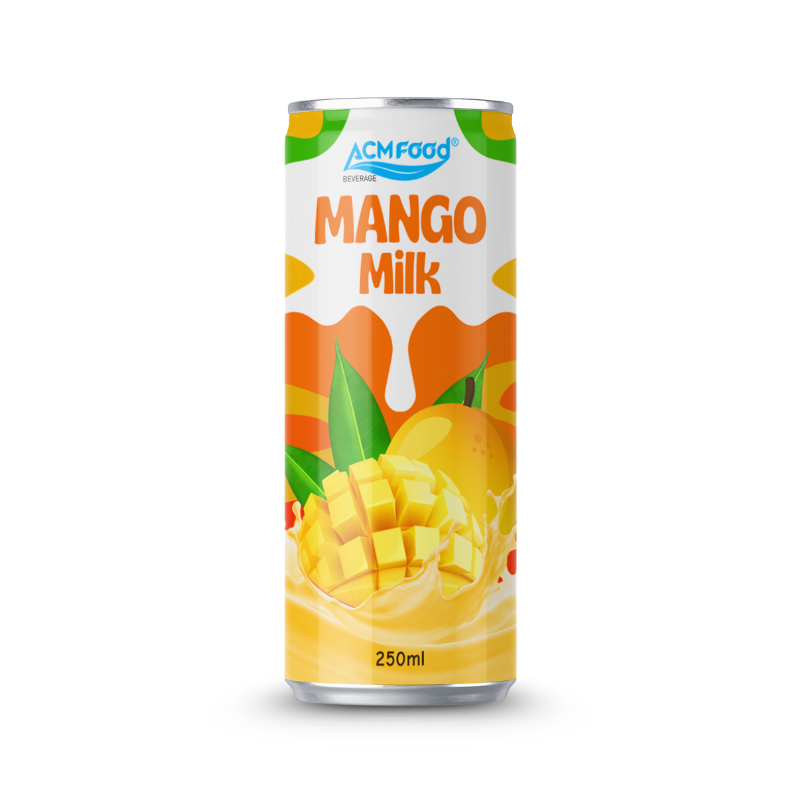
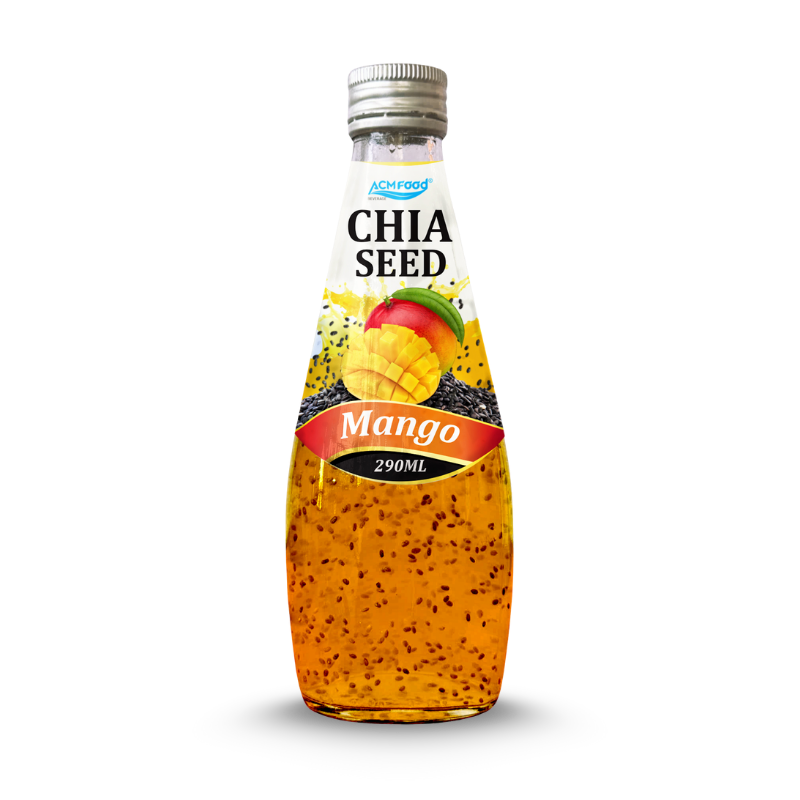
Ranged next to a sweeter profile such as mango, it gives a shelf two clearly distinct taste positions rather than two near-identical ones.
Stability Considerations
A lower pH changes how the pulp behaves, so the stabiliser system is adjusted specifically for this variant to keep the cubes firm and evenly suspended rather than breaking down over time. This is formulation work that carries over to any acidic fruit a partner later wants to add to their range.
Format and Export Handling
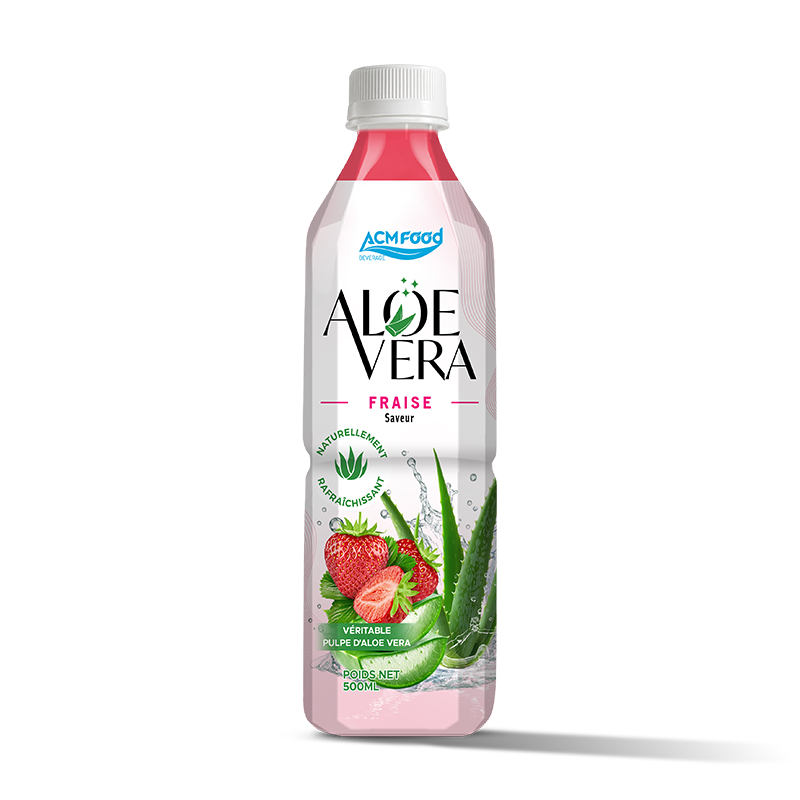
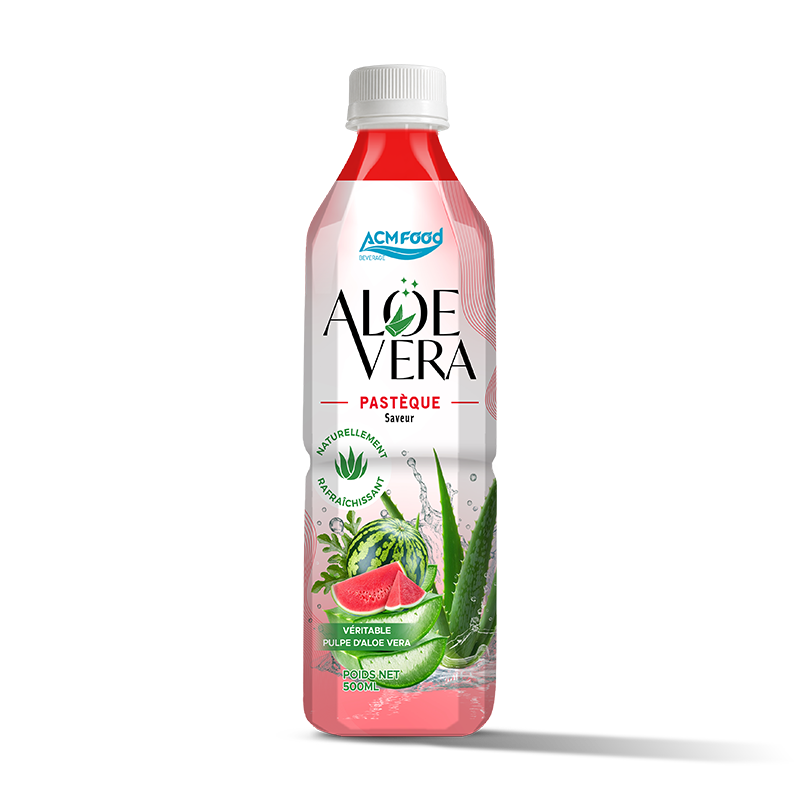
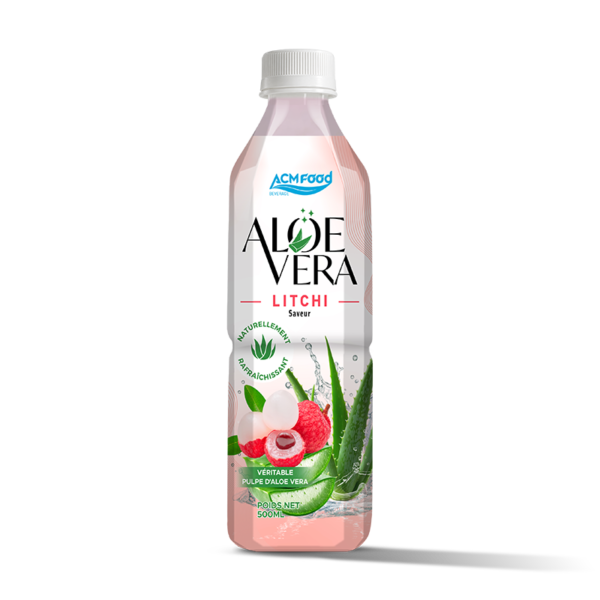
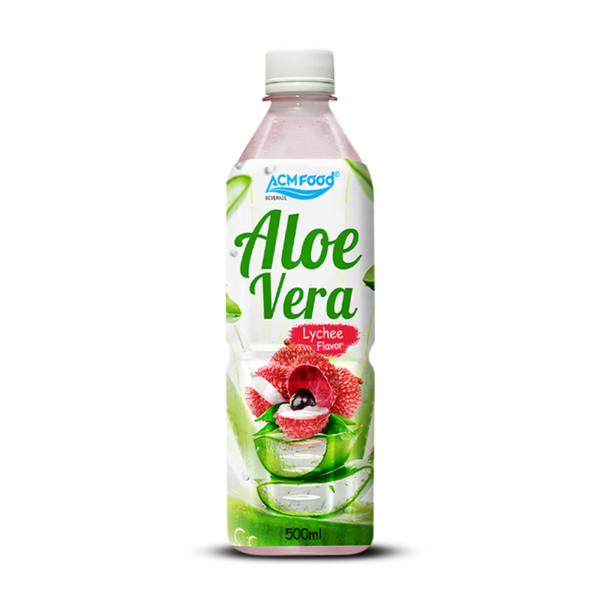
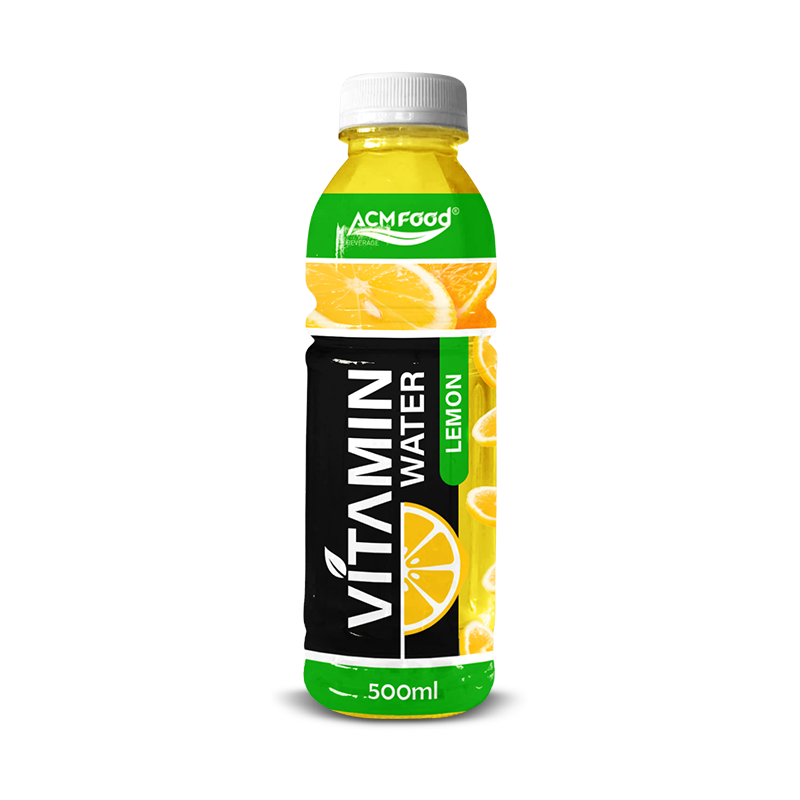
Filled into clear 500ml PET so the pulp is visible at point of sale, shelf stable for 18 months without refrigeration, and palletised for standard 20ft and 40ft container loading. Cartons and pallet patterns can be configured for either retail shelf-ready display or wholesale stacking.
Options for Private Label Buyers
- Acidity and Brix balance, from sharp to rounded
- Pineapple juice content and flavour loading
- Aloe vera pulp ratio and cube size
- Sugar-reduced and no-added-sugar versions
- Bottle, cap, sleeve and carton artwork under the buyer’s brand
Certification and Commercial Terms
FSSC 22000, ISO 22000 and HACCP certified production with documented traceability per batch. Capacity 20,000 cartons per day, MOQ 500 cartons per flavour, lead time 15–30 days from artwork sign-off, T/T terms, FOB Ho Chi Minh City Port.
Read more about our OEM beverage manufacturing process and development timeline.




 Français
 Español
 العربية
 한국어
한국어