


 Français
 Español
 العربية
 한국어
Flavored sparkling water private label means a carbonated, flavoured water produced by a manufacturer and sold under the buyer’s own brand. The category covers three quite different products: unsweetened flavoured sparkling water, sparkling drinks with added juice, and sweetened fruit sodas. The style chosen decides the ingredient list, the label, the tax position and the price point.
This guide explains how to choose between the three styles, how each affects sugar tax exposure and labelling, which can and bottle formats suit the category, and how a private label project runs from brief to first order. ACMFOOD manufactures a broad sparkling range, with more than forty SKUs across cans and PET, so the guidance reflects decisions buyers make in practice.
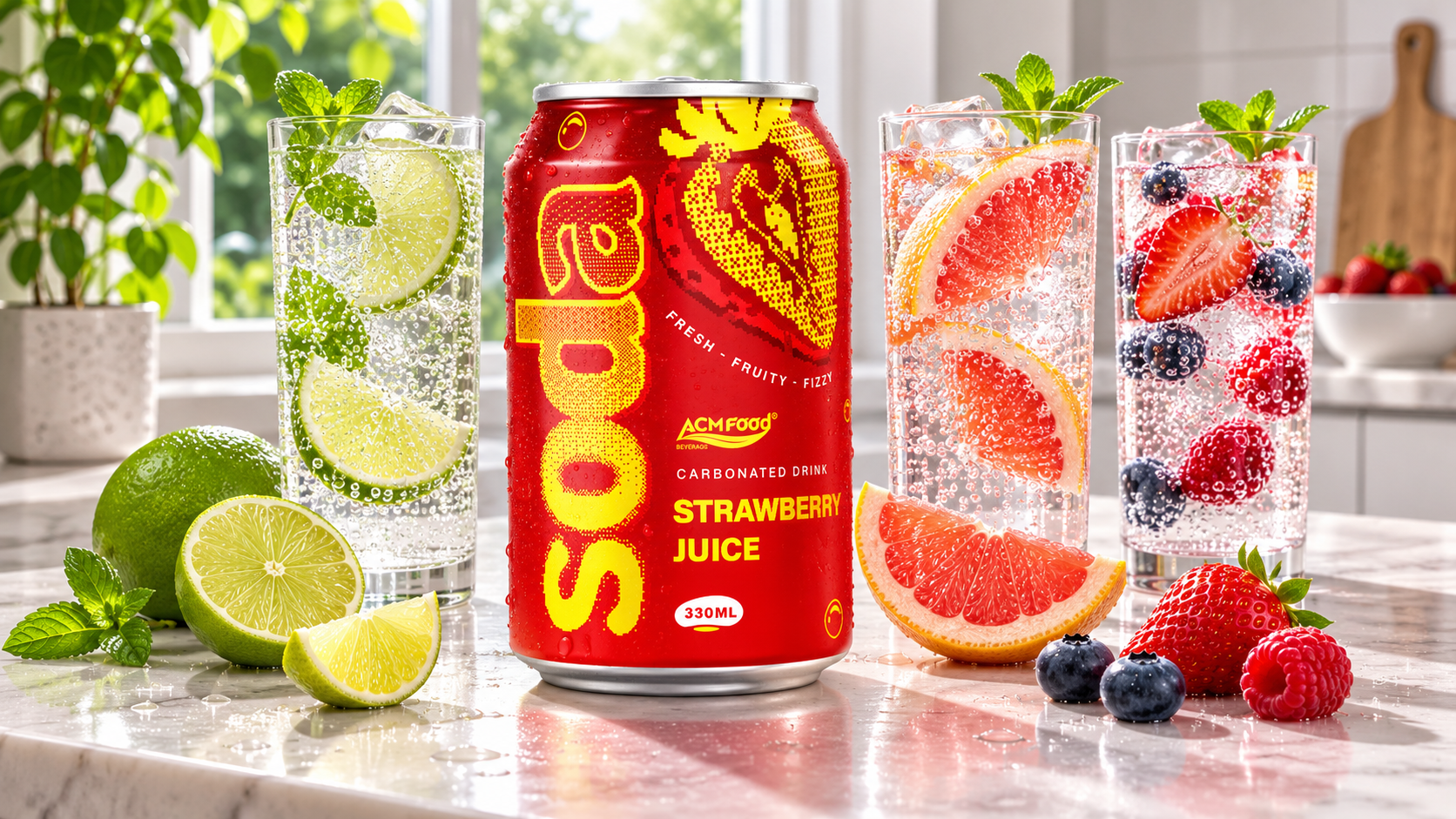
What are the three styles of flavored sparkling water?
The three styles are unsweetened flavoured sparkling water, juice-added sparkling drinks and sweetened fruit sodas. They differ in sugar, juice content and calories, which means they sit on different shelves, face different tax treatment and need different label wording, even though all three are carbonated and fruit-flavoured.
| Style | What it contains | Typical positioning | Label and tax notes |
|---|---|---|---|
| Unsweetened flavoured sparkling water | Carbonated water, natural flavour, sometimes acid; no sugar or sweetener | Zero-sugar, zero-calorie alternative to soft drinks | Usually outside sugar tax bands; simple ingredient list |
| Juice-added sparkling drink | Carbonated water with a share of fruit juice, sometimes light sweetening | “Lightly sparkling juice”, premium or kids’ lunchbox | Sugar from juice counts toward totals; juice percentage may be declared |
| Sweetened fruit soda | Carbonated water, sugar or sweeteners, flavour, acid, colour | Mainstream soft drink, value or nostalgia brands | Most exposed to sugar taxes and front-of-pack warnings |
A brand does not have to pick only one. Many private label ranges start with an unsweetened line and add one juice-added SKU for variety. What matters is that each SKU is clearly positioned, because mixing cues, such as a “zero sugar” design on a sweetened soda, confuses shoppers and can cause compliance problems.
How does the style drive sugar tax exposure?
Sugar taxes are usually calculated on sugar per volume, so the style chosen largely decides whether a drink is taxed and at what rate. Unsweetened sparkling water typically falls outside the taxed bands, while sweetened sodas are the main target. Juice-added drinks sit in between, and their position depends on how each market treats sugar that comes from juice.
Several points are worth checking market by market:
- Thresholds and bands. Many taxes have tiers, so small changes in sugar can move a drink into a lower band.
- Treatment of juice sugar. Some schemes exempt or treat differently the natural sugar from juice; others count all sugar.
- Sweeteners. Replacing sugar with sweeteners can reduce tax exposure but changes taste and the ingredient list.
- Front-of-pack labels. Some markets require warning symbols for high sugar or for sweeteners, separate from tax.
Our overview of beverage sugar tax by market summarises how rules differ between countries. A buyer planning several markets often sets the formula to the strictest market so one SKU can travel.
Which formats suit flavored sparkling water?
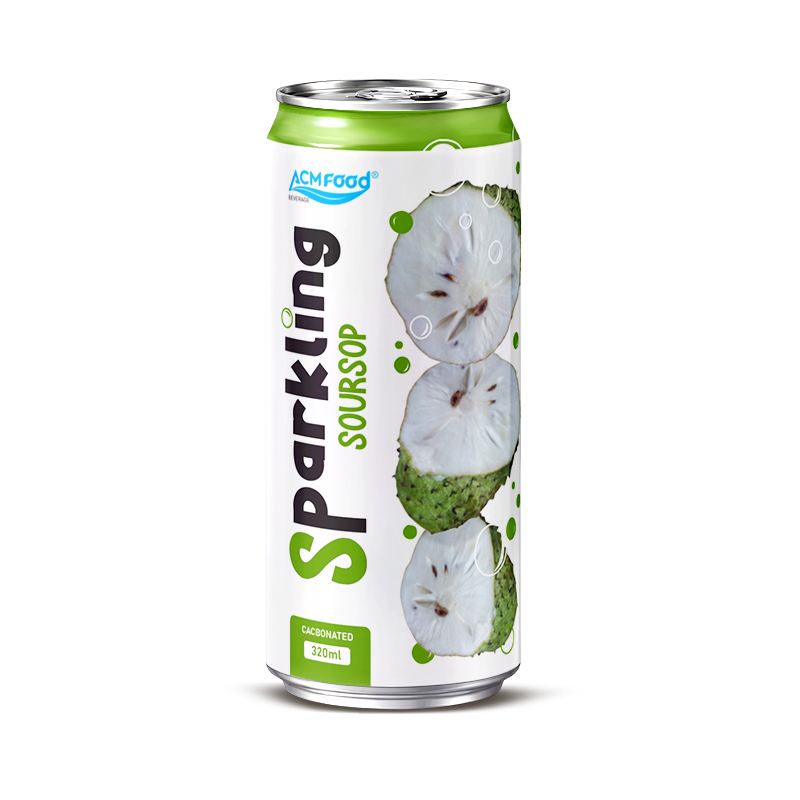
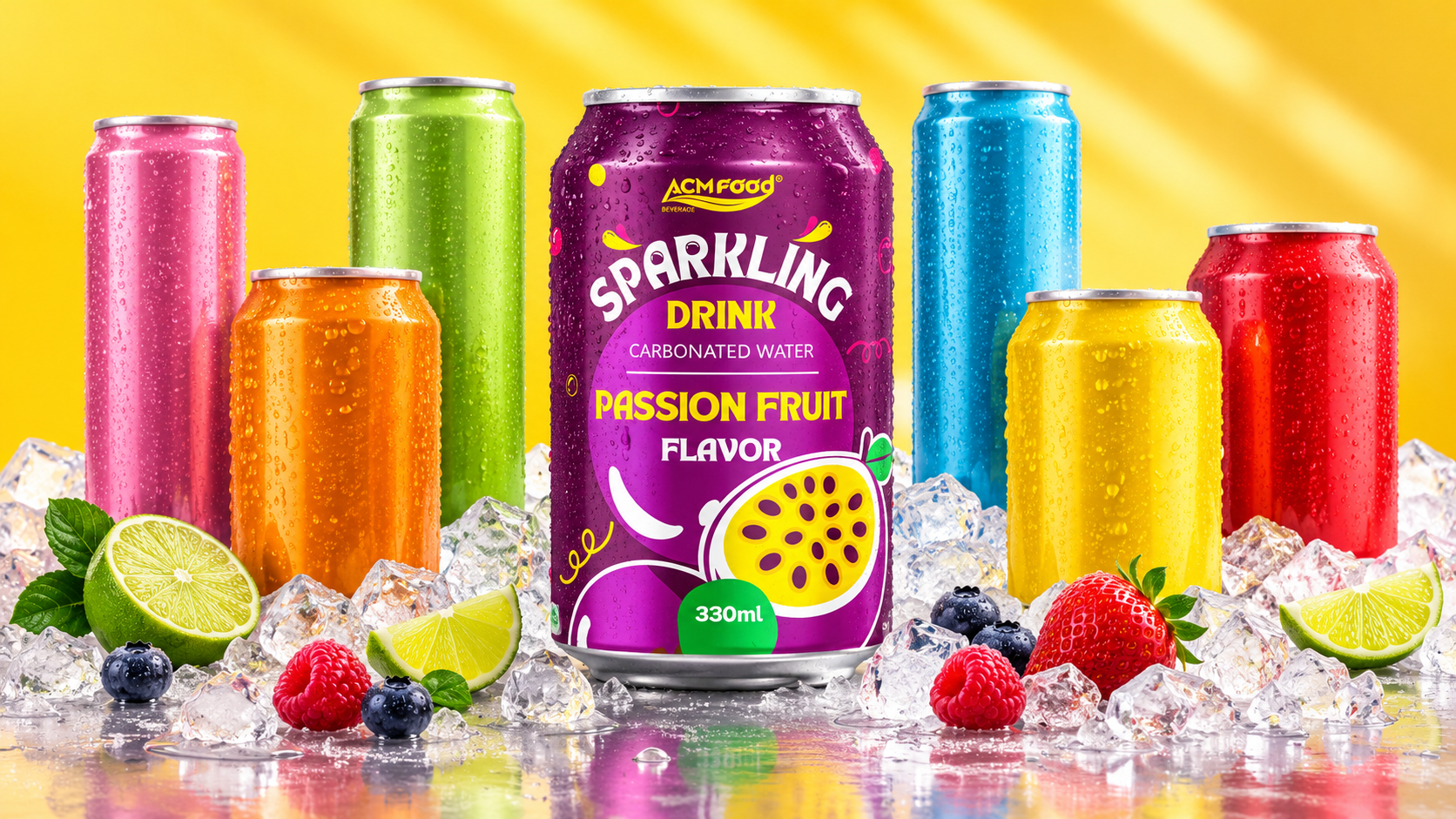
Flavored sparkling water is most often packed in aluminium cans, in 250ml slim, 320ml sleek and 330ml standard sizes, and in PET bottles for larger serves. Cans protect carbonation and flavour from light and are the dominant format for premium sparkling water; PET suits value and multi-serve positioning.
| Format | Strengths | Typical style fit |
|---|---|---|
| 250ml slim can | Portion control, premium feel, fits mini-fridges | Juice-added sparkling, sodas |
| 320ml sleek can | Modern look, comfortable single serve | Unsweetened sparkling water, premium sodas |
| 330ml standard can | Familiar size, efficient multipacks | All three styles |
| PET bottle | Resealable, larger volumes, visible liquid | Sodas, value sparkling water |
| Glass bottle | Premium dining and hospitality image | Premium sodas and mixers |
Can choice also affects multipack design, case count and pallet layout. Details of shape and size are in our guide to sleek, slim and standard can formats.
What should be specified for carbonation?
Carbonation is specified as a target CO2 level, usually in volumes, with a tolerance. Unsweetened sparkling waters are often more highly carbonated for a crisp bite, while juice-added drinks and sodas may be set a little lower so the fruit or sweetness comes through. The target is confirmed on samples and then checked during production.
Carbonation interacts with pack and temperature. Higher CO2 needs a pack rated for the pressure, and drinks filled at the wrong temperature can foam and under-fill. The technical side of carbonation, filling and pressure is covered in our page on sparkling beverage manufacturing, so it is only summarised here.
How do flavour and juice choices affect the product?
Flavour choice affects shelf story, cost and stability. Citrus flavours such as lime, lemon and grapefruit are the backbone of most ranges because they read clearly as refreshing. Berry, tropical and botanical flavours add variety. Adding real juice gives more body and colour but brings sugar, possible sediment and a shorter list of flavours that hold up well in a clear drink.
- Natural flavour only: clean, clear liquid and a short label; taste is light and aromatic.
- Low juice content: a small share of juice adds authenticity and a hint of colour with limited sugar.
- Higher juice content: closer to a sparkling juice; more taste and colour, but more sugar and a cloudier look.
- Botanical notes: cucumber, mint, ginger or floral notes differentiate a range and work well with citrus.
Colour is a further choice. Unsweetened sparkling waters are usually clear, while sodas use colour to signal flavour. Natural colour from juice can fade with light, which is one reason cans are popular in this category.
Labelling points for each style
Label wording must match the style. A few recurring points:
- Product name. “Sparkling water” for an unsweetened drink may need a descriptor such as “flavoured”; sodas are usually named as soft drinks.
- Juice percentage. Where juice is shown in images or named in the title, some markets require the juice content to be declared.
- Sugar and sweetener claims. “Zero sugar”, “no added sugar” and “unsweetened” are different claims with different conditions.
- Flavour wording. “Natural flavour”, “flavoured” and fruit images follow local rules on what the flavour source must be.
- Importer details. Name and address of the importer or brand owner are required in most markets.
The buyer is usually responsible for confirming compliance in the destination market; the manufacturer checks that the label matches the approved formula and test results.
Which quality checks matter most for sparkling drinks?
For sparkling drinks, the checks that matter most are carbonation level, fill volume, seal integrity and taste against the approved standard. These are measured during production and recorded for each batch, so the buyer can see that the drink in the market matches the sample that was signed off.
- CO2 level: measured against the target and tolerance, because flat or over-fizzy product is the most visible fault in this category.
- Fill volume: checked so each can or bottle meets the declared quantity; foaming at the filler is a common cause of under-fill.
- Seam or cap integrity: can seams and bottle closures are inspected so pressure is held through shipping and storage.
- Sensory check: trained staff compare taste, aroma and appearance with the approved reference.
- Brix and acidity: for sweetened and juice-added styles, these confirm the formula was dosed correctly.
Buyers can ask for a certificate of analysis with each shipment that reports these results against the specification.
How should a brand plan a range across several markets?
Plan a multi-market range by starting from the strictest rules among your target countries, then deciding which SKUs can be shared and which need local versions. Sugar level, sweeteners, colours and label language are the usual points of difference between markets.
A common approach is to build a core of unsweetened flavours that travel easily, because their short ingredient lists rarely conflict with local rules. Juice-added and sweetened SKUs are then adapted per market where sugar taxes or sweetener rules differ. Shared can sizes and a consistent design system keep the range recognisable even when the back label changes. Buyers comparing supply models for this kind of range may find our comparison of private label, white label and OEM beverages useful.
Language is the other practical constraint. Multilingual back labels can cover neighbouring markets, but space on a slim can is limited, so the number of languages is decided early in artwork planning.
How does a sparkling water private label project run?
A sparkling water private label project runs in four stages: brief, samples, artwork and production. The brief fixes style, flavours, sweetness, carbonation and pack; samples settle taste and fizz; artwork is checked against the approved formula; and production follows once everything is signed off.
- Brief. Market, style, flavours, sugar target, carbonation level and pack format.
- Samples. One sample per flavour, tasted cold, ideally side by side with a reference product.
- Artwork. Can or label artwork with ingredient list and nutrition panel based on the approved formula.
- Production. Scheduled after approval, with quality checks on CO2, fill level and seam or cap integrity.
Commercial terms
ACMFOOD’s terms for sparkling drinks are a minimum order of 500 cartons per SKU and a production lead time of 15–30 days after samples and artwork are approved. Production runs under HACCP, ISO 22000 and FSSC 22000 systems. Packs available are aluminium cans, PET bottles and glass bottles. Prices depend on style, flavour, pack and volume and are quoted per project.
For a first order, many buyers choose three flavours in one can size. This keeps artwork consistent, makes the most of the minimum order and gives enough variety to test the market.
Frequently asked questions
Is unsweetened sparkling water subject to sugar tax?
Usually not, because sugar taxes are based on sugar content. Rules vary, so each market should be checked, especially if sweeteners or juice are added.
Can I add juice and still call the drink sparkling water?
It depends on the market and the juice content. With significant juice, names such as “sparkling juice drink” are often more accurate. Check local naming rules before finalising artwork.
Which can size is best for sparkling water?
The 330ml standard can is the most familiar size, while 320ml sleek cans give a modern premium look. The 250ml slim can suits portion-controlled juice-added drinks.
How many flavours should a first order include?
Two to four flavours is common. Each flavour is a separate SKU and must reach the minimum order of 500 cartons.
Choosing your style
Flavored sparkling water private label is really three categories under one name. Unsweetened sparkling water offers the cleanest label and lowest tax exposure, juice-added drinks bring taste and colour, and sodas offer familiar sweetness with the most regulatory attention. Settling the style first makes every later decision on flavour, pack and label easier.
Send ACMFOOD your target market, preferred style and flavour list. We will prepare samples and confirm the pack, specification and schedule for your first production run.