


 Français
 Español
 العربية
 한국어
한국어Non acidic drinks — more precisely described as low-acid beverages — are drinks whose acidity sits above the pH 4.6 line that food safety systems use to separate acid from low-acid products. Coconut water, dairy and plant-based milks, milk coffee, most brewed teas and many vegetable juices fall into this group, while citrus juices, sodas and fruit nectars sit on the acidic side.
The distinction is a processing classification, not a nutrition or wellness category. It determines how a drink must be heat treated, which packaging formats are realistic and how much microbiological verification the product needs before it can be sold at ambient temperature. This guide sets out the acid profile behind that boundary, the product categories it covers, and the packaging options that follow.
What makes a drink low-acid rather than acidic?
A beverage is treated as low-acid when its finished pH is above 4.6. Below that threshold, the acidity itself suppresses the growth of the most dangerous spore-forming bacteria, so a milder heat treatment is enough. Above it, acidity no longer provides that protection, and safety has to come from the process instead.
That single number reorganises a product specification. It decides whether a drink can be hot filled or must be sterilised, how long it stays stable at ambient temperature, and how much testing sits behind each batch. Two drinks that taste similarly mild can end up on opposite sides of the line, which is why the finished-product pH — not the perceived sourness — is the value that belongs in a specification.
It is worth separating the technical term from consumer language. Shoppers searching for non acidic beverages are usually describing a taste preference or personal tolerance. Low-acid, in a factory, is a safety classification. A product can be genuinely low-acid and still taste bright, and a mildly flavoured drink can still be acidic. Any claim aimed at consumers about comfort or gentleness needs its own substantiation and should not be inferred from the processing category.
Which beverage categories are usually low-acid?
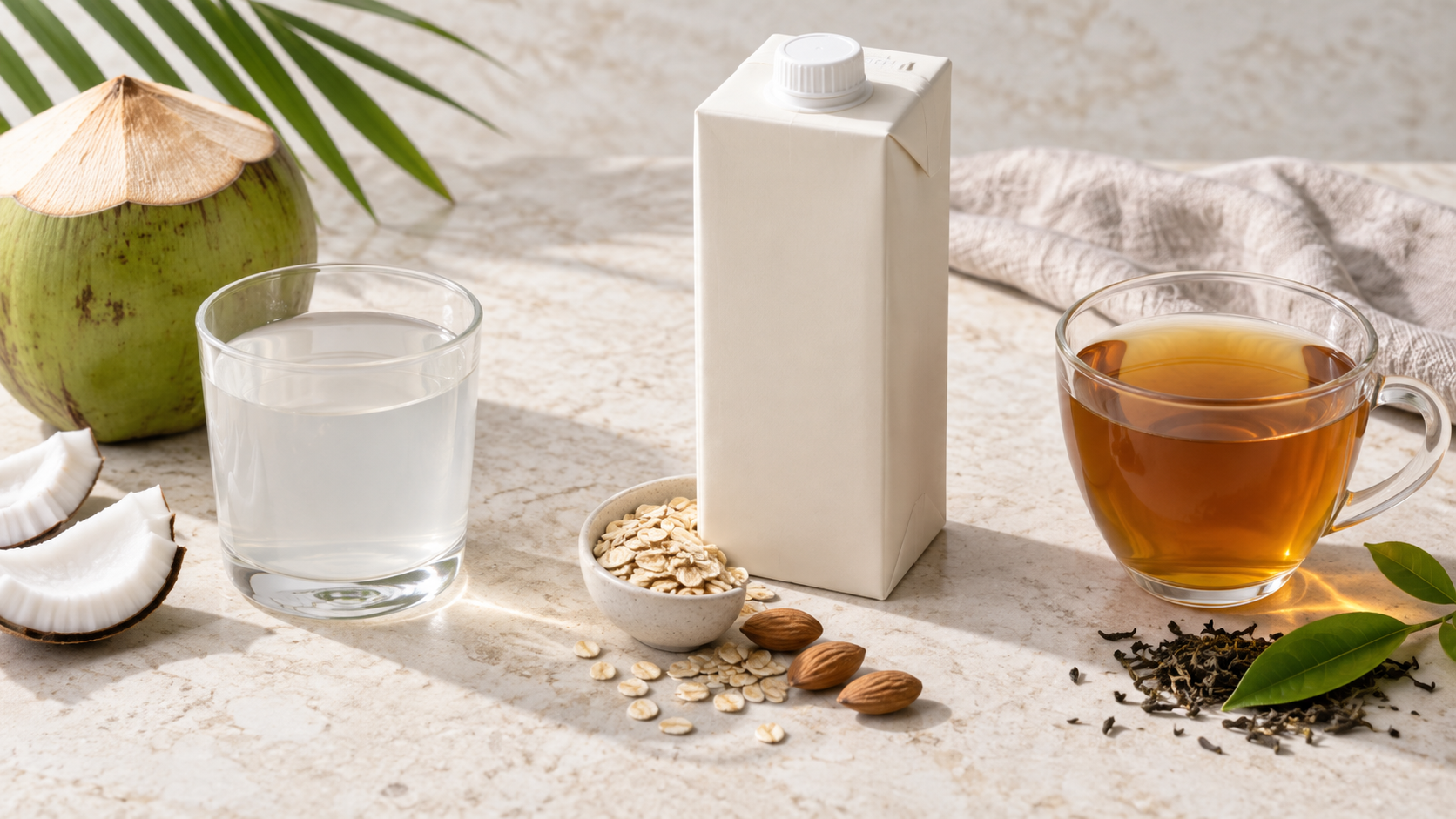
Most low-acid drinks fall into a handful of familiar families. What they share is the absence of significant added acid and, in many cases, the presence of protein or minerals that buffer the product toward neutral.
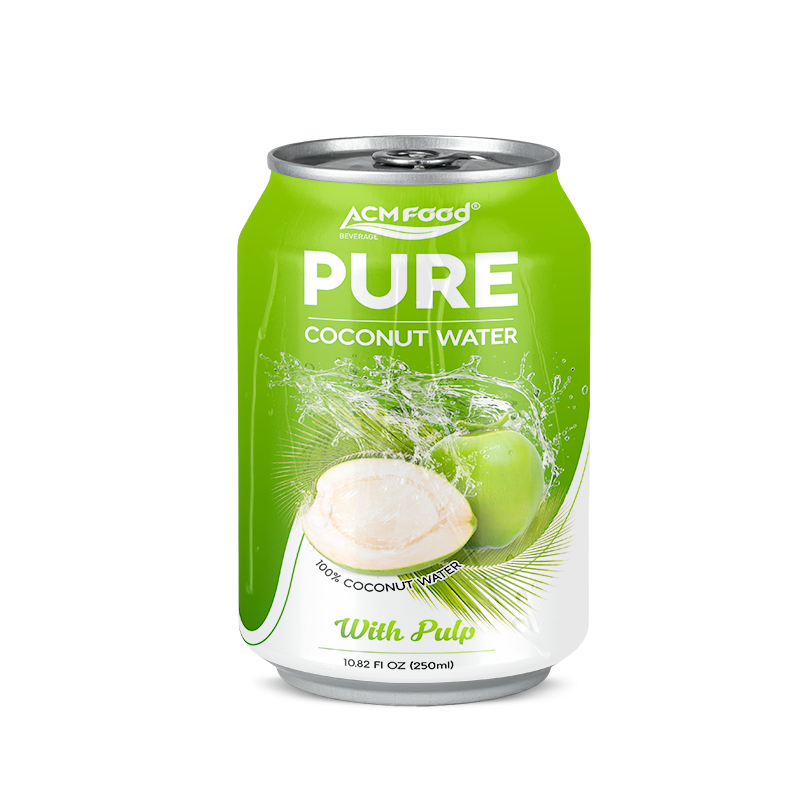
- Coconut water — naturally close to neutral, and highly sensitive to heat, which makes the process choice unusually consequential for flavour.
- Dairy and plant-based milks — soy, oat, almond and dairy bases, where protein and fat stability matter as much as microbiology.
- Milk coffee and milk tea — the dairy component pulls an otherwise acidic base above the threshold.
- Brewed teas without added acid — including many unsweetened and lightly sweetened ready-to-drink teas.
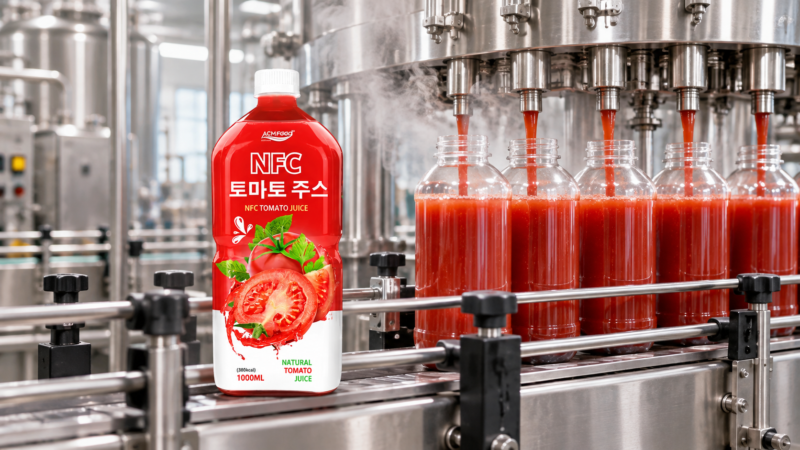
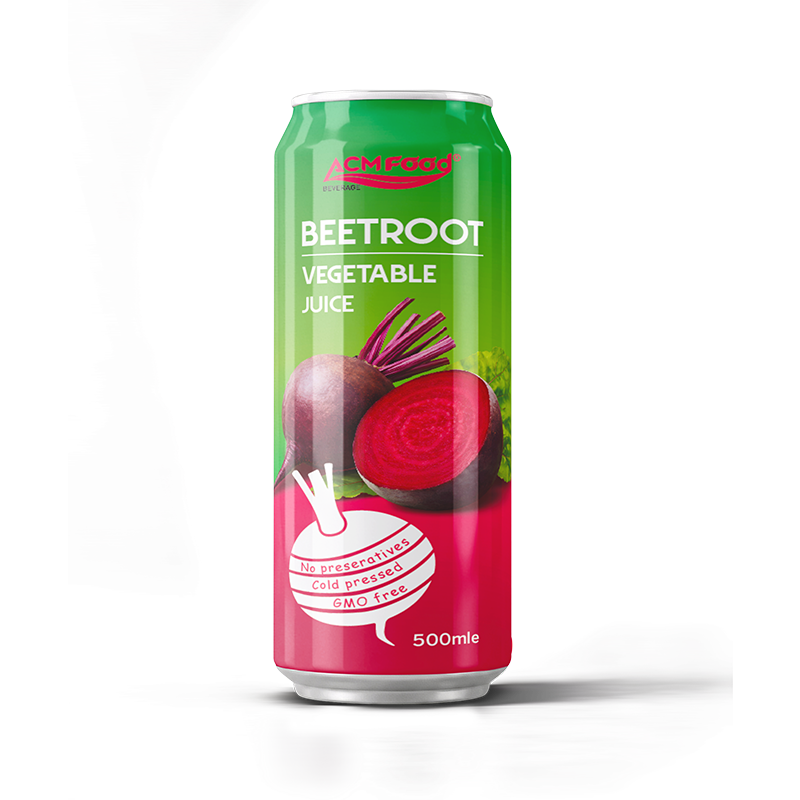
- Vegetable juices — carrot, pumpkin and mixed vegetable bases, unless deliberately acidified.
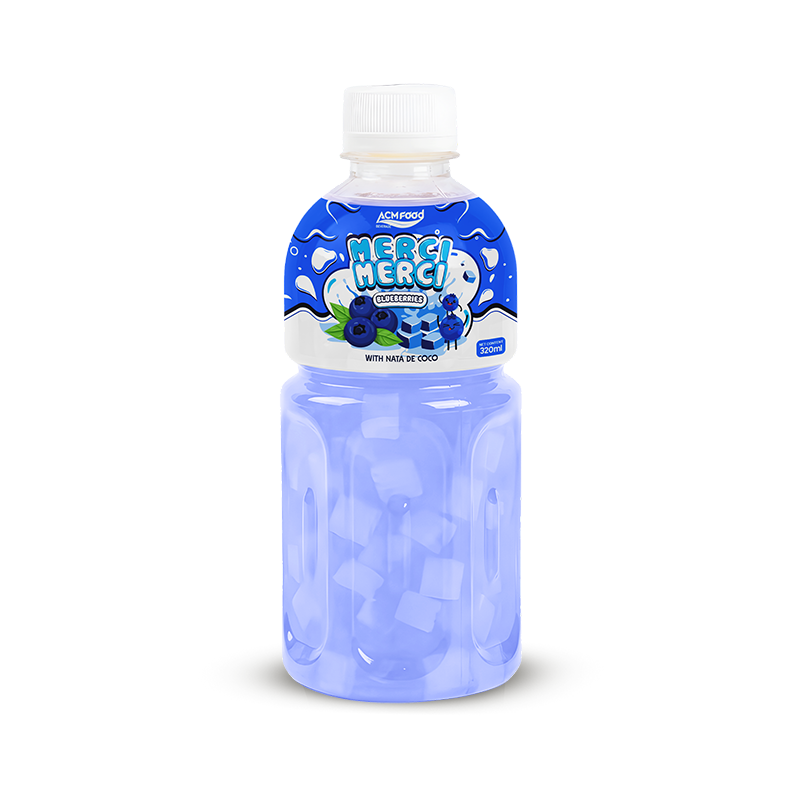
- Nut, grain and seed drinks — often combined with inclusions, which adds a suspension problem on top of the process requirement.
Vegetable bases deserve particular attention because they combine near-neutral pH with variable raw material and a colour that degrades quickly under heat. The specific development questions that raises are covered in this guide to vegetable juice manufacturing for export brands.
How does low acidity change processing?
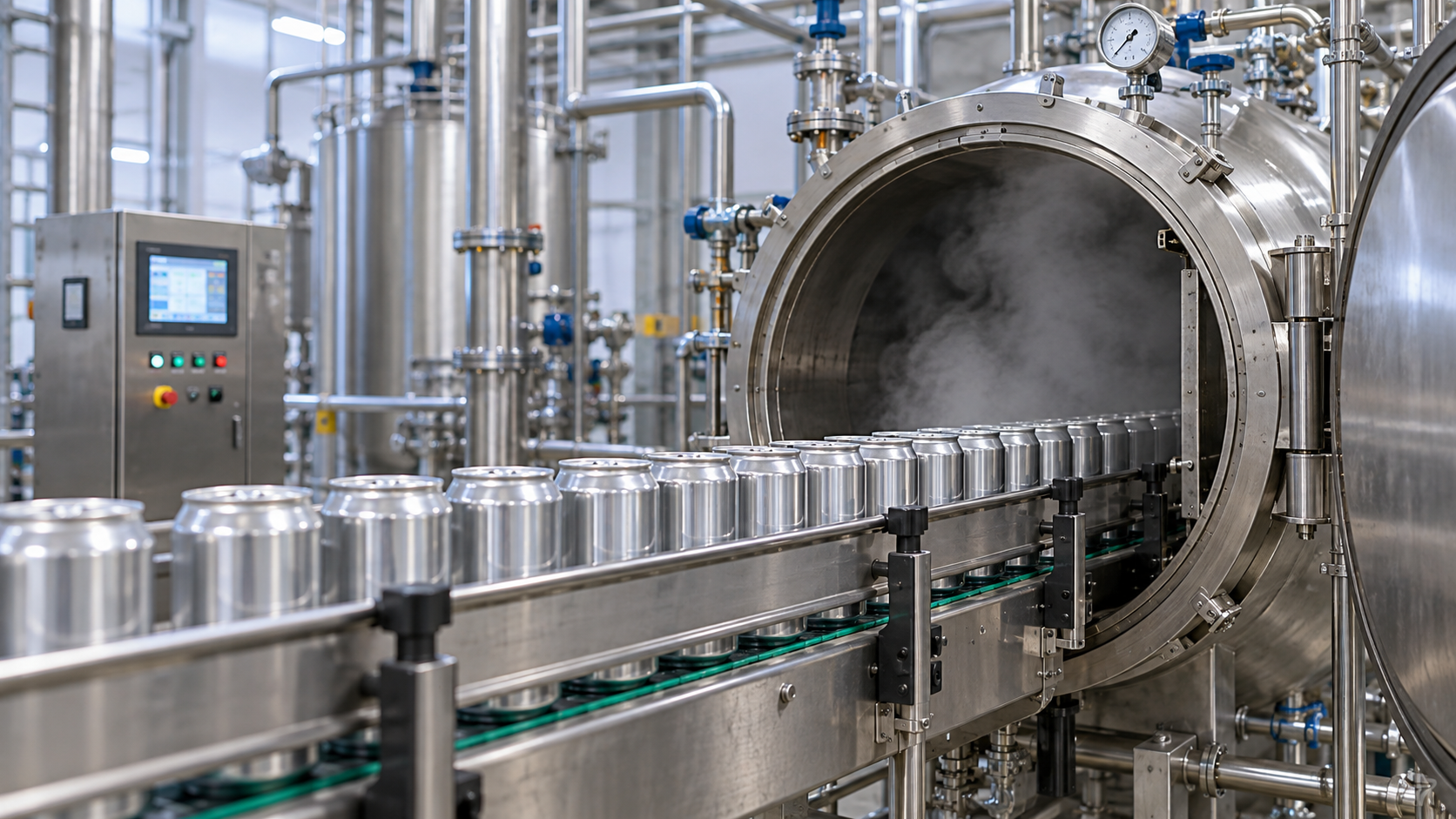
A low-acid drink intended for ambient distribution needs a heat treatment severe enough to deal with heat-resistant spores, delivered either inside the sealed pack or before an aseptic fill. Both routes work; they place the demand in different places. In-pack sterilisation puts the burden on the container, which must survive the cycle. Aseptic processing puts it on the plant, because the product, the packaging and the filling environment all have to be maintained sterile.
The cost of that severity is usually flavour and colour. Heat drives browning reactions and strips volatile aroma, and both effects are more visible in delicate products such as coconut water or a lightly brewed tea than in a sweet milk coffee. Development for a low-acid drink is largely a negotiation between the process a regulator will accept and the sensory result a buyer will approve.
| Route | Where safety is delivered | Main trade-off |
|---|---|---|
| In-pack sterilisation | After sealing, inside the finished container | Container must withstand the cycle; heat load on flavour and colour is highest |
| Aseptic filling | Before filling, with sterile product meeting sterile pack | Gentler on the product; tighter plant hygiene and validation requirements |
| Chilled distribution | Refrigeration through the whole chain | Best sensory result; shortest shelf life and a cold chain to maintain in export |
| Non-thermal processing | Pressure or filtration instead of heat | Preserves fresh character; narrower application and usually chilled distribution |
Non-thermal options are sometimes proposed as a way to avoid the sensory penalty altogether. They have real uses and real limits, and the boundaries are set out in this explanation of what cold pressure processing can and cannot do. For a low-acid product in particular, the assumption that a non-thermal step substitutes for sterilisation should be checked rather than taken on trust.
How does low acidity affect shelf life and sensory drift?
A correctly sterilised low-acid drink is microbiologically stable at ambient temperature, but stability is not the same as sensory consistency. Over shelf life these products tend to drift in colour and aroma rather than spoil, and the drift is usually driven by residual heat load, oxygen picked up at filling, and light if the pack is transparent.
That distinction matters commercially because a buyer rejecting a shipment late in its life is rarely rejecting an unsafe product. They are rejecting a product that no longer matches the approved reference. Protein-containing drinks may show sedimentation or a change in mouthfeel; pale products such as coconut water or a light tea can yellow gradually. Neither is a safety failure, and neither is visible in a sample tasted a week after production.
The practical consequence is that shelf-life testing on a low-acid product should track appearance and sensory attributes on a schedule, not only microbiological results at the end. Agreeing in advance which attributes are measured, and what degree of change is acceptable, prevents the common situation where a batch passes every laboratory test and is still refused at the point of delivery.
Why changeover discipline matters more in low-acid production
Low-acid products raise the cost of a poor changeover. Residue from a previous acidic run can shift the pH of the first part of a low-acid batch, and protein or fat residues are harder to remove than sugar-based ones. Where a plant runs both categories on shared equipment, the cleaning regime between them becomes part of the safety argument rather than a housekeeping detail.
Buyers auditing a manufacturer for a low-acid programme should therefore ask how product changeovers are sequenced and verified, not only how often lines are cleaned. The mechanics of that process are described in this overview of clean-in-place and line changeover between products. Scheduling low-acid runs deliberately within a production week is one of the simpler ways to reduce the risk.
Which packaging formats suit low-acid drinks?
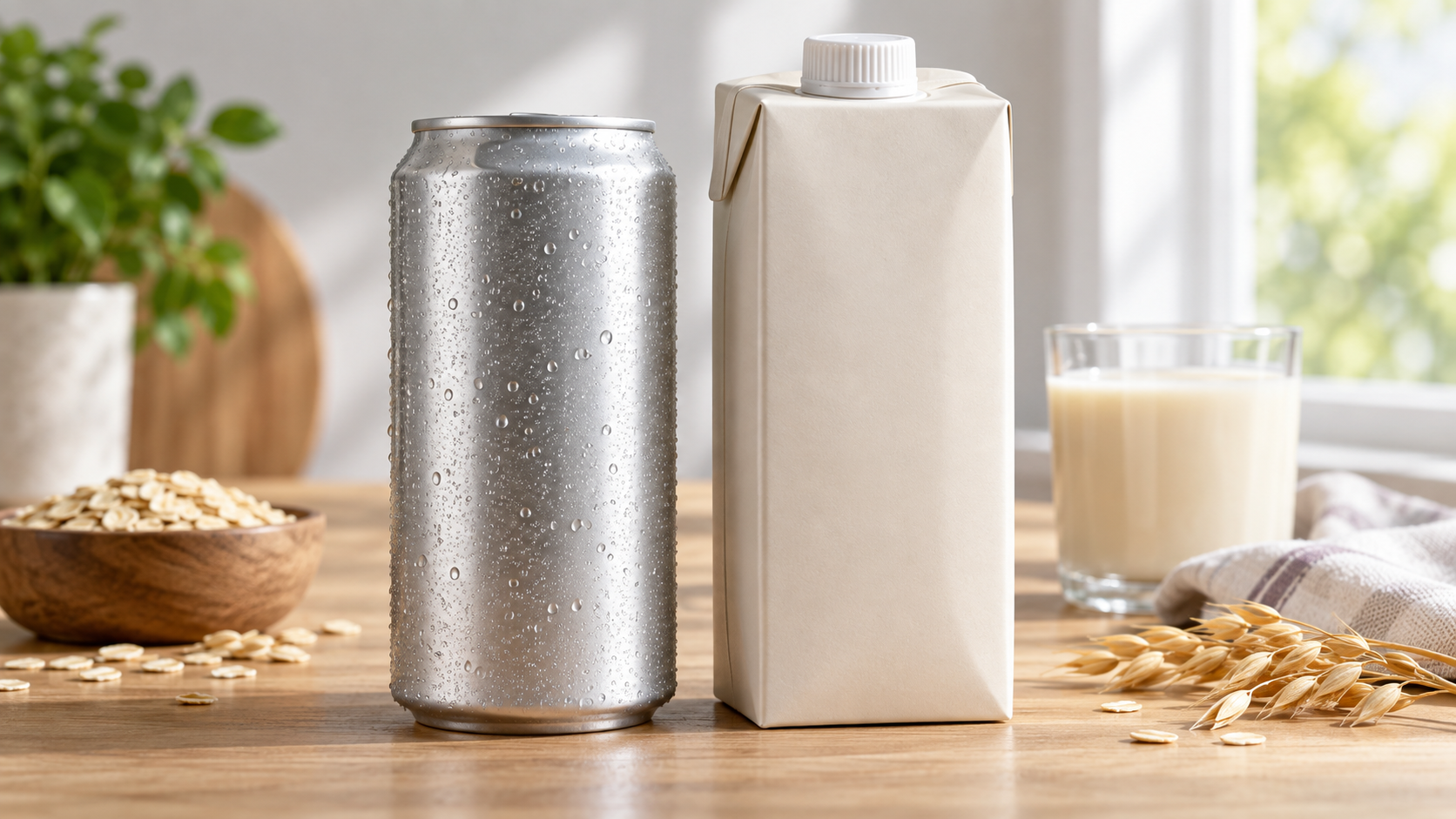
Packaging choice narrows once a product is low-acid, because the container has to be compatible with the process rather than only with the brand. In practice that means metal cans, aseptic cartons and heat-resistant bottles cover most of the category, with glass used where positioning justifies the freight and breakage cost.
Light and oxygen are the second consideration. Many low-acid products are pale, protein-containing or delicately flavoured, and all three characteristics degrade faster in a clear pack. Opaque formats remove that variable entirely; transparent ones shift the problem back into formulation and shelf-life testing.
- Aluminium cans — opaque, robust under heat, efficient to ship, and well suited to milk coffee, coconut water and RTD tea.
- Aseptic cartons — light-tight and freight-efficient, a common choice for plant-based and dairy drinks.
- Heat-resistant PET — resealable and light, but the grade and the process have to be matched deliberately.
- Glass — strong premium signal; heavier and more fragile over long-haul export routes.
What verification does a low-acid product need?
Low-acid products carry a heavier verification load than acidic ones, because the process, rather than the recipe, is what keeps them safe. That usually means a validated thermal process, records proving each batch received it, and a testing programme that confirms the outcome instead of assuming it.
Buyers evaluating a manufacturer for a low-acid drink should expect to see how process deviations are handled, not just that a process exists. What gets tested, at what frequency, and what happens when a result falls outside specification are the questions that separate a documented system from an informal one. The scope of routine testing is set out in this overview of microbiological testing for beverages.
Two related expectations often surface at the same time. Brands frequently want a short ingredient list alongside ambient shelf life, and those two goals pull against each other unless the process is doing the work; the trade-offs involved are described in this guide to how drinks stay stable without preservatives.
Information for brands developing a low-acid beverage
A brief for a low-acid product should answer the process questions early, because they constrain everything downstream. The following items are the ones that most often need to be settled before a manufacturer can quote meaningfully:
- The intended distribution condition — ambient or chilled — since this decides the process route.
- Whether the product contains dairy, plant protein or other buffering ingredients.
- Target finished pH, or confirmation that the product is expected to sit above 4.6.
- Container format and whether an opaque pack is acceptable for the brand.
- Any inclusion such as seeds, pulp or gel pieces, which affects both heat penetration and filling.
- Destination markets, since low-acid products can attract specific registration or process-filing requirements.
- Which sensory attributes are non-negotiable, so the process can be tuned against a stated priority.
FAQ: low-acid and non acidic beverages
Is a low-acid drink the same as a drink that tastes mild?
No. Low-acid is defined by measured pH above 4.6, not by perceived sourness. Sweetness masks acidity, so an acidic drink can taste mild while a genuinely low-acid drink can taste bright. Only a pH measurement on the finished product settles the classification.
Can a low-acid beverage be hot filled like a juice?
Generally not for ambient distribution. Hot filling relies on the product’s own acidity to control spore-forming organisms, which a low-acid drink does not provide. Ambient low-acid products normally need in-pack sterilisation or an aseptic process instead.
Does lowering the acidity of an existing drink make it low-acid?
Only if the finished pH crosses above 4.6, and doing so changes the product’s regulatory and processing status entirely. Reducing added acid for taste reasons while staying below the threshold is a formulation change; crossing the line is a different product with a different process.
Which packaging formats are ruled out for low-acid drinks?
Nothing is ruled out universally, but any container that cannot survive sterilisation or be filled aseptically is unsuitable for an ambient low-acid product. Standard cold-fill PET intended for acidic drinks is the most common mismatch.
Conclusion
Low acidity is one of the few product attributes that constrains formulation, processing, packaging and verification at the same time. Once a drink sits above pH 4.6, the process has to deliver the safety the acidity is not providing, and that decision limits which containers are viable and how much evidence each batch needs behind it.
Brands developing non acidic drinks get better quotations by stating the distribution condition, the buffering ingredients and the packaging preference at the start, rather than discovering the constraints after a sample is approved. ACMFOOD works with low-acid formats including coconut water, milk coffee and RTD tea, and can review a brief against the process and packaging options that would realistically apply.