


 Français
 Español
 العربية
 한국어
한국어Shrink sleeve labels and printed cans are priced differently because they shift cost between two different places: a shrink sleeve is a separate printed component applied to a plain can, while a printed can carries its decoration directly on the metal itself. That single difference changes tooling cost, minimum order quantities, and how much design flexibility a beverage brand keeps between production runs.
Comparing a shrink sleeve quote against a printed can quote only by unit price can be misleading, since the two methods put the cost of design changes, short runs, and multi-SKU packaging in very different places.
Neither method is universally better; each is priced around a different set of assumptions about how often a brand expects to change its packaging design and how much volume a single design needs to justify its own tooling. For the artwork side of that decision, see our guide on beverage label printing artwork and lead time.
What Drives the Cost Difference Between Shrink Sleeves and Printed Cans?
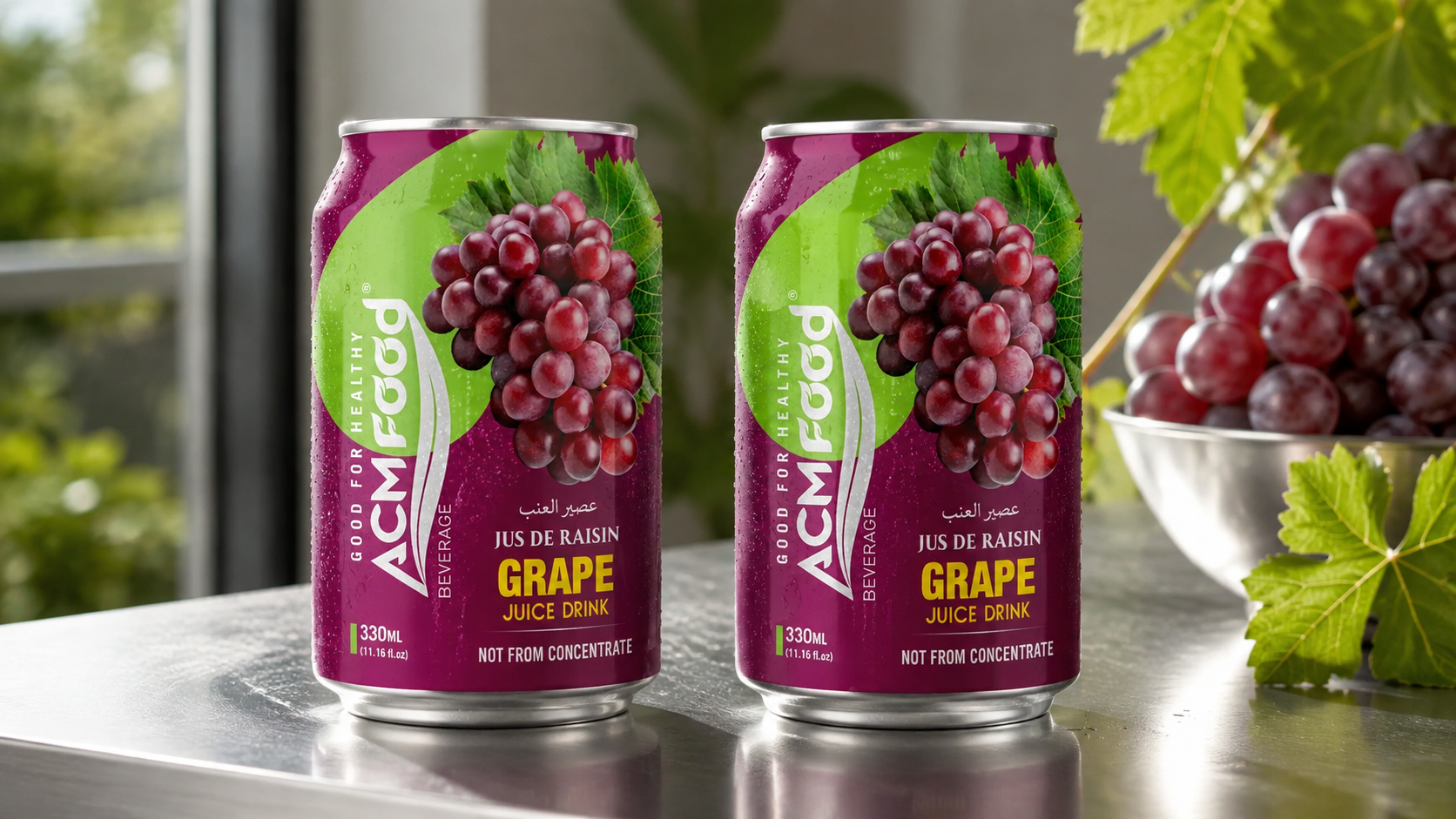
The cost difference comes mainly from tooling: printed cans require can-specific printing plates or cylinders set up before the first run, while shrink sleeves are printed on a separate line and applied afterward without changing the can itself. This shifts where the upfront cost sits and how expensive a design change becomes later.
- Tooling and setup — printed cans need dedicated printing tooling per design; shrink sleeves are produced on general-purpose printing equipment.
- Design changes — a new shrink sleeve design mainly requires a new print file; a new printed can design can require new plates or cylinders.
- Material cost per unit — the sleeve itself is an added material cost on top of the plain can; printed decoration is applied to the can with no separate material layer.
- Run length assumptions — both methods spread setup cost across the units produced, so short runs affect each differently depending on how the setup cost was structured.
Shrink Sleeve Labels: What the Price Typically Includes
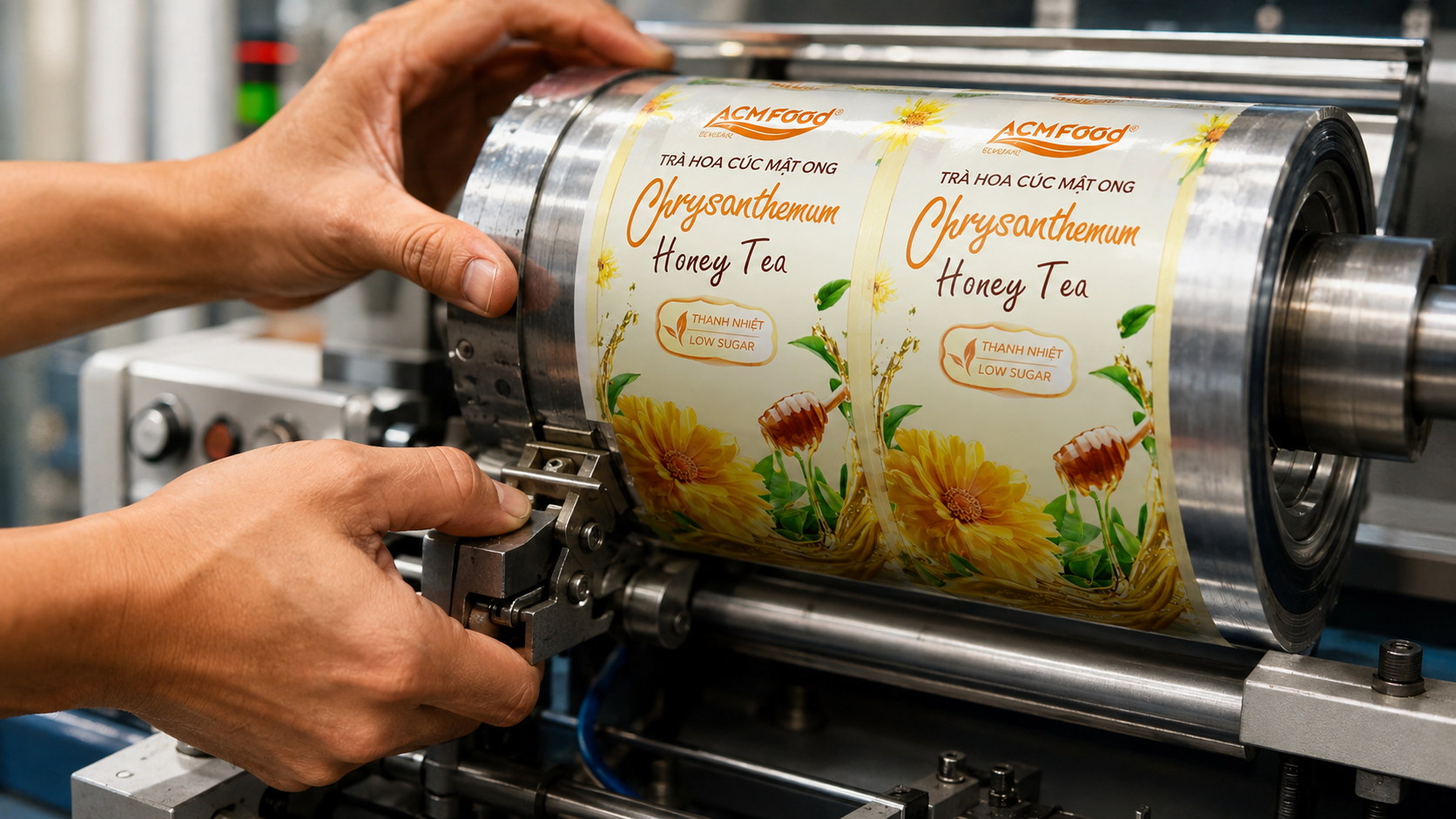
A shrink sleeve price typically covers the printed film itself, the shrink-application step, and in many cases the ability to swap a design without touching the can supply. Because the plain can underneath stays the same across designs, a brand can often hold one can inventory and rotate several sleeve designs over it.
This separation is useful for brands that need seasonal packaging, market-specific language variants, or limited editions, since the plain can order and the sleeve order can be planned on different schedules. The trade-off is an added material and application step compared with printing directly on the can.
Printed (Directly Decorated) Cans: What the Price Typically Includes
A printed can price typically covers the plate or cylinder setup for that specific design plus the printing process itself, with no separate label material added afterward. Once the tooling is made, the per-unit cost of the printed decoration tends to be lower than an equivalent sleeve at high volumes, because there is no added film material.
The trade-off is that the design is fixed to that tooling. Changing artwork, adding a market-specific variant, or running a short seasonal batch usually means creating new tooling, which is where printed cans can become less cost-efficient than shrink sleeves for brands that change designs frequently. For a look at can shapes and sizes beyond decoration method, see our guide on choosing a beverage can format.
Comparing Shrink Sleeves and Printed Cans
The table below summarizes the general trade-offs to help frame a conversation with a packaging supplier, rather than to predict an exact price for a specific project.
| Factor | Shrink Sleeve | Printed Can |
|---|---|---|
| Upfront tooling cost | Lower, since sleeves use general-purpose printing equipment | Higher, since each design needs dedicated plates or cylinders |
| Cost of changing designs | Mainly a new print file | Usually new tooling |
| Material layers | Plain can plus a separate sleeve | Decoration applied directly, no added layer |
| Best fit | Frequent design changes, seasonal or market-specific variants | Stable, high-volume designs run over a longer period |
How Minimum Order Quantities Differ Between the Two Methods
Shrink sleeves generally allow lower minimum order quantities per design, because the plain can order is separated from the sleeve print run. A brand can often order a larger batch of plain cans and print smaller batches of sleeves as needed.
Printed cans generally require a higher minimum order quantity per design, because the tooling cost is spread across that specific run. Suppliers set their own minimums based on their equipment and process, so any specific number should come directly from a supplier’s quote rather than being assumed in advance.
This is also where the two methods diverge on inventory risk. A shrink sleeve program lets a brand keep a shared can inventory and only commit to smaller, design-specific sleeve batches, which limits how much unsold, design-specific stock can accumulate if a promotion underperforms. A printed can program ties inventory risk directly to the can itself, since an unused batch of one design cannot be repurposed for another.
Which Option Offers More Design Flexibility?
Shrink sleeves offer more design flexibility in most cases, because a design change does not require new tooling and can typically be planned around the print schedule rather than the can supply schedule. This makes sleeves a common choice for brands running frequent promotions, multiple language markets, or a wide SKU range from a shared can size.
Printed cans offer less flexibility between designs but can offer a more integrated, tactile finish, since there is no separate label edge or seam. Brands prioritizing a single long-running design with a premium, seamless look often lean toward direct printing once volume justifies the tooling investment.
How Run Length and SKU Count Affect the Decision
A brand running one stable design at high volume over a long period tends to get better unit economics from a printed can, since the tooling cost is spread across many units and no separate sleeve material is added. A brand running several SKUs, frequent limited editions, or region-specific labeling tends to get better overall economics from shrink sleeves, even if the per-unit sleeve cost looks higher in isolation.
The comparison changes again for a brand that is still finalizing its packaging design. Shrink sleeves make it easier to test a design in market and revise it without discarding can inventory, while committing to printed cans works better once a design is considered final.
How Material and Recyclability Considerations Compare
A printed can is a single aluminum item once the ink cures, which many recycling streams handle in the same way as an unprinted can. A shrink sleeve adds a separate plastic film layer, and depending on the sleeve material and local recycling infrastructure, that layer may or may not separate cleanly from the can during processing. For a broader comparison of packaging materials, see our guide on aluminum can versus PET bottle.
Brands with sustainability commitments for a specific market should confirm the film type and separation behavior with their packaging supplier and check local recycling guidance, rather than assuming either method is automatically the more recyclable choice — the answer depends on the sleeve material used and the recycling infrastructure of the market the product is sold in.
Common Mistakes When Choosing Between Shrink Sleeves and Printed Cans
Most of the confusion between these two options comes from comparing a single unit price without accounting for how many designs, markets, or SKUs the packaging needs to support.
- Comparing only the per-unit cost at one volume, without checking how the cost changes at the brand’s actual expected run length.
- Committing to can printing tooling before a design is finalized, which can mean re-tooling if the design changes.
- Not asking whether the plain can order and the label order can be decoupled, which is where much of the flexibility of shrink sleeves comes from.
- Assuming a minimum order quantity applies equally to both methods, when suppliers usually set separate minimums for tooling-based and sleeve-based orders.
Information for Beverage Brands Choosing a Labeling Method
When requesting quotes for either method, it helps to share the expected number of SKUs, how often designs are likely to change, and the target markets or languages needed, rather than asking for a single unit price. This lets a packaging supplier recommend the method that fits the actual production plan instead of the lowest quote for a single design.
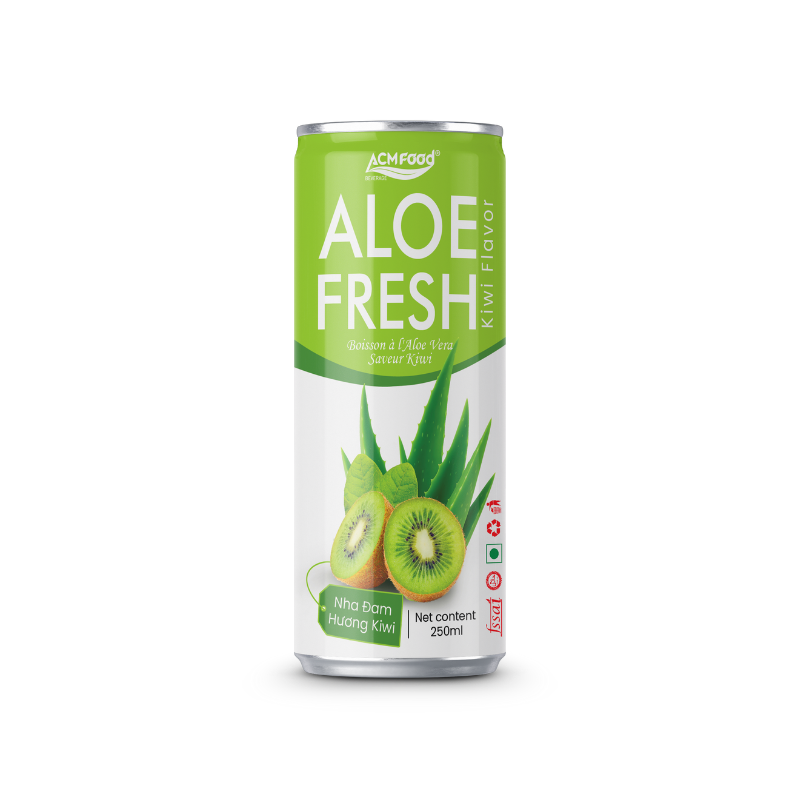
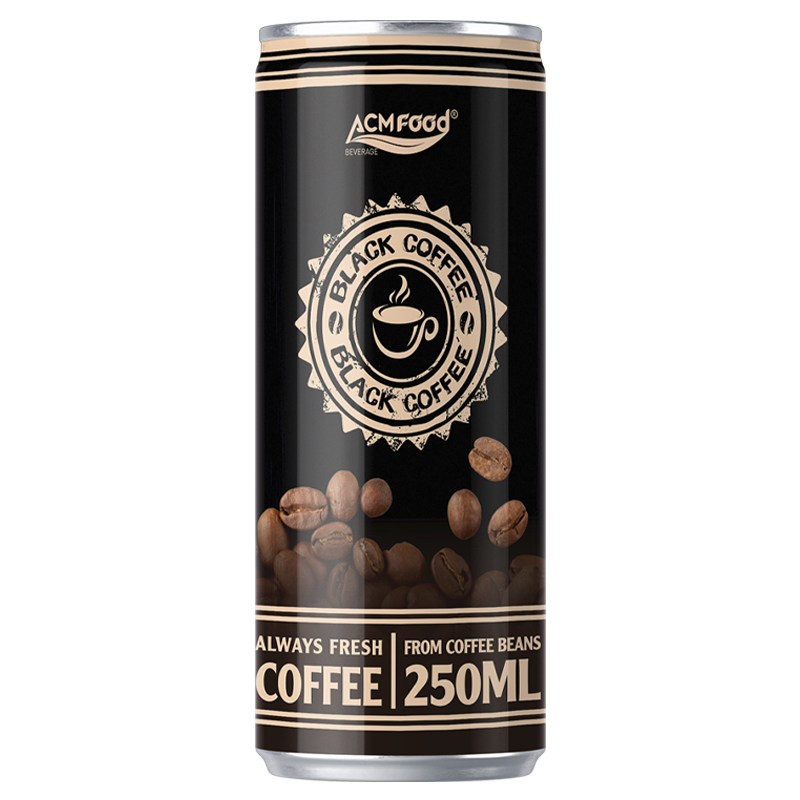
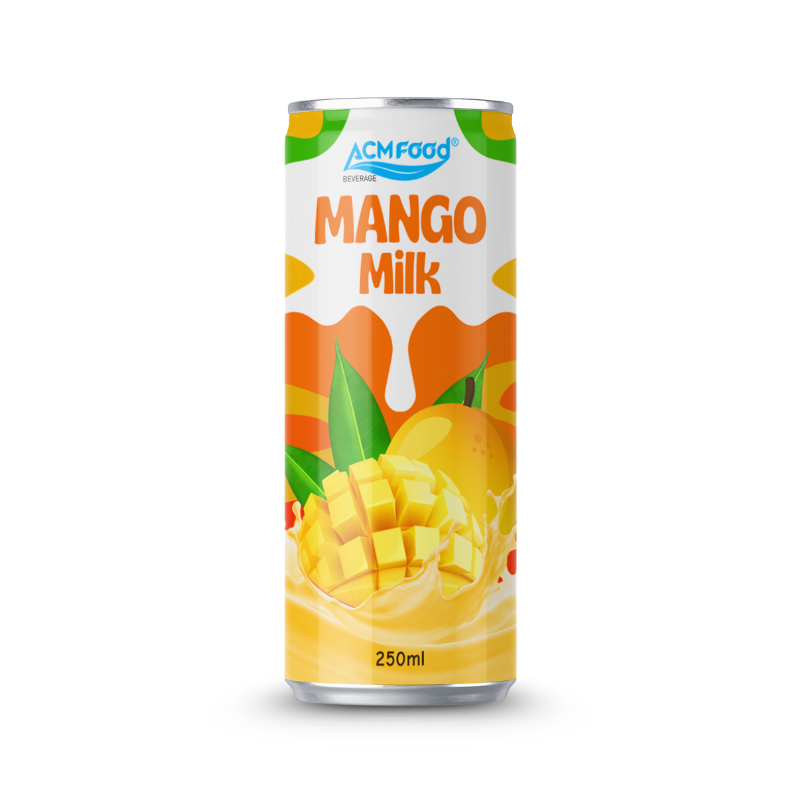
ACMFOOD works with beverage brands on both shrink sleeve and printed can packaging, and can walk through which option fits a specific product line based on SKU count, run length, and how often the brand expects to update its design. The right choice is rarely about which method is cheaper in isolation, and more about matching the packaging method to how the brand actually plans to use it. For a broader view of what drives packaging and production cost overall, see our guide on private label fruit juice cost drivers.
This is also a useful conversation to have before finalizing a can size or format, since the choice between shrink sleeve and printed can can influence which decorating equipment a manufacturing partner needs to schedule for a given run. Raising the question early, alongside the product brief, tends to avoid last-minute tooling delays once a launch date is already set.
- Share the expected number of design variants per year, not just the first design.
- Clarify whether different markets will need different language or compliance labeling.
- Ask how the supplier handles a mid-run design change under each method.
Common Questions About Shrink Sleeves vs Printed Cans
Is a shrink sleeve always cheaper than a printed can?
Not always. Shrink sleeves usually have lower upfront tooling cost and more flexibility for frequent design changes, but the added sleeve material can make the per-unit cost higher than a printed can at very high, stable volumes where tooling cost is spread across many units.
Can a brand switch from shrink sleeves to printed cans later?
Yes, and it is a common path once a design and volume become stable. Brands often launch with shrink sleeves while testing a design or entering a new market, then move to printed cans once one design is confirmed as a long-term, high-volume product.
Does either method limit which can sizes or shapes can be used?
Both methods are generally compatible with standard beverage can sizes, though a specific size or shape should always be confirmed with the packaging supplier, since equipment compatibility varies by facility.
Which method is easier to launch in multiple countries at once?
Shrink sleeves are usually easier for multi-country launches, since language and compliance text can be handled as separate print files over the same plain can, without creating new can tooling for every market. Printed cans generally work better once a single design has already been finalized across the markets it will serve.
Conclusion
Shrink sleeves and printed cans price differently because they place tooling cost, material layers, and design flexibility in different places. A brand running many SKUs or frequent design changes typically finds shrink sleeves more cost-efficient overall, while a brand committing to one long-running design at high volume typically finds printed cans more efficient per unit.
For brands preparing a packaging brief, sharing SKU count, expected design changes, and target markets upfront makes it easier for a manufacturing partner like ACMFOOD to recommend the labeling method that matches the program’s actual requirements.