


 Français
 Español
 العربية
 한국어
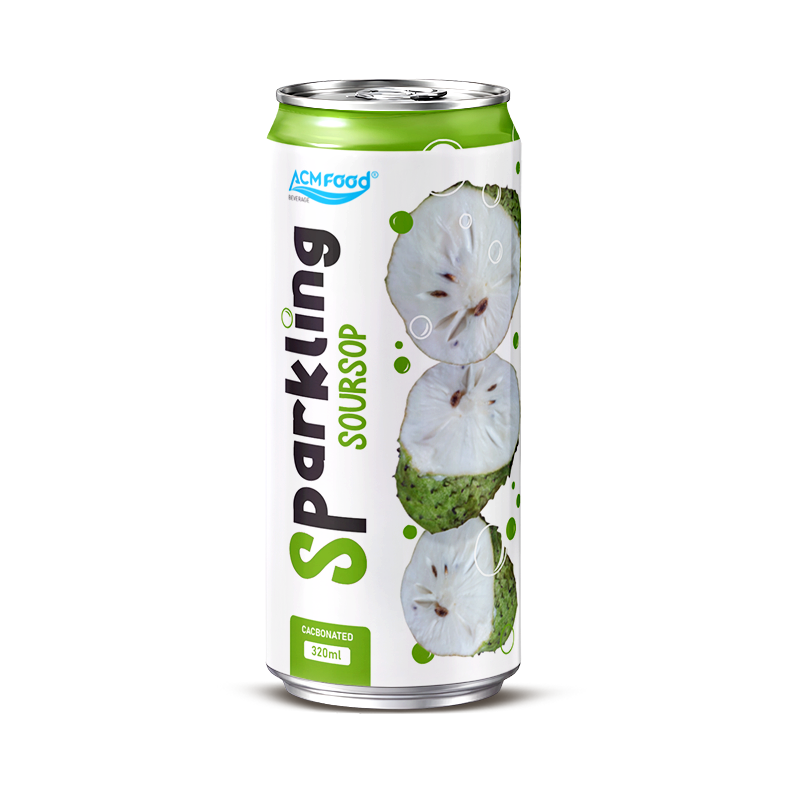
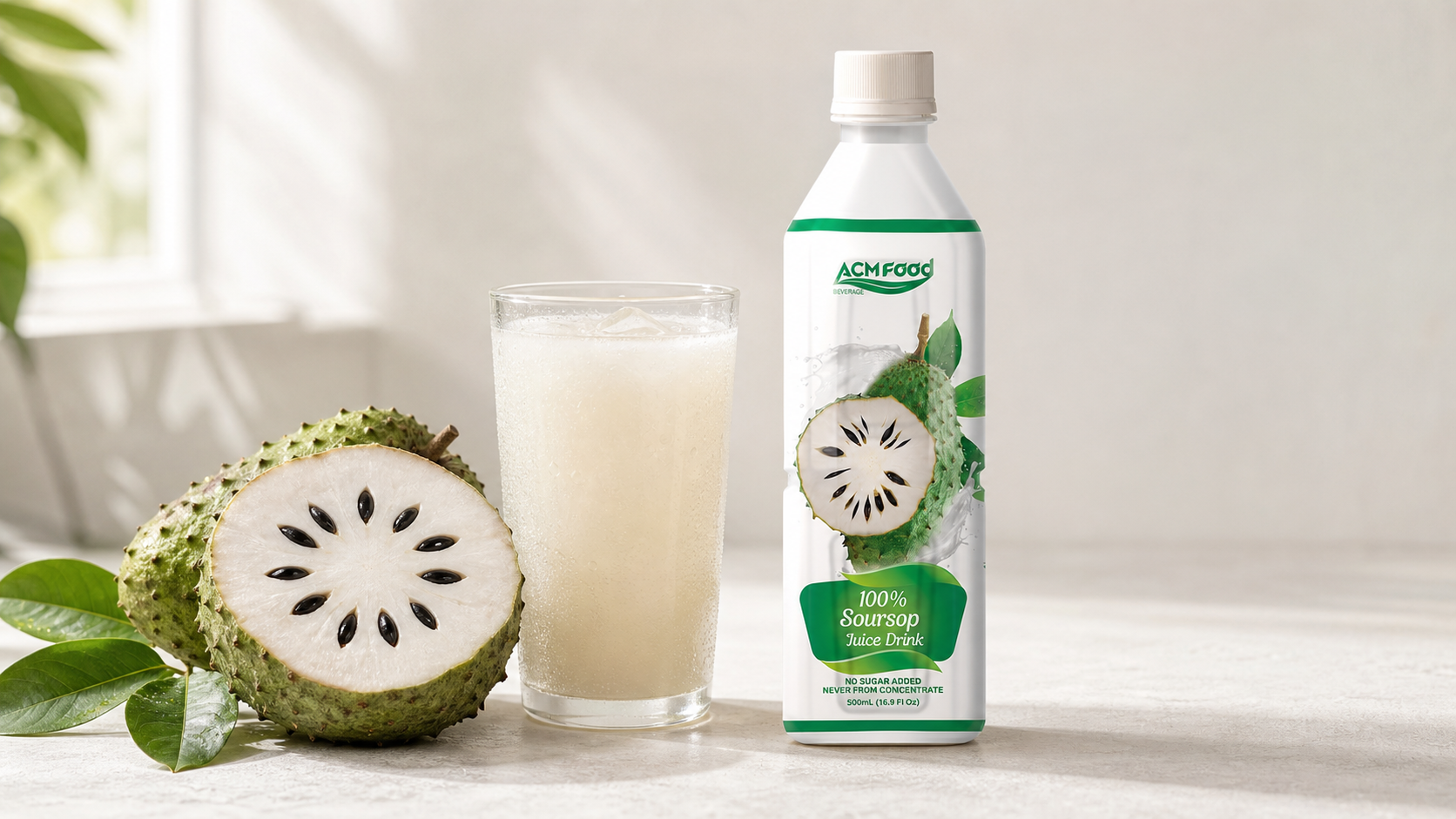
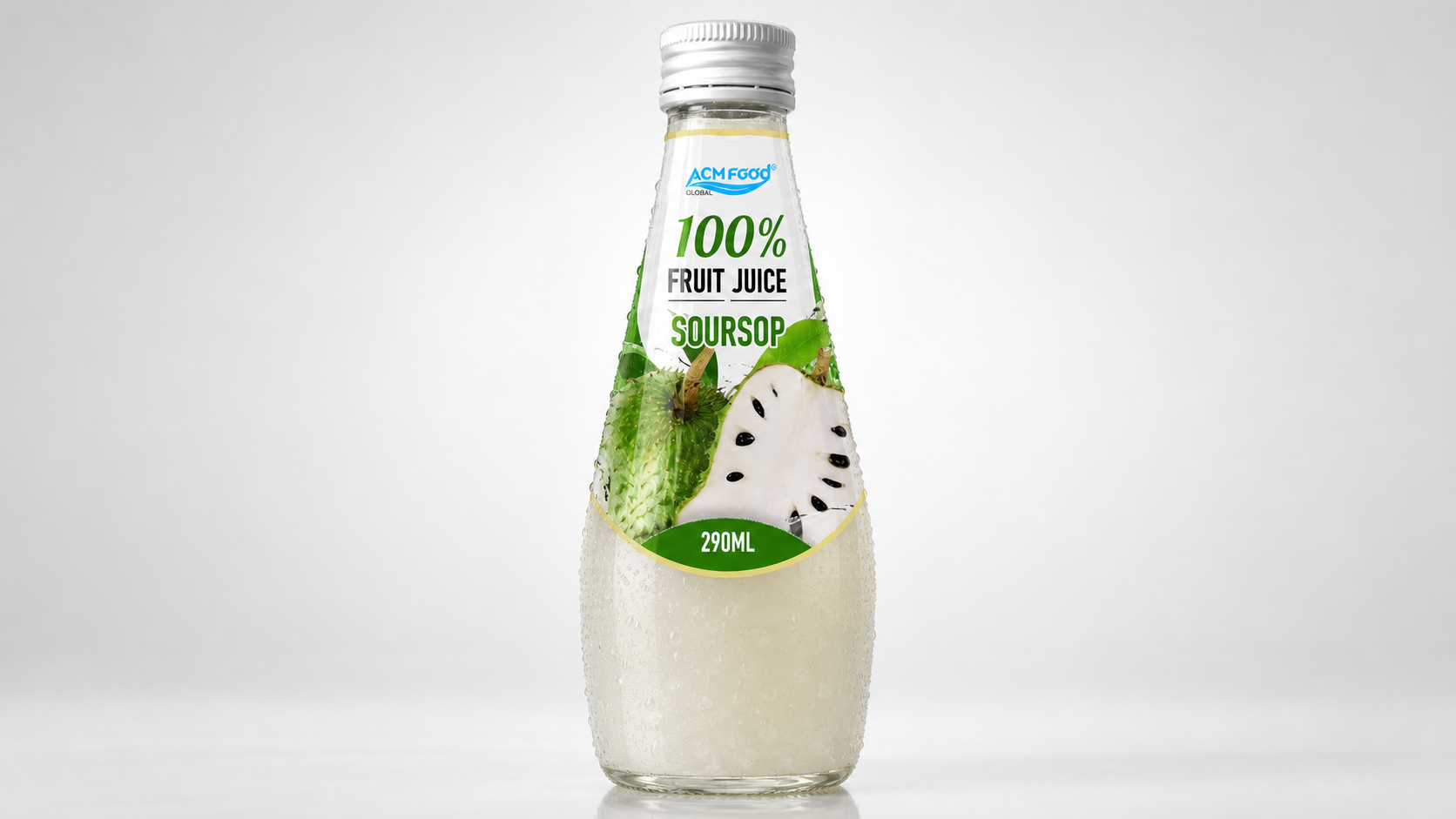
한국어Soursop juice is a beverage made by blending or pressing the white, aromatic flesh of soursop (also called graviola or guanabana) into a drinkable form, sometimes with water, pulp, or sweeteners. This guide explains nine practical soursop juice benefits, what influences them in real products, and how to enjoy soursop juice as part of varied, everyday choices.
Benefits depend on the type of product (100% juice, nectar, or juice drink), the amount of pulp retained, added ingredients, and how much you pour in a serving. The sections below focus on widely accepted nutrition and sensory characteristics of soursop juice, with a careful look at limitations and real-world use. For background on the fruit itself, see the soursop fruit overview and potential.
What are the top 9 soursop juice benefits?
The main soursop juice benefits include refreshing hydration; a quick source of natural carbohydrates; vitamin C and potassium content; appealing tropical aroma; a pulpy, smoothie-like texture in unfiltered styles; presence of plant polyphenols; strong versatility for blends; a sour-sweet balance that can help reduce added sugar in recipes; and everyday convenience compared with whole fruit.
1) Hydration and natural carbohydrates for quick refreshment
Most soursop juices are primarily water, which helps with hydration, while the fruit’s natural sugars provide quick energy for day-to-day activities. This combination makes soursop juice a satisfying option when you want something more flavorful than water, especially served cold over ice. Keep in mind that actual sugar levels vary widely across 100% juice, nectar, and juice drinks.
- Chilled soursop juice can feel especially replenishing in hot climates.
- Consider portion size and frequency if you’re watching overall sugar intake.
- Look for no-added-sugar options if you prefer a lighter profile.
2) Vitamin C content and tangy tropical brightness
Soursop fruit naturally contains vitamin C, and juices made from it can provide this micronutrient in varying amounts depending on fruit quality, processing, and storage. Vitamin C is widely recognized as part of a balanced diet, and its presence contributes to the lively, slightly tart character many people enjoy in soursop beverages.
- Juice that retains more of the fruit character may provide more of the fruit’s native vitamin C than highly processed options.
- Heat and storage can influence vitamin C levels over time.
- The tangy edge pairs well with sweeter fruits to create balanced blends.
3) Potassium and a gentle electrolyte profile
Soursop fruits contain potassium, and juices derived from them can provide some potassium depending on the recipe and processing. While levels vary, potassium is a commonly discussed dietary mineral in everyday nutrition. If potassium is important to you, check the nutrition panel; values differ substantially among brands and formats.
- Unfiltered, higher-fruit-content products may retain more minerals.
- Always verify labeled amounts; formulations differ across regions and brands.
- Consider overall dietary patterns rather than relying on any single drink.
4) Fragrant flavor that feels indulgent without dairy
One unique draw of soursop juice is its perfumed, creamy-sherbet aroma. Even when no dairy is used, the naturally custard-like flavor impression can make a simple glass of juice feel like a treat. This can help people choose fruit-forward options instead of heavier desserts when they want a tropical, dessert-like moment.
- Serve very cold to emphasize freshness and tame sweetness.
- A pinch of salt can heighten aroma in culinary contexts.
- Use as a mocktail base for special-occasion, alcohol-free drinks.
5) Pulpy texture and small amounts of fruit solids (in unfiltered styles)
If the juice is unfiltered or “pulpy,” it may include small amounts of fruit solids. While juice is generally lower in fiber than whole fruit, pulp-in styles can provide a fuller mouthfeel and a more smoothie-like experience. Always check the label for specifics on pulp content if texture matters to you.
- Unfiltered juices vary; some have fine cloudiness, others visible pulp.
- Pulp improves body and can help carry aromas longer on the palate.
- Shake well before pouring to redistribute natural fruit solids.
6) Plant polyphenols and other native fruit compounds
Soursop fruit contains various plant compounds, including polyphenols. These contribute to sensory properties like color and flavor and are widely discussed in the context of fruits in general. Actual compound levels in juice vary with fruit origin, processing, filtration, and storage. Taste, aroma, and color are often useful everyday cues that such native compounds are present.
- Less processing and shorter storage times can help retain more native character.
- Gentle heat treatments may balance safety and sensory quality; approaches differ by brand.
- If you value minimally filtered profiles, look for “pulp-in” or “cloudy” descriptors.
7) Versatility: blends, smoothies, mocktails, and frozen treats
Soursop plays well with other fruits such as mango, pineapple, passion fruit, banana, or citrus. The result can be creamy-bright, tropical blends that feel complex without being heavy. For ideas beyond the glass, soursop juice can become popsicles, sorbets, or yogurts and kefirs with a tropical accent.
- Blend with banana for a creamy smoothie base.
- Layer with pineapple or passion fruit for tang and perfume.
- Try ginger, lime, or mint to add a refreshing top note.
For pairing strategies that boost tang and freshness, explore how to combine mango to boost vitamin C and natural energy; many of those principles apply well to soursop, too.
8) Sour-sweet balance that can help reduce added sugar in recipes
The naturally tart-noted profile of soursop can help formulators or home cooks achieve satisfying sweetness with less added sugar than very low-acid bases might require. This is a culinary and product-development advantage rather than a guarantee; success depends on the full recipe, sweetener type, and the level of fruit used.
- Balance acidity with sweetness and salt to create rounder flavor.
- A touch of lime can brighten flavor, allowing sugar to be dialed back.
- Stevia or monk fruit can support sugar reduction in some recipes.
9) Everyday convenience compared with whole fruit
Whole soursop fruit is spiny, large, and delicate once ripe, which can limit availability and shelf life. Shelf-stable or refrigerated soursop juice offers a more convenient path to the fruit’s tropical experience. It’s also easier to measure for recipes, blend into smoothies, and serve consistently to guests.
- Look for formats that match how often you plan to drink juice (single-serve vs multi-serve).
- Consider storage needs at home: ambient, chilled, or frozen.
- Check best-by dates, and refrigerate after opening as directed.
What influences these benefits in real products?
Not all soursop juices are produced the same way. Product format, ingredient list, filtration (pulp level), heat treatment, and storage all shape your experience. This section outlines the key elements so you can read labels with confidence and choose a product that matches your goals.
- Fruit content: Higher fruit content typically means more intense aroma and flavor.
- Pulp level: Unfiltered juices feel fuller and may carry more native fruit notes.
- Added sugar or sweeteners: Compare ingredients and nutrition panels to fit your preferences.
- Acidity: A balanced sour-sweet profile can feel lively and less cloying.
- Processing & storage: Heat steps, packaging, and time affect sensory quality and some nutrients.
Serving suggestions and simple ways to enjoy
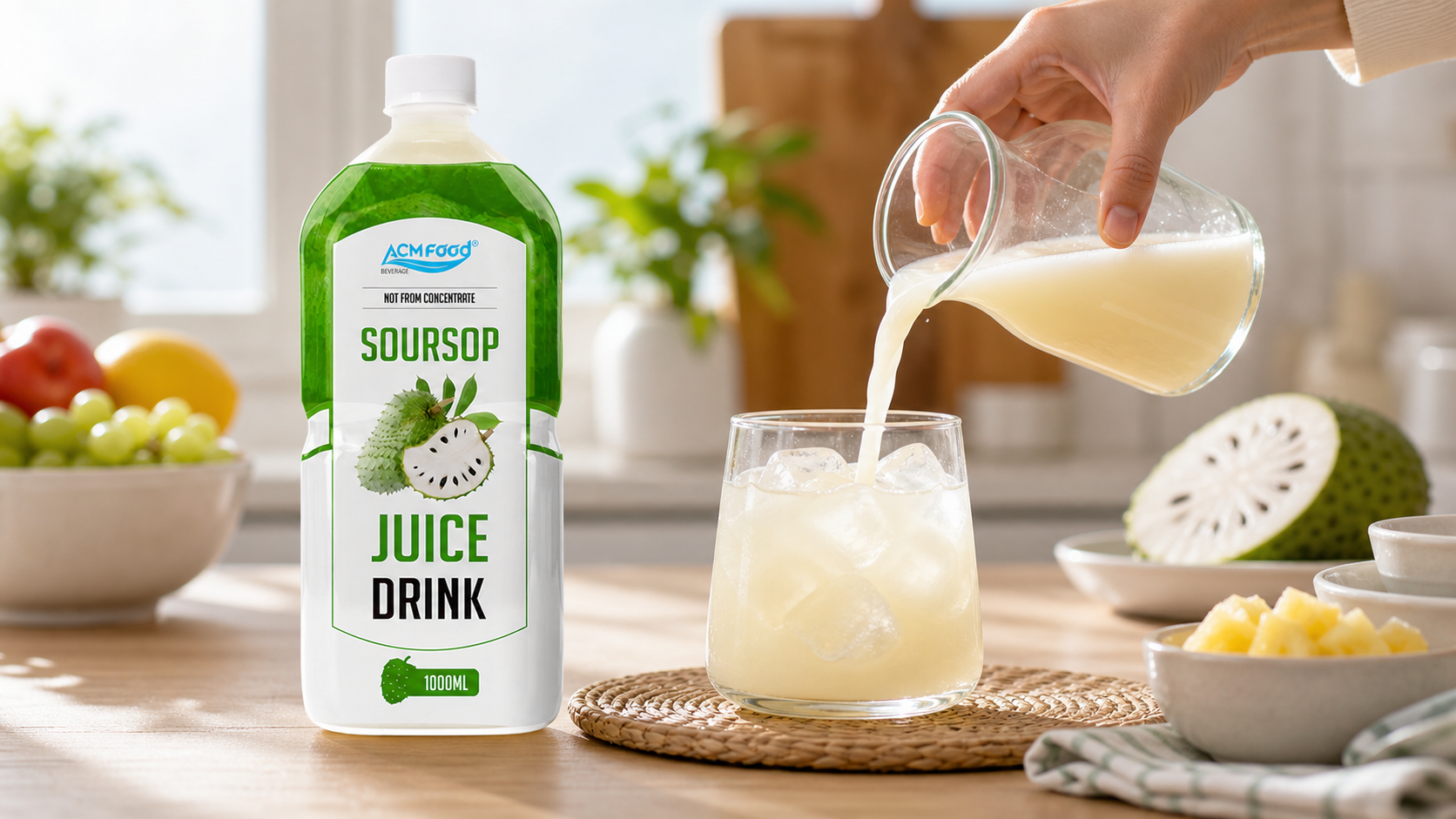
Enjoy soursop juice well-chilled to highlight brightness and freshness. For a creamy mocktail, shake with ice and a squeeze of lime, then strain into a rocks glass. For a breakfast smoothie, blend soursop juice with banana, a few ice cubes, and a spoon of yogurt. If you’re seeking a lighter-tasting drink, lengthen the juice with chilled sparkling water.
- Over ice: Emphasizes refreshment and aroma.
- Sparkling spritz: Half juice, half sparkling water for a lively sip.
- Frozen treats: Freeze into molds for quick tropical popsicles.
If you’re weighing the pros and cons of packaged juice generally, this perspective on is bottled fruit juice good reviews modern solutions and trade-offs that apply to tropical fruit beverages as well.
Formats: 100% juice vs nectar vs juice drink
Understanding the product format helps you interpret flavor intensity, sweetness, and labeling. While exact definitions vary by market, the table below captures common differences you may see on shelves.
| Format | Typical description | Taste & texture | Positioning & notes |
|---|---|---|---|
| 100% juice | Made only from fruit juice (from concentrate or not-from-concentrate), without added sugar in many markets. | Fruit-forward, can be tart; body varies with pulp level. | Often chosen when you want the fruit’s character without sweeteners; label rules differ by country. |
| Nectar | Fruit juice/puree blended with water; may include sugar or sweeteners. | Smoother, sweeter, sometimes thicker mouthfeel. | Common for tropical fruits with strong acidity; check labels for sugar content. |
| Juice drink | Lower fruit content, typically with water, flavors, and sweeteners. | Lighter fruit taste, more refreshing style. | Often positioned for affordability and easy drinking; read labels for details. |
For a broader category lens on why tropical fruits are popular in modern beverages, see tropical fruits in modern bottled juice production, including trends that influence flavor, sweetness, and packaging choices.
Flavor pairing ideas: build brighter, more balanced blends
Soursop’s custardy perfume pairs easily with fruits that bring either extra sweetness or bright acidity. Use these pairing notes to design drinks that feel complete and complex without becoming heavy.
- For roundness: Banana, mango, pear puree.
- For tang: Pineapple, passion fruit, lime.
- For freshness: Mint, cucumber, ginger.
- For body: Coconut water or a splash of coconut milk (culinary context).
To apply structured blending logic, learn how formulators use complementary fruits to balance sweetness and acidity in this guide on combining mango with other fruits. The same ideas can help you fine-tune soursop-based recipes at home.
Limitations and thoughtful notes
Like other fruit juices, soursop juice contains natural sugars and is generally lower in fiber than whole fruit. If you prefer more texture, choose pulpy products or incorporate soursop into smoothies with whole fruit and yogurt. Sensory qualities and nutrient levels vary by fruit origin, processing, and storage; check labels for the details that matter most to you.
- Moderation: Enjoy sensible portions as part of a varied diet.
- Label literacy: Compare ingredient lists, pulp descriptors, and nutrition panels.
- Storage: Follow chilling and “refrigerate after opening” instructions to preserve quality.
Information for beverage brands and buyers
For teams developing or sourcing soursop beverages, the nine benefits above translate into concrete product decisions. Below are practical checkpoints to capture the tropical appeal while aligning with regulatory and commercial realities. These ideas complement broader industry insights on tropical fruits in modern bottled juice production.
- Define the format early: 100% juice, nectar, or juice drink. Each has implications for fruit content, sweetness strategy, and labeling.
- Choose fruit form thoughtfully: NFC vs concentrate, puree vs juice, and target pulp level. These choices drive aroma impact, mouthfeel, and color stability.
- Balance Brix and acidity: A sour-sweet profile is central to soursop; refining this balance can help reduce added sugar without sacrificing fullness.
- Heat treatment: Consider gentle pasteurization regimes that secure safety while preserving desirable aroma notes. Validate shelf life through appropriate testing for your route to market.
- Flavor top-notes: Natural flavors (e.g., citrus, vanilla, or ginger) can polish aroma edges while staying true to soursop’s custardy profile.
- Stability: With pulpy styles, evaluate sedimentation, cloud stability, and shake-to-redisperse cues. Packaging transparency can make cloud changes more visible to consumers.
- Packaging formats: Multi-serve vs single-serve, ambient vs chilled chain. Match to consumption occasions and retail environments.
- Labeling and claims: Any nutrient or content claim depends on the final tested formula, serving size, and the rules of the destination market. Plan claims only after confirming verified values.
- Sensory testing: Triangle tests or hedonic panels can optimize sour-sweet balance, thickness, and aftertaste before scale-up.
For category context across juices and the trade-offs of packaged formats, see this analysis on modern bottled juice solutions. It’s useful when positioning soursop alongside other tropical SKUs or when building a value tiering strategy.
FAQ
Is soursop juice the same as soursop smoothie?
No. Smoothies usually blend whole fruits with ice or dairy/non-dairy bases and retain more solids. Many soursop juices are filtered and lighter. Unfiltered or “pulp-in” juices land somewhere in between, offering extra body without being full smoothies.
What does soursop juice taste like?
It’s creamy-tropical with a custardy, sherbet-like aroma and a gentle tang. Expect a sweet-sour balance, often described as a mix of pineapple, strawberry, and citrus notes, though exact flavor depends on fruit origin and recipe.
How should I store soursop juice?
Follow the package’s instructions. Ambient products typically store at room temperature until opening. Refrigerated or fresh-pressed options need chilling immediately. After opening, keep refrigerated and consume within the time stated by the brand.
Is nectar “better” than 100% soursop juice?
“Better” depends on your goal. 100% juice often carries stronger fruit character with no added sugar in many markets. Nectar can be creamier and sweeter, which some people prefer. Read labels and choose what fits your taste and dietary preferences.
Where can I learn more about soursop fruit itself?
For a deeper look at the fruit’s background, culinary uses, and business context, read the article on soursop fruit: nutrition and business potential.
Key takeaways
Soursop juice benefits span everyday hydration, vitamin C and potassium content, lush aroma, and flexibility across blends and serving styles. Remember that differences among 100% juice, nectar, and juice drinks influence sweetness, texture, and labeling. Enjoy soursop juice in sensible portions as part of a varied diet, and explore pairings to build flavor without excess sugar.
For product developers and buyers, lock in format, fruit form, pulp level, and sour-sweet balance early, then validate shelf life and labeling in your target market. With thoughtful formulation, soursop can anchor distinctive tropical SKUs in both premium and value ranges.
Sourcing this as a product
This page is written for readers. If you are a brand, importer or retailer looking to put a drink like this on shelf, the commercial side is covered separately: beverage product capabilities for the formats, ingredients and processes we run, private label beverages for launching under your own label, and contract beverage production for how a specification becomes a production run. To discuss a specification, request a quote.
Request a quoteSoursop as an export drink line
Soursop is one of the tropical fruits Vietnam processes reliably at volume, and ACMFOOD runs it as NFC juice in aluminium cans and in no-sugar-added PET. Because the pulp is thick and the flavour oxidises easily, the practical questions for a buyer are how the product is stabilised, who checks each lot, and whether you need capacity or a finished recipe.
- Start from a soursop recipe already in production — no development cycle to fund.
- In-line QC checks during the run — what is measured while the line is filling.
- Co-packing in Vietnam — if you bring your own formula and want our lines.