


 Français
 Español
 العربية
 한국어
한국어The benefits of strawberry juice center on its bright flavor, natural vitamin C, and polyphenol content, paired with the convenience of a ready-to-drink format. While the exact profile varies by fruit quality and how the beverage is made, strawberry juice is widely appreciated for color, aroma, and a refreshing taste that fits many drinking occasions.
This guide explains what strawberry juice is, the realistic advantages it can offer, how it compares with whole strawberries, and what to look for on labels. You will also find practical serving ideas, key limitations to keep in mind, and a brief section for brands and product developers considering strawberry juice for new SKUs.
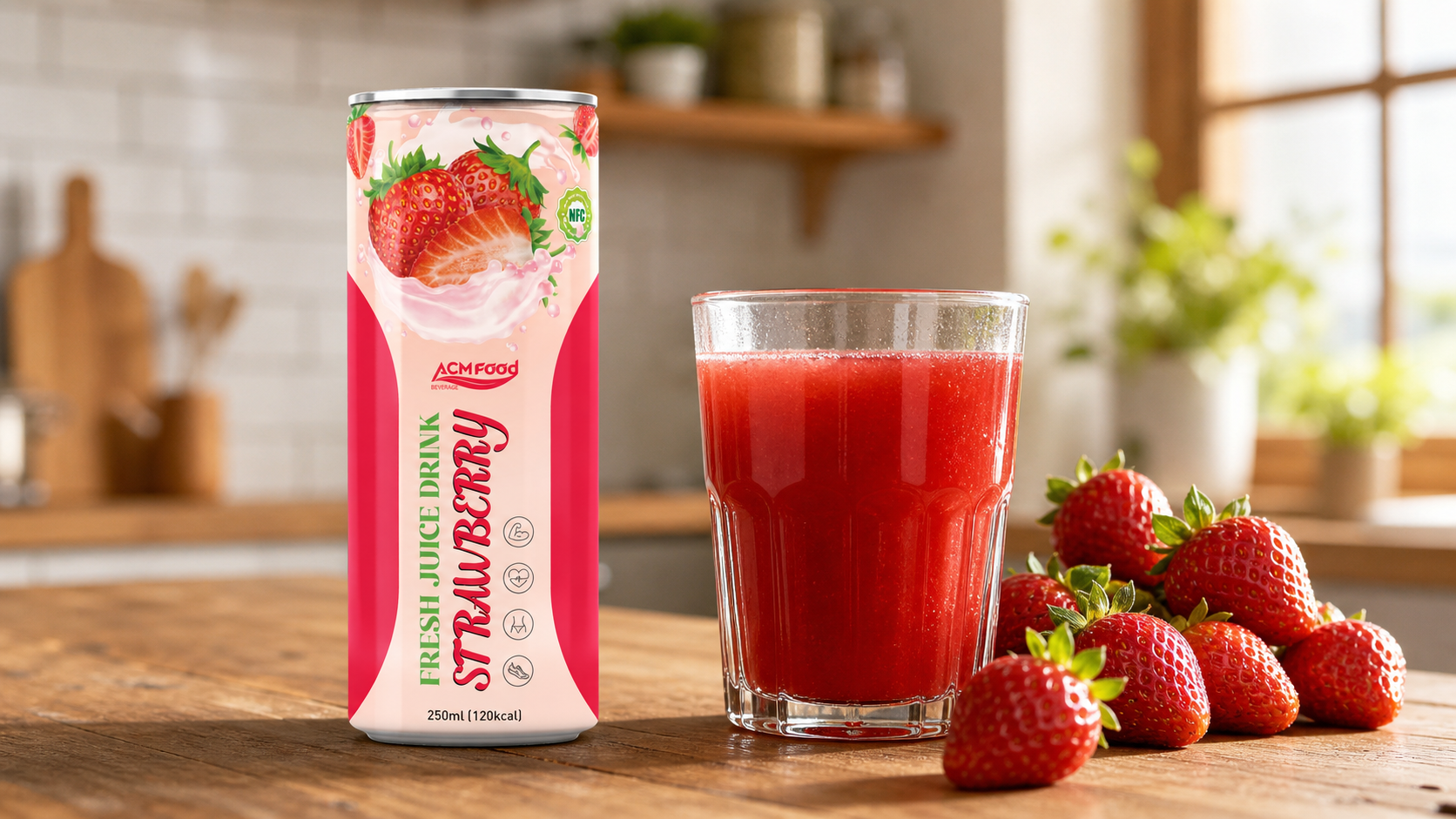
What is strawberry juice?
Strawberry juice is a beverage made by pressing, macerating, or blending strawberries into liquid, sometimes followed by clarification or fine filtration, and usually stabilized by pasteurization. Commercial products range from 100% juice and juice blends to nectars and juice drinks that may include water, sweeteners, acids, flavors, or other ingredients for taste and shelf stability.
What are the benefits of strawberry juice?
Strawberry juice can provide a combination of sensory and nutritional value: vibrant color, a naturally aromatic profile, and compounds found in strawberries like vitamin C and polyphenols. Benefits depend on product type (100% juice vs. nectar vs. juice drink), sweetening, processing, and serving size.
- Contains vitamin C: Strawberries are known to provide vitamin C, an antioxidant vitamin. Juice made primarily from strawberries can retain a portion of this nutrient, though amounts vary with processing and storage.
- Polyphenols & natural color: Anthocyanins give strawberries their red color; ellagic acid and other phenolics contribute to characteristic taste and a polyphenol profile. Visual appeal and perceived freshness often stem from this natural pigmentation.
- Refreshing flavor and aroma: Strawberry’s aroma compounds deliver a familiar, widely liked flavor that pairs smoothly with citrus, banana, apple, pear, and tropical notes in blends.
- Versatility across dayparts: From breakfast to afternoon refreshment and mocktails, strawberry juice fits multiple use cases at home and on menus.
- Blend-friendly base: Strawberry works well as a lead or supporting flavor in smoothies, sparkling mixes, teas, and functional formats where its taste helps mask bitterness from added botanicals or minerals.
- Convenience vs. whole fruit: Juice is portable and quick to serve, offering strawberry flavor when fresh berries are out of season or not at peak ripeness where you live.
For a deeper look at flavor and pigments, see our overview of strawberry juice antioxidants and flavor.
Is strawberry juice healthy?
Strawberry juice can be part of a balanced diet when chosen thoughtfully and consumed in moderation. Unsweetened options and 100% juice typically retain natural strawberry components, but remember that juice generally provides less fiber than whole berries and contributes natural sugars. Product type, formulation, and portion size make a real difference.
- Product type matters: 100% strawberry juice or blends with high real-fruit content differ from nectars and juice drinks that include water and sweeteners.
- Fiber is lower than whole fruit: Straining and clarification reduce pulp and fiber, changing satiety and texture compared with whole strawberries.
- Portion awareness: Consider serving size as part of daily energy intake, especially if you are watching sugars from beverages in general.
- Ingredient list and label: Look for clear statements like “100% juice,” presence of added sugars, added flavors, acids (e.g., citric), and whether the product is shelf-stable or requires refrigeration.
How does strawberry juice compare with whole strawberries?
Strawberry juice offers strawberry taste and certain fruit components with convenient serving, but it usually has less fiber than whole berries and may include added ingredients depending on the product. The better comparison depends on your goals: quick refreshment and flavor vs. texture, chewing, and the benefits of fiber from the intact fruit.
- Texture & satiety: Whole strawberries deliver chew, bulk, and fiber that can influence fullness differently from juice.
- Convenience & consistency: Juice reduces prep time and provides a uniform flavor, useful when fresh fruit quality varies seasonally.
- Culinary uses: Juice is easy to mix into spritzers, teas, smoothies, and frozen treats, while whole berries excel in snacking and desserts.
- Label clarity: With juice, read for fruit content, added sugar, and flavorings. With whole berries, check for origin and handling.
What shapes the nutrition, color, and taste of strawberry juice?
Several factors influence what you experience in the glass. Even within 100% juice, sensory and nutrient retention can differ substantially.
- Fruit variety and ripeness: Different strawberry cultivars vary in aroma, acidity, sweetness, and color intensity. Ripeness at harvest affects both taste and pigment levels.
- Processing steps: Maceration, pressing, enzymatic treatment, clarification vs. with-pulp finishing, and pasteurization all change mouthfeel and flavor notes. Heat steps help safety and shelf life but can alter aroma and pigment stability.
- Formulation choices: The presence of water, sweeteners, acids (e.g., citric, malic), juice concentrates, and natural flavors will shape sweetness perception, brightness, and aftertaste.
- Blending strategy: Strawberry often partners with apple or pear bases for roundness and cost efficiency, or with citrus for lift. Blends can balance flavor while adjusting Brix and acidity.
- Storage and light exposure: Time, temperature, and light can impact color and aroma over shelf life. Opaque or tinted packaging can help protect sensitive pigments.
Choosing between 100% juice, nectar, and juice drinks also affects taste and overall value. To understand shopper behavior around packaged beverages, explore the factors consumers consider when choosing bottled juice.
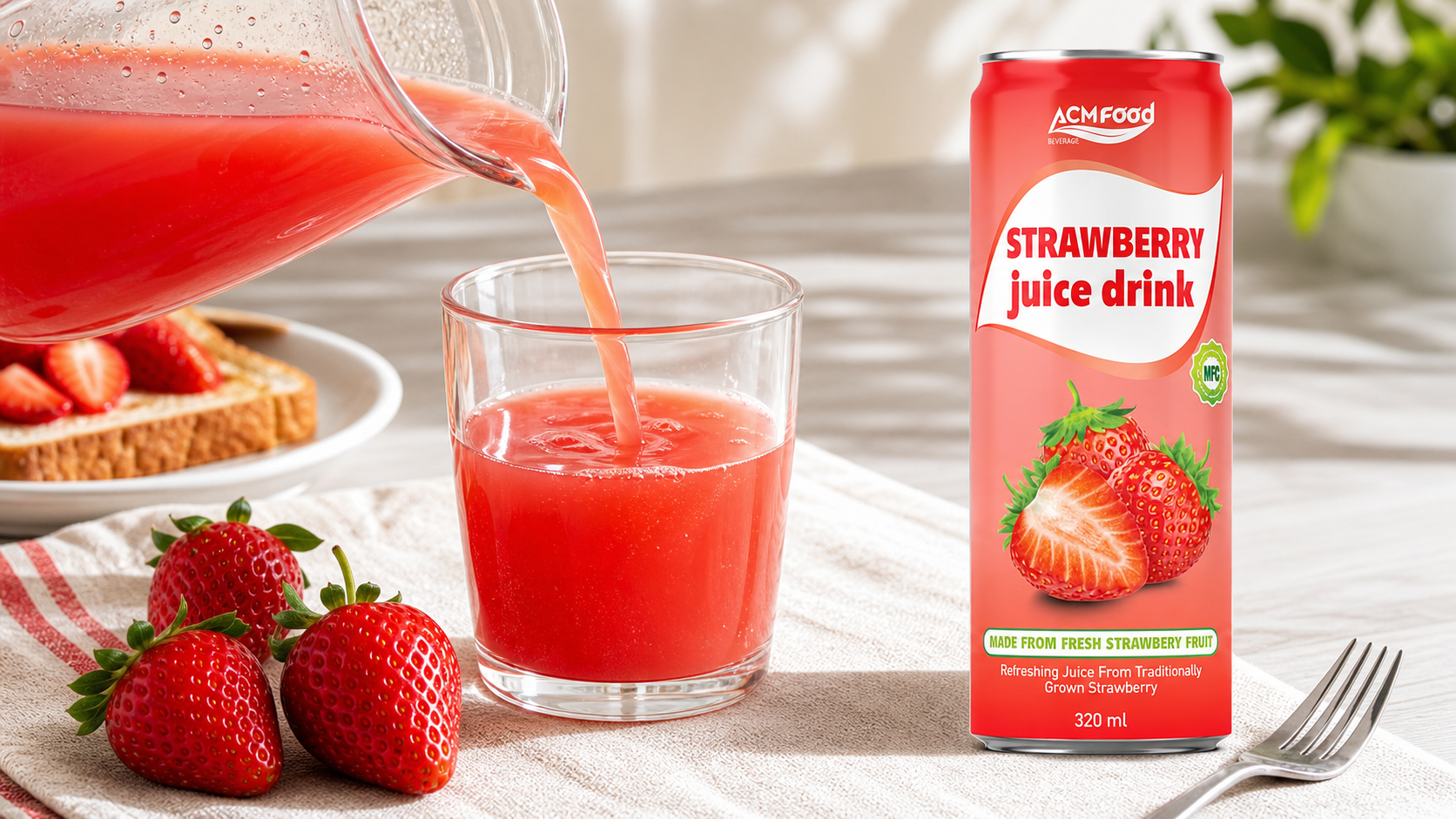
100% juice vs. nectar vs. juice drink
Strawberry beverages appear in multiple formats. The table below outlines typical differences. Always verify definitions and naming conventions for your market, since regulations vary.
| Format | Typical composition | Taste & mouthfeel | Positioning & notes |
|---|---|---|---|
| 100% juice | All fruit juice from strawberries and/or other fruits; no added sugars in many markets | Fruit-forward, variable thickness depending on pulp and processing | Emphasizes fruit content; label rules depend on market |
| Nectar | Fruit juice and/or puree with water; may include sweeteners and acids | Softer acidity, balanced sweetness; often smoother body | Common for fruits with intense flavor; check local definitions |
| Juice drink | Lower percentage of juice with water, sweeteners, flavors, acids | Light, easy-drinking; sweetness and aroma vary widely | Value-focused; read ingredient list for juice content |
Flavor notes: why strawberry juice tastes “fresh”
Strawberry’s signature comes from a bouquet of volatile compounds that suggest ripe fruit even at low concentrations. Gentle processing, controlled temperatures, and thoughtful acid balance can help preserve this “just-picked” impression. In blends, citrus can brighten the top notes while apple or pear smoothes mid-palate sweetness without masking strawberry’s identity.
Practical ways to enjoy strawberry juice
Keep it simple or get creative—either way, strawberry’s adaptability is a big reason for its popularity.
- Chilled in a small glass: A modest pour emphasizes taste while keeping portions reasonable.
- Sparkling refresher: Mix with cold sparkling water and a squeeze of lemon for lift.
- Iced tea twist: Combine with black or green tea over ice for a berry-forward spritz.
- Smoothie base: Blend with banana or yogurt; for color stability, add juice at the end and avoid excessive heat.
- Mocktails: Pair with basil, mint, or ginger; a salt rim or citrus peel can add contrast.
- Frozen pops: Freeze diluted juice with thin strawberry slices for a light dessert.
Limitations and common misconceptions
Strawberry juice offers real advantages, but a few caveats help set the right expectations.
- Not a fiber substitute: Juice is typically low in fiber compared with whole fruit.
- Natural sugars still count: Even without added sugar, fruit sugars contribute to daily energy intake.
- Color ≠ concentration of nutrients: A vivid red hue reflects pigments, but does not guarantee higher nutrient levels across the board.
- Labels can differ by market: Naming and claims depend on regulations; always check local rules if you are buying or formulating internationally.
- Juice is not a cure-all: No single beverage replaces a varied diet and overall healthy habits.
Information for beverage brands and product developers
Strawberry is a high-appeal, familiar flavor with broad market relevance across age groups. Translating that demand into a winning product requires attention to fruit quality, processing, color stability, and sugar strategy—plus careful positioning and compliance in your target market.
1) Ingredient choices and cost-in-use
- NFC vs. concentrate: Not-from-concentrate may showcase fresher aromatics; concentrate aids logistics and cost control. Trial both to confirm target sensory profile and price architecture.
- Purée in blends: Strawberry puree can add body and a more natural mouthfeel to complement clarified juice bases.
- Brix & acidity: Align perceived sweetness with your category norms. Strawberry acidity (often adjusted with citric or malic acid) needs balancing to keep the flavor lively but not sharp.
2) Color and flavor stability
- Anthocyanins are sensitive: Pigments respond to pH, temperature, oxygen, and light. Manage headspace oxygen, consider tinted or sleeve-labeled bottles, and validate pasteurization that preserves both safety and color.
- Light protection: Opaque secondary packaging or UV-protective materials can help minimize fading on shelf.
- Flavor top-notes: Natural strawberry flavors, used judiciously, can restore delicate volatiles affected by thermal processing.
3) Sugar strategy and clean-label positioning
- No added sugar options: If compliant with your market’s regulations, this positioning can enhance perceived naturalness.
- Sweetness balance without overshoot: Adjust Brix with blends or high-flavor fruits rather than relying solely on added sugars where possible.
- Reduced-sugar direction: Where permitted, low- or no-calorie sweeteners and flavor modulation may reduce sugar while maintaining taste; run stability and sensory trials to confirm acceptance.
4) Packaging and processing
- Format selection: PET, glass, and cans each convey different cues. Glass can suggest premium freshness; cans support portability; PET is light and shatter-resistant.
- Thermal vs. alternative processes: Choose a validated process that meets safety and shelf-life goals while protecting color and aroma. Always pilot test for pigment and flavor behavior.
- Serving guidance on-pack: Suggest chilled consumption and shake-if-pulp instructions to set expectations and improve at-home experience.
5) Quality, specifications, and compliance
- Clear specs: Define fruit origin options, color targets, pH, Brix, sensory descriptors, and allowed variability. Maintain tight process controls to minimize batch-to-batch drift.
- Analytical verification: Any nutrient or content claim (e.g., vitamin C source) must reflect the final formula, serving size, and market regulations—and be validated analytically.
- Label & claims: Use permitted product names (100% juice, nectar, juice drink) and compliant statements for your destination market.
For an example of how a development workflow and wholesale/OEM thinking come together in another category, review our page on sea moss juice wholesale and OEM services. If you are exploring tea-forward berry fusions or seasonal lines, the article on hibiscus tea market demand and RTD potential offers additional context on flavor trends and positioning.
Serving tips, portions, and pairing ideas
While portion size is personal and context-dependent, many people treat fruit juice as an occasional, modest serving within a balanced diet. If you prefer lighter refreshment, try diluting strawberry juice with sparkling or still water to extend volume while keeping the taste you want.
- Temperature and glassware: Serve well-chilled in a clear glass to highlight color; add ice for a longer sip if desired.
- Acid lift: A squeeze of lemon or lime adds sparkle and can make the beverage feel more refreshing.
- Herbal accents: Mint, basil, or rosemary contribute contrast without overpowering strawberry’s core identity.
- Food pairing: Works with yogurt bowls, granola, light pastries, and simple salads with soft cheeses.
For related reading on adjacent berry & fruit topics, see our quick guide to soursop juice benefits supported by research. Although the fruit and literature differ from strawberry, the way benefits are framed across product types is a useful comparison.
FAQ
Can I drink strawberry juice every day?
It can fit into a balanced diet, but keep an eye on portion sizes and the type of product you choose. Unsweetened or 100% juice options help you manage added sugars. Vary fruits and vegetables across the week rather than relying on any single beverage.
Does strawberry juice contain fiber?
Usually very little, especially in clarified products. If fiber is important for your goals, consider whole strawberries or juices with added pulp, and look at the nutrition label when available.
Is strawberry juice okay for children?
Some families serve small portions occasionally. Product type and sweetness vary widely, so many parents prefer modest servings of 100% juice or diluted juice. For any specific dietary questions, consult a qualified professional.
How should I store strawberry juice?
Follow the label. Shelf-stable products typically can be stored unopened in a cool, dry place, then refrigerated after opening. Refrigerated or fresh-pressed juices usually require cold storage and shorter consumption windows.
Why do some strawberry juices taste very sweet?
Several reasons: naturally riper fruit, blending with sweet fruits like apple or pear, or the addition of sweeteners in nectars and juice drinks. Check the ingredient list for clarity.
Where can I learn more about antioxidants in strawberry juice?
For flavor, color, and a broader antioxidant discussion, read our article on strawberry juice antioxidants and flavor.
Conclusion
Strawberry juice is popular because it brings together vivid color, familiar aroma, and an approachable taste, alongside naturally present components like vitamin C and polyphenols. The real benefits of strawberry juice depend on the specific product type, how it’s processed, and the portion you pour. If you love the flavor but want a lighter experience, dilute with sparkling water or choose smaller serves—an easy way to keep the refreshment while shaping sweetness to your preference.
For consumers, reading labels (100% juice vs. nectar vs. juice drink) and understanding formulation choices will help you find the right fit. For brands and developers, success comes from smart ingredient selection, color and aroma protection, compliant claims, and testing with real users before scaling. To explore how market context informs beverage decisions, revisit the factors consumers consider when choosing bottled juice and the overview of hibiscus tea market demand and RTD potential for inspiration on flavor strategy.
Sourcing this as a product
This page is written for readers. If you are a brand, importer or retailer looking to put a drink like this on shelf, the commercial side is covered separately: beverage product capabilities for the formats, ingredients and processes we run, private label beverages for launching under your own label, and OEM manufacturing in Vietnam for how production is organised. To discuss a specification, request a quote.
Request a quoteStrawberry as a beverage flavour at production scale
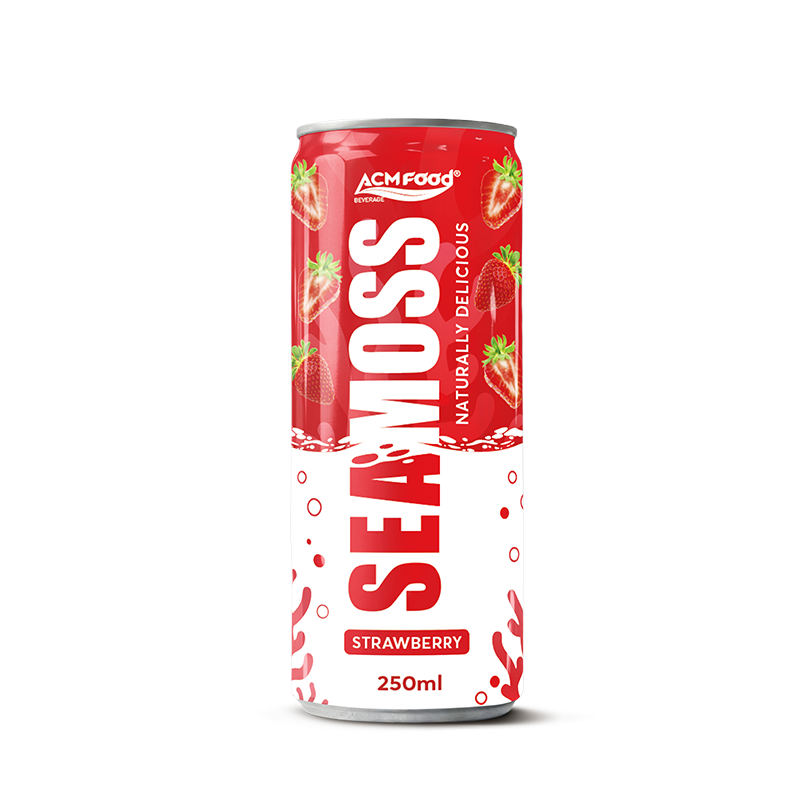
Strawberry works commercially across several bases — ACMFOOD fills it as NFC juice in 250ml cans and as a flavour in carbonated energy drinks. Colour retention and sugar level are the two variables that usually decide the specification, and both get locked before the first commercial run rather than after it.
- Brix, pH and shelf-life targets — where a strawberry specification is actually set.
- Brand a strawberry line without funding development — an existing recipe under your label.
- What a co-pack run needs from you — formula, artwork and material ownership.