


 Français
 Español
 العربية
 한국어
한국어Beverage manufacturing Australia typically refers to developing, producing, packaging, and labeling drinks that comply with Australian regulations and meet local consumer expectations for quality, taste, and sustainability. For Australian brands, the right partner and process determine speed to market, cost control, compliance confidence, and on-shelf performance.
This guide explains how beverage manufacturing for Australian brands works from brief to launch, including product formats, processing options, packaging, cost drivers, compliance, and how to evaluate onshore versus nearshore OEM and contract partners. You will also find a practical product brief checklist to align your team and suppliers before you start.
How does beverage manufacturing for Australian brands work end to end?
The process usually starts with a product brief and feasibility check, moves through bench formulation and pilot trials, then scales to commercial production, packaging, and distribution. At each step, decisions on ingredients, processing, labeling, and quality assurance must align with Australian rules and your positioning, budget, and launch timeline.
While every beverage is unique, most projects follow these high-level milestones:
- Discovery & brief: Define target consumer, flavor profile, nutrition targets, claims you aim to substantiate, pack format, shelf-life expectations, and budget envelope.
- Feasibility: Check ingredient availability, processing route (e.g., hot-fill, tunnel pasteurization, UHT, HPP), and packaging compatibility. Identify regulatory constraints on additives, sweeteners, colors, and any marketing claims.
- Formulation & bench samples: Build base formulation, sweetness-acid balance, flavor layering, color, and sensory profile. Evaluate variants against a clear scorecard.
- Pilot trials: Validate processing parameters, fill temperatures, carbonation levels (if applicable), closures, and immediate sensory impact.
- Stability & shelf-life studies: Conduct accelerated and real-time checks for flavor, color, sedimentation, carbonation retention, and microbial safety.
- Commercial run: Confirm quality plan, packaging artwork sign-off, line trials (if needed), and production scheduling with your contract manufacturer.
- Compliance & market entry: Finalize label information, logistics, and retail readiness (EANs, case pack, palletization, and any state-based container deposit requirements).
Which beverage formats are most common for Australia?
Brands in Australia compete across still and sparkling refreshment, juice-based drinks, coconut water, tea botanicals, dairy alternatives, sports and hydration, energy, and low/no alcohol. The right format depends on your brand promise, channels, and price architecture rather than trends alone.
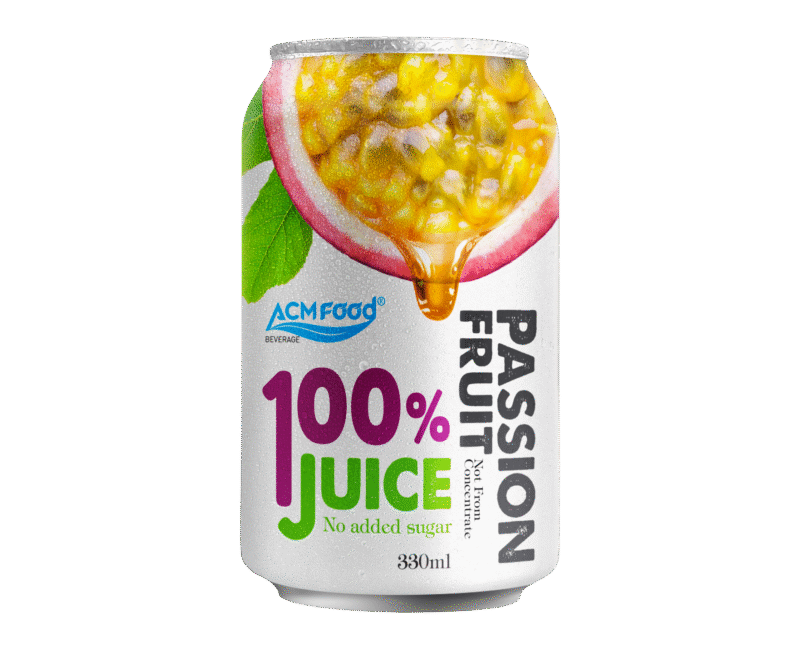
- 100% juice: All juice from fruit; often hot-filled or aseptically packed. Focus on varietal character and freshness cues.
- Nectar or juice beverage: Juice combined with water and/or sweeteners for a lighter, more affordable profile.
- Flavored or enhanced water: Lightly flavored still or sparkling water, often low sugar; clarity, aroma, and carbonation finesse matter.
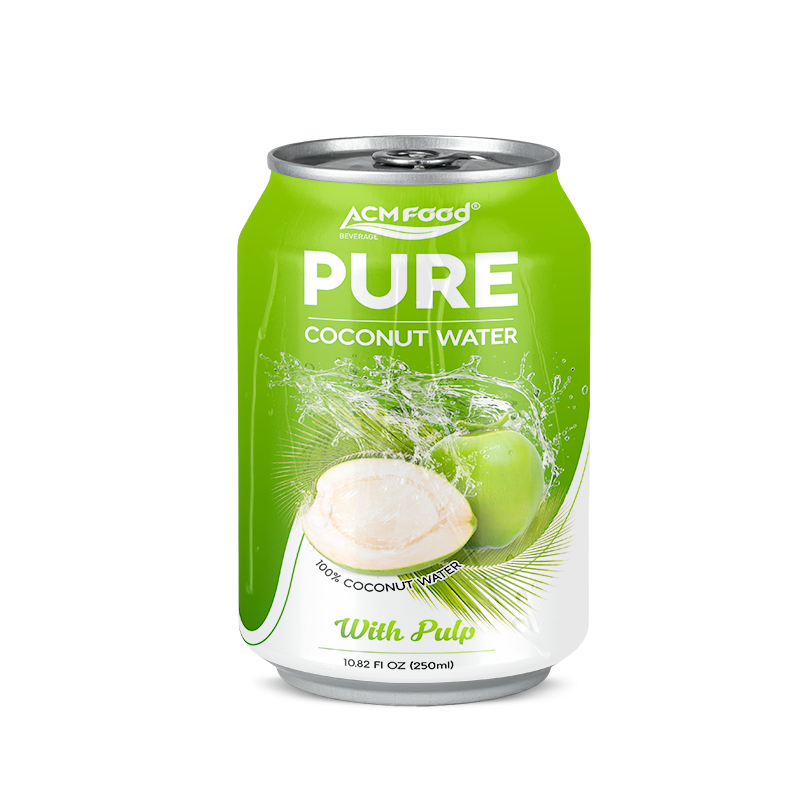
- Coconut water: Naturally hydrating taste profile; sensitive to heat and oxygen management. See fresh coconut water private label for positioning ideas.
- RTD tea & botanicals: Black, green, herbal infusions such as hibiscus or lemongrass; stability of color and aroma is key. Explore hibiscus tea RTD potential and a flavor-forward concept in ginger lemongrass drink.
- Sports & isotonic: Electrolyte-focused profiles; clarity, flavor release, and mouthfeel drive repeat purchase.
- Energy & functional refreshment: Taste-first formulations with compliant functional ingredients and label language.
- Dairy alternatives: Oat, almond, coconut variants with attention to emulsion stability and heat treatment.
- Low/no alcohol: De-alcoholized wine/beer styles and botanical apéritifs; balance bitterness, acidity, and aroma.
100% juice, nectar, and juice drink: what’s the difference?
These categories differ by how much fruit content they contain, how they are sweetened, and how brands position them on shelf. The table below offers a qualitative comparison you can use in early concepting.
| Format | Fruit content | Sweetening approach | Typical processing | Label focus | Positioning & notes |
|---|---|---|---|---|---|
| 100% Juice | All from fruit | From fruit only | Hot-fill or aseptic | Variety, origin, freshness cues | Premium, shorter ingredient list, higher COGS |
| Nectar / Juice Beverage | Fruit plus water | May include added sugar or sweeteners | Hot-fill or tunnel pasteurized | Flavor, refreshment, lighter body | Mid-price, broader flavor flexibility |
| Juice Drink | Lower fruit content | Often uses sweeteners | Hot-fill or cold-fill with post-pasteurization | Flavored refreshment | Value tier, more room for flavor innovation |
| Flavored / Sparkling Water | No fruit or essence only | Low or no sugar, sweeteners optional | Cold-fill with tunnel pasteurization or sterile filtration | Lightness, carbonation, fruit aroma | Highly sessionable, cost-efficient base |
Processing routes: choosing the right path for your liquid
Your processing choice should reflect flavor targets, shelf-life goals, packaging, and supply chain conditions. Heat and oxygen management largely determine color retention, aroma integrity, and microbial stability.
- Hot-fill: Effective for acid beverages in PET or glass; can impact delicate aromas if not optimized.
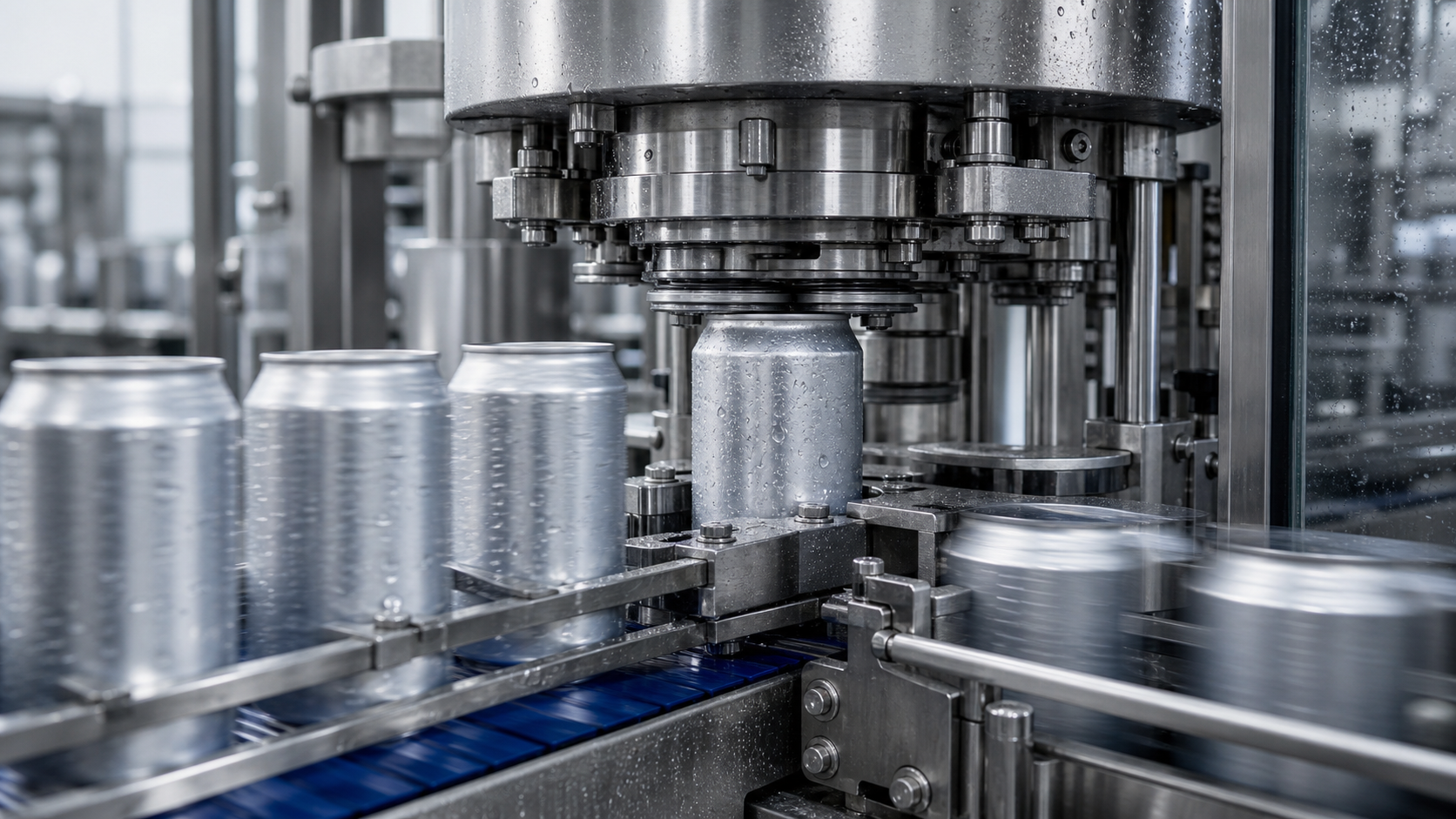
- Tunnel pasteurization: Common for cans and glass; provides in-package lethality and helps with distribution robustness.
- UHT / aseptic: For long ambient shelf life with minimal preservatives; aligns with cartons or aseptic PET.
- HPP: Useful for selected chilled lines seeking fresher profiles; requires cold chain.
- Sterile filtration: For certain low-turbidity beverages; depends on microbiological risk profile.
Tip: Lock the processing route before finalizing flavor, color, and sweetener systems. The same recipe can taste different under different thermal profiles.
Ingredients and sourcing: what to lock early
Secure strategic ingredients early—especially flavors, concentrates, botanicals, and functional components—because substitutes can alter sensory and labeling. Coconut water, for example, varies by origin and process. If coconut is your lead, review Vietnam coconut water sourcing for market context and supply considerations.
- Flavors: Define natural vs. nature-identical, heat stability, and allergen status.
- Acids & buffers: Set target pH and overall tartness; match to pack and process.
- Sweetness system: Sucrose, fruit concentrates, or approved sweeteners; balance onset and linger.
- Colors: Natural pigments often require chelators and light barriers for stability.
- Botanicals: Source consistent cuts/extract ratios; validate clarity or desired haze.
Packaging options for the Australian market
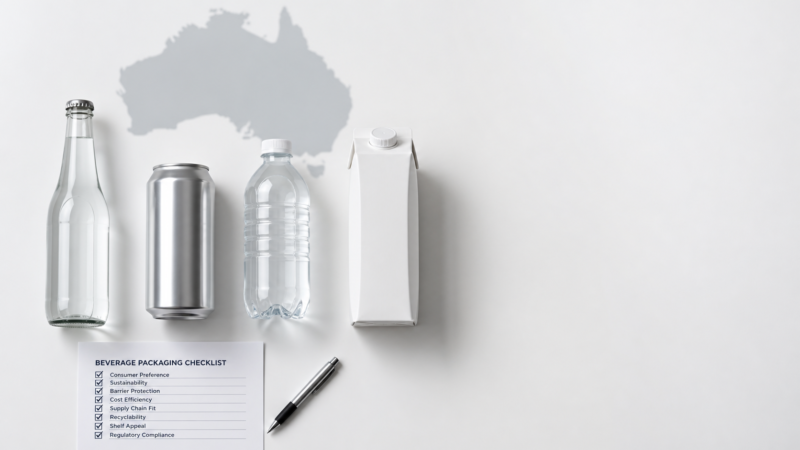
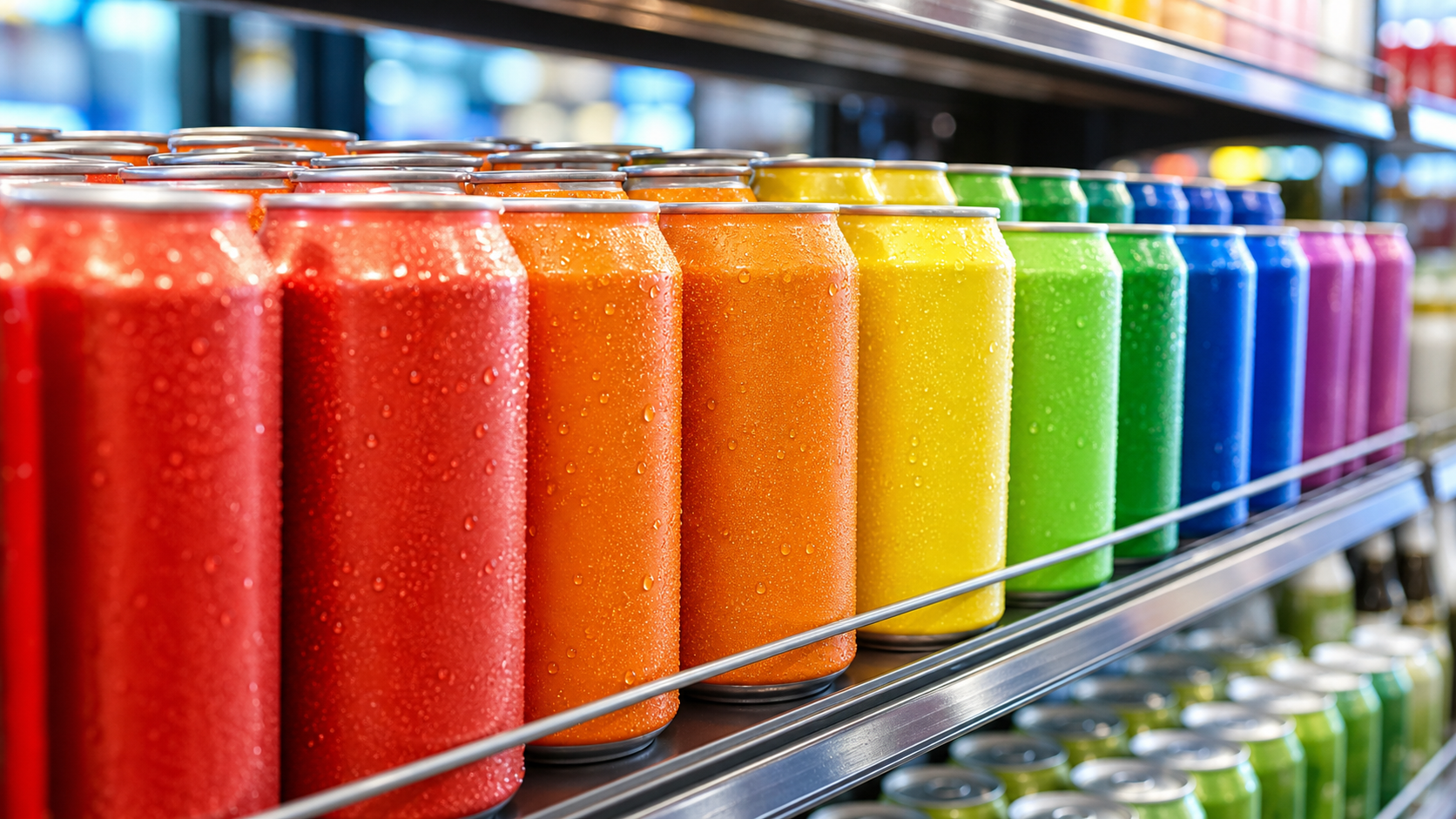
Pack format drives cost, sustainability profile, shelf presence, and line access. In Australia, aluminum cans, PET, glass, and cartons each have strengths. Cans continue to win in convenience and flavor protection for sparkling or light-sensitive profiles.
- Aluminum cans: Excellent for carbonation and light/oxygen control; strong recycling story. See why many brands prefer cans in coconut drink can packaging.
- PET bottles: Lightweight and shatter-resistant; suits hot-fill for juices and still refreshment.
- Glass: Premium cues and strong barrier; heavier and higher freight cost.
- Cartons (aseptic): Efficient for ambient shelf life; tamper-evident closures, family sizes.
Decide early on closure type, label/decoration (sleeve, paper, direct print), secondary packaging, case count, and pallet pattern. These choices cascade into total landed cost and retail operations.
Quality, sensory, and shelf-life: what buyers will notice first
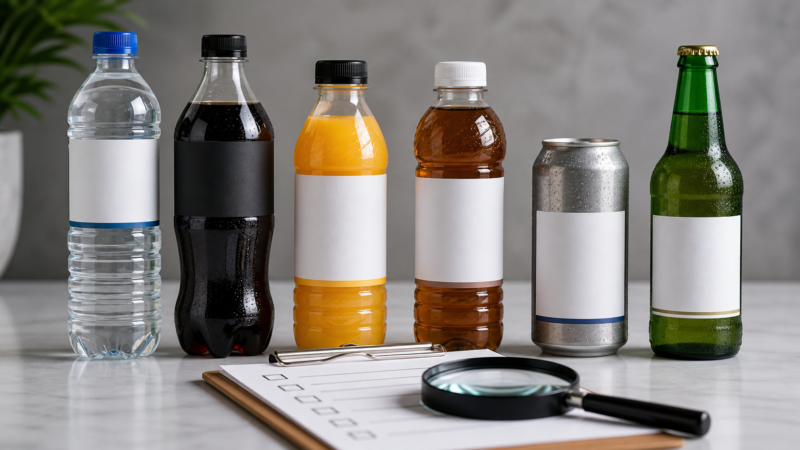
Australian shoppers are quick to reward beverages that stay bright, aromatic, and consistent. Your manufacturer should offer a clear quality plan covering raw material checks, in-process controls, and finished product release criteria.
- Micro and chemistry: Define target micro limits and chemical parameters (pH, Brix, carbonation) relevant to your formulation.
- Sensory guardrails: Build a reference standard and acceptance ranges for color, aroma, sweetness-acid balance, and mouthfeel.
- Light/oxygen: Align packaging and process to protect sensitive flavors (e.g., tea botanicals, citrus oils).
- Distribution testing: Validate stability under ambient, chilled, and temperature-abuse scenarios typical of your channels.
Regulatory and labeling considerations in Australia
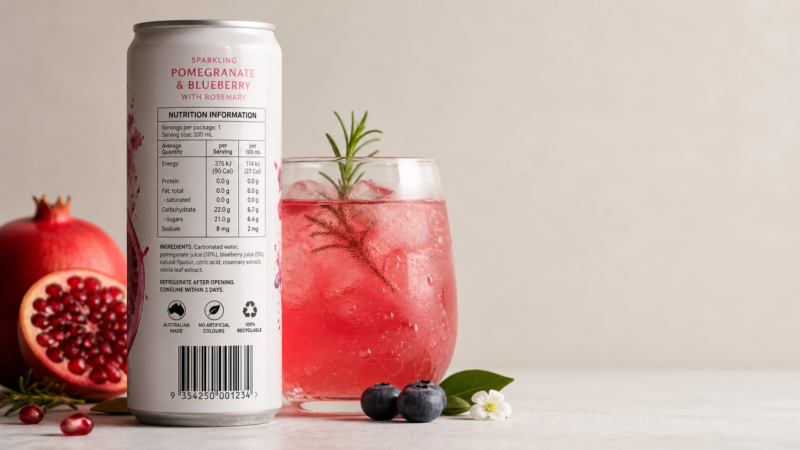
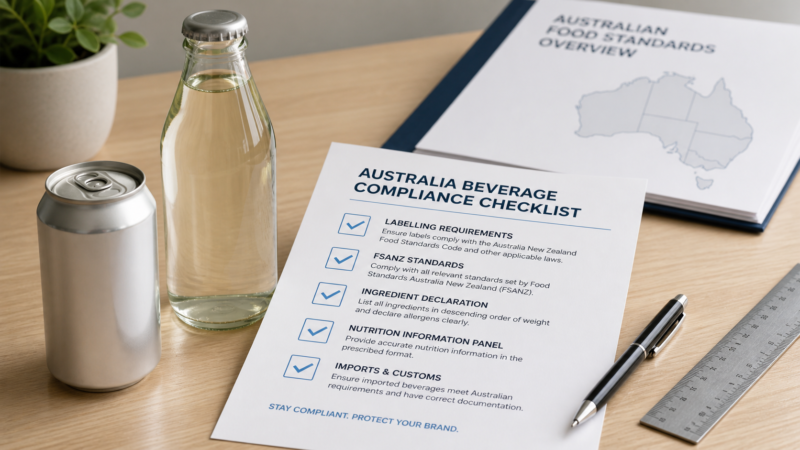
In Australia, the Australia New Zealand Food Standards Code (administered by FSANZ) governs beverage composition, permitted ingredients, additive use, contaminants, and labeling. Most retail beverages require an ingredient list, allergen declaration where relevant, a nutrition information panel, and appropriate warning/usage statements where applicable. Country of origin labeling applies to many foods, and state-based container deposit schemes may add marking and operational requirements.
Ensure any claims—such as sugar content descriptors, flavor descriptions, or origin statements—are accurate, substantiated by your final formulation and documentation, and acceptable for the target market. When in doubt, seek professional regulatory review before printing.
Onshore vs. nearshore: should you produce in Australia or in Southeast Asia?
There is no universal best choice. Many Australian brands combine local development with overseas production for selected SKUs, or vice versa. The right decision balances total cost to shelf, control, speed, and the strategic value of proximity to raw materials.
| Criterion | Onshore in Australia | Nearshore in Vietnam / SEA |
|---|---|---|
| Control & collaboration | Closer time zones and site visits | Stronger proximity to tropical inputs (e.g., coconut) |
| Ingredient access | Good for local and imported staples | Direct access to regional fruits, botanicals, coconut |
| Lead times | Reduced shipping time to AU warehouses | Plan for ocean freight and customs timelines |
| COGS structure | Higher labor & utilities; lower freight | Competitive conversion costs; inbound freight to AU |
| Sustainability | Shorter domestic legs | Potentially shorter ingredient legs; longer finished goods legs |
| Capability fit | Strong in cans, PET, glass lines | Specialization in coconut water and tropical RTDs |
If coconut is central to your range, review market context in Vietnam Beverage Market 2026: sourcing coconut water. For brand building angles and SKU strategy, see why coconut water is a high-potential product.
Cost drivers: where your COGS is set
Understanding cost structure early helps you design a margin-positive product. Most beverage COGS fall into these buckets:
- Ingredients: Concentrates, juices, flavors, acids, sweeteners, botanicals, and processing aids.
- Primary packaging: Cans or bottles, closures, labels or sleeves, and decoration.
- Conversion: Filling, pasteurization, utilities, labor, line changeovers, and loss factors.
- Quality & compliance: Testing, documentation, and any certifications you pursue.
- Secondary packaging & logistics: Trays, cartons, pallets, and freight to your DC or importer.
Design to cost: Lock target shelf price and retailer margin model, then back-calculate allowable COGS. Adjust pack size, recipe intensity, and decoration to stay within guardrails while protecting your brand promise.
R&D and formulation: how to win on taste
Sensory wins categories. Australia’s diverse palate rewards clean, layered flavors and drinkability. Nail sweetness-acid balance, top notes, and finish; then stress-test in real use (e.g., over ice, cold from the fridge, or ambient).
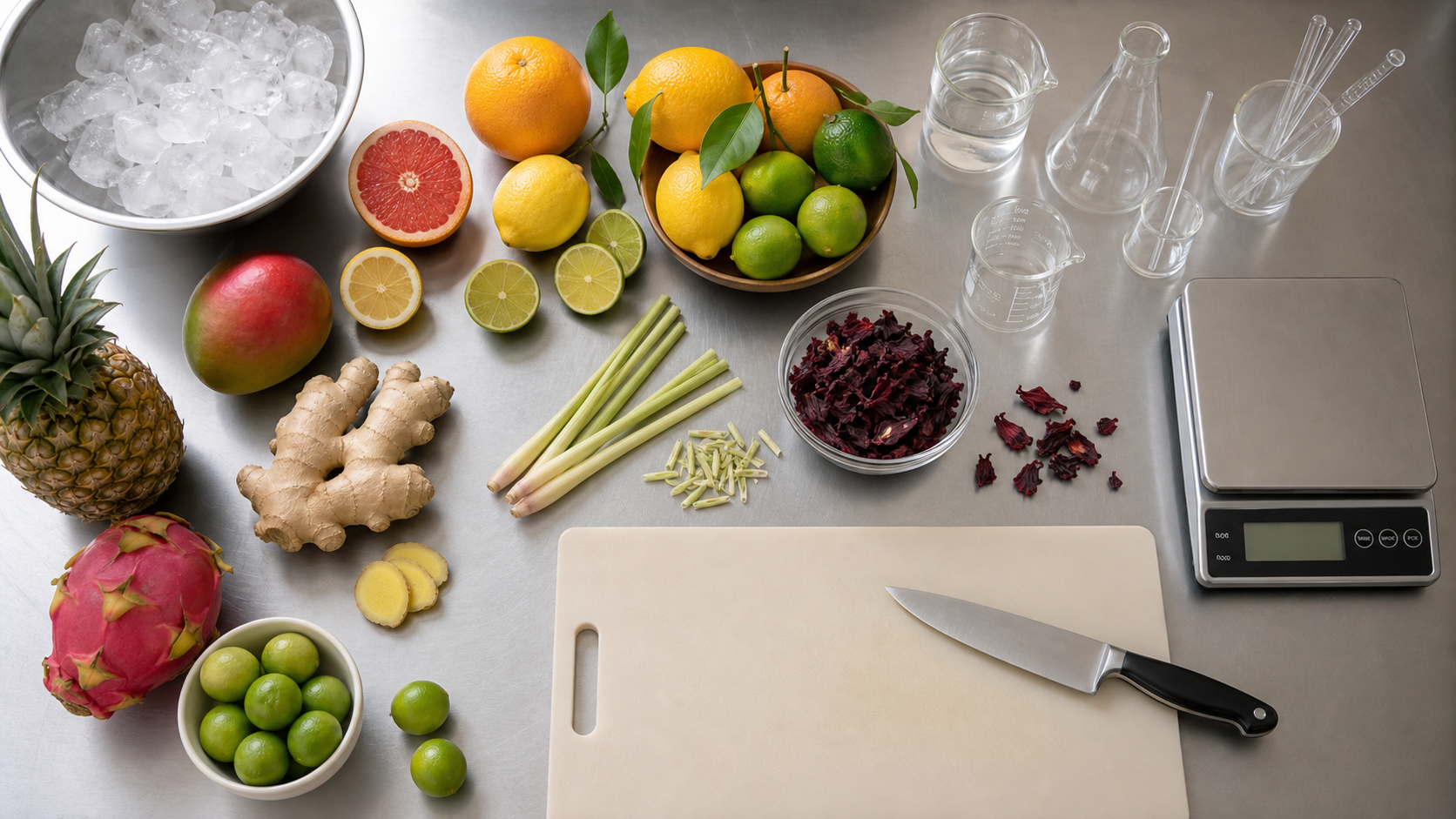
- Flavor layering: Pair a primary fruit with a botanical accent—e.g., citrus plus lemongrass or hibiscus—to add complexity.
- Matrix compatibility: Carbonation boosts aroma but can sharpen acid; hot-fill can soften fresh tea notes unless optimized.
- Color stability: Natural reds and greens may need chelation, light barriers, and pH tuning.
- Mouthfeel & body: Consider hydrocolloids or juice solids for body without heaviness.
For inspiration on botanicals and consumer cues, explore formulation ideas in a ginger lemongrass RTD concept and category dynamics in hibiscus tea in RTD.
Commercial artwork and label build
Artwork should be developed in parallel with formulation once key claims and ingredient statements are set. Keep a single source of truth for all label copy to avoid inconsistencies between SKUs.
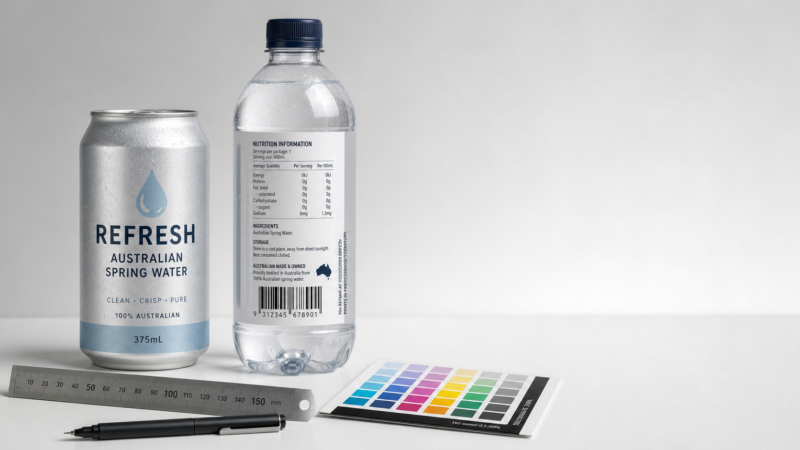
- Front-of-pack: Brand, flavor naming, net contents, and strong visual cues.
- Back-of-pack: Ingredient list, allergen statements where required, nutrition information panel, storage/usage guidance, and supplier/importer details as applicable.
- Operational marks: Barcodes, use-by/best-before date location, and any state scheme markings.
Working with a beverage manufacturer in Australia
Whether you choose a beverage manufacturer Australia based or a nearshore partner, set expectations early on communication, samples, trials, and approvals. Effective projects share two traits: decisive governance and disciplined documentation.
- Contact cadence: Weekly check-ins during development, with action logs and owners.
- Sample handling: Time-stamped, labeled samples stored under defined conditions for fair evaluation.
- Change control: No formulation or pack changes without written impact review on cost, timeline, and compliance.
- Pre-production meeting: Confirm specifications, test plans, acceptance criteria, and hold/rework pathways.
Distribution, warehousing, and temperature
Design your product for the real journey. Ambient shelf-stable products face heat spikes in transit; chilled products need robust cold-chain partners. Clarify your intended storage and distribution conditions in the brief so your manufacturer can choose the right process and packaging.
- Ambient SKUs: Prioritize oxygen and light barriers; validate pasteurization lethality and post-process hygiene.
- Chilled SKUs: Confirm expected days in transit and time to shelf; test flavor after temperature fluctuations.
- Seasonality: Consider summer heat and holiday peaks when planning production windows.
Product brief template: what to include
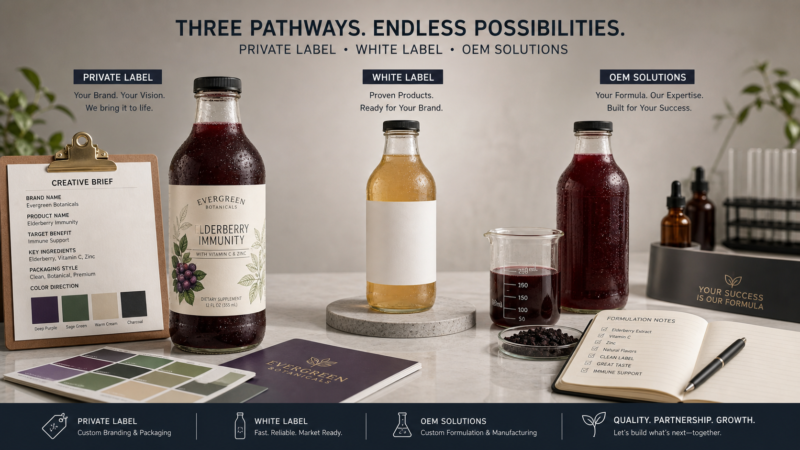
A strong brief reduces rework, protects your budget, and aligns teams. Use this checklist as a starting point:
- Positioning: Consumer, occasion, price tier, and competitive set.
- Flavor & sensory: Lead profile, sweetness-acid target, carbonation level (if any), color guidance.
- Nutrition & ingredients: Desired energy/sugar direction, ingredient preferences, allergen considerations.
- Claims & messaging: Claims you intend to pursue, with evidence plan and regulatory review responsibility.
- Processing: Preferred routes, thermal sensitivity notes, and shelf-life target.
- Packaging: Format, size, closure, decoration, case count, pallet pattern.
- Quality: Test plan, acceptance ranges, retain samples, and complaint handling.
- Commercials: Target COGS, forecast volumes, and launch timing windows.
- Compliance: Label copy owner, sign-off workflow, and market-specific requirements.
Common pitfalls and how to avoid them
- Undefined guardrails: Without a target COGS and claims plan, scope creep is inevitable.
- Late pack decisions: Changing format or decoration after trials can reset your timeline.
- Under-tested stability: Skipping accelerated and distribution testing risks in-market issues.
- Over-reliance on a single supplier: Dual-qualify critical inputs where feasible.
- Artwork last-minute: Build artwork in parallel with formulation and compliance review.
How to evaluate contract beverage manufacturing Australia options
When shortlisting partners, focus on capability fit, communication quality, and pragmatic problem-solving. A factory’s line list tells only part of the story—probe for how they manage changeovers, schedule tight launches, and handle edge cases.
- Category experience: Ask for relevant case studies without confidential details.
- Process control: Review HACCP plans and typical in-process checks for your beverage type.
- Trial access: Understand pilot facilities, trial windows, and sample turnaround.
- Artwork & packaging support: Can they guide die-lines, sleeves, and carton specs?
- Communication: Clear points of contact, escalation path, and documentation discipline.
Innovation pipeline: keeping your range fresh
Plan a roadmap beyond the launch SKU: seasonal flavors, pack sizes, and limited editions keep interest alive. Lightly sparkling botanicals, coconut-based blends, and tea-driven SKUs remain versatile platforms for Australian shoppers.
For coconut-led innovations, study coconut water as a high-potential product to map your laddered range from core hydration to flavor-led editions.
Retail readiness and go-to-market
Retailers expect reliable supply, consistent quality, and a clear shopper story. Align your go-to-market with retailer resets, sampling windows, and any category review cycles. Confirm shippers, shelf trays, and planogram fit early so your pack wins in real space—not just in renders.
When a nearshore partner makes sense
Nearshoring can be compelling when your key ingredients are regional, when you need specialized processing (e.g., for coconut water), or when your economic model benefits from overseas conversion costs even after freight. Balance this with your need for fast iterations and your tolerance for longer logistics legs.
FAQs: beverage manufacturing Australia
FAQs: beverage manufacturing Australia
Can I manufacture overseas and sell in Australia?
Yes—many brands produce abroad and sell in Australia. Your product and label must comply with Australian requirements, including composition and labeling rules, and you should have clear importer/supplier details. Engage a regulatory specialist before artwork finalization.
What minimum order quantities do manufacturers require?
MOQs vary widely by pack type, line efficiency, and decoration method. Some partners offer pilot or semi-commercial runs, while others prefer full-scale volumes. Share forecasts early so your shortlist reflects your scale.
How long does a beverage launch usually take?
Timelines depend on complexity, trial availability, packaging lead times, and regulatory review. You can accelerate by finalizing your brief, locking the pack early, and scheduling trials as soon as feasibility is confirmed.
Do I need a local address on pack?
Labels generally include supplier or importer contact details appropriate to the market of sale. Confirm the exact requirement for your product with qualified regulatory counsel before artwork sign-off.
Which pack is best for a sparkling botanical drink?
Aluminum cans are frequently chosen for carbonation retention and light protection, with sleeves or direct print for impact. Learn more in this discussion on switching to coconut drink can packaging.
Conclusion
Beverage manufacturing Australia is about aligning an excellent brief, a capable partner, and disciplined execution. Choose the right format and processing route for your sensory goals, confirm labeling and compliance early, and design to cost without compromising your brand promise. Whether you produce onshore or nearshore, the brands that win set clear guardrails, test thoroughly, and maintain a steady innovation pipeline.
Next steps: sharpen your brief with the checklist above, explore category playbooks such as fresh coconut water private label, and map suppliers whose capabilities align with your pack choice, volumes, and commercialization timeline.
Manufacturing for Australian brands
If you are sourcing for the Australian market, start with manufacturing to your own specification for what the production side covers, certifications and food safety systems for the evidence importers and retailers require, and export and logistics for shipping terms and documentation. To price a programme, request a quote.
Request a quoteWhere to go next
Planning an Australian launch? The Australia beverage market page covers the full OEM and private label programme for Australian brands and importers: MOQ 500 cartons per SKU, 15-30 day production, HACCP / ISO 22000 / FSSC 22000, and shipping from Ho Chi Minh City. Request a quote and we reply within 24 hours.