


 Français
 Español
 العربية
 한국어
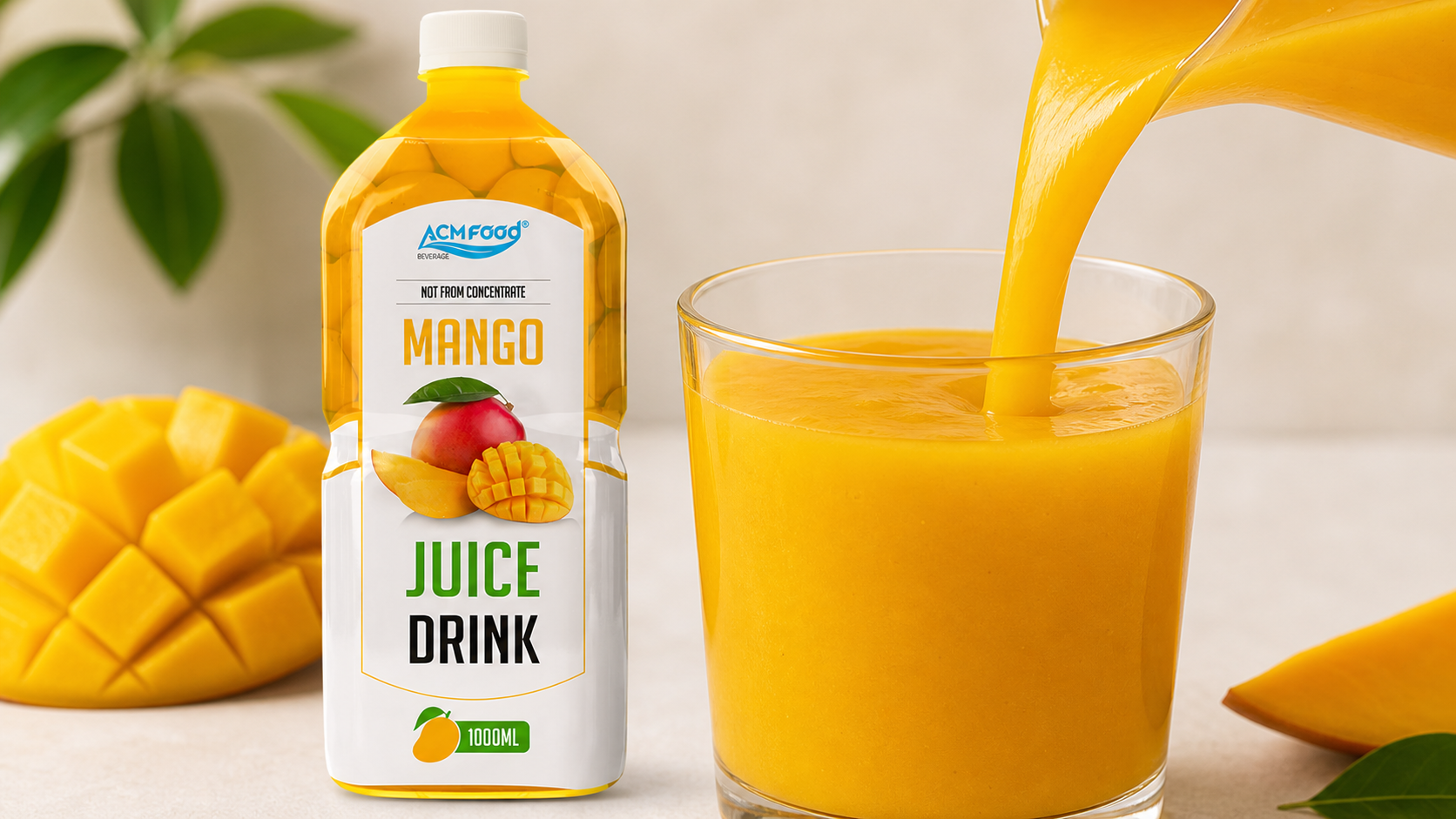
한국어Mango juice is made by pressing, blending or processing ripe mango into a drinkable form, ranging from clear filtered juice to thicker purees and nectars. Its nutrition and sensory qualities depend on mango variety, processing, and whether it is 100% juice, nectar or a juice drink with added ingredients.
This guide explains 10 mango juice benefits grounded in nutrition and food science, what varies by product type, and how to enjoy mango juice in a balanced way. You will also find practical tips and product development notes for beverage brands exploring mango-based innovations.
What is mango juice and how is it made?
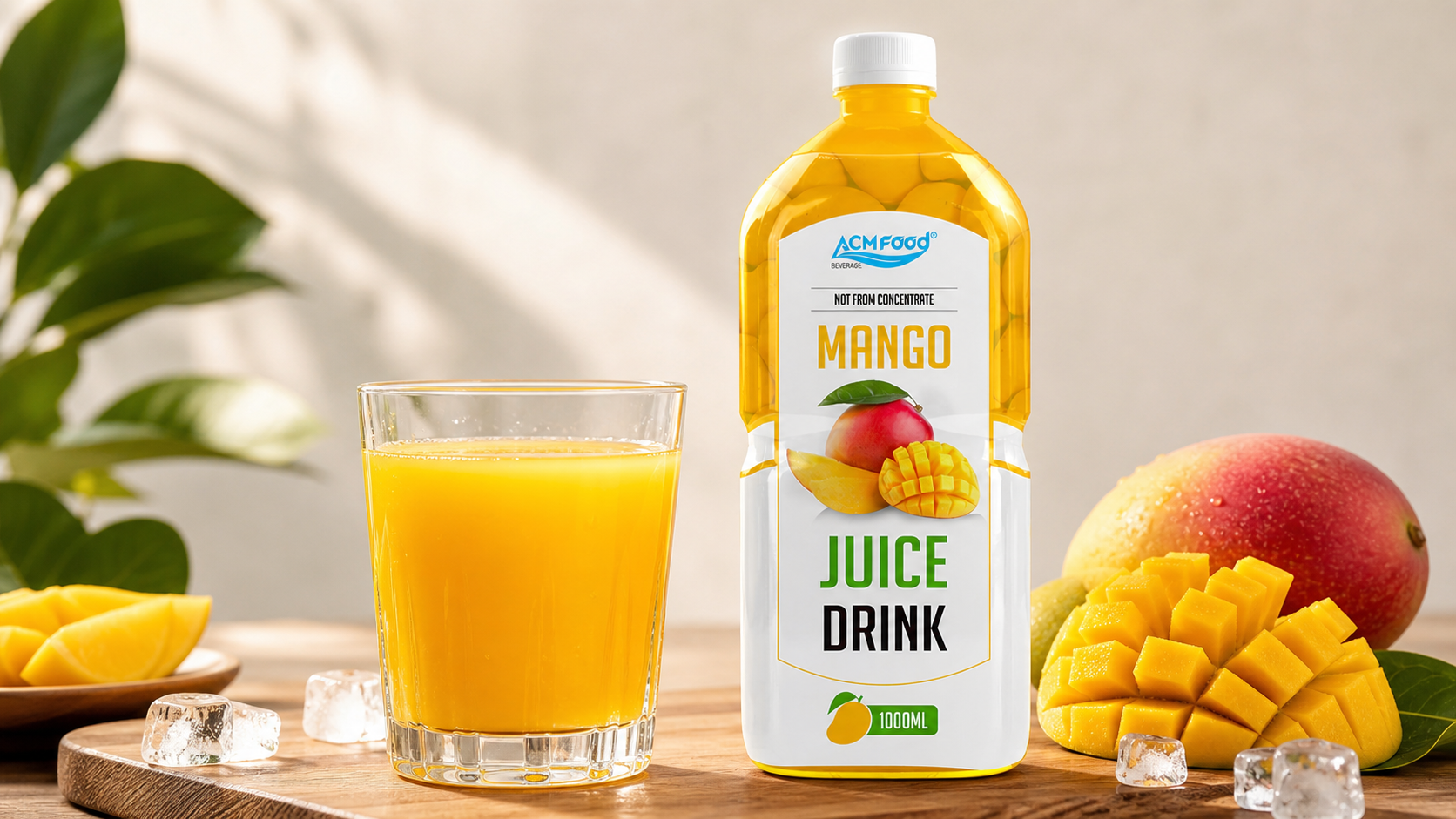
In general, mango juice starts with ripe mango that is washed, peeled, deseeded and pulped. The pulp may be gently pasteurized, then filled as puree, blended with water into nectar, or clarified into a smoother, lighter juice. Some products are not-from-concentrate, while others are made by reconstituting concentrate. Formulas range from 100% mango to blends with other juices, water, sweeteners, acidulants and flavors. These choices shape color, aroma, thickness, sweetness-acidity balance and how well the beverage holds up over shelf life.
10 mango juice benefits at a glance
Here are ten practical mango juice benefits you can expect from well-formulated products, with short notes on why they matter and where limitations apply.
- Vitamin C content: Mango-based beverages typically provide vitamin C, a nutrient widely present in fruits. Amounts vary by fruit maturity and processing, but many mango juices contain this vitamin as part of their natural profile or through optional fortification. Vitamin C is sensitive to heat and oxygen, so retention depends on handling and shelf-life conditions.
- Provitamin A carotenoids: Mango naturally contains carotenoids such as beta-carotene, which the body can convert into vitamin A. Mango juice and nectars often retain some of these colorful pigments, contributing to the drink’s golden hue and offering a source of carotenoids. Levels depend on variety, pulp content, and processing.
- Potassium presence: Mango and many fruit juices provide potassium, a dietary mineral found in plant tissues. The exact content in mango juice varies by formulation (100% juice vs nectar vs juice drink) and pulp level. Checking the nutrition label is the best way to understand how a specific product contributes potassium within your diet.
- Polyphenols and natural color compounds: Mango contains a range of phytonutrients, including polyphenols and xanthophylls, that contribute to its color and characteristic aroma. While processing can reduce some delicate compounds, well-managed juice production helps retain appealing color & flavor. For more on fruit polyphenols, see the benefits of pomegranate fruits for a related example in another fruit.
- Hydration from water-rich fruit: Mango juice is primarily water, so it contributes to daily fluid intake. Some formulations also include electrolytes naturally present in fruit or added during development. This makes mango juice a refreshing option when served chilled, particularly in warm climates or after light activity, as part of overall hydration—not as a sole hydration strategy.
- Quick energy from natural carbohydrates: Like other fruit juices, mango juice contains natural sugars that provide readily available energy. This can be useful around light activity or when you need a simple, palatable carbohydrate source. Serving size and frequency matter, and many people pair juice with foods that offer protein or fiber for balance.
- Flavor acceptance and fruit variety: The ripe, tropical aroma of mango makes it appealing to a wide range of palates, including those who may not eat much whole fruit. Mango juice can help broaden fruit variety in daily choices. While it does not replace the fiber of whole fruit, it can complement fruit intake, especially in smoothies or blends that include fiber-containing ingredients.
- Culinary versatility: Beyond sipping, mango juice works in smoothies, mocktails, sorbet bases, vinaigrettes and marinades. Its bright flavor pairs with citrus, passion fruit, pineapple, coconut water, ginger, mint and herbs. This versatility makes it useful for both home cooks and product developers seeking layered flavor systems without adding artificial notes.
- Sensory appeal and color: The saturated golden-orange color of mango juice signals ripeness and tropical character, which can elevate the perceived quality of a beverage lineup. As a base or accent, mango brings body and aroma that complement other fruits, botanical extracts and light spices in limited-edition or seasonal releases.
- Year-round accessibility: Because mango juice is available in multiple formats—from chilled not-from-concentrate to ambient nectars and shelf-stable blends—it can be enjoyed year-round, regardless of fresh mango seasonality. This supply flexibility also helps brands maintain consistent SKUs and consumers maintain consistent preferences.
Does mango juice have fiber?
Generally, mango juice contains little to no fiber compared with whole mango. Clear or filtered juices have the least fiber, while thicker nectars and purees retain more pulp and may offer some fiber—still typically less than the whole fruit. If you want fiber, consider pairing mango juice with foods like oats, yogurt, chia, nuts or whole grains, or choose blends that include fiber-containing ingredients.
Nutrition and formulation nuances that influence benefits
Not all mango juices are the same. The benefits you experience depend on:
- Product type: 100% juice, nectar or a juice drink each has different ingredient rules and typical pulp levels.
- Processing: Clarification, heat treatment and storage can influence vitamin retention, aroma and color stability.
- Blends & fortification: Other juices, added vitamins or minerals, and botanical extracts can shift nutrition and taste.
- Serving size & frequency: Juice adds carbohydrates and calories; consider portions that fit your overall diet.
- Pairing: Serving mango juice with protein- or fiber-rich foods can create a more balanced snack or meal.
Product development considerations for beverage brands
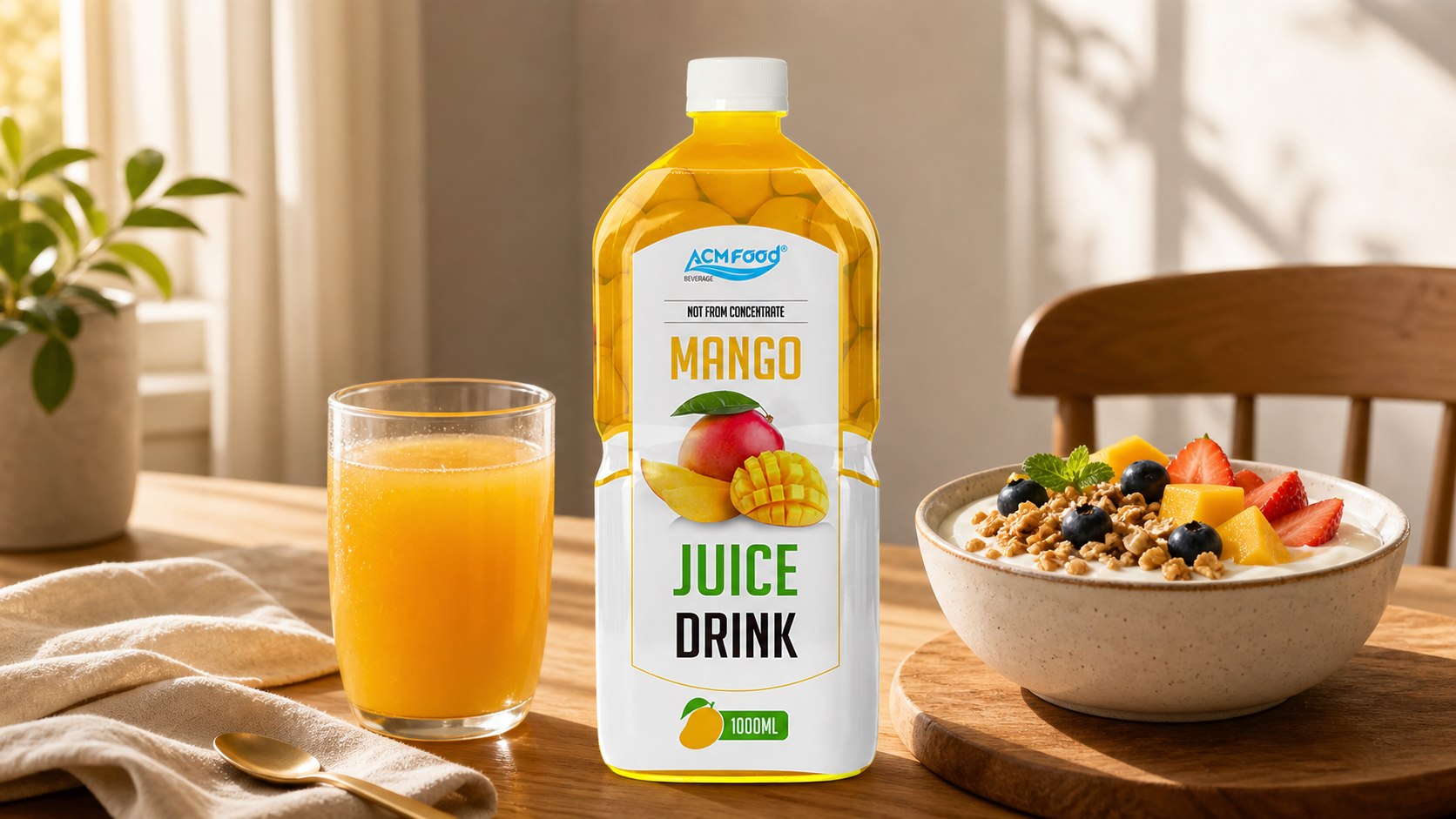
For brand owners and R&D teams, mango is a versatile platform for both mainstream and premium concepts. The key is to translate the fruit’s natural strengths into reliable, scalable, label-ready products without overpromising on health claims.
- Define your product category clearly: Decide whether your SKU will be 100% juice, nectar, or a juice drink. Each comes with different expectations on fruit content, sweetness, mouthfeel and price point.
- Set a flavor architecture: Mango can be the hero or a supporting note. It blends well with citrus for brightness, passion fruit for tang, pineapple for tropical lift, and ginger for a subtle spice halo.
- Balance sweetness & acidity: Mango is naturally sweet and benefits from thoughtful acidification (e.g., citric) to sharpen flavor and improve perceived freshness without pushing sourness.
- Color and turbidity management: Clarified juices showcase brightness and clarity; nectars deliver creamy body and a denser hue. Consider consumer expectations and usage occasions.
- Thermal process impact: Heat treatments safeguard safety and shelf life but can modulate aroma and vitamin retention. Pilot trials help optimize time/temperature curves for your format.
- Stability and shelf life: Pectin levels, particle size distribution, and homogenization influence separation. Stabilizer systems may be used where allowed to maintain uniformity in nectar or smoothie-style products.
- Labeling & claims: Any nutrition claim or claim-like language depends on tested content, serving size and destination market regulations. Keep phrasing factual and compliant.
- Packaging choices: From chilled PET to ambient Tetra Pak and glass, packaging affects oxygen exposure, light sensitivity, logistics costs and perceived premium cues.
- Sugar and calorie positioning: Explore reduced-sugar styles through blending lower-sugar juices, using dilution where permitted, or leveraging non-nutritive sweeteners if regulations and brand positioning allow.
- Testing & scale-up: Conduct sensory, shelf-life and transit tests to confirm color, aroma, mouthfeel and label targets hold up under real distribution conditions.
| Format | Typical composition | Positioning & notes |
|---|---|---|
| 100% mango juice/puree | Mango juice or puree only; may be NFC or from concentrate | Maximizes fruit identity; thicker mouthfeel if puree; label simplicity |
| Mango nectar | Mango puree + water; may include sugar and approved additives | Creamier body; approachable sweetness; broad family appeal |
| Juice drink/blend | Mango with other juices, water, sweetness and permitted flavors | Flexible cost & profile; can create light, refreshing options |
Exploring adjacent fruits can inspire architecture, cost, and flavor strategies. For reference across categories, see this tamarind juice OEM guide and a complementary guava juice OEM guide. If you target floral-tropical profiles, learn from why choose lychee juice OEM to inform sweet-aromatic balancing and usage occasions.
Mango varieties and flavor notes
Mango varieties differ in sweetness, acidity, aroma and color. For example, Alphonso is known for intense aroma and deep color; Kent often brings sweetness with lower fiber; Tommy Atkins tends toward firmer flesh and milder flavor. Blending varieties can harmonize sweetness and acidity while stabilizing supply through the year. The choice of variety and ripeness at processing strongly influences golden color, perceived creaminess, and volatile compounds that define “mango” character.
Practical tips for enjoying mango juice
- Check the label: Confirm whether it is 100% juice, nectar or a juice drink, and look at the ingredient list to understand sweetness and pulp level.
- Think about portions: Enjoy servings that align with your overall eating pattern and activity level.
- Pair for balance: Combine mango juice with foods that offer protein and fiber—yogurt, nuts, whole-grain toast or chia pudding.
- Serve chilled: Cooler temperatures brighten acidity and reduce perceived sweetness, often improving refreshment.
- Blend creatively: Try mango with citrus, passion fruit or ginger in mocktails, or whisk into dressings and marinades.
- Rotate formats: Use thicker nectars in smoothies and clarified juices for spritzers or light sippers.
Frequently asked questions
Is mango juice the same as mango nectar?
No. Mango nectar typically blends mango puree with water and may include sugar and permitted stabilizers or acidity regulators. 100% mango juice or puree, by contrast, focuses solely on mango. Local regulations define naming and composition in each market.
Does mango juice always contain added sugar?
Not always. Some products are 100% mango, while others (especially nectars or juice drinks) may include sugar or alternative sweeteners. The ingredient list and nutrition facts panel reveal what is in the specific product you are considering.
What is the best time to drink mango juice?
There is no universal best time. Many people enjoy mango juice with breakfast or as an afternoon refreshment. If you prefer steadier energy, consider pairing it with protein- or fiber-containing foods.
Is homemade mango juice different from store-bought?
Homemade versions often include more pulp and can taste fresher immediately after blending, while commercial products deliver consistency, safety and shelf stability. Differences in filtration, heat treatment and packaging explain most of the variation.
Can mango juice fit into a balanced diet?
Yes, for most people it can be part of a balanced pattern when enjoyed in portions that align with overall energy needs. Mango juice is not a replacement for whole fruit and a varied diet.
Conclusion
Mango juice benefits come from the fruit’s nutrient and flavor profile: vitamin C and carotenoids, potassium, hydration, quick carbohydrates, broad flavor appeal, culinary versatility, sensory color impact and year-round accessibility across formats. These advantages are balanced by important considerations—most notably lower fiber than whole fruit and differences among 100% juice, nectar and juice drinks. Choose labels and portions that fit your goals, and pair mango juice with foods that add protein and fiber.
For brands, thoughtful formulation and testing help translate mango’s natural strengths into compliant, stable, and memorable beverages. To explore category context and benchmarking, see the roundup of best juice brands in the world. Whether you are a consumer or a developer, a clear understanding of product type, ingredient decisions and sensory targets will keep mango juice enjoyable and aligned with your objectives.
Sourcing this as a product
This page is written for readers. If you are a brand, importer or retailer looking to put a drink like this on shelf, the commercial side is covered separately: beverage product capabilities for the formats, ingredients and processes we run, private label beverages for launching under your own label, and OEM beverage manufacturing for how contract production is structured. To discuss a specification, request a quote.
Request a quote