


 Français
 Español
 العربية
 한국어
한국어Clean label fruit juice typically refers to juice products formulated and labeled with a short list of familiar, kitchen-style ingredients, without artificial colors, flavors, sweeteners or preservatives. While “clean label” is not a legal term, it signals transparency, simplicity and minimal processing to consumers.
This guide translates that expectation into a practical, B2B framework for private label brands: how to define your clean label brief, choose ingredients that read clean, set Brix & acid targets, select processing & packaging, align label copy, and manage cost & quality trade-offs across markets.
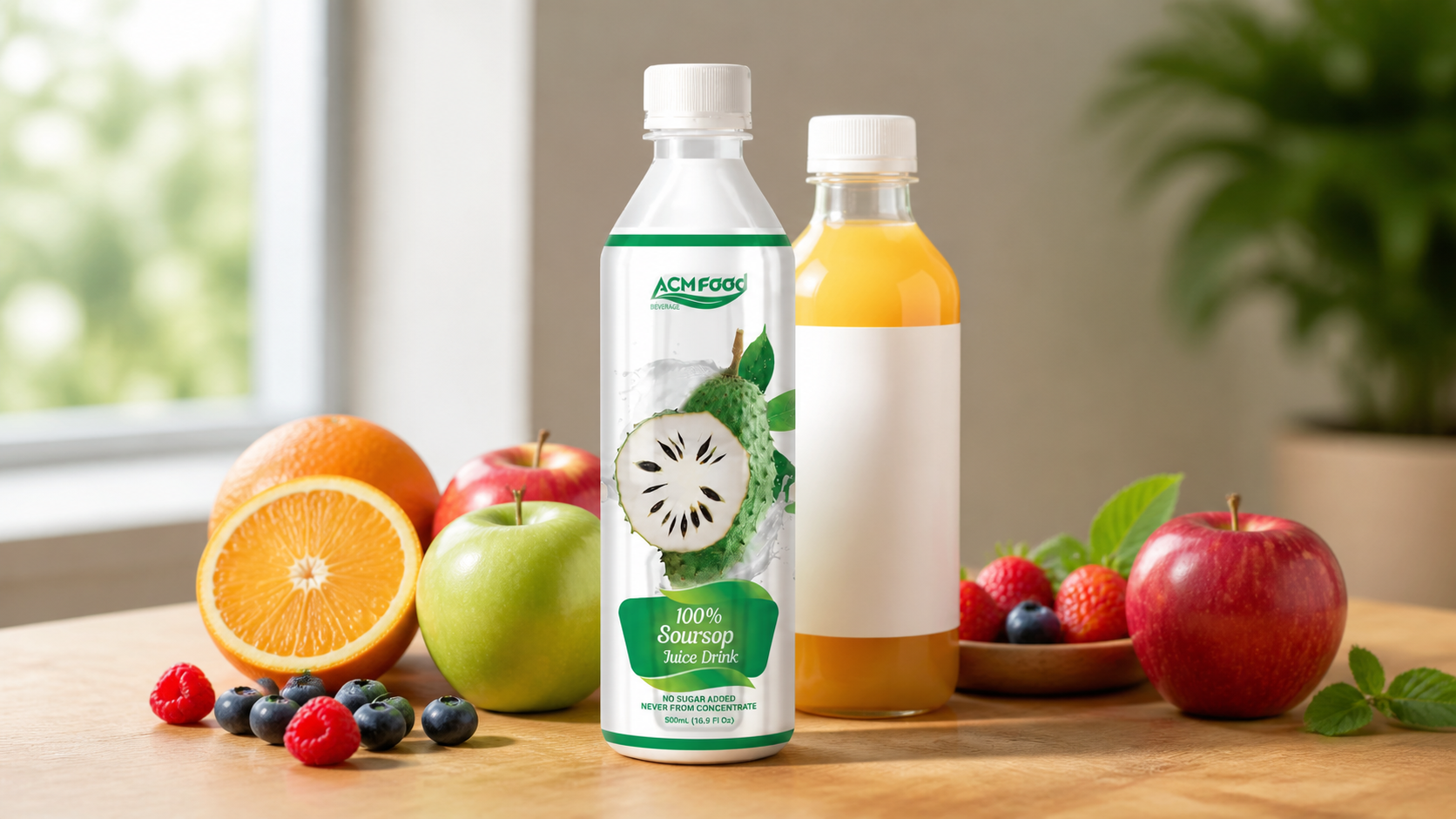
What does “clean label fruit juice” mean?
In practice, it means a formulation and label consumers can easily understand: real juice first, few recognizable ingredients, and avoidance of artificial additives. It is a marketing convention, not a codified regulation, so acceptable practices vary by market and retailer standards.
- Short, recognizable ingredients (e.g., orange juice, water, lemon juice concentrate, natural flavor)
- No artificial colors, flavors, sweeteners or chemical-sounding preservatives
- Processing described clearly when relevant (e.g., not-from-concentrate, pasteurized, cold-pressed, HPP)
- Claims consistent with product composition and local regulations
- Transparent sourcing statements when available (varietal, origin, seasonal)
Which product types fit a clean label strategy?
All common juice formats can be positioned clean label if the formulation and label copy align. Your choice depends on target price point, sweetness, mouthfeel and shelf-life.
- 100% juice (NFC or reconstituted from concentrate): simplest ingredient line; higher juice cost.
- Juice blends (100%): combine fruits to balance aroma, acidity and color naturally.
- Nectar: lower juice content with water and clean-label aids like lemon juice concentrate and pectin.
- Juice drink: more flexibility on sweetness and calories, but must still read clean.
For a deeper overview, see 100% juice vs nectar vs juice drink.
Formulation framework: from brief to bench
Start with a precise product brief, then iterate on bench samples to lock flavor, sweetness, acidity, color and texture before scaling.
- Define positioning: 100% juice, nectar or juice drink; “no added sugar” vs “reduced sugar”; chilled vs ambient; target calorie range.
- Set sensory targets: hero fruit(s), sweetness perception, acidity profile, color, aroma intensity, pulp level.
- Translate to metrics: target Brix, titratable acidity (TA), pH window, juice percentage, pulp size/volume.
- Choose clean ingredients: juices/purees/concentrates, lemon or lime juice concentrate for acidity, natural flavor, vegetable juices for color, pectin/citrus fiber for body.
- Process route: pasteurized hot-fill/aseptic for ambient, HPP or tunnel pasteurization for chilled; filtration level by desired clarity.
- Packaging: glass, PET hot-fill, aseptic carton, or HPP-compatible bottles; light & oxygen barrier as needed.
- Compliance & claims: align nutrition facts, ingredient order, allergen status, and claims criteria for the destination market.
Selecting ingredients that read clean
Pick ingredients that consumers recognize or associate with a kitchen pantry, and limit multifunctional additives to those with naturally derived or familiar names.
- Juices & purees: NFC juices for freshness cues; concentrates for cost & consistency; blends to balance sensory with fewer add-ons.
- Acidity: lemon or lime juice concentrate often substitutes for acidulants; check sensory impact on aroma and color.
- Color: vegetable juice concentrates (e.g., carrot, black carrot, beet) can enhance hue where permitted.
- Flavor: “natural flavor” or fruit essence; avoid artificial flavor naming.
- Stability & body: pectin, citrus fiber, guar in some markets; filtration and homogenization choices also shape texture.
- Antioxidants/browning control: some brands accept ascorbic acid; others rely on process control and oxygen management.
| Function | Preferred clean label options | Positioning & notes |
|---|---|---|
| Sweetening | Juice concentrates, fruit purees, date concentrate | Avoid cane sugar if aiming for “no added sugar”; verify local rules for fruit-derived sweeteners. |
| Acidity | Lemon/lime juice concentrate | Familiar on labels; can add citrus notes that complement or mask base juice. |
| Color | Vegetable juice for color (e.g., carrot, black carrot), fruit concentrates | Supports natural color cues; confirm permitted use and labeling terms. |
| Flavor | Natural flavor, fruit essence | Used sparingly to standardize batches; avoid artificial descriptors. |
| Mouthfeel & stability | Pectin, citrus fiber, careful homogenization | Build body without gums that may feel synthetic to some shoppers. |
| Antioxidant | Process control, low oxygen pick-up; optionally ascorbic acid where accepted | Retailer standards vary on E-number perception. |
| Water | Treated/purified water | Neutral taste; confirm mineral content specs for flavor consistency. |
| Carbonation | CO2 (if a spritz style) | Can lift aroma at lower Brix; verify closure & bottle suitability. |
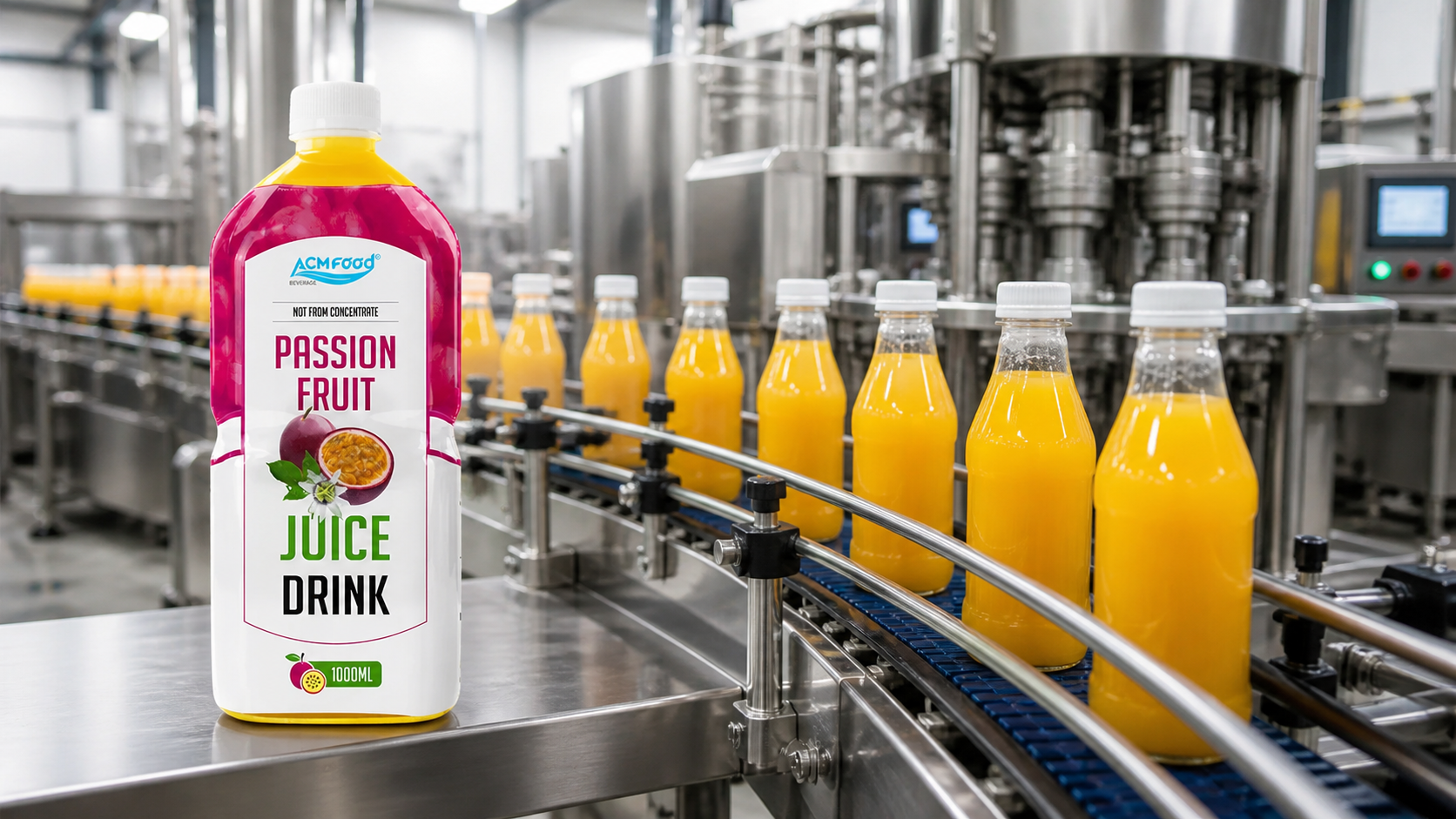
Processing options and shelf-life without artificial preservatives
Clean label preservation typically relies on thermal or high-pressure processing plus hygienic design, not chemical preservatives. The right choice depends on desired shelf-life, distribution and packaging.
- Hot-fill pasteurization (ambient): Common for PET or glass; simple supply chain; heat can affect fresh notes and color in sensitive juices.
- Aseptic filling (ambient): Gentle heat steps with sterile fill; excellent for sensitive blends; requires aseptic-capable partners.
- HPP (refrigerated): Pressure inactivates microbes with limited heat; preserves fresh aroma; requires chilled logistics and HPP-compatible bottles.
- Tunnel pasteurization (chilled/near-ambient): Finished product heat step; suitable for certain bottles and closures.
- Filtration/clarification: Adjust haze and pulp; can enhance stability but changes mouthfeel and color.
Claim language like “no preservatives added” must follow local definitions. Some markets view ascorbic acid or certain lactates/citrates as preservatives; others as antioxidants or acidity regulators. Align copy with regulations and retailer policies.
Brix, acid balance & mouthfeel in natural fruit juice formulation
Sensory harmony comes from the interplay of sugars (Brix), acids (TA/pH), aroma and texture. Establish a target Brix and acid profile for your hero fruit, then tune with blending, citrus additions and natural body builders like pectin or citrus fiber.
- Use apple/pear/grape to lift sweetness and body naturally, but watch total sugars.
- Brighten flat profiles with lemon/lime juice concentrate while monitoring pH for stability.
- Restore mouthfeel in low-Brix or diluted systems with pectin or fruit purees.
- Match filtration and homogenization to desired clarity and pulp sensation.
For buyer-facing fundamentals, see the Fruit juice Brix guide.
Designing “no added sugar” or reduced-sugar clean label lines
“No added sugar” generally means no sugars or syrups added beyond those naturally present in juice ingredients; rules differ by market, especially around concentrates used for sweetening. Reduced-sugar often targets a specified percentage reduction versus a reference product.
- Rely on high-aroma fruits (e.g., citrus, berries) so flavor intensity stays high at lower Brix.
- Sweeten with fruit juices/purees while validating claim compliance in your market.
- Accentuate acidity and aroma to maintain perceived balance without adding sugar.
- Evaluate serving size and communication of total/added sugars on pack.
Dive deeper in No added sugar vs reduced sugar.
Packaging choices that support a clean label message
Packaging should protect quality and reinforce simplicity and transparency.
- Glass hot-fill: Premium cues, excellent barrier, heavier & breakable.
- PET hot-fill: Lightweight, transparent, widely used; needs heat-resistant grade.
- Aseptic carton: Strong ambient protection; less visual of product but sustainability cues may resonate.
- HPP-compatible bottles: For chilled, fresh-style products with pressure-stable closures.
- Barriers & closures: Light/oxygen barriers, tamper evidence, and headspace control to limit oxidation.
Quality, specs & documentation to request from a clean label juice manufacturer
Clean label still demands rigorous specifications and proof of control across ingredients, process and labeling.
- Raw material specs (variety, origin, Brix, TA, color, microbiology) and Certificates of Analysis.
- Process validations (thermal profiles, HPP parameters), shelf-life protocols and results.
- Sensory gold standard, retention targets and acceptance ranges.
- Finished product specs: Brix, TA, pH, color values, pulp/particle size, juice percentage.
- Oxygen pick-up controls, closure torque and package integrity data.
- Label review: ingredient order, claims substantiation, market-specific naming.
- Allergen, GMO, and contamination risk statements per destination market.
Use this fruit juice supplier audit checklist to structure your due diligence.
Cost drivers in private label clean label juice
Budget outcomes are shaped by juice content and quality, process route and packaging, plus minimums and logistics.
- Juice content & type: 100% NFC and exotic fruits cost more than blended or concentrate-based systems.
- Process & shelf-life: Aseptic and HPP can raise costs but protect premium sensory.
- Packaging: Glass and aseptic cartons carry distinct material and line costs.
- Batch size & changeovers: Small runs increase per-unit cost; color/flavor switches add downtime.
- Spec tightness: Narrow color or Brix windows may increase blending and wastage.
- Freight & cold chain: Chilled distribution (HPP) adds ongoing costs.
Plan budgets with this guide to private label fruit juice cost.
Example clean label fruit juice formulation scenarios
Scenario A: 100% NFC orange juice, ambient
- Goal: Classic breakfast orange juice with a simple label.
- Approach: Single-origin or seasonal blend; hot-fill in glass or PET; minimal pulp or two-pulp SKUs.
- Label: Orange juice; process disclosure as required.
- Trade-offs: Heat impact on freshness vs ambient convenience.
Scenario B: Berry-apple blend, no added sugar
- Goal: Lower perceived sweetness with strong berry aroma.
- Approach: Apple base for body; cranberry/blueberry for aroma & acidity; lemon juice concentrate for brightness; pectin for mouthfeel.
- Label: Fruit juices/purees, lemon juice concentrate, natural flavor.
- Trade-offs: Color stability and cost of berry concentrates.
Scenario C: Kids’ mango nectar, clean label
- Goal: Friendly texture and vivid color at accessible price.
- Approach: Mango puree plus water; lemon juice concentrate; small pectin addition; vegetable juice for color if permitted.
- Label: Mango puree, water, lemon juice concentrate, pectin, natural flavor.
- Trade-offs: Balancing viscosity, bottle neck clogging, and color fade.
Common pitfalls to avoid
- Using technical-sounding additives that undermine the clean label story.
- Over-sweetening with fruit bases that drive sugars higher than intended.
- Color mismatch between label cues and liquid in clear packaging.
- Unclear claims around “no added sugar,” “natural,” or “preservative-free.”
- Inadequate oxygen control leading to browning and flavor fade.
- Skipping shelf-life validation in the actual pack, closure and distribution conditions.
FAQ
Is “clean label” a regulated term?
No. It is an industry and consumer convention. Retailers or markets may publish standards, but there is no single global legal definition. Align your brand policy with local regulations and customer expectations.
Can I use ascorbic acid and still be clean label?
Many brands do, describing it as an antioxidant. Some retailers avoid E-number perceptions. Decide based on your brand policy and local labeling rules.
Are natural non-nutritive sweeteners acceptable?
Consumer acceptance varies by market. Some view stevia or monk fruit as compatible; others prefer only fruit-derived sweetness. Check retailer guidance and claim implications.
What shelf-life can I expect without artificial preservatives?
It depends on process (hot-fill, aseptic, HPP), pH, packaging and cold chain. Validate with microbiology and sensory in real distribution conditions before launch.
How do I communicate processing on a clean label?
Be factual and concise (e.g., pasteurized, not-from-concentrate) and avoid implying superiority unless supported by your product and regulations.
Done well, clean label fruit juice can deliver simplicity consumers trust and a formulation that scales reliably. Keep your brief precise, validate shelf-life early, and align claims and specs for each destination market so your private label clean label juice meets both brand and buyer expectations.
Turning this into a product
For the formats, ingredients and processing routes the factory actually runs, see beverage product capabilities. For how contract production is structured, see OEM beverage manufacturing; for launching under your own label, see private label beverages. Format, closure and pack-size trade-offs are compared on packaging options. To discuss a specification, request a quote.
Request a quote