


 Français
 Español
 العربية
 한국어
한국어Grape juice is a beverage made by pressing or processing grapes into juice, and its nutrition can vary by grape variety, color, processing method, and whether it is sold as 100% juice, nectar, or a juice drink. This guide reviews 10 grape juice benefits grounded in its nutrient profile and widely researched grape compounds, presented carefully without medical claims.
Below you will find the main grape juice benefits for everyday use, how product type affects nutrition, practical serving ideas, and a short section for beverage developers. Where helpful, we add limitations such as sugar content and lower fiber compared with whole grapes so you can enjoy grape juice in a balanced way.
What are the main grape juice benefits?
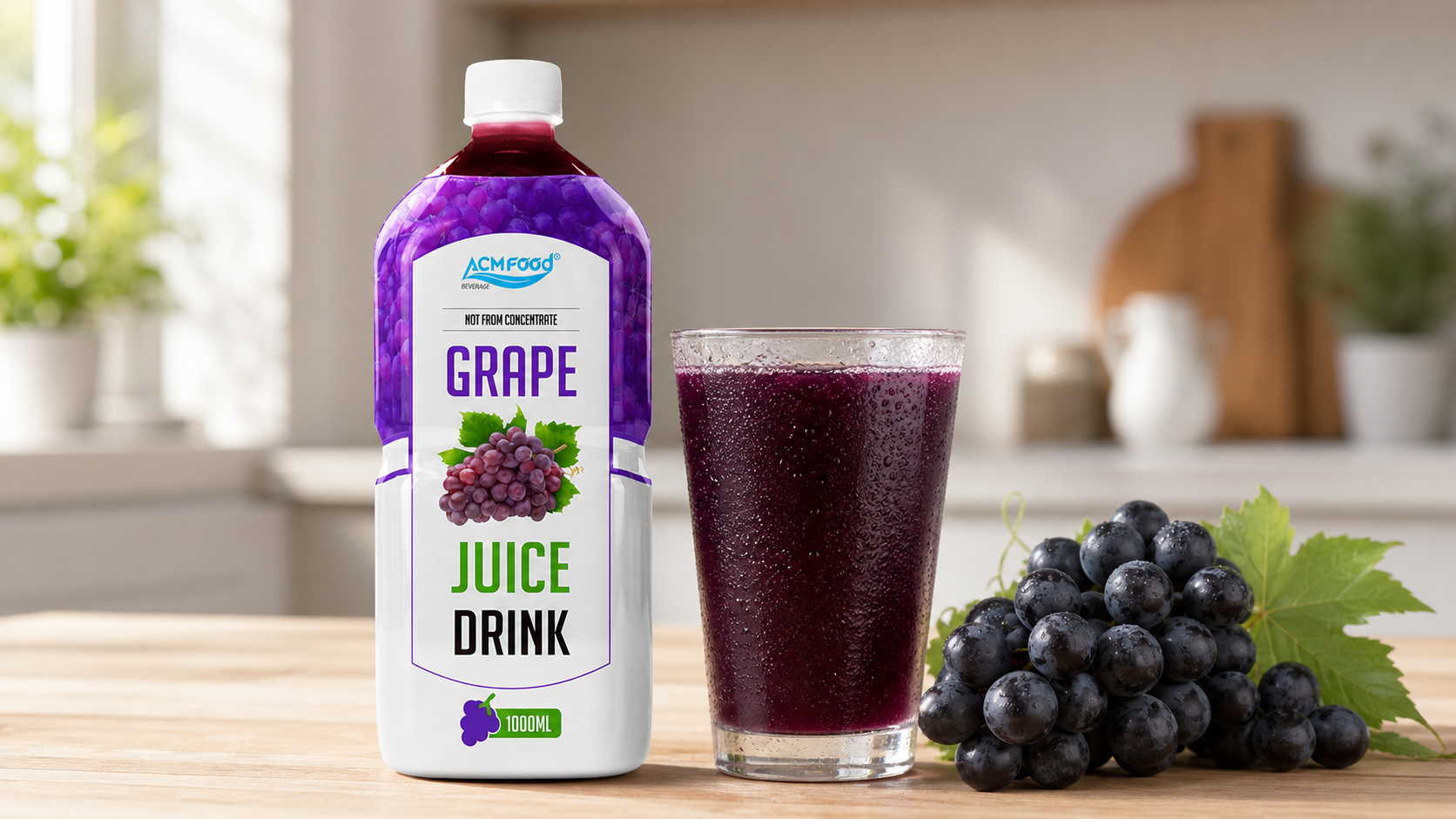
The main grape juice benefits come from its water content, natural carbohydrates, potassium, and grape-derived polyphenols found especially in purple varieties. Used in moderation, it can help with hydration and quick energy, add color and flavor to meals, and fit many dietary patterns. Quality, portion size, and whether the product is 100% juice or a juice drink all influence the overall benefit.
- Hydration and quick natural carbohydrates
- Polyphenols from grape skins (e.g., anthocyanins)
- Potassium contribution
- Vitamin C presence or fortification in some products
- Fat-free and naturally cholesterol-free
- Flavor that helps some people increase fruit variety
- Versatile in smoothies, marinades, desserts, and mocktails
- Commonly used as a pre- or post-activity carb option
- Fits plant-based and many cultural dietary patterns
- Convenient, shelf-stable formats for everyday life
1) Hydration and natural carbohydrates
Grape juice supplies water and naturally occurring sugars (carbohydrates) that can provide quick energy. For many people, a small serving offers a simple way to hydrate while adding flavor compared with plain water. The trade-off is sweetness: juice is concentrated in natural sugar and contains less fiber than whole grapes, so mindful portions matter.
Hydration benefit is most noticeable when grape juice is chilled and consumed alongside meals or snacks. Some people also dilute grape juice with water or sparkling water to extend the flavor while moderating sugar per serving.
2) Polyphenols from purple grapes
Grapes contain diverse polyphenols, especially in the skins of dark or purple varieties. In grape juice, these may include anthocyanins that provide the deep purple color. Some juices may also contain small amounts of resveratrol depending on the grape and processing. Levels vary widely by variety, growing conditions, and filtration, so color and polyphenol content are not identical across products.
If you are curious about fruit polyphenols more broadly, you may enjoy our overview of the benefits of pomegranate fruits. For background on grapes themselves, see the health benefits of grapes article.
3) Potassium contribution
Grape juice provides potassium in varying amounts, which depends on grape variety and processing. Potassium is an essential dietary mineral found in many fruits and juices. Because commercial products differ, check the nutrition label of the exact grape juice you buy to understand its potassium contribution per serving.
When planning meals, people often pair potassium-containing foods with whole grains, legumes, or vegetables to create balanced plates. Grape juice can be one of several sources in a varied diet.
4) Vitamin C presence and fortification
Grapes naturally contain vitamin C in modest amounts, and some grape juices are fortified with vitamin C. Fortification practices and natural retention after processing vary, so the actual vitamin C per serving depends on the specific product. Labels will indicate whether vitamin C has been added and at what level per serving.
Because vitamin C content differs, people interested in this nutrient can compare labels among 100% juices, not-from-concentrate options, and fortified choices to match their preferences.
5) Fat-free and naturally cholesterol-free
Like most fruit juices, grape juice is typically fat-free and naturally cholesterol-free. This characteristic makes it an easy way to add flavor and carbohydrates without adding dietary fat. Keep in mind that the absence of fat does not mean low energy: juice still provides calories from natural sugars, so portion control remains important.
For those building balanced snacks, pairing a small glass of grape juice with a protein source (such as yogurt or nuts, depending on dietary needs) can help round out the overall nutrient profile of the eating occasion.
6) Flavor that helps some people increase fruit variety
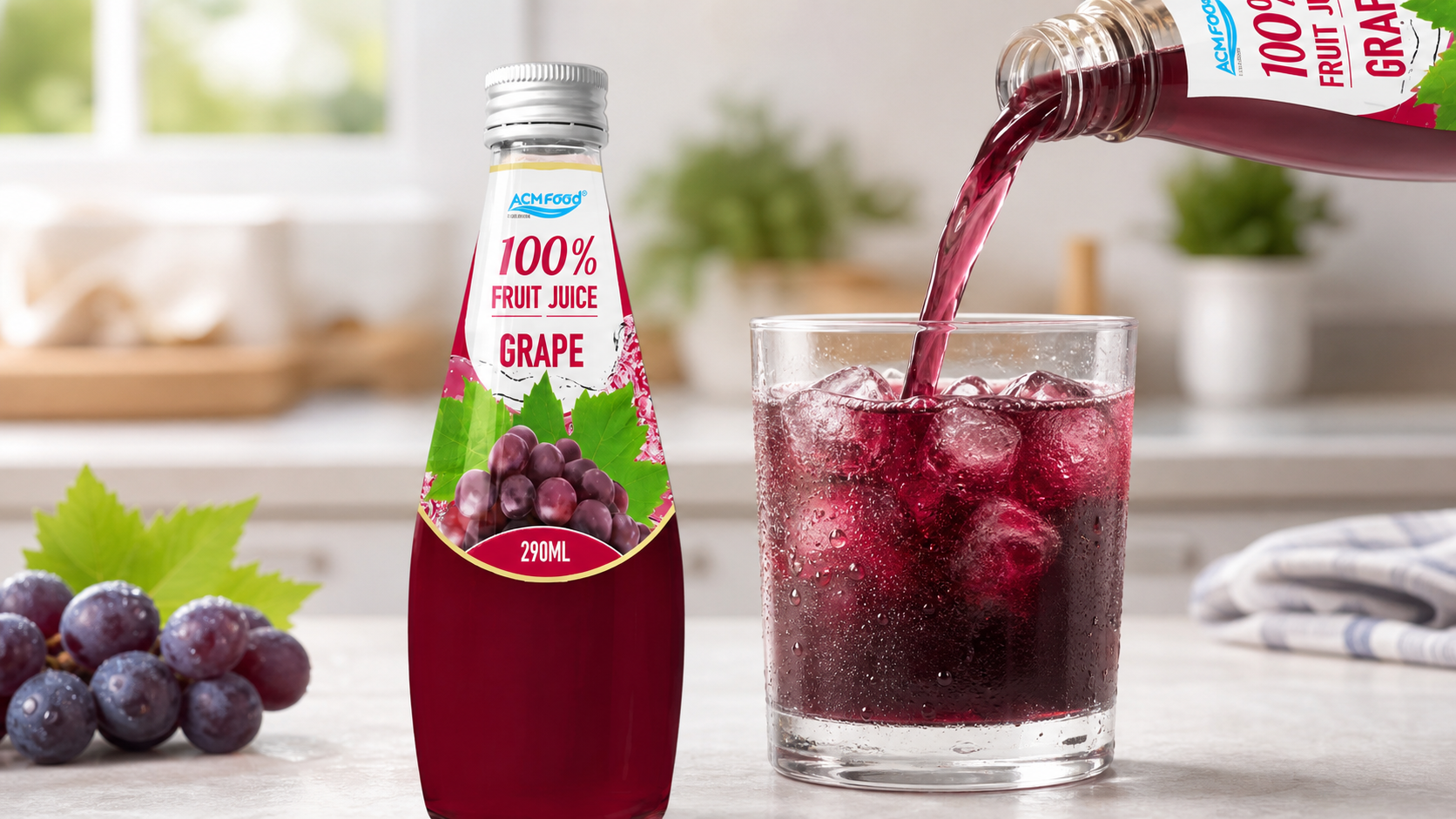
One practical benefit of grape juice is flavor acceptability. Its familiar, sweet-tart profile and deep color appeal to a wide range of palates. For some people who struggle to eat a variety of fruits, incorporating a small serving of grape juice with or after meals can be a stepping stone toward including more fruit flavors across the week.
Of course, juice does not replace whole fruit: grapes provide fiber and texture that juice lacks. Many find a hybrid approach—enjoying whole grapes frequently and using grape juice strategically—delivers both satisfaction and variety.
7) Versatile in smoothies, marinades, desserts, and mocktails
Grape juice acts as a culinary ingredient as much as a beverage. It lends natural sweetness and color to fruit smoothies, balances acidity in vinaigrettes, adds gloss to pan sauces, and brings aroma to jelly, granita, popsicles, and mocktails. Cooks often reduce grape juice gently to intensify flavor before drizzling over yogurt parfaits or fruit salads.
For a quick idea: blend grape juice with frozen berries and plain yogurt for a creamy smoothie; or whisk grape juice with olive oil, a pinch of salt, and lemon zest for a simple salad dressing. Adjust ratios to taste.
8) Commonly used as a pre- or post-activity carb option
Because it contains easily digested carbohydrates and fluids, grape juice is a popular choice around physical activity for some people. A small serving may be used before light-to-moderate exercise or alongside a balanced post-activity snack. Individual tolerance and goals differ, so consider timing and portion size that feel comfortable for you.
Those who prefer gentler sweetness often dilute grape juice with water, or mix it with sodium-containing foods or beverages chosen for their specific activity needs.
9) Fits plant-based and many cultural dietary patterns
Grape juice is typically plant-based and can fit a variety of cultural and religious eating patterns when produced according to those practices. As with any packaged food, suitability depends on the specific formulation and processing environment, so people with special requirements should always verify labels and, if needed, contact the brand.
This flexibility supports household menus where different family members follow different dietary preferences.
10) Convenient, shelf-stable formats
One of the most practical grape juice benefits is convenience. Many products are shelf-stable until opened and are available in a range of pack sizes from single-serve to multi-serve. Not-from-concentrate, from-concentrate (reconstituted), and cold-pressed options may all be found depending on your market. Storage instructions differ across packaging, so follow the label for best quality.
Shoppers who value portability often choose smaller formats or aseptic packages, while home cooks may prefer larger bottles for recipe use.
100% juice, nectar, or juice drink: what’s the difference?
Product type affects sweetness, grape content, and labeling. Regulations vary by country, but the distinctions below can help you ask the right questions when comparing options.
| Type | What it generally means | Positioning & notes |
|---|---|---|
| 100% grape juice | Juice from grapes only, not diluted with water; may be not-from-concentrate or reconstituted from concentrate. | Maximizes grape content; sweetness from natural grape sugars; flavor and color vary by variety and processing. |
| Grape nectar | Often includes water and sweeteners; fruit content below 100% (definitions differ by market). | Typically sweeter and softer in acidity; check label for juice percentage and added ingredients. |
| Grape juice drink | Usually a beverage with lower grape juice percentage plus water and often added sweeteners/flavors. | Budget-friendly and light-tasting; verify grape content, sweeteners, and flavorings on the label. |
If you are benchmarking across categories or considering brand strategy, you may find context in the roundup of 10 best juice brands, which highlights how different companies position flavor, function, and format.
Important limitations and smart serving tips
Alongside the grape juice benefits above, there are a few trade-offs and practical tips to keep your choices balanced.
- Natural sugar concentration: Juice contains naturally occurring sugars without the fiber of whole fruit. Portion mindfulness helps align with personal energy needs.
- Lower fiber than grapes: Whole grapes provide fiber that supports texture and fullness. Many people pair a small glass of juice with fiber-rich foods.
- Label literacy: Compare 100% juice vs nectar vs juice drink. Check grape content, added sweeteners, and any vitamin C fortification if that matters to you.
- Color cues: Purple color often reflects anthocyanins from dark grape skins. Filtration and processing can reduce or concentrate pigments; color does not guarantee a specific polyphenol level.
- Storage and handling: Refrigerate after opening and consume within the timeframe on the label for best quality and flavor.
- Culinary dilution: If you enjoy the taste but want a lighter option, try half juice and half cold water or sparkling water for a spritz-style drink.
Everyday ways to enjoy grape juice
If you are looking to make grape juice part of a balanced routine, consider these simple ideas:
- Breakfast: Stir a splash of grape juice into oatmeal while cooking to tint and sweeten, then top with sliced grapes and nuts.
- Smoothies: Blend grape juice with frozen berries and plain yogurt; adjust ratio to taste and texture preferences.
- Midday: Mix grape juice with chilled green tea and lemon for a refreshing, lightly sweetened drink.
- Dinner: Reduce grape juice in a small pan to a glossy drizzle for roasted vegetables or grilled tofu.
- Occasions: Build a no-alcohol spritz with grape juice, soda water, citrus slices, and fresh mint.
Notes for beverage brands and product developers
For teams exploring grape-based beverages, a few development notes can streamline briefing and scale-up while preserving sensory quality.
- Grape selection: Dark-skinned grapes deliver intense color and characteristic aroma; white grapes yield a lighter, floral profile. Country of origin, harvest ripeness, and pressing method shape Brix, acidity, and flavor.
- Processing choices: Clarification and filtration influence color, mouthfeel, and polyphenol retention. Thermal steps help ensure safety but can affect aroma; consider gentle profiles where feasible within your quality plan.
- Formulation targets: Define Brix-acid balance, color specifications, and flavor descriptors early. If pursuing reduced-sugar positioning, options include blending with lower-sugar juices, using water plus flavor systems in compliant categories, or exploring alternative sweet taste solutions per market rules.
- Labeling and claims: Claims and nutrition panels depend on the final formula, serving size, and destination-market regulation. Polyphenol- or vitamin-focused messages require appropriate substantiation where permitted.
- Stability and packaging: Color stability for purple juices benefits from light protection; evaluate PET with UV barriers, glass, or aseptic cartons. Shelf-life validation should confirm sensory and color acceptance at end of life.
- Sensory QA: Build objective color targets (e.g., L*a*b* windows), set aroma references, and track Brix/acid at intake and finish to keep profiles consistent across lots.
For more OEM context, see the tamarind juice OEM guide for development workflow ideas, or explore why choose lychee juice OEM to compare positioning approaches across fruit categories. If your roadmap includes apple SKUs, the overview on apple juice OEM services outlines additional packaging and formulation considerations.
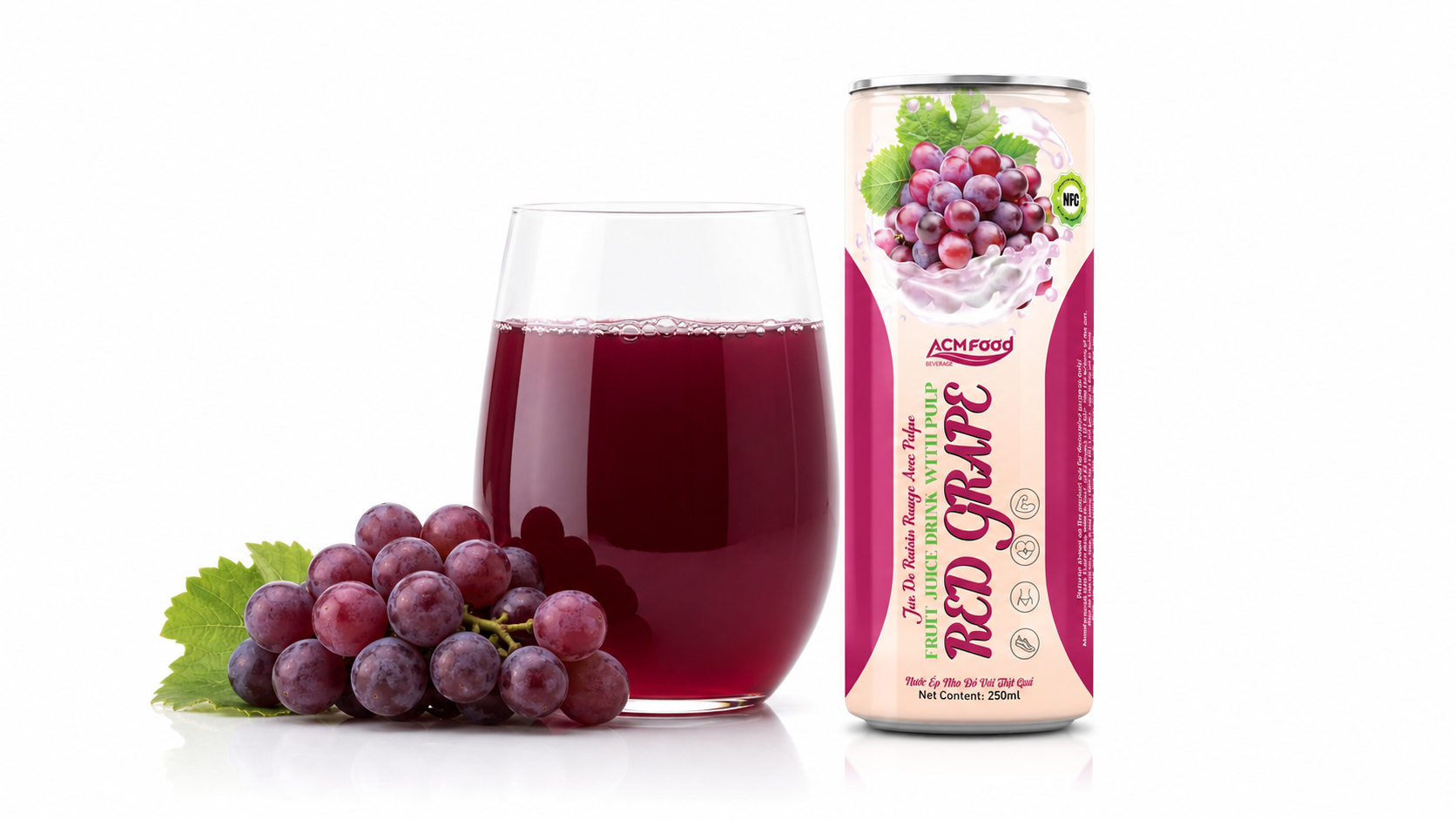
FAQs about grape juice benefits
Is purple grape juice different from white grape juice?
Yes. Purple grape juice gets its deep color from anthocyanins in dark grape skins, contributing to a different aroma and taste than white grape juice. White grape juice is typically lighter in flavor and color. Processing and filtration further shape both the sensory profile and pigment content.
Is grape juice high in sugar?
Grape juice contains naturally occurring grape sugars and can taste quite sweet. Actual sugar per serving depends on the product type, serving size, and whether it is 100% juice, nectar, or a juice drink with added sweeteners. Check the nutrition facts panel to compare options and choose portions that fit your goals.
Does fresh-pressed grape juice have more nutrients than from-concentrate?
Not-from-concentrate and properly reconstituted from-concentrate juices can be similar in many nutrients, though aroma and flavor may differ. Outcomes depend on fruit quality, concentration and reconstitution steps, and any filtration. Labels and brand specifications provide the best guidance for a given product.
Can grape juice replace whole grapes?
Juice and whole grapes serve different roles. Juice provides flavor, hydration, and quick carbohydrates, while whole grapes add fiber and chewing satisfaction. Many people prefer to enjoy both—whole grapes regularly and grape juice in modest portions—within an overall varied diet.
Key takeaways and how to use this guide
Grape juice benefits include hydration, quick carbohydrates, potassium contribution, purple-grape polyphenols, culinary versatility, and convenient formats. Balance these positives with mindful portions, attention to sugar, and awareness that juice contains less fiber than whole grapes. Product type—100% juice, nectar, or juice drink—changes sweetness, grape content, and labeling, so compare packages to find what suits you.
If you are developing a grape-based beverage, align on grape variety, Brix-acid targets, color specs, packaging, and claim strategy early. For broader perspective across fruit categories and market positions, see comparative resources like the pomegranate overview and brand roundups linked above. A clear product brief and iterative sensory checks will help translate this nutrition-forward view into a commercially consistent beverage.
Sourcing this as a product
This page is written for readers. If you are a brand, importer or retailer looking to put a drink like this on shelf, the commercial side is covered separately: beverage product capabilities for the formats, ingredients and processes we run, private label beverages for launching under your own label, and OEM beverage production for what a manufacturing programme covers. To discuss a specification, request a quote.
Request a quoteGrape as a manufactured drink line
Grape is not a Vietnamese crop at commercial scale, so a grape drink made in Vietnam is built from imported juice base rather than local fruit. That single fact changes the conversation: cost follows the base contract and the freight behind it, not a local harvest. ACMFOOD runs grape as NFC juice in aluminium cans and as a low-sugar green grape SKU, and states the origin of the base openly in costing.
- Where the fruit base comes from — how an imported base is qualified and traced.
- Take a low-sugar brief to development — reducing sweetness without losing the varietal character.
- Contract production terms — who carries the base inventory and the currency risk.