


 Français
 Español
 العربية
 한국어
한국어Lychee juice is a beverage made by pressing or processing lychee fruit into liquid form, celebrated for its fragrant, floral sweetness and light, refreshing body. Depending on how it is made (100% juice, nectar, juice drink, or blends), its taste, aroma and ingredient profile can vary noticeably.
This guide explains the top benefits of lychee juice in practical, consumer-friendly terms—what it contains, how it tastes, useful ways to drink it, and what to look for on the label. Because formulations differ widely, treat the benefits below as general characteristics of lychee-based beverages, not as medical claims or guarantees. Where relevant, you will also find concise notes for beverage developers and private-label teams.
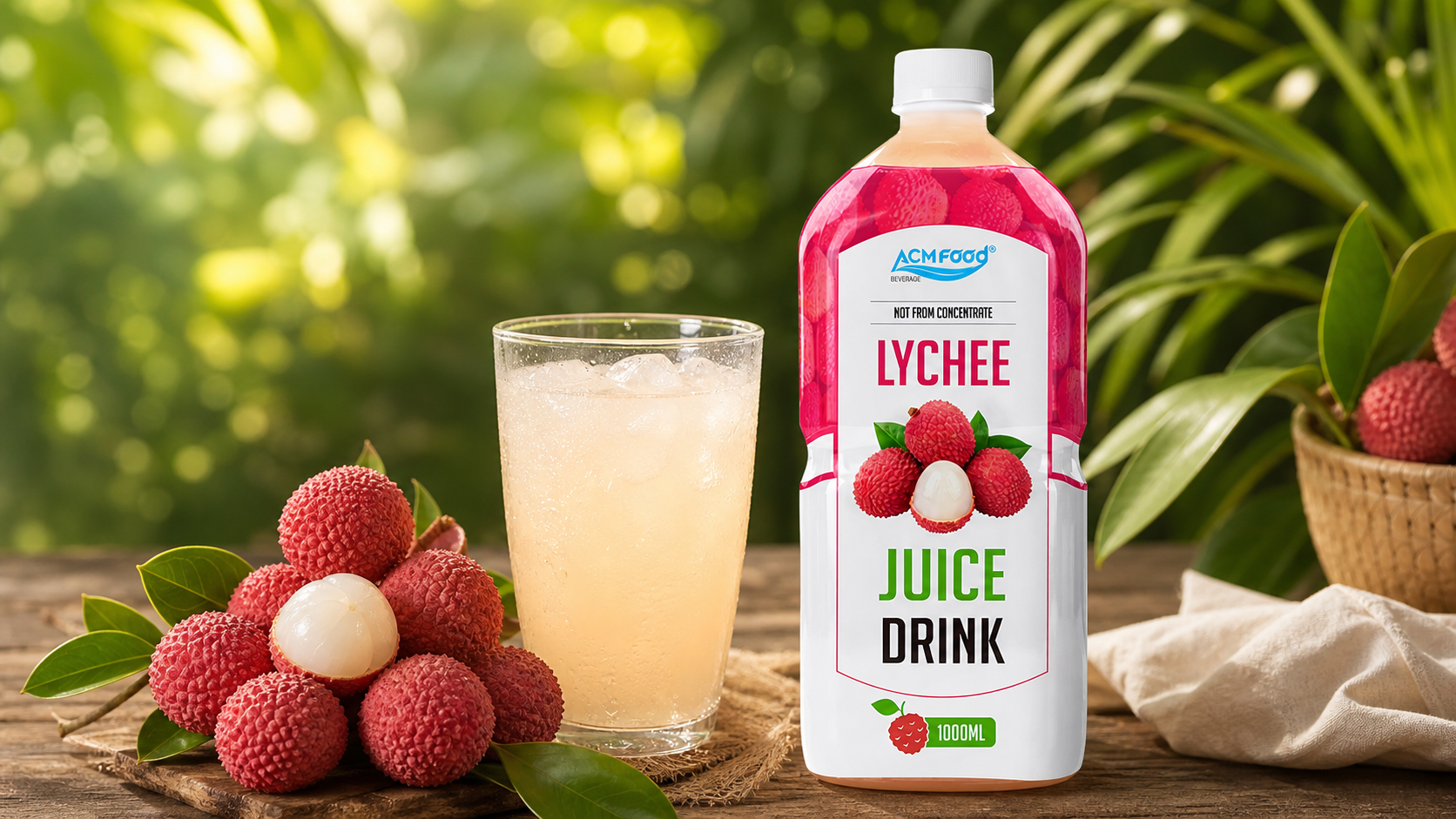
What are the top benefits of lychee juice?
At a glance, lychee juice offers a light tropical flavor, gentle sweetness, and quick refreshment; it naturally provides vitamin C and polyphenols from lychee fruit, and it blends easily with citrus, tea, and floral notes. Actual benefits can vary by whether it is 100% juice, nectar, or a juice drink, and by added ingredients such as sugar or flavors.
Below is a concise snapshot of consumer-relevant strengths many people appreciate in lychee juice:
- Distinctive floral-tropical aroma that feels elegant and versatile across still, sparkling, and tea-based drinks.
- Light body and clean finish suitable for warm-weather refreshment and all-day sipping.
- Naturally contains vitamin C and polyphenols from the lychee fruit itself, with levels influenced by processing and formulation.
- Blend-friendly profile that pairs well with lemon, lime, hibiscus, green tea, coconut water, mango, and grape.
- Flexible product formats including NFC (not-from-concentrate), concentrate, nectar, juice drinks, and mocktail-ready blends.
- Appealing color and clarity options from clear, delicately tinted juices to cloudier, fuller-bodied styles using puree.
Vitamin C in lychee juice
Lychee fruit naturally contains vitamin C, and lychee-based beverages typically retain some of this vitamin, though the actual level depends on fruit maturity, processing, storage, and whether the product is 100% juice or blended. As with any fruit juice, vitamin levels can change over time and vary by brand. For shoppers, the label and nutrition panel—where available—are the most reliable sources for the vitamin C content of a specific product.
From a flavor perspective, vitamin C also relates to freshness cues: products with careful processing and cold-chain handling may better preserve bright, fresh-tasting notes associated with lychee’s delicate character.
Polyphenols and aroma compounds from lychee
Lychee contains a spectrum of plant polyphenols and aromatic compounds that contribute to its recognizable floral, rose-like bouquet. In juice form, these contribute to overall sensory appeal. Heat treatment, filtration level, and time in storage can influence both aroma intensity and the polyphenol profile that reaches the final glass. Because different manufacturers use different methods, the sensory expression—from heady floral notes to subtler, honeyed nuances—can vary considerably between brands.
As always, remember that the presence of polyphenols in lychee does not guarantee specific health outcomes. Consider them part of the fruit’s natural composition that helps shape taste and color, not a substitute for a varied diet.
Hydration and easy-drinking refreshment
Lychee juice is largely water when prepared as a beverage, offering quick refreshment with a delicate mouthfeel. Many people find its smooth, low-bitterness character makes it easier to sip than heavier, pulp-forward juices. When served chilled or over ice, lychee juice feels particularly crisp, which is why it frequently appears in summer menus, spritzers, and sparkling mocktails.
Taste and mouthfeel: what does lychee juice taste like?
Expect a floral-tropical sweetness with gentle acidity and a perfume-like aroma reminiscent of rose and ripe pear, sometimes with hints of melon or honey. Clear styles lean lighter and cleaner; cloudier or puree-based styles feel rounder, with more fruit weight on the palate. In blends, lychee often softens sharper citrus edges and provides lift to teas and botanicals without overwhelming them.
Common product styles explained
Understanding the label helps you choose a product aligned with your preferences. Here is a qualitative comparison of common lychee-based beverage styles. Exact compositions and labeling rules vary by market, so always check local regulations and the product’s ingredient list.
| Style | Typical composition | Taste & mouthfeel | Positioning & notes |
|---|---|---|---|
| 100% lychee juice (NFC or from concentrate) | Lychee juice only, no added sugar in many markets; may be clarified or cloudy | Natural lychee character; from light/clean to fuller if cloudy | Ingredient-led; check label for clarification level and processing |
| Lychee nectar | Lychee juice and/or puree plus water; may include sugar | Sweeter, rounder body from puree; fuller mouthfeel | Approachable sweetness; verify fruit content on label |
| Lychee juice drink | Lower juice content with water; may include sugar and flavors | Light, easy-drinking; flavor intensity varies | Value-friendly; check ingredient list for added flavors |
| Lychee blends (e.g., with tea or citrus) | Lychee juice combined with other juices or infusions | Balanced; lychee adds floral lift to partners | Versatile; style depends on the blend partner |
Is lychee juice high in fiber?
Most clear lychee juices are low in fiber compared with whole lychee fruit. Products that include puree (such as some nectars) can deliver a slightly fuller mouthfeel, but they are still typically lower in fiber than eating the fruit itself. If fiber matters to you, compare styles and read the nutrition panel—some formulations include pulp or combine lychee with higher-fiber fruits.
Is lychee juice sweet?
Lychee’s natural sugars give the juice a gentle, honeyed sweetness. Perceived sweetness also depends on acidity and temperature—serving it well chilled can make it feel brighter and less heavy. In nectar and juice drink categories, added sugar may be present, so label reading is important if you are monitoring sugar intake.
How does lychee juice compare to other tropical juices?
Versus many tropical juices, lychee is more floral, less tangy, and typically lighter on the palate. It lacks the assertive tartness of passion fruit and the dense texture of mango. Compared to coconut water, lychee juice is more aromatic and fruity, though coconut water can feel lighter in sweetness. For a deeper dive into fruit-juice benefits and flavor contexts, see complementary guides such as grape juice benefits and mango juice benefits.
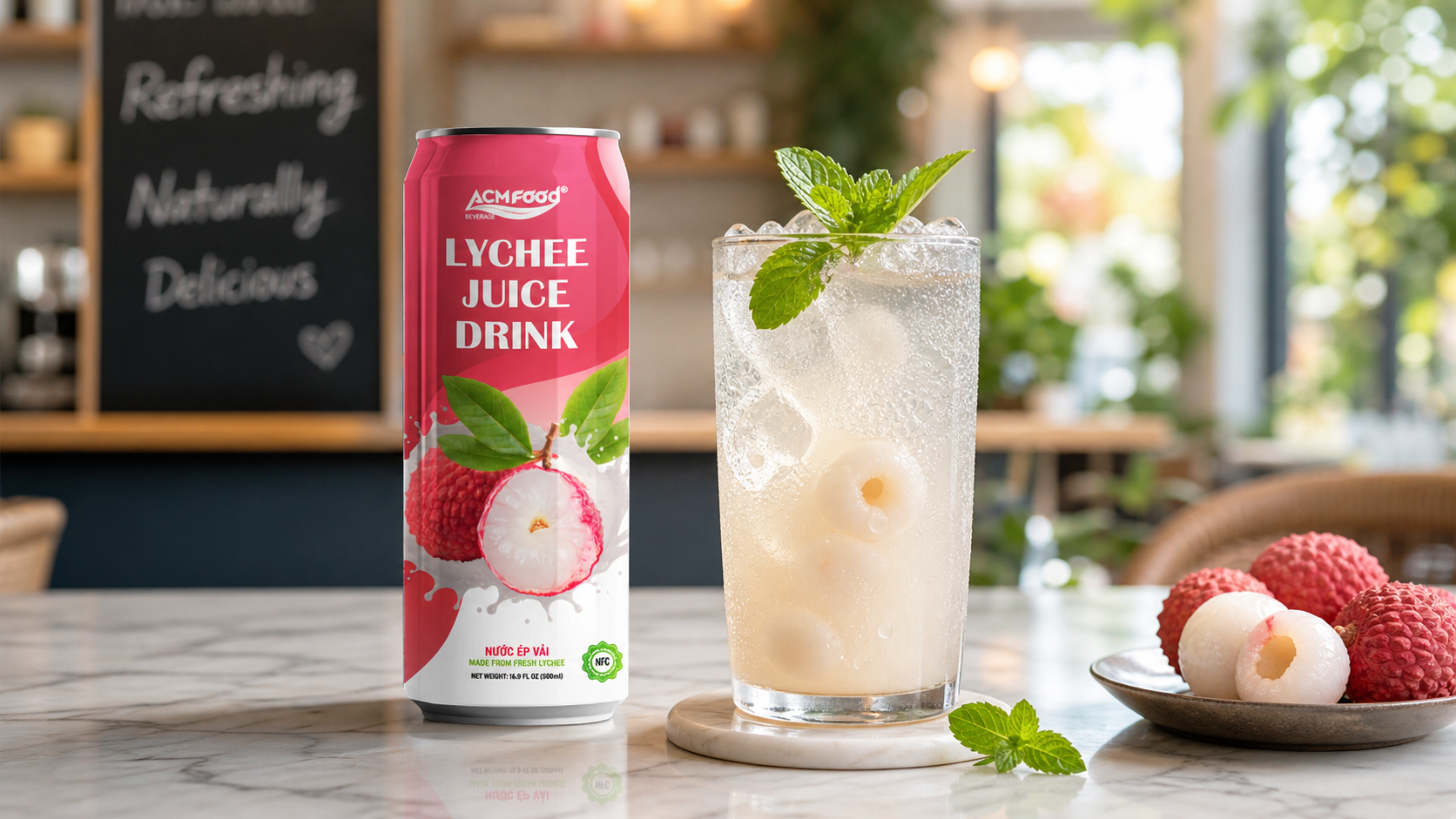
How can you enjoy lychee juice every day?
Lychee juice works across morning-refresh, afternoon pick-me-ups, and evening mocktails. Here are practical ideas you can adapt at home:
- Chilled & neat: Serve over ice with a squeeze of lime to add sparkle and lift the floral notes.
- Spritzers: Top lychee juice with chilled sparkling water. Garnish with mint, lychee flesh, or a thin lemon wheel.
- Tea coolers: Blend with cooled green tea, jasmine tea, or white tea to create a floral, aromatic cooler.
- Citrus refreshers: Combine with lemon or yuzu for a brighter, zesty profile that stays delicately sweet.
- Mocktails: Pair with ginger, cucumber, or basil syrup for layered, sensory interest without heaviness.
- Fruit fusions: Mix with pear, grape, or mild apple to round out the floral dimension.
Lychee juice blends that work well
Blending helps fine-tune sweetness, acidity, and aroma:
- Lychee + lemon/lime: Classic pairing. Citrus sharpens the finish and keeps the drink refreshing.
- Lychee + jasmine or green tea: Tea adds structure while lychee provides fragrance.
- Lychee + hibiscus: Hibiscus contributes color and tartness for a ruby-toned, floral-tart cooler. Learn more about the ingredient in what is hibiscus tea.
- Lychee + coconut water: Softer sweetness and a lighter body; great for daytime sipping.
- Lychee + mango or pear: Adds body and a silkier mouthfeel while keeping flavors tropical and approachable.
Color, clarity, and aroma: what to look for
Lychee juice generally ranges from clear and pale to lightly clouded, depending on filtration and whether puree is used. Clarity is not a quality ranking by itself—many prefer the pristine look of clarified styles, while others enjoy the rounder texture of cloudy or puree-based drinks. Aroma should feel fresh and floral, not dull or cooked; however, thermal processing can soften delicate top notes in exchange for shelf stability, so expect differences across shelf-stable vs. chilled products.
Serving temperature and garnish tips
Lychee juice shines when cold. Serve straight-from-fridge or over ice. A thin lemon wheel, mint sprig, or a few lychee pieces amplify aroma. Avoid heavy, resinous herbs that could mask lychee’s perfume. In sparkling drinks, add lychee juice first, then gently top with carbonation to preserve bubbles.
Storage and freshness cues
As with most juices, an unopened shelf-stable bottle can be stored in a cool, dry place as indicated on the label. Once opened, refrigerate and consume within the timeframe stated by the manufacturer. For chilled, short-shelf-life products, keep cold during transport and storage. Aroma dullness or off-notes are signs to check the best-by date and handling conditions.
Considerations and limitations
Lychee juice is a flavorful part of a balanced diet, but a few points are worth keeping in mind:
- Sugar and portion size: Fruit juices naturally contain sugars from fruit. Nectar and juice drinks may include added sugar—review labels, especially if you track sugar intake.
- Fiber trade-off: Juices typically deliver less fiber than whole fruit. If fiber is a goal, consider including whole fruits in your routine alongside juice.
- Product type matters: 100% juice, nectar, and juice drinks can taste very different and vary in ingredient lists. Choose the style that matches your preferences.
- Added flavors: Some juice drinks rely on natural or nature-identical flavors. Read the ingredient list if you prefer fruit-only products.
Information for beverage brands and buyers
If you are exploring lychee for product development or private label, consider the following technical and commercial notes. These are general considerations rather than claims, and specifics should be validated with your supplier and market regulations.
- Ingredient formats: NFC lychee juice, lychee juice concentrate, and lychee puree each yield different body, clarity, and aroma intensities. Cloudy profiles can feel rounder; clarified options feel cleaner and brighter.
- Processing & aroma retention: Gentle thermal profiles help preserve top-note florals but must still achieve safety targets. Filtration level also influences volatile retention and color.
- Acid balance: Lychee’s gentle acidity often benefits from a brightening partner (lemon, lime, hibiscus) to extend finish in RTD formats.
- Sweetness strategies: Consider blends with naturally lighter bases (e.g., coconut water) to reduce perceived sweetness while keeping a fruity profile. Actual sugar content and labeling depend on final formulation and local rules.
- Color management: Clarified lychee looks nearly colorless to pale; puree adds a light haze. Hibiscus, yuzu, or tea can introduce natural color cues aligned with flavor expectations.
- Positioning: Lychee reads as premium, floral, and modern. It performs well in limited editions, tea coolers, and low-bitterness summer SKUs.
- Packaging: Clear PET or glass highlights clarity; cans or tinted bottles protect light-sensitive aromas. Match to channel requirements and shelf-life targets.
- Labeling & claims: Any nutrition or function claims require appropriate formulation, verified levels, serving size definition, and compliance with target-market regulations.
For a strategic overview of private-label routes, see lychee juice OEM guide and private label fresh juice. For broader benchmarking and category understanding, many teams also review international brand case studies such as 10 best juice brands in the world.
Kitchen use: lychee beyond the glass
Lychee juice is also a handy culinary ingredient. Reduce it gently to glaze fruit tarts, churn into a granita, or fold into chia puddings for a floral accent. For savory dishes, a spoonful can temper chili heat or balance lime in dressings and marinades. Keep reductions on low heat to avoid losing the delicate top-note aroma.
Crafting better at-home mocktails
Use a basic ratio—1 part lychee juice, 1/2 part citrus, 2 parts sparkling water—then adjust to taste. Add a single botanical note (mint, basil, ginger) for complexity. Shake with ice for froth, or build gently over ice for a clearer presentation. Fine-strain if you prefer a pristine look.
Quality cues when buying lychee juice
While preferences vary, consider these cues during purchase:
- Ingredient list first: Is it 100% juice, nectar, or a juice drink? Are there added flavors or sweeteners?
- Aroma on opening: A fresh, floral note suggests good handling. A cooked or dull note can indicate harsher processing or longer storage.
- Intended use: Choose clarified for spritzers and tea coolers; choose puree-based for mocktails needing more body.
- Storage guidance: For chilled products, ensure cold-chain continuity and observe the best-by date.
Responsible enjoyment: portion and balance
As with all juices, mindful portions fit best within a varied diet. If you also eat whole fruits and vegetables, you can enjoy the distinctive flavor of lychee juice while maintaining overall dietary balance. The benefits of lychee juice in everyday life are often about pleasure, refreshment, and culinary creativity as much as they are about nutrients.
Developer notes: blending frameworks
For R&D teams, here are practical, non-formulaic concepts to test (final specs depend on target market, cost, and shelf-life constraints):
- Lychee–Citrus Cooler (still or sparkling): Lychee base; add lemon or yuzu for lift; a pinch of salt for roundness; optional mint.
- Lychee–Jasmine Iced Tea: A light jasmine tea brings structure; lychee adds perfume; a touch of acidity sharpens the finish.
- Lychee–Hibiscus Refresher: Tart hibiscus adds ruby color and pucker; lychee contributes floral sweetness without bitterness.
- Lychee–Coconut Water Day Sipper: Lighter perceived sweetness; easy hydration feel for daytime occasions.
- Lychee–Ginger Spritz: Ginger provides warmth and length; lychee keeps the profile friendly and modern.
If you are assessing lychee in the context of other fruit-led propositions, these resources may help with category perspectives: grape juice benefits and mango juice benefits.
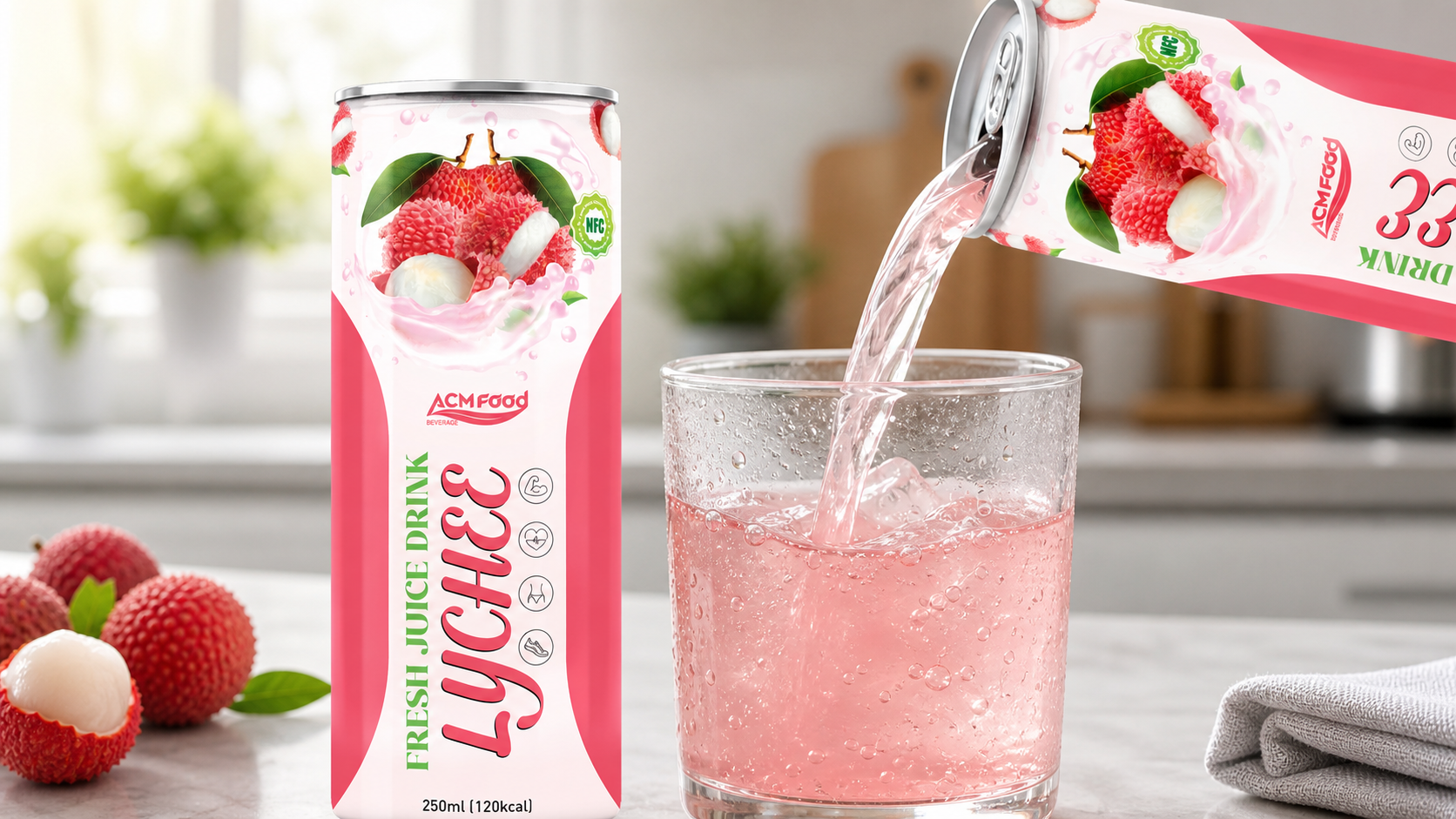
FAQ about lychee juice
Quick answers to common questions. Note that actual details depend on the specific product you choose—always check the label for definitive information.
Is lychee juice the same as lychee syrup?
No. Lychee juice is made from the fruit itself, whereas lychee syrup typically contains added sugar and is designed as a sweetener for drinks and desserts. Syrup delivers stronger sweetness and less fruit brightness than many juice formats.
Does lychee juice contain caffeine?
Lychee juice does not naturally contain caffeine. However, blends with tea (green, jasmine, or other tea bases) can include caffeine depending on the tea component and ratio.
Can children drink lychee juice?
Lychee juice is commonly enjoyed by families. As with all juices, consider portion size and sugar content, and follow any guidance from your healthcare professional if you have specific dietary questions.
How should I store lychee juice after opening?
Refrigerate after opening and follow the manufacturer’s usage window indicated on the package. For chilled, short-shelf-life products, maintain cold-chain handling for best quality.
Is canned lychee in syrup equal to lychee juice?
They are different products. Lychee in syrup is fruit preserved in sweetened liquid; the syrup is not the same as 100% lychee juice. For juice, look for products labeled as juice, nectar, or juice drink and read the ingredient list.
Conclusion
Lychee juice brings a rare combination of floral fragrance, gentle sweetness, and light refreshment. It naturally provides vitamin C and polyphenols from lychee fruit, yet the actual nutrient and flavor profile depends on style (100% juice, nectar, or juice drink), processing, and storage. Enjoy it chilled, pair it with citrus or tea, and choose the formulation that suits your taste and routine. If you are a brand exploring private label or formulation pathways, start with a clear product brief, alignment on style and sweetness, and market-appropriate labeling. For next steps, see lychee juice OEM guide or explore private label fresh juice opportunities.
Sourcing this as a product
This page is written for readers. If you are a brand, importer or retailer looking to put a drink like this on shelf, the commercial side is covered separately: beverage product capabilities for the formats, ingredients and processes we run, private label beverages for launching under your own label, and our OEM manufacturing programme for producing to your own recipe. To discuss a specification, request a quote.
Request a quoteLychee as a production line, not just a fruit
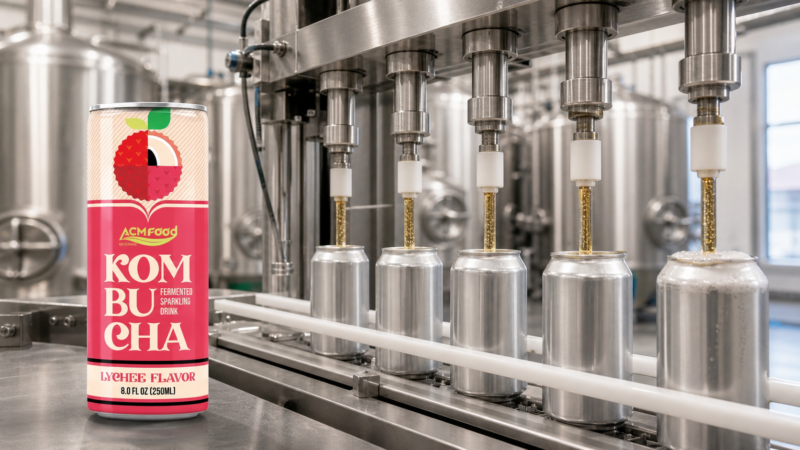
Lychee is seasonal in Vietnam and processed in a short window, which makes production slotting the decisive variable rather than availability. ACMFOOD fills lychee as NFC juice in aluminium cans and as a flavour in coconut water sleek cans, so a buyer usually chooses between our specification and their own before anything else is agreed.
- Build a lychee drink to your own specification — your brief, our line.
- What you supply in a co-pack run — formula, materials and artwork responsibilities.
- Committing to a first production run — how a seasonal fruit affects the minimum.