


 Français
 Español
 العربية
 한국어
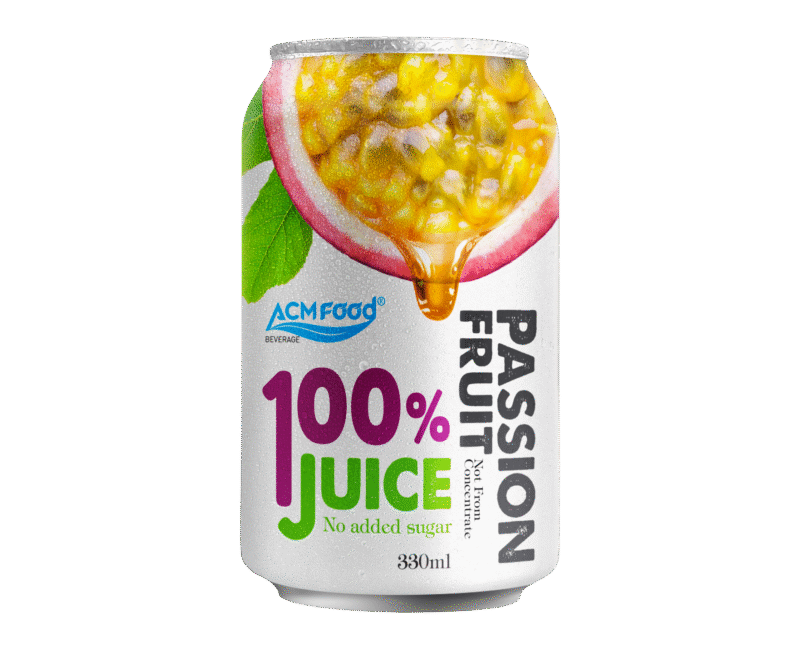
한국어No added sugar and reduced sugar are two distinct approaches to lowering perceived sweetness or total sugars in fruit juices, and they are not interchangeable. At the center of both strategies is fruit juice Brix: a practical indicator of soluble solids that producers routinely use to guide formulation, quality control and labeling decisions.
This article explains what Brix really measures, how sweetness is evaluated beyond a single number, what typically sits behind no added sugar and reduced sugar claims, and how product developers can balance taste, calories, labeling and cost. The focus is practical and non-jurisdictional: regulations vary by market, so always confirm local rules before making claims.
What does Brix mean in fruit juice?
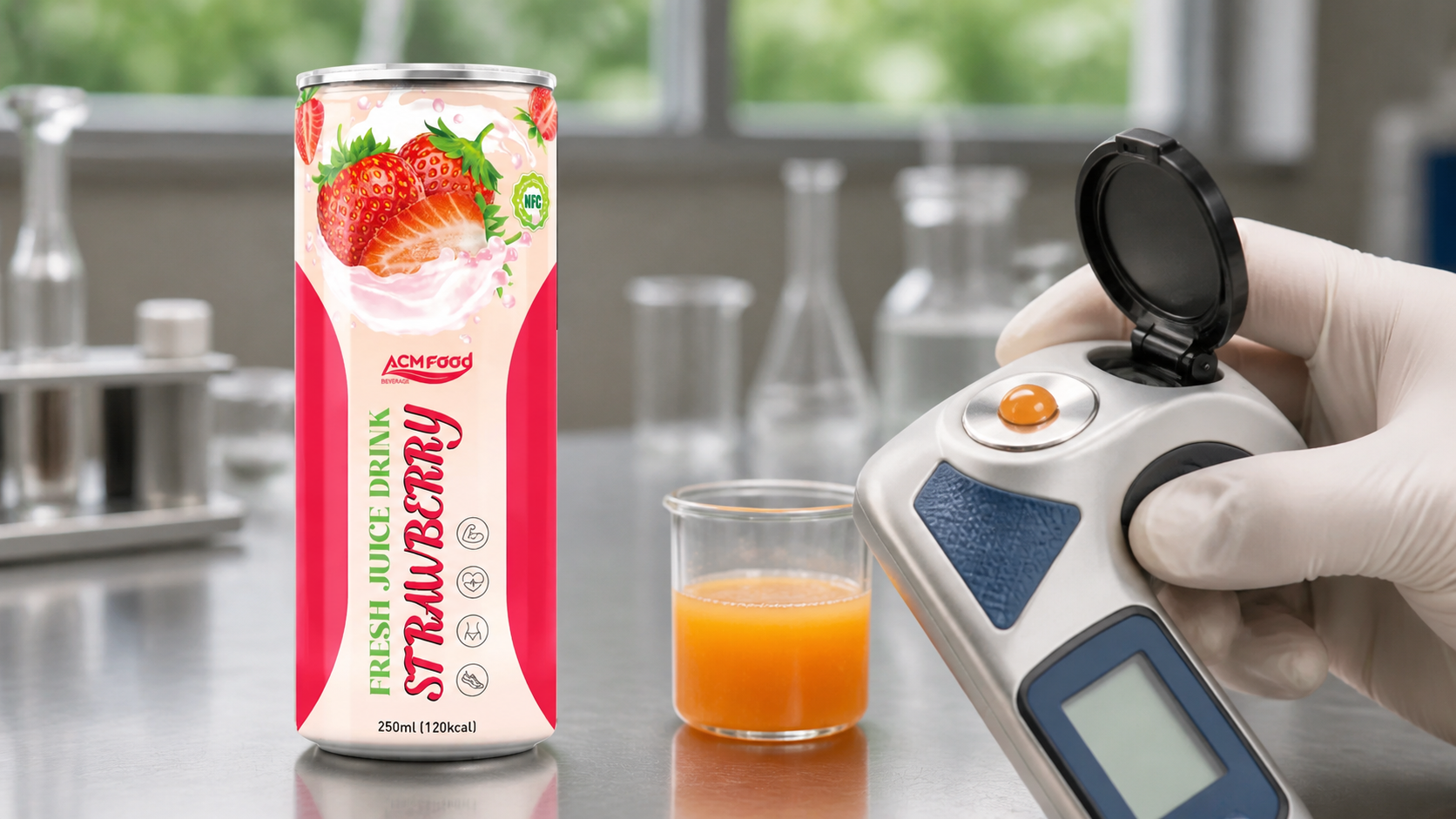
Brix is a measure of soluble solids, expressed approximately as grams of sucrose per 100 g of solution. In fruit juice, the reading reflects sugars plus other dissolved components (organic acids, minerals, some phenolics), so Brix indicates potential sweetness but is not identical to sugar content.
In practice, developers measure Brix with a refractometer (handheld or bench). Readings are temperature-dependent, so temperature compensation or standardized test conditions are important. Because acids, aroma compounds and viscosity influence perceived sweetness, the same Brix can taste sweeter or less sweet depending on the juice matrix and acid balance.
- What Brix helps with: verifying concentrate strength and reconstitution ratios, monitoring evaporation or dilution, and keeping batch-to-batch consistency.
- What Brix does not do alone: predict exact sweetness intensity, flavor quality or consumer liking without considering acidity and aroma.
How is juice sweetness measured beyond Brix?
Brix is a starting point, but sweetness perception depends on sugar type, acid level, flavor volatiles and serving temperature. Teams combine instrumental and sensory methods to triangulate sweetness, body and overall balance.
- Brix/acid balance: Consider Brix together with titratable acidity (TA) and pH to understand sweet–sour harmony. Higher acidity can suppress apparent sweetness at the same Brix.
- Sensory panels: Descriptive analysis, time–intensity or simple triangle tests compare prototypes and benchmarks for sweetness, sourness, aftertaste and mouthfeel.
- Calorie targets: Energy density frames sweetness expectations and claim feasibility, especially when exploring reduced-sugar options.
- Sweetener potency curves: For formulas with high-potency sweeteners, map dose–response and temporal profile (onset, linger) rather than relying on Brix.
- Serving conditions: Cold service can mute sweetness and aroma; shelf-stable products may evolve slightly over time, so recheck after pilot processing.
What qualifies as “no added sugar” on fruit juice?
Generally, a no added sugar statement indicates the product has not been formulated with sugars (such as sucrose, glucose, fructose), caloric sweeteners (e.g., syrups, honey), or ingredients used primarily to sweeten. The juice still naturally contains intrinsic sugars from fruit. Exact eligibility, wording and disclosures depend on the destination market’s regulations.
- Common inclusions: 100% juice (from concentrate or not from concentrate) with no sweetening ingredients; natural fruit sugars remain.
- Typical exclusions: Adding sugars or sweetening syrups; using certain ingredients in a way that functions as a sweetener. Some markets scrutinize adding concentrated fruit juice as a sweetener in other juices.
- Labeling nuance: Markets may require clarifying that the juice “contains naturally occurring sugars.” Always verify local wording, placement and claim substantiation.
If you plan to develop a no added sugar SKU with a manufacturing partner, define acceptable ingredients clearly in your brief and confirm the claim early during compliance review. For guidance on selecting partners, see how to choose a fruit juice manufacturer.
What does a “reduced sugar” claim require?
Reduced sugar claims typically require a meaningful decrease in sugars compared with a defined reference (e.g., the brand’s standard version or category average), under rules set by the target market. The exact percentage reduction, reference definition, and permitted comparison language vary by jurisdiction, so regulatory review is essential.
- Reference selection: Choose a valid comparator and document how the reduction was calculated.
- Formulation pathways: Partial juice replacement with water and flavors (where allowed), use of high-potency sweeteners, fermentation or other technologies that lower sugars, or blending with lower-sugar juice components.
- Disclosure: Some markets require specific comparative phrasing and may restrict combining reduced sugar with other claims on the same panel.
No added sugar vs reduced sugar: formulation levers
Both routes can deliver lower perceived sweetness, but the toolkits differ. The table below summarizes typical levers and trade-offs product teams evaluate.
| Aspect | No added sugar | Reduced sugar |
|---|---|---|
| Primary objective | Exclude sweetening ingredients; keep intrinsic fruit sugars only | Lower total sugars vs a defined reference under local rules |
| Typical levers | Fruit selection, blending, acid balance, aroma emphasis, serving size | Water/juice ratios (where permitted), high-potency sweeteners, low-sugar juice fractions, flavor design |
| Role of Brix | Guide reconstitution & batch consistency; manage perceived sweetness via acids/aroma | Track solids while decoupling sweetness from Brix using sweeteners & flavors |
| Mouthfeel/body | Rely on natural pectins/pulps; consider fiber/puree (if allowed) | May need bulking agents or texture strategies to replace sugar’s body |
| Label risks | Scrutiny of ingredients used as de facto sweeteners | Comparative claim support, reference selection, front-of-pack wording |
| Consumer expectation | Tastes like real fruit, not overly sweet | Similar sweetness to standard with fewer sugars |
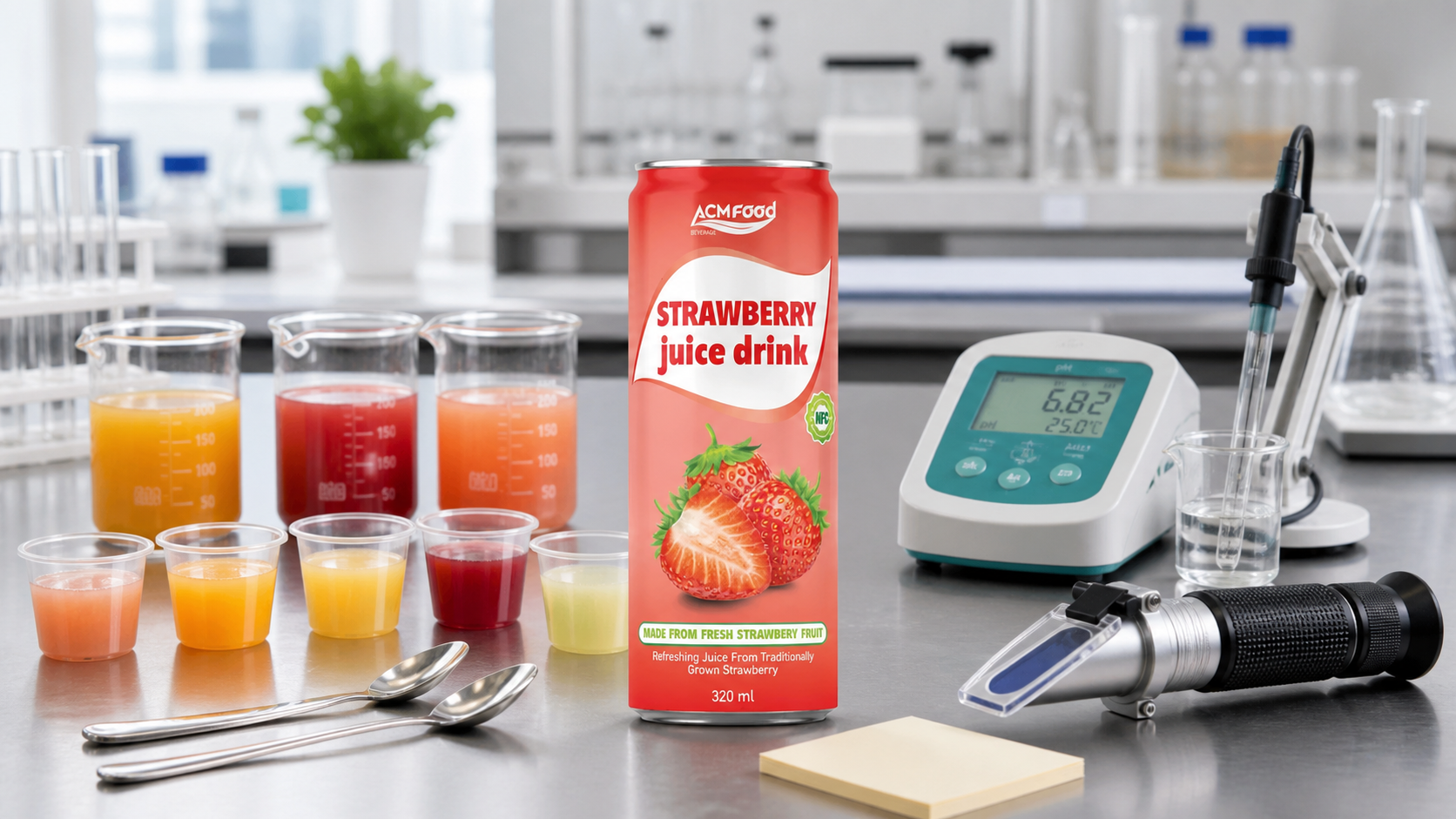
Managing fruit juice Brix in formulation
Whether you pursue no added sugar or reduced sugar, managing fruit juice Brix is central to flavor, texture and processing control. Here are practical approaches used in development:
- Fruit sourcing: Variety and maturity strongly influence intrinsic Brix and acid. Blending lots can stabilize the seasonal swings that drive sensory variability.
- Reconstitution: With concentrates, align Brix to specification and titratable acidity rather than Brix alone. A well-chosen Brix/acid balance can make a lower-Brix juice feel adequately sweet.
- Acidulation: Fine-tune TA and pH with permitted acids (e.g., citric, malic) to enhance brightness and apparent sweetness, avoiding sour harshness.
- Aroma and flavor: Natural flavors and aroma recovery can boost fruit character, which consumers often interpret as sweeter, even if Brix is modest.
- Temperature and texture: Colder service reduces sweetness perception; light cloud or gentle viscosity can add fullness when sugars are constrained.
Sweetness reduction tools for reduced-sugar juices
If your goal is a reduced sugar claim, Brix will usually drop, so sweetness and body need support. The following categories are commonly explored, subject to local regulations and label strategy:
- High-potency sweeteners: Stevia extracts, monk fruit extracts and others offer sweetness without significant solids. Calibrate dose, onset and linger; pair with flavors to manage aftertaste.
- Low-/no-calorie bulk sweeteners: Ingredients such as certain polyols or rare sugars can contribute body with limited calories, where permitted. Check labeling and tolerance considerations by market.
- Flavor modulators: Sweetness enhancers, bitterness blockers and natural flavor systems can improve the sweetness curve and reduce off-notes.
- Water–juice optimization: Where category standards allow, partial replacement of juice with water plus flavors can lower sugars while preserving character.
Preserving body and flavor at lower Brix
Reducing sugars can thin mouthfeel and flatten aroma. Consider a layered approach:
- Texture: Use permissible hydrocolloids at low levels for roundness, or incorporate fruit purees/fibers when compatible with the product standard.
- Aroma lift: Leverage top notes (citrus peel, strawberry esters) to increase perceived fruitiness without extra sugars.
- Acid type and level: Malic vs citric can shift sharpness and perceived sweetness differently—test both and blend as needed.
- Salt microdosing: Trace sodium can modulate bitterness and emphasize sweetness; validate with sensory and regulatory checks.
- Thermal profile: Optimize pasteurization to protect fresh notes while meeting safety targets; reverify sensory after pilot runs.
Quality control for Brix, acidity and sweetness
Robust QC keeps sugar-related claims credible and sensory consistent. Combine incoming-ingredient checks with in-process and finished-goods validation. For broader supplier governance, see the supplier audit checklist for importers.
| Measurement | How it is used | What it indicates |
|---|---|---|
| Brix (refractometer) | Incoming concentrates, reconstitution control, batch consistency | Soluble solids; an anchor for strength and dilution decisions |
| Titratable acidity (TA) | Bench titration to a defined endpoint | Acid load shaping sweet–sour balance and microbial robustness |
| pH | Fast check with calibrated meter | Acid strength relevant to safety and flavor brightness |
| Sensory | Panel checks versus a gold standard | Sweetness intensity, aftertaste, time–intensity, consumer relevance |
Good practices include calibrated instruments (with temperature compensation), representative sampling, documented reconstitution SOPs, and retention samples for dispute resolution.
Cost, MOQ and operations considerations
Formulation choices affect cost, lead time and MOQ. High-potency sweeteners can lower ingredient cost per liter but may increase flavor system complexity and development time. Fruit-only approaches simplify labels but depend on tighter fruit sourcing and blending to control Brix and acidity.
- Ingredient economics: Concentrate grades, flavors, sweeteners and texture aids carry different price and availability risks.
- Processing impacts: Thermal schedules and filtration steps can shift aroma and mouthfeel; plan pilot trials to avoid rework.
- Co-manufacturing: Align claim strategy with your partner’s capabilities and certificates of analysis workflow.
Budget planning is easier with benchmarks; explore scenarios in this guide to private label fruit juice cost and confirm your private label fruit juice MOQ early to avoid delays.
Labeling, claims and market differences
Labeling rules for no added sugar and reduced sugar differ by jurisdiction, including how to define the reference product, whether concentrated fruit juice can function as a sweetener, and what comparative phrases are allowed. Build a claims substantiation file with lab data, formulation rationale and sensory notes, and have it reviewed by regulatory specialists for each market you target.
- Confirm ingredient lists and component functions (e.g., flavor vs sweetener).
- Verify any required disclosures (such as naturally occurring sugars).
- Control artwork to keep claims and comparisons within permitted wording and proximity.
What to include in your product brief
A precise brief reduces iteration and compliance risk. Specify technical targets and the commercial context so manufacturers can assess feasibility quickly.
- Claim intent: No added sugar or reduced sugar, and target markets.
- Fruit matrix: Juice type(s), from concentrate or NFC, cloud level, pulp.
- Analytical targets: Brix range, TA and pH targets, viscosity if relevant.
- Sweetness & flavor: Desired sweetness intensity vs a benchmark, flavor profile, acceptable sweetener types (if any).
- Nutrition & pack: Calorie goal per serving, pack formats, shelf-life target.
- Testing: Sensory evaluation plan and consumer testing needs.
- Compliance: Label wording preferences and documentation requirements.
To structure your brief and speed quotations, use the fruit juice RFQ guide. If you are still shortlisting a partner, start with how to choose a fruit juice manufacturer.
Sugar levels also decide how much levy a drink pays in many markets; see sugar taxes and soft drink levies by market for the thresholds that shape reformulation.
Juice for children has its own sugar, portion and label rules; see fruit juice for children: category, sugar and label requirements.
FAQ
Is Brix the same as sugar content?
No. Brix measures total soluble solids and is calibrated to sucrose, but fruit juice contains sugars plus acids and other dissolved solids. Use Brix alongside TA, pH and sensory data to interpret sweetness and to set specifications.
Can a juice be both no added sugar and reduced sugar?
Possibly, depending on formulation and local rules. For example, if a brand has a standard version and creates a version with meaningfully less sugar without adding sweeteners, it might qualify for both types of statements where allowed. Always verify with regulatory guidance for your markets.
Does lower Brix always mean fewer calories?
Often, but not always. Lower Brix usually indicates fewer dissolved sugars, which can lower calories. However, if sweetness is restored with low-/no-calorie sweeteners, perceived sweetness may remain similar while Brix stays reduced. Confirm with lab-verified nutrition panels.
What matters more for taste: Brix or acidity?
They work together. Brix sets potential sweetness, while TA and pH shape the sweet–sour balance and brightness. Two juices with the same Brix can taste very different if their acidity differs. Optimize the ratio, not just the number.
How do I document a reduced sugar claim?
Define the valid reference product, quantify the sugar difference with recognized analytical methods, and retain batch records. Keep a claims substantiation file and align front-of-pack wording with local regulations. Your supplier’s QA team should support data collection—see the supplier audit checklist for importers.
Conclusion
No added sugar and reduced sugar are two distinct strategies that shape ingredient choices, sensory design and labeling. Fruit juice Brix remains a vital control point, but sweetness perception depends equally on acidity, aroma and texture. If your goal is cleaner labels, emphasize fruit selection, blending and acid–aroma balance. If your goal is fewer sugars vs a reference, consider high-potency sweeteners, low-calorie bulking where permitted, and careful flavor modulation. Either way, align claim strategy with market rules, document your specifications and incorporate Brix, TA, pH and sensory checks into development and QC. When you brief manufacturers, be explicit about claim intent, Brix targets, sweetness profile and packaging so timelines, costs and MOQs are clear from the start.
Turning this into a product
For the formats, ingredients and processing routes the factory actually runs, see beverage product capabilities. For how a recipe moves into production, see contract beverage manufacturing; for launching under your own label, see private label beverages. Recipe development and sampling are described under formulation and R&D. To discuss a specification, request a quote.
Request a quote