


 Français
 Español
 العربية
 한국어
한국어Beverage packaging for U.S. brands covers the formats, materials, closures, labeling, and compliance steps required to launch and scale drinks across American retail and foodservice channels. It shapes shelf impact, product protection, distribution efficiency, and total landed cost from day one.
This guide distills practical decisions by beverage type, channel, sustainability targets, and development workflow—so brand, R&D, and supply teams can brief suppliers clearly, test quickly, and avoid expensive rework. If you searched for beverage packaging usa, you will find format comparisons, regulatory touchpoints, and planning checklists in one place.
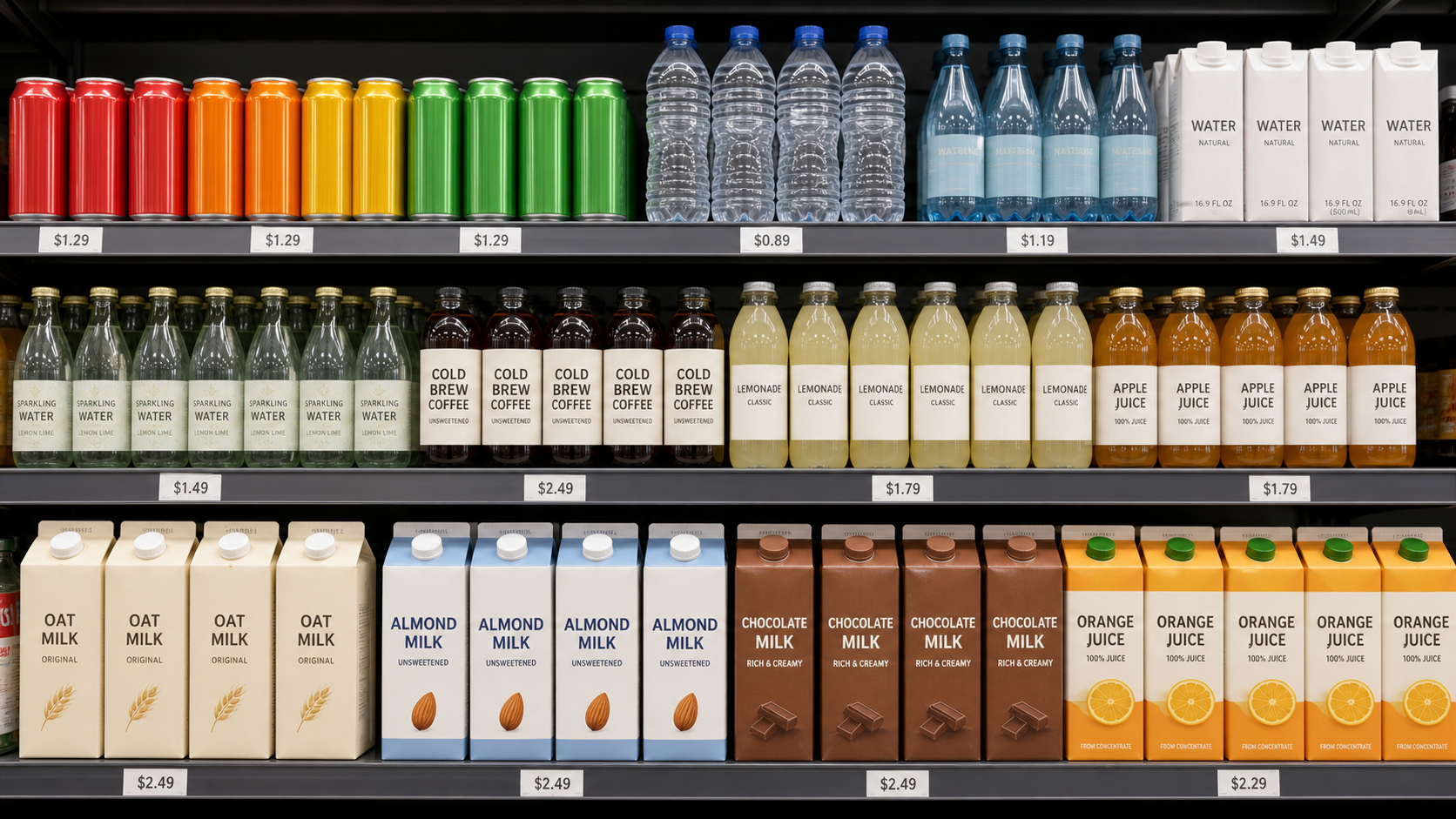
What does beverage packaging in the USA need to achieve?
It must protect the product through filling, transport, retail handling, and consumer use while complying with U.S. food-contact and labeling rules. Strong U.S. packaging also optimizes shelf presence, cost per serving, recyclability, and channel fit (convenience, grocery, club, e-commerce, or on-premise), with scalable supply and consistent quality at target volumes.
Across categories, the core functions stay the same: containment, barrier, convenience, communication, and compliance. What changes by format is the balance between barrier performance, cost, weight, speed to market, sustainability story, and retailer standards.
Which packaging formats are most common in the U.S. beverage market?
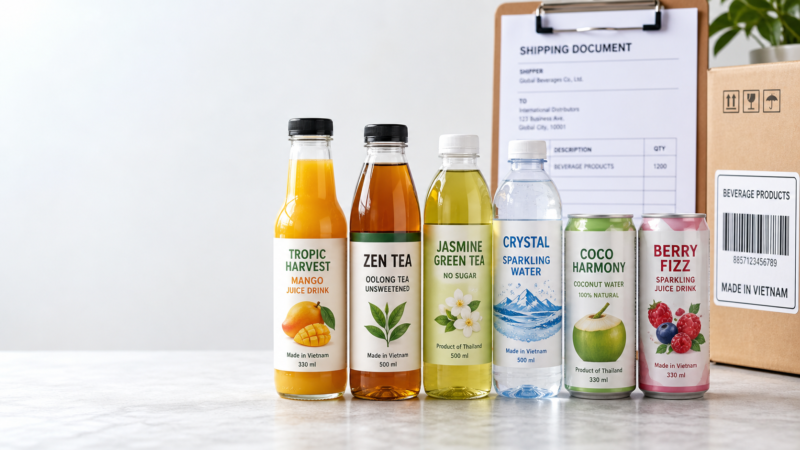
U.S. brands most frequently choose aluminum cans, PET bottles, glass bottles, aseptic cartons, pouches, bag-in-box, and beverage kegs. Selection depends on carbonation, acidity, hot-fill or cold-fill, shelf-stable vs. chilled, channel strategy, and premium positioning.
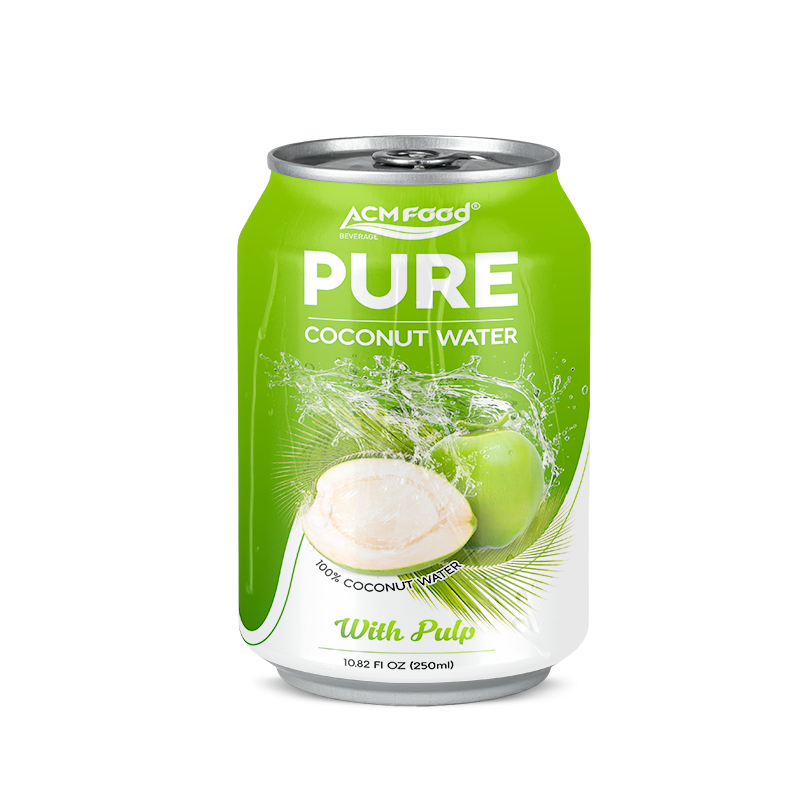
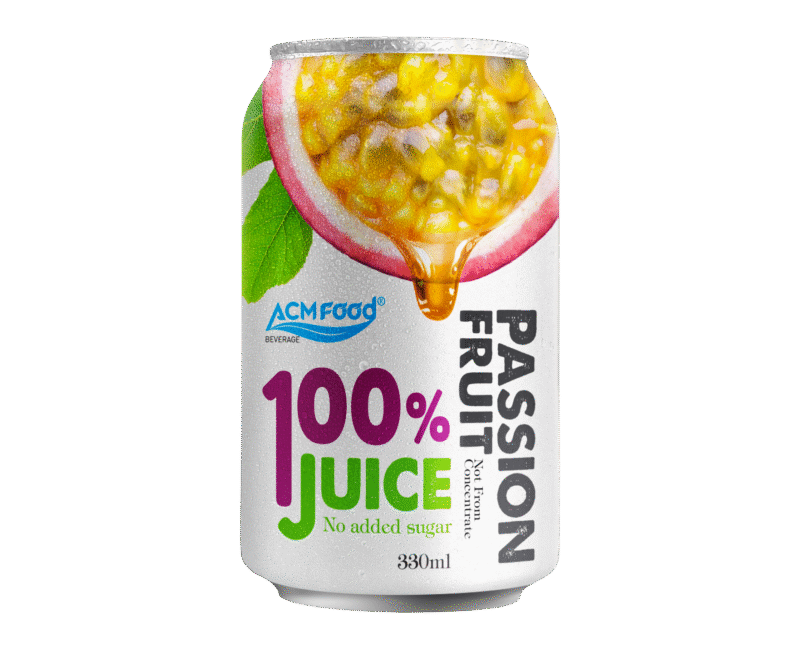
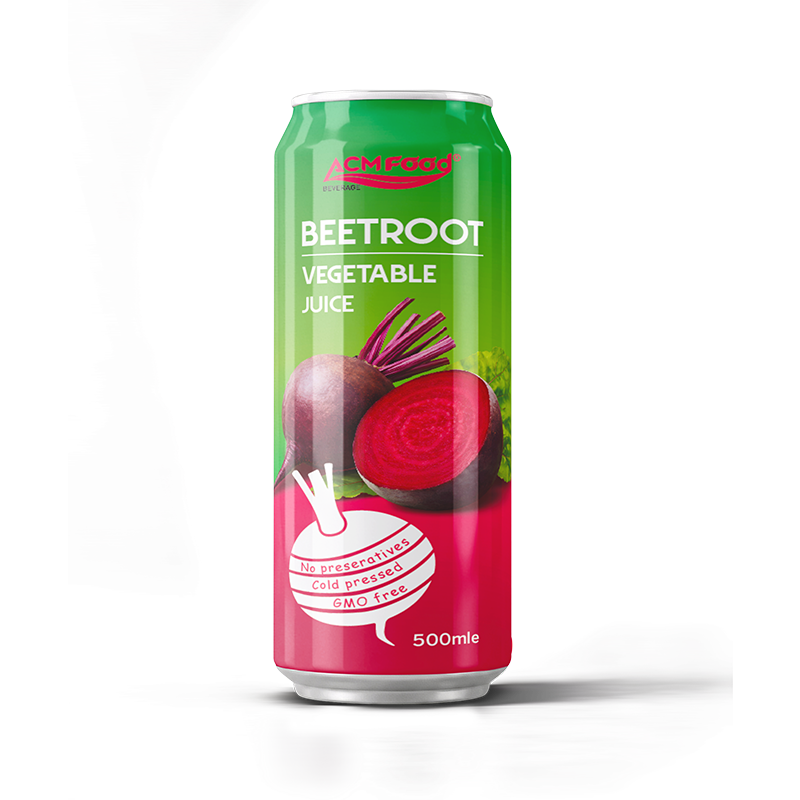
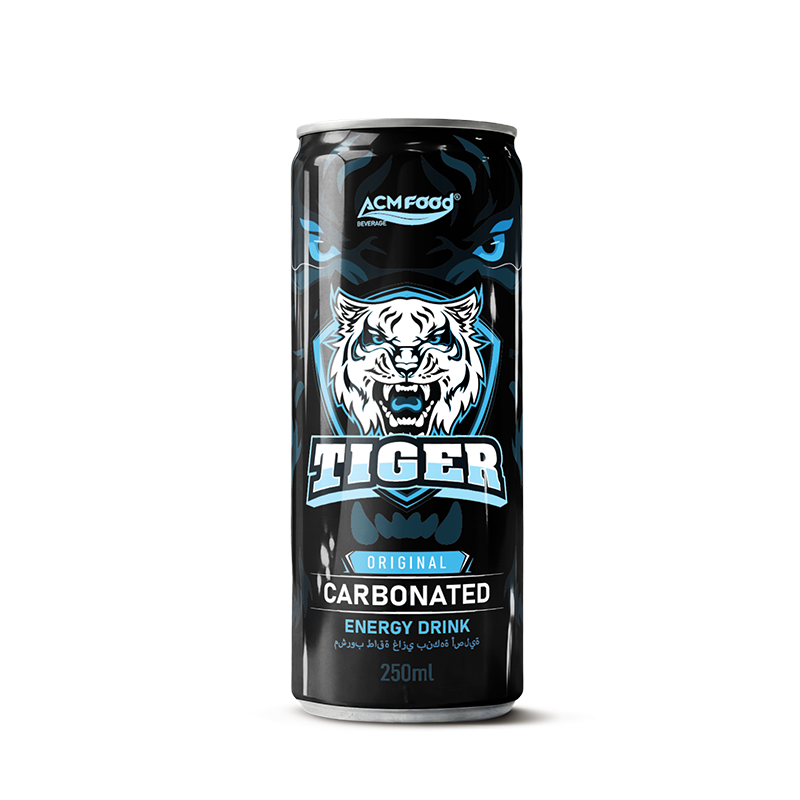
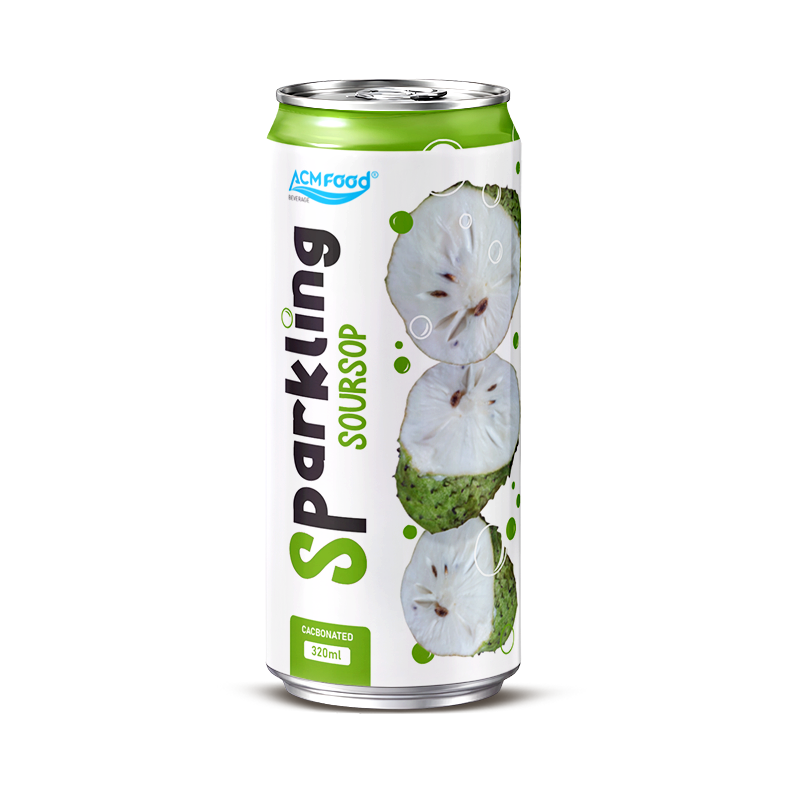
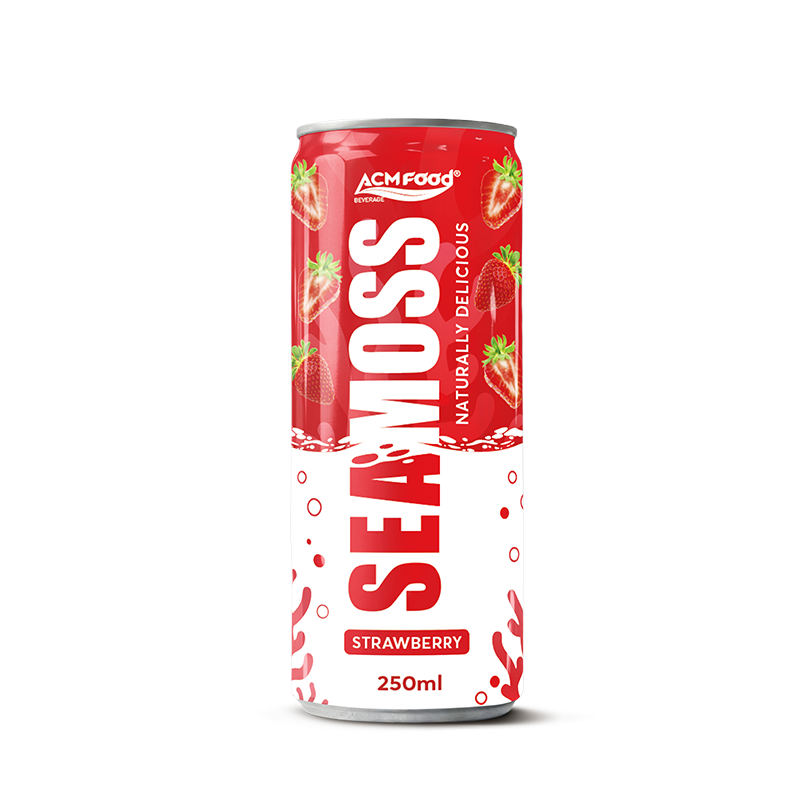
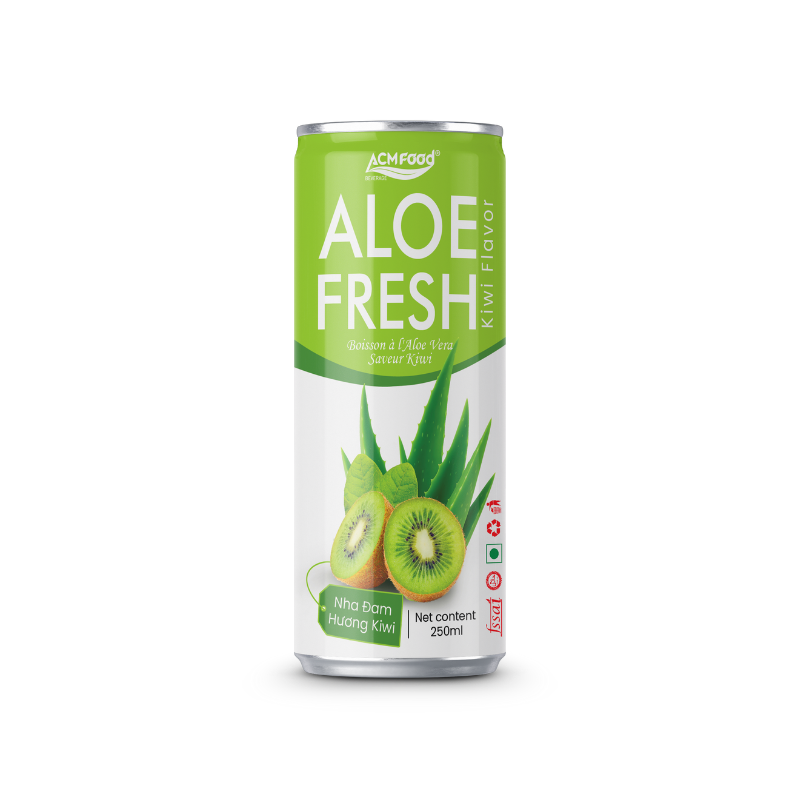
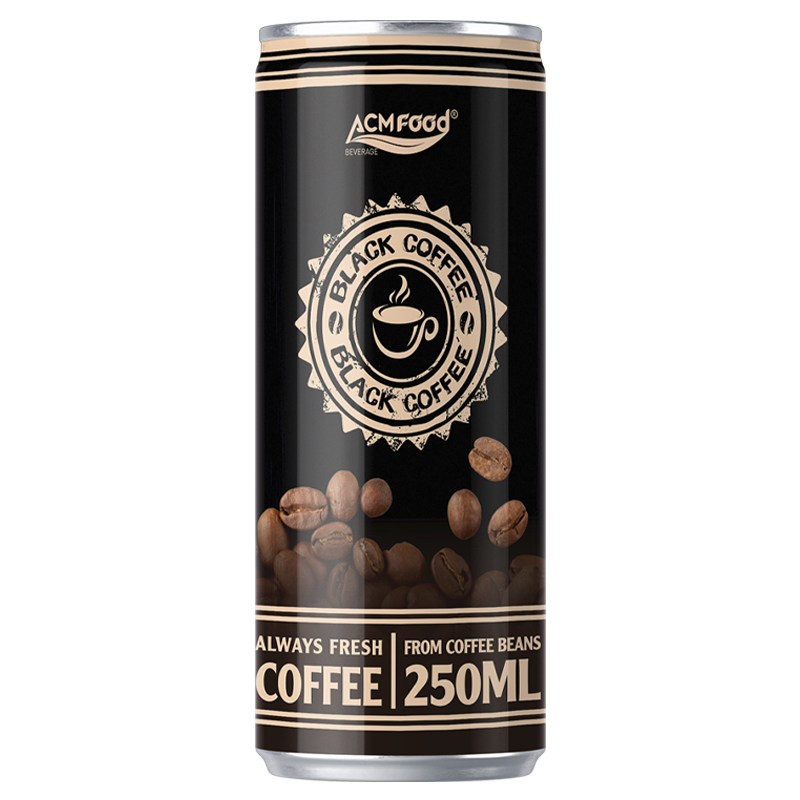
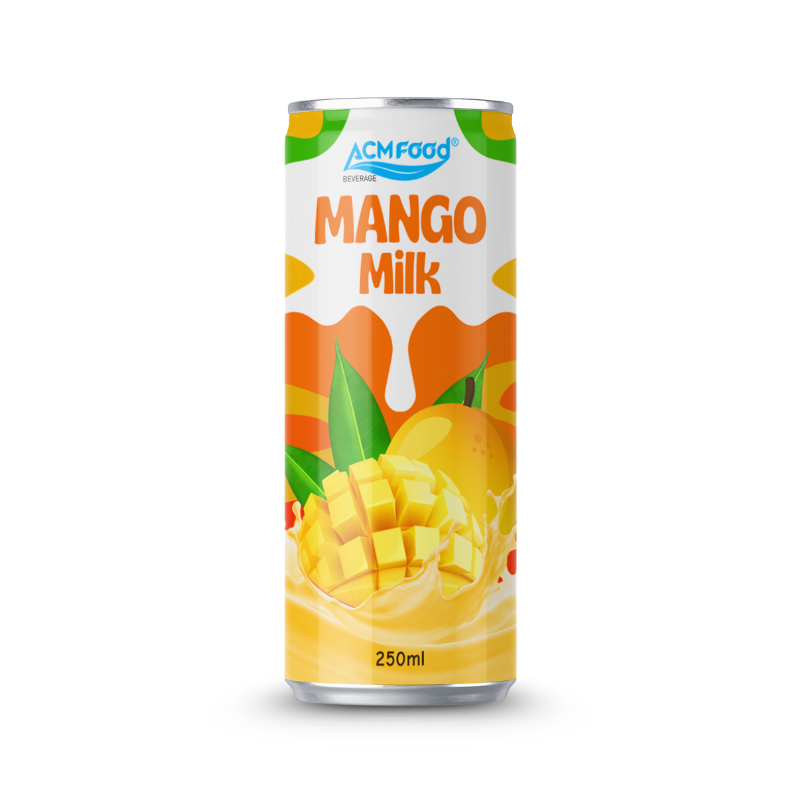
- Aluminum cans: strong for carbonated soft drinks, energy drinks, seltzers, RTD cocktails, some flavored waters, and teas.
- PET bottles: versatile for waters, juices, teas, sports drinks, and some dairy alternatives, hot-fill or cold-fill depending on resin and process.
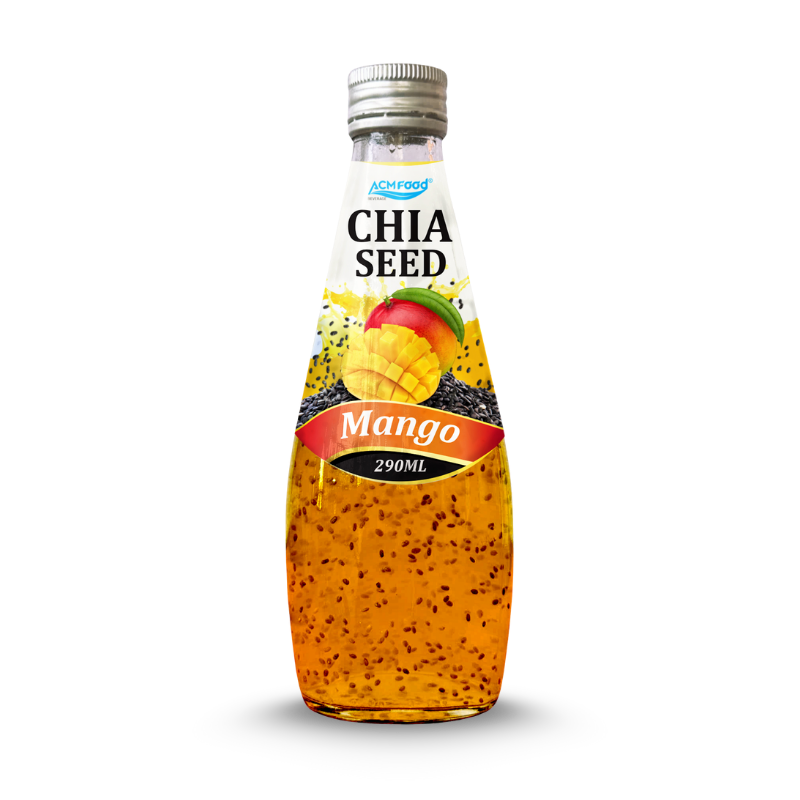
- Glass bottles: premium cues for juices, mixers, kombucha, RTD coffee/tea, and craft sodas, typically in chilled channels.
- Aseptic cartons: shelf-stable for juices, nectars, dairy alternatives, and kids’ drinks; often favored for family sizes.
- Spouted pouches: on-the-go kids’ beverages, functional shots, and sampling; light and space-efficient.
- Bag-in-box: foodservice concentrates, still beverages, and back-of-house dispensing; efficient for volume and waste reduction.
- Kegs: on-premise kombucha, cold brew, and specialty still or lightly carbonated products; supports draft experiences.
Format selection at a glance
The table below summarizes where each format commonly fits, along with key strengths, limitations, and positioning considerations that brand and packaging teams can use in early briefs.
| Format | Best for | Strengths | Limitations | Positioning & notes |
|---|---|---|---|---|
| Aluminum cans | Carbonated, seltzers, RTD cocktails, teas | Great light barrier, quick chill, strong retail blocking | Seaming, internal coatings, dent risk | Modern look; widely accepted in U.S. recycling streams |
| PET bottles | Waters, sports drinks, juices, teas | Lightweight, shatter-resistant, flexible shapes | Oxygen/light sensitivity, resin selection matters | Clear product view; recyclable where facilities exist |
| Glass bottles | Premium juices, kombucha, mixers | Excellent barrier, premium perception | Weight, breakage, shipping cost | Strong tactile feel; suits chilled channels |
| Aseptic cartons | Juices, dairy alternatives, kids’ drinks | Shelf-stable, family sizes, good print area | Composite material complexity | Family-friendly; reduces need for cold chain |
| Spouted pouches | Kids’ beverages, shots, sampling | Very light, portable, compact | Perceived premium varies; puncture control | Convenience-first; merchandising flexibility |
| Bag-in-box | Foodservice, back-of-house dispensing | High volume, reduced packaging per liter | Not a retail primary pack | Operational efficiency; lower packaging waste |
| Kegs | On-premise cold brew, kombucha | Draft experience, freshness under proper handling | Return logistics, keg maintenance | Great for experiential channels and sampling |
Aluminum beverage cans: sizes, ends, and lining considerations
Aluminum cans dominate U.S. carbonated categories. Common sizes include 12 fl oz for mainstream sets and 16 fl oz for convenience and specialty. Sleek profiles support modern cues and multi-pack strategy. Ends range by opening diameter and tab style; selection impacts drinking experience and fill performance.
- Internal linings: multiple options exist to separate product from metal. Selection should consider acidity, alcohol, oil content, and filling temperature. Many suppliers offer coatings formulated for sensitive matrices.
- Seaming: proper seam integrity is critical for shelf life and safety; brands typically validate seam specifications through destructive testing during line trials.
- Graphics: cans offer near-360° decoration with high visual impact. Shrink-sleeve or pressure-sensitive labels can support small runs and test markets.
Key takeaway: Match can body, end, and lining to beverage chemistry and filling process, then confirm seam specs with your copacker’s quality team.
PET beverage bottles: resin, finish, and barrier choices
PET bottles are widely used for still beverages and some carbonated products under appropriate designs. Resin grade, preform design, and neck finish govern structural performance, cap compatibility, and line speed. For oxygen- or light-sensitive formulas, barrier strategies may include additives, multi-layer structures, or UV-blocking tints.
- Hot-fill vs. cold-fill: hot-fill requires compatible bottle geometry and resin; cold-fill relies on cleanroom practices and post-fill handling.
- Neck finishes and closures: pair thread standard and liner to carbonation level, torque targets, and tamper-evidence.
- Recyclability: PET is accepted in many U.S. recycling programs; sleeve selection and label adhesives can influence sortability.
Design note: Keep label panels and base geometry aligned with your filler’s change parts and application windows to minimize changeover time.
Glass provides excellent barrier and premium hand-feel for juices, kombucha, craft sodas, and mixers. It supports hot-fill and tunnel pasteurization when configured properly. The trade-offs are weight, breakage risk, and higher freight costs—factors that influence case pack, pallet pattern, and total landed cost.
- Closures: crown, lug, and continuous-thread options are common; select liner appropriate to pH, carbonation, and pasteurization.
- Decoration: screen print, pressure-sensitive labels, and partial sleeves support premium positioning.
- Handling: validate case dividers, bottle spacing, and pallet wrap to limit scuffing and breakage.
Aseptic cartons: shelf-stable convenience and billboard space
Aseptic cartons enable shelf-stable juices, nectars, and dairy alternatives with strong print real estate. They travel well for e-commerce and large-format retail due to rectangular efficiency. Filling partners and material specifications are specialized; plan artwork and structure early to synchronize with converting and filling timelines.
- Spouts and straws: choose features by age group and channel (e.g., kids’ lunchbox vs. pantry multi-serve).
- Formula fit: validate any particulates and viscosity against straw diameter or spout type.
- Outer packs: brick geometry enables efficient 6-, 8-, or 12-count case packs depending on retailer norms.
Spouted pouches and bag-in-box: lightweight volume solutions
Spouted pouches excel for portable kids’ beverages and functional shots, while bag-in-box serves back-of-house dispensing efficiently. Both formats reduce rigid packaging weight; their success depends on film selection, fitments, and secondary packaging that prevents puncture or valve damage in transit.
- Fitments: select tamper-evident spouts or QCD-compatible valves for dispensing systems.
- Film: align barrier to oxygen and light sensitivity; confirm seal strength and retort/pasteurization compatibility if used.
- Cases: add corner or top protection for valves and spouts to survive distribution.
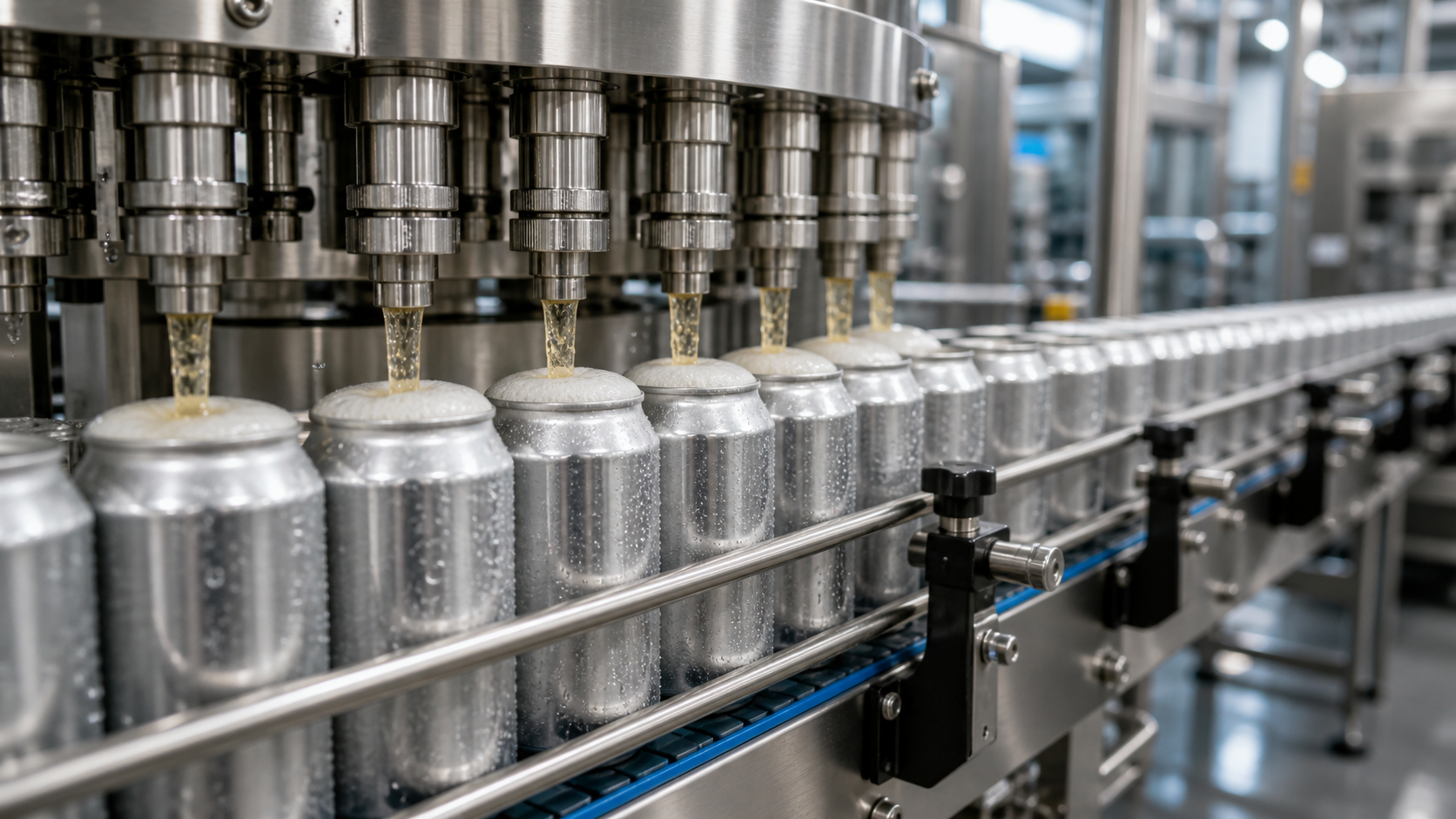
How do U.S. regulations influence beverage packaging?
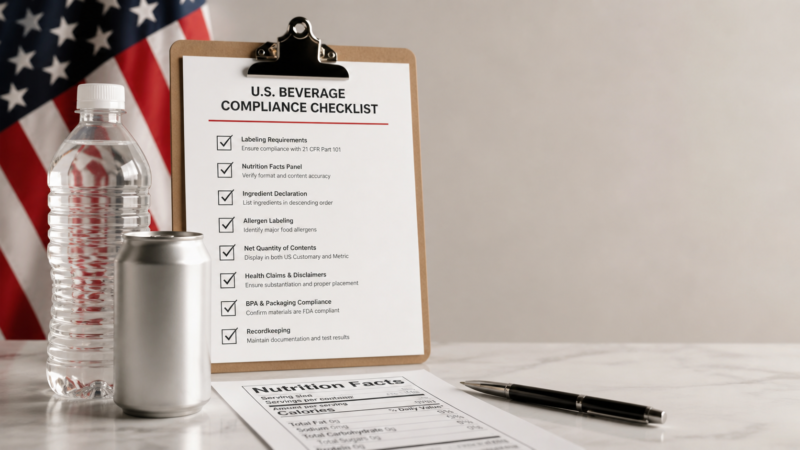
U.S. packaging must meet food-contact safety requirements and support compliant labeling, advertising, and environmental claims. Federal agencies provide the baseline framework, while some states add deposit or recycling obligations. Because rules vary by beverage type and market, brands should confirm specifics early with legal and regulatory teams.
For a structured overview of federal and state touchpoints, see the U.S. beverage regulations guide. Packaging choices and claims should align with the finished formula, serving size, and market of sale.
Labeling, barcodes, and on-pack information
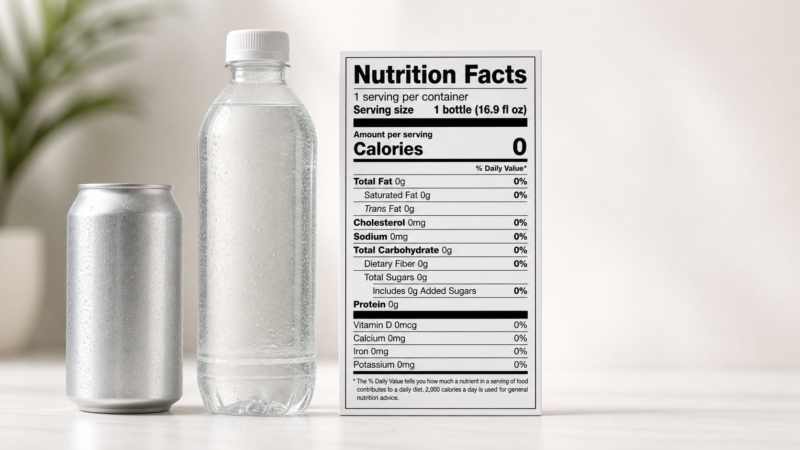
Primary packaging must reserve space for product identity, net contents, ingredient statement, allergen disclosure when applicable, nutrition facts for most categories, manufacturer or distributor information, and universal product codes for retail scanning. Formatting, typography, and panel order depend on product type and final-pack geometry.
- Front panel: clear product identity and net contents sized appropriately for the principal display panel.
- Information panels: ingredients in descending order by weight and nutrition facts when required.
- Barcodes: confirm quiet zones and curvature guidelines with your labeler and retail partners.
Compliance tip: Build a packaging die-line with reserved, non-negotiable compliance areas before creative exploration to reduce late-stage revisions.
Sustainability, recyclability, and deposit systems
Recyclability depends on material, decoration, adhesives, and local infrastructure. Many U.S. programs accept aluminum cans widely, while PET acceptance varies by community and label choices. Several states operate container deposit systems that influence redemption values and labeling marks required for sale in those states.
- Material choices: align labels, sleeves, and closures to enhance sortability in material recovery facilities.
- PCR content: post-consumer recycled material can support sustainability narratives when technically and aesthetically viable.
- Claims: environmental claims should follow recognized guidance; substantiate claims with supplier documentation where needed.
Packaging themes evolve quickly. For category context and timing, consult Beverage trends in the United States when shaping your next refresh or line extension.
Secondary packaging, pallets, and logistics
Cases, trays, and overwrap protect primary packs and influence shelf restocking efficiency. Common configurations include 4-, 6-, 8-, 12-, and 24-count cases depending on unit size and channel. Pallet patterns, interlocking vs. column stacking, and top frames help balance stability with compression resistance in transit.
- Case strength: match corrugate grade and flute to stack height, climate, and transport mode.
- Pallet patterns: harmonize with U.S. 40×48 in pallet standards and retailer-specific requirements.
- E-commerce: reinforce primary packs and use right-sized outers to limit damage and dimensional weight charges.
How should brands choose caps, ends, and liners?
Start with beverage chemistry, carbonation, fill temperature, and process (hot-fill, tunnel pasteurization, cold-fill, aseptic). These parameters narrow closure type, liner material, tamper-evidence, and torque or double-seam targets. From there, test on the intended line to validate application windows and consumer opening experience.
- Still vs. carbonated: closure systems and liner compressibility differ for pressure management.
- Tamper-evidence: align breakbands or tabs with retail expectations and safety standards.
- Ergonomics: cap diameter, knurling, and opening torque shape usability and perception of quality.
How does shelf life drive barrier and process choices?
Product pH, dissolved oxygen, carbonation, light sensitivity, and microbiological risk guide barrier and process selection. Shelf-stable targets often use heat or aseptic methods; chilled targets rely on cold chain and shorter code dates. The final choice should reflect brand positioning, channel needs, and total cost to serve—not just maximum shelf life.
- Oxygen and light: use coatings, opaque substrates, tints, or sleeves to protect sensitive formulas.
- Micro stability: align process lethality with packaging tolerance to avoid paneling, deformation, or off-notes.
- Distribution: stress-test for heat and vibration typical of U.S. trucking and last-mile delivery.
Packaging costs, MOQs, and lead-time drivers
Costs and minimums depend on material, custom tooling, decoration method, supply location, and artwork complexity. Cans with full-body print differ from sleeved cans or labeled glass; custom PET molds differ from stock bottles with pressure-sensitive labels. Lead times extend with new tooling, multi-color artwork, and peak season capacity constraints.
- MOQs: driven by material converters and decorators; plan test runs with flexible decoration (e.g., sleeves or labels) before committing to high-volume print.
- Artwork: color separations, proofs, and approvals add calendar time; lock routing early.
- Buffer: protect launch windows with contingency on component availability and carrier capacity.
Packaging development workflow for U.S. brands
A disciplined workflow reduces risk and shortens time to shelf. Align brand, product, regulatory, and operations teams on a shared brief, then prototype in small increments.
- Define the product: formula, carbonation, pH, process, shelf-life target, channels, and price architecture.
- Choose the format: shortlist 1–2 primary packs that fit product and channel constraints.
- Create a packaging brief: dielines, materials, closures, secondary packs, pallet patterns, and compliance placeholders.
- Artwork and claims: iterate with reserved areas for required statements and codes.
- Line trials: validate filling, seaming/capping, coding, case packing, and pallet stability.
- QA plan: confirm torque, seam, leak, and sensory hold testing; define release specs.
- Pre-launch: assemble certificates and specifications; book capacity; align retail compliance checks.
Testing and quality assurance for packaging
Robust QA catches issues before they scale. Match test plans to format and risk profile, then document targets and methods in your quality manual and supplier agreements.
- Dimensional checks: neck finish tolerances, thread pitch, and cap application windows.
- Integrity: seam teardown for cans; vacuum/pressure tests for bottles and pouches.
- Environmental: accelerated aging, light exposure, and shipping simulation.
- Coding and traceability: legible date codes and batch marks that survive condensation and handling.
Practical guardrail: Approve first production components only after your line trial confirms quality targets at speed.
E-commerce & club packaging considerations
E-commerce demands protective, right-sized outers and drop resistance, while club channels reward multi-serve value and efficient palletization. Both channels benefit from strong handle solutions, clear panel hierarchy, and scannability that speeds fulfillment or replenishment.
- E-commerce: choose protective void fill, reinforced cartons, and closure security to prevent leaks.
- Club: optimize pallet heights and case counts for forklift efficiency and end-cap stacking.
- Imagery: ensure high-resolution renders for digital shelves; consider QR for rich product content.
Private label beverage packaging USA: what retailers expect
Private label partners typically seek packaging that meets retailer specifications, harmonizes with category visual systems, and delivers clear value cues. They emphasize compliance documentation, dependable supply, and consistent quality across multiple distribution centers.
- Specifications: adhere to retailer pack sizes, pallet patterns, and barcode standards across regions.
- Quality: document closure torque, seam ranges, and transit test performance.
- Continuity: plan component safety stocks and alternate suppliers for peak periods.
For help aligning format, process, and capacity, consider discussions with a trusted manufacturer for U.S. brands or a qualified supplier for U.S. importers and distributors when scoping your commercial plan.
Cross-market learnings: U.S. vs. Australia
Brands selling in multiple countries often coordinate packaging families with regional adjustments to claims, symbols, and deposit marks. While core formats overlap, local recycling systems, retailer case-count norms, and artwork conventions can differ.
For comparison outside the U.S., see these packaging options in Australia to anticipate artwork and logistics adaptations in dual-market launches.
Five ways to de-risk your first production
Small, deliberate steps reduce complexity and help teams learn at low cost.
- Use stock or semi-custom primary packs for pilot runs; add custom molds after repeat orders.
- Choose flexible decoration (labels or sleeves) before committing to direct print at scale.
- Run a full packaging line trial, then a small regional launch to gather handling and damage data.
- Validate codes, claims, and deposit marks across all target states before mass printing.
- Document supplier performance metrics and keep approved alternates for critical components.
B2B considerations by beverage type
Different beverages impose different stressors on packaging, influencing barrier, closure, and process choices.
- Carbonated: cans or pressure-rated PET with appropriate ends/caps; validate CO₂ retention and seam/closure performance.
- Juice and juice drinks: hot-fill PET, aseptic cartons, or glass; manage oxygen exposure to protect flavor and color.
- Dairy alternatives: aseptic cartons or hot-fill PET; ensure protein stability and light management.
- RTD coffee and tea: cans, glass, or PET based on process and position; test for sediment and coating compatibility.
- Functional shots: small PET or glass, or pouches; prioritize tamper-evidence and portability.
Artwork and print execution without surprises
Translate brand intent into manufacturable files tailored to each substrate and print process. Colors, traps, and minimum line weights vary by can, label, or carton printing. Build print-ready assets for each process rather than repurposing a single master indiscriminately.
- Color management: set print profiles and proof on representative materials.
- Readable hierarchy: maintain contrast and legibility on curved surfaces and small panels.
- Compliance layers: keep mandatory statements on locked layers to prevent accidental edits.
Retailer, distributor, and DC expectations
Retail and distribution centers evaluate case integrity, barcodes, pallet stability, and ease of stocking. Meeting these expectations can be as decisive as consumer appeal.
- Case marking: ensure scannable, durable labels on multiple sides.
- Stack test: confirm compression resistance at expected warehouse heights and humidity.
- Pack-outs: choose pack sizes that match planograms and minimize cut-case labor.
Risk register for packaging programs
Track foreseeable risks and assign owners before pilot runs. Typical items include material allocation constraints, mold lead times, liner availability, seasonal capacity, artwork lock dates, and regulatory reviews that can extend calendars.
- Supply risk: maintain alternates for labels, closures, and cases.
- Technical risk: pilot under worst-case conditions (heat, vibration, dwell time) common in U.S. trucking.
- Regulatory risk: route claims and symbols for review early to avoid reprints.
When to consult specialists
Engage material scientists, regulatory advisors, and experienced copackers when dealing with sensitive formulas, novel materials, or multi-state go-to-market plans. Early expert input can materially change cost, lead time, and quality outcomes.
For a deeper compliance lens across product, labeling, and distribution, bookmark the U.S. beverage regulations guide as you finalize claims and panels.
Measuring success post-launch
After launch, evaluate damage rates, returns, seam and torque holds over code life, consumer opening feedback, and recycling-related customer questions. These data inform your next print run and any mid-cycle improvements to closures, labels, or case design.
- Operational KPIs: yield, downtime from component issues, and rework tied to packaging.
- Quality KPIs: closure torque retention, seam integrity trends, and leak complaints.
- Market KPIs: facings gained, velocity shifts, and review sentiment on usability.
FAQ
Which is better for a new carbonated drink: can or PET?
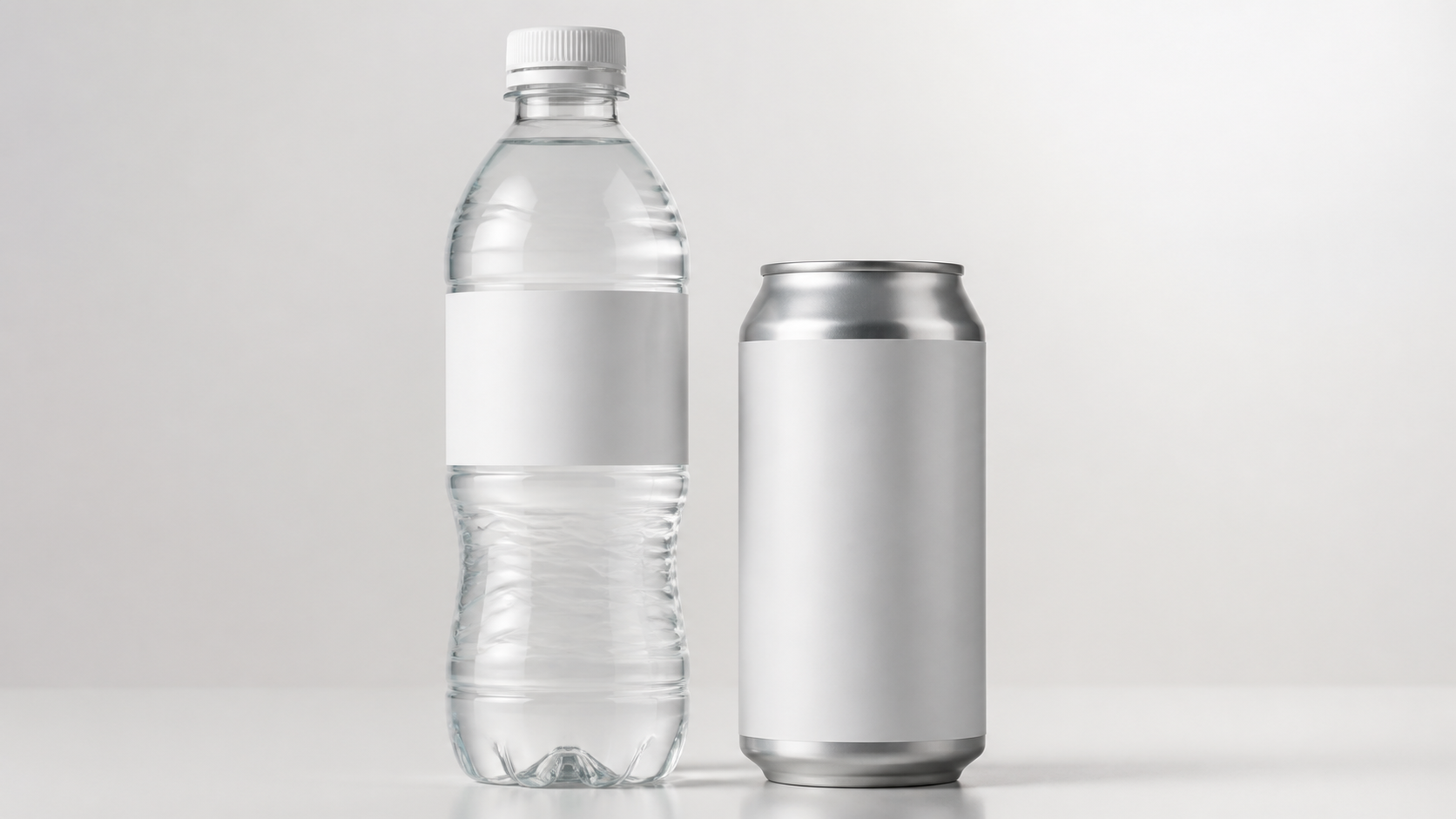
Both can work. Cans offer strong light and gas barriers and quick chill, while PET requires pressure-rated designs and careful CO₂ management. For test markets, cans often enable impactful graphics and straightforward line access through many U.S. copackers.
Do I need different packaging for e-commerce?
Often yes. Primary packs may be the same, but outer cartons, dividers, and void fill usually change to survive parcel networks. Build an e-commerce-specific ship test before scaling.
How soon should I lock dielines before launch?
Lock dielines once compliance areas and critical callouts are placed—ideally before final artwork color work. This reduces rework and protects print schedules.
Can I switch from labels to direct print later?
Yes. Many brands start with labels or sleeves to test markets and move to direct print once volumes stabilize. Build color targets and art layers with that transition in mind.
What’s the best way to brief a copacker on packaging?
Share a concise product and packaging brief: formula attributes, process, target shelf life, primary pack, closure, label spec, case pack, pallet pattern, and quality targets. Clarify where you have flexibility vs. must-haves.
Conclusion and next steps
U.S. beverage packaging decisions hinge on product chemistry, channel strategy, sustainability goals, and supply realities. Aluminum cans, PET, glass, cartons, pouches, and larger-volume formats each bring distinct trade-offs in barrier, cost, and consumer cues. Align your brief, test in stages, and design with compliance areas locked from the start.
If you are planning private label or co-packed programs, explore capacity and format fit with a capable manufacturer for U.S. brands or vetted supplier for U.S. importers and distributors. As you refine claims and panels, keep the U.S. beverage regulations guide handy. With a disciplined approach to artwork, QA, and transit testing, beverage packaging usa can become a growth lever rather than a constraint.
Manufacturing for U.S. brands
If you are sourcing for the U.S. market, three pages cover what buyers ask first. Our OEM manufacturing programme describes what the factory takes on; certifications and food safety systems covers the documents customs and retailers will ask you to produce; export and logistics covers shipping terms and the document pack. To price a programme, request a quote.
Request a quote